Robotics in Healthcare: 3 Key Advancements Transforming Patient Care by 2026
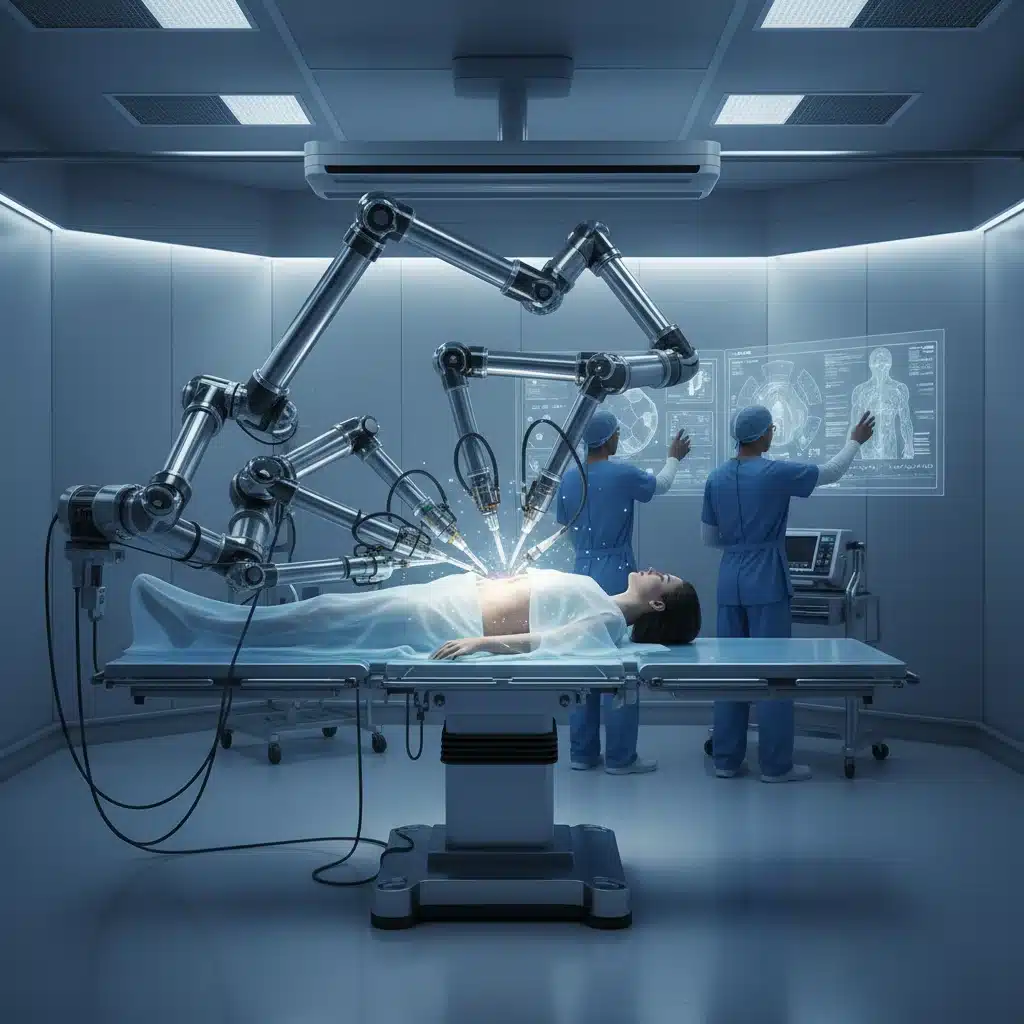
The landscape of healthcare is undergoing a profound transformation, driven by relentless innovation and technological breakthroughs. Among the most impactful of these advancements is the integration of robotics. Robotics in healthcare advancements are not merely incremental improvements; they represent a paradigm shift, promising to enhance precision, efficiency, and accessibility across various medical disciplines. By 2026, we anticipate that these robotic innovations will have fundamentally reshaped patient care, reducing surgical times, improving diagnostic accuracy, and revolutionizing rehabilitation processes. This article delves into three key robotics healthcare advancements that are poised to make the most significant impact, offering a glimpse into the future of medicine.
The journey of robotics in healthcare began decades ago with rudimentary systems, but recent exponential growth in artificial intelligence (AI), machine learning, and sensor technology has propelled these machines into roles previously unimaginable. From intricate surgical procedures to mundane logistical tasks, robots are increasingly becoming indispensable partners for medical professionals. The promise of these technologies extends beyond mere automation; they offer the potential for hyper-personalized treatments, predictive analytics for disease management, and a significant reduction in human error. Understanding these robotics healthcare advancements is crucial for anyone involved in or impacted by the medical field.
The Dawn of Precision: Advanced Robotic Surgical Systems
One of the most impactful robotics healthcare advancements is undoubtedly in the realm of surgery. Advanced robotic surgical systems have moved beyond assisting surgeons to enabling unprecedented levels of precision and minimally invasive procedures. These systems, such as the widely recognized da Vinci Surgical System and newer, more specialized platforms, allow surgeons to perform complex operations with enhanced dexterity, visualization, and control. The benefits are manifold: smaller incisions, reduced blood loss, shorter hospital stays, faster recovery times, and decreased post-operative pain for patients. By 2026, these systems are expected to be even more sophisticated, integrating haptic feedback, real-time imaging, and AI-driven guidance.
The evolution of robotic surgery is characterized by several critical innovations. Haptic feedback, for instance, allows surgeons to ‘feel’ the tissue resistance through the robot’s instruments, providing a sense of touch that was previously lost in purely visual interfaces. Real-time imaging, often incorporating augmented reality (AR) and virtual reality (VR), overlays critical patient data directly onto the surgical field, giving surgeons a ‘superhuman’ view of internal structures, blood vessels, and nerves. This significantly reduces the risk of complications and improves the accuracy of tissue removal or reconstruction. Furthermore, AI algorithms are beginning to analyze vast datasets of surgical procedures, learning optimal techniques and providing predictive insights during operations, flagging potential risks or suggesting alternative approaches in real-time.
Consider the impact on specialized surgeries. In cardiac surgery, robots can navigate the delicate structures of the heart with unparalleled steadiness, performing bypasses or valve repairs through tiny incisions, thus avoiding the need for open-heart surgery in many cases. In neurosurgery, robots are being developed to target tumors with sub-millimeter precision, minimizing damage to surrounding healthy brain tissue. Orthopedic robots are transforming joint replacement surgeries, ensuring perfect alignment and fit, which translates to longer-lasting implants and better patient outcomes. The continuous refinement of these systems, coupled with ongoing research into new applications, solidifies robotic surgical systems as a cornerstone of future medical practice and a leading example of robotics healthcare advancements.
Beyond the technical prowess, these systems also address the growing demand for specialized surgical skills in remote or underserved areas. Tele-surgery, though still in its nascent stages, holds the promise of expert surgeons performing operations from a distance, extending access to high-quality care globally. This decentralization of surgical expertise, enabled by robust robotic platforms and secure communication networks, could dramatically alter healthcare delivery models, making specialized procedures more accessible to a broader population. The implications for global health equity are immense, marking a significant stride in robotics healthcare advancements.
Training for robotic surgery is also evolving. Simulation platforms allow aspiring surgeons to practice complex procedures in a risk-free environment, honing their skills before operating on real patients. These simulators often incorporate realistic haptic feedback and detailed anatomical models, providing an immersive and effective learning experience. As more medical schools integrate robotic surgery into their curricula, the next generation of surgeons will be inherently more adept at leveraging these powerful tools, further accelerating the adoption and impact of robotics in healthcare.
The economic impact of advanced robotic surgical systems is another crucial aspect. While the initial investment can be substantial, the long-term benefits often outweigh the costs. Reduced hospital stays, fewer complications, and lower rates of readmission contribute to significant savings in the overall healthcare system. Furthermore, the ability to perform more complex procedures on an outpatient basis can free up valuable hospital resources, allowing for greater patient throughput and efficiency. These economic advantages, combined with superior patient outcomes, make robotic surgical systems an undeniable force in the progression of robotics healthcare advancements.
AI-Powered Diagnostic and Therapeutic Robots
Another pivotal area showcasing robotics in healthcare advancements is the emergence of AI-powered diagnostic and therapeutic robots. These intelligent machines are designed to assist medical professionals in identifying diseases earlier, more accurately, and delivering targeted therapies with unprecedented precision. The synergy between robotics and artificial intelligence is creating tools that can analyze vast amounts of data, recognize complex patterns, and make informed decisions, often surpassing human capabilities in specific tasks.
Diagnostic robots, often equipped with advanced sensors and AI algorithms, are revolutionizing areas such as medical imaging and pathology. For example, robots can now autonomously scan patients for signs of disease, such as skin lesions for melanoma, with higher consistency and speed than human operators. In radiology, AI-powered robots are trained on millions of medical images to detect subtle anomalies that might be missed by the human eye, such as early-stage tumors or neurological disorders. This early detection capability is critical for improving prognosis and initiating timely treatment, significantly impacting patient survival rates. 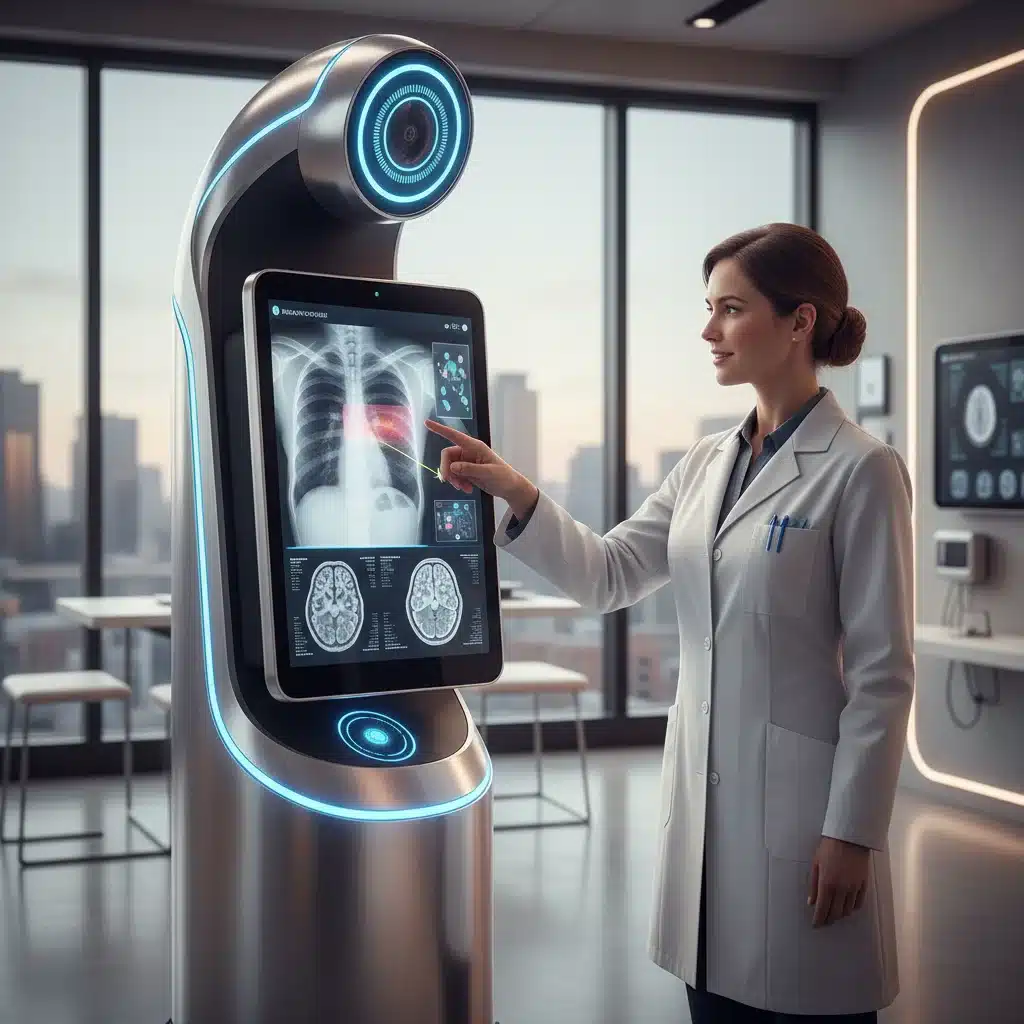
Pathology labs are also benefiting from these robotics healthcare advancements. Robotic systems can automate the tedious and time-consuming process of preparing and analyzing tissue samples, ensuring standardization and reducing human error. AI algorithms then analyze these samples, identifying cancerous cells or other pathological markers with high accuracy, assisting pathologists in making definitive diagnoses faster. This not only streamlines laboratory operations but also frees up highly skilled personnel to focus on more complex cases and research. The integration of these systems is leading to a revolution in how diseases are identified and classified.
Beyond diagnostics, therapeutic robots are also making significant strides. These robots are designed to deliver treatments directly and precisely, minimizing collateral damage to healthy tissues. One prominent application is in targeted drug delivery, where microscopic robots or nanobots are being developed to navigate the bloodstream and release medication specifically at disease sites, such as tumors. This localized delivery reduces systemic side effects and maximizes the therapeutic effect of drugs, particularly in cancer treatment. While still largely in experimental phases, the potential of these tiny therapeutic robots is immense and represents a futuristic frontier of robotics healthcare advancements.
Another therapeutic application involves radiation therapy, where robotic arms can precisely position radiation beams to target tumors while sparing surrounding healthy organs. This level of precision is crucial in minimizing side effects and improving treatment efficacy, especially for cancers located near vital structures. The ability of robots to maintain consistent positioning and execute highly complex movement patterns ensures that each radiation dose is delivered exactly as planned, enhancing the safety and effectiveness of treatment.
Furthermore, AI-powered therapeutic robots are being deployed in mental health and elderly care. Companion robots, often equipped with natural language processing and emotional recognition capabilities, can provide social interaction and support to individuals suffering from loneliness or cognitive decline. These robots can remind patients to take medication, engage them in stimulating activities, and even alert caregivers in emergencies. While not replacing human interaction, they serve as valuable adjuncts in providing continuous care and improving the quality of life for vulnerable populations, highlighting a compassionate side of robotics healthcare advancements.
The ethical considerations surrounding AI-powered diagnostic and therapeutic robots are also paramount. Issues such as data privacy, algorithmic bias, and accountability in case of errors need careful consideration and robust regulatory frameworks. As these technologies become more integrated into healthcare, ensuring patient safety, maintaining transparency in AI decision-making, and addressing potential biases in algorithms will be critical to their successful and ethical deployment. Public trust and acceptance will hinge on these considerations being addressed proactively and comprehensively.
Personalized Rehabilitation and Assistive Robotics
The third major category of robotics in healthcare advancements focuses on personalized rehabilitation and assistive technologies. These robots are transforming the recovery process for patients with neurological injuries, physical disabilities, or those requiring post-surgical rehabilitation. By offering tailored exercises, continuous monitoring, and adaptive support, these systems are accelerating recovery, improving functional outcomes, and enhancing the independence of individuals.
Robotic exoskeletons are a prime example of this advancement. Designed to be worn by patients, these devices provide powered assistance for movement, helping individuals with spinal cord injuries, strokes, or other motor impairments to walk, stand, and perform daily activities. The sophisticated sensors and algorithms within these exoskeletons adapt to the user’s movements and intentions, providing just the right amount of support and resistance. This personalized approach not only facilitates physical rehabilitation but also offers psychological benefits, restoring a sense of autonomy and improving mental well-being. 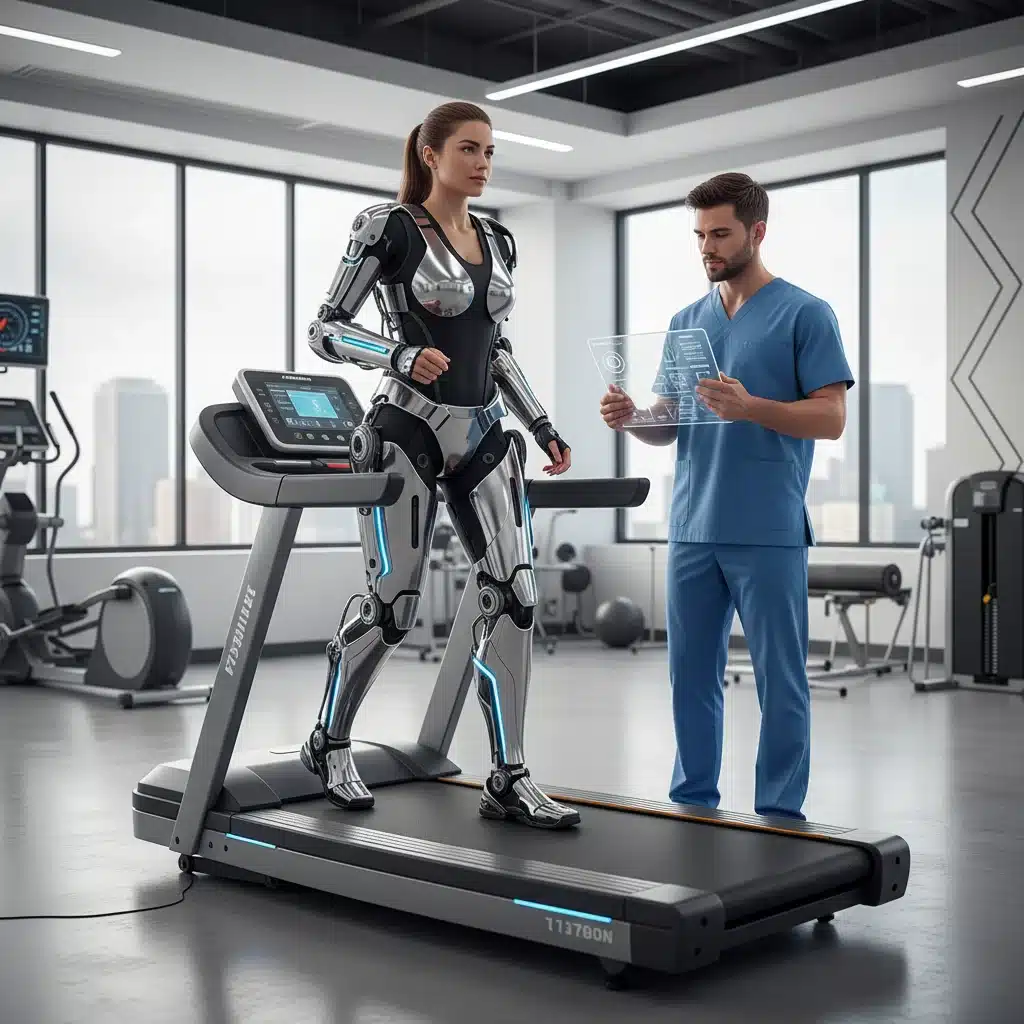
Beyond full-body exoskeletons, specialized rehabilitation robots target specific limbs or joints. For instance, robotic arms can guide stroke patients through repetitive, precise movements to regain fine motor control, while robotic gait trainers help individuals relearn walking patterns. These systems can collect real-time data on patient performance, allowing therapists to track progress, adjust therapy parameters, and provide objective feedback. This data-driven approach ensures that rehabilitation programs are optimized for each individual, leading to more efficient and effective recovery. The ability to quantify progress and tailor interventions is a significant leap forward in rehabilitation medicine.
Assistive robots are also playing a crucial role in enhancing the quality of life for elderly individuals and those with chronic conditions. These robots can perform tasks such as lifting and transferring patients, assisting with personal care, and providing mobility support. By reducing the physical strain on caregivers and enabling patients to remain in their homes for longer, assistive robots contribute to both the well-being of individuals and the sustainability of healthcare systems. They offer a dignified solution for maintaining independence and receiving necessary support without constant human intervention.
The integration of virtual reality (VR) and augmented reality (AR) with rehabilitation robotics is creating even more engaging and effective therapy experiences. Patients can participate in gamified exercises within virtual environments, making repetitive tasks more enjoyable and motivating. VR can simulate real-world scenarios, allowing patients to practice navigating challenging environments safely. This immersive approach not only improves patient adherence to therapy but also provides a more holistic rehabilitation experience, addressing both physical and cognitive aspects of recovery.
Home-based rehabilitation, facilitated by smaller, more affordable robotic devices, is another rapidly growing area. These devices allow patients to continue their therapy outside of clinical settings, increasing the frequency and intensity of exercises. Remote monitoring capabilities enable therapists to oversee progress and make adjustments from a distance, extending the reach of rehabilitation services and making them more accessible. This shift towards home-based care is particularly beneficial for patients in rural areas or those with limited mobility, truly democratizing access to crucial post-injury or post-operative care.
The future of personalized rehabilitation and assistive robotics is bright, with ongoing research focusing on making these devices more intuitive, affordable, and seamlessly integrated into daily life. Advances in soft robotics are leading to more compliant and comfortable exoskeletons, while improved battery technology is extending their operational duration. As these technologies mature, they will not only help individuals recover from injuries but also empower those with lifelong disabilities to live fuller, more independent lives, marking profound robotics healthcare advancements.
The Broader Impact and Future Outlook of Robotics in Healthcare
The three key robotics healthcare advancements discussed—advanced robotic surgical systems, AI-powered diagnostic and therapeutic robots, and personalized rehabilitation and assistive robotics—are individually transformative, but their collective impact on the healthcare ecosystem is even more profound. By 2026, these innovations are expected to significantly enhance the quality, accessibility, and efficiency of patient care globally. However, their integration also brings forth a host of challenges and opportunities that warrant careful consideration.
One of the most significant opportunities lies in addressing the global shortage of healthcare professionals. Robots can augment the capabilities of existing staff, taking on repetitive or physically demanding tasks, thereby freeing up doctors, nurses, and therapists to focus on more complex patient interactions and critical decision-making. In areas with limited access to specialized medical expertise, robotic systems can extend the reach of urban hospitals, providing high-quality diagnostics and treatments to remote populations. This scaling of medical services without a proportional increase in human resources is a powerful argument for the continued investment in robotics healthcare advancements.
The ethical dimensions of increasingly autonomous robots in healthcare cannot be overlooked. Questions surrounding accountability in the event of a robotic error, the potential for job displacement, and the need for robust data security protocols are paramount. As robots take on more decision-making roles, clear ethical guidelines and regulatory frameworks will be essential to ensure patient safety and maintain public trust. The development of ‘explainable AI’ (XAI) is crucial here, allowing healthcare providers to understand how AI algorithms arrive at their conclusions, fostering transparency and trust in these advanced systems.
Furthermore, the cost of implementing and maintaining advanced robotic systems remains a significant barrier for many healthcare institutions, particularly in developing countries. Strategies for making these technologies more affordable and accessible, such as subscription-based models or government subsidies, will be vital for widespread adoption. Investment in research and development to reduce manufacturing costs and improve the scalability of these technologies is also essential to ensure that the benefits of robotics in healthcare are not limited to affluent regions.
Interoperability and standardization are other critical factors for the successful integration of robotics into healthcare. Robotic systems need to seamlessly communicate with existing hospital information systems, electronic health records (EHRs), and other medical devices. Establishing common protocols and data standards will facilitate this integration, enabling a more cohesive and efficient digital healthcare environment. This interoperability will unlock the full potential of robotics, allowing for comprehensive data analysis and personalized patient care pathways.
Looking beyond 2026, the future of robotics in healthcare promises even more revolutionary changes. We can anticipate the rise of truly autonomous medical robots capable of performing a wider range of procedures with minimal human intervention, guided by advanced AI and real-time biological feedback. The development of bio-hybrid robots, integrating biological components with robotic systems, could lead to novel prosthetic devices and regenerative medicine applications. Furthermore, the convergence of robotics with genomics and personalized medicine will enable highly individualized treatments, tailored to a patient’s unique genetic makeup and disease profile.
In conclusion, the impact of robotics in healthcare advancements is undeniable and accelerating. From enhancing surgical precision and revolutionizing diagnostics to empowering personalized rehabilitation, robots are fundamentally reshaping how medical care is delivered. While challenges remain, the continuous innovation in this field, coupled with a concerted effort to address ethical and economic considerations, promises a future where healthcare is more precise, accessible, and ultimately, more human-centered. The journey towards a robot-assisted medical future is well underway, and by 2026, its transformative effects will be evident in hospitals and homes worldwide.