Future of Food: 7 Agri-Tech Innovations Revolutionizing U.S. Agriculture by 2028
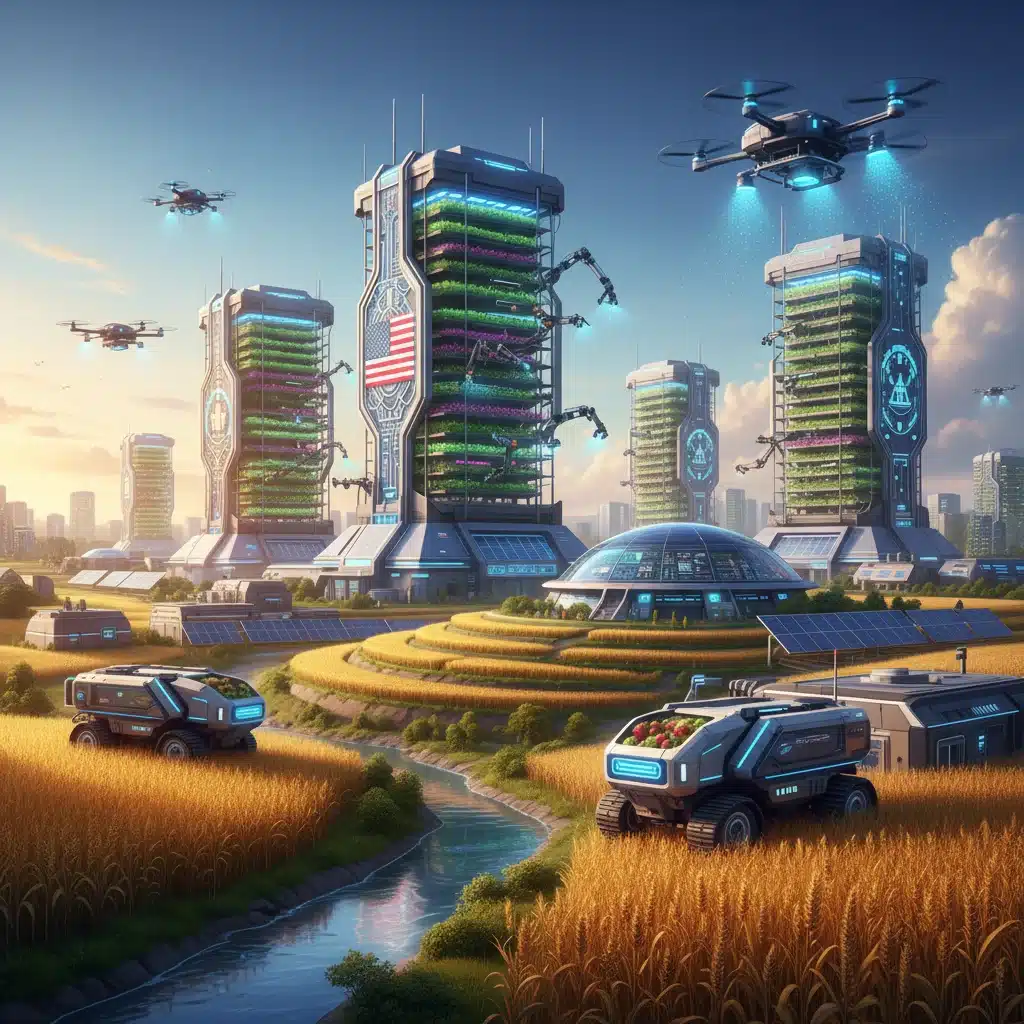
The Future of Food: 7 Agri-Tech Innovations Set to Revolutionize U.S. Agriculture by 2028, Increasing Yield by 25%
The agricultural landscape of the United States is on the cusp of a profound transformation, driven by an accelerating wave of agri-tech innovations. As global populations continue to grow and climate change presents new challenges, the imperative to produce more food, more efficiently, and more sustainably has never been greater. Experts predict that by 2028, these groundbreaking technologies will not only reshape how we farm but also significantly boost U.S. agricultural yields by an impressive 25%. This article delves into seven pivotal agri-tech innovations that are poised to lead this revolution, offering a glimpse into a future where food production is smarter, more resilient, and environmentally friendly.
From artificial intelligence guiding precise farming decisions to robots performing intricate tasks, and from genetically edited crops thriving in adverse conditions to vertical farms maximizing urban space, the spectrum of advancements is vast and exciting. These agri-tech innovations are not just incremental improvements; they represent a paradigm shift, promising to address food security, reduce environmental impact, and enhance the economic viability of farming for generations to come. Understanding these trends is crucial for farmers, policymakers, investors, and consumers alike, as they collectively shape the future of our food supply.
1. Precision Agriculture Powered by AI and IoT
Precision agriculture, a cornerstone of modern farming, is being supercharged by the integration of Artificial Intelligence (AI) and the Internet of Things (IoT). This synergy allows for hyper-localized management of crops and soil, moving beyond traditional blanket approaches. IoT sensors deployed across fields collect real-time data on soil moisture, nutrient levels, temperature, and pest presence. This deluge of data is then fed into AI algorithms that analyze patterns, predict outcomes, and recommend precise actions.
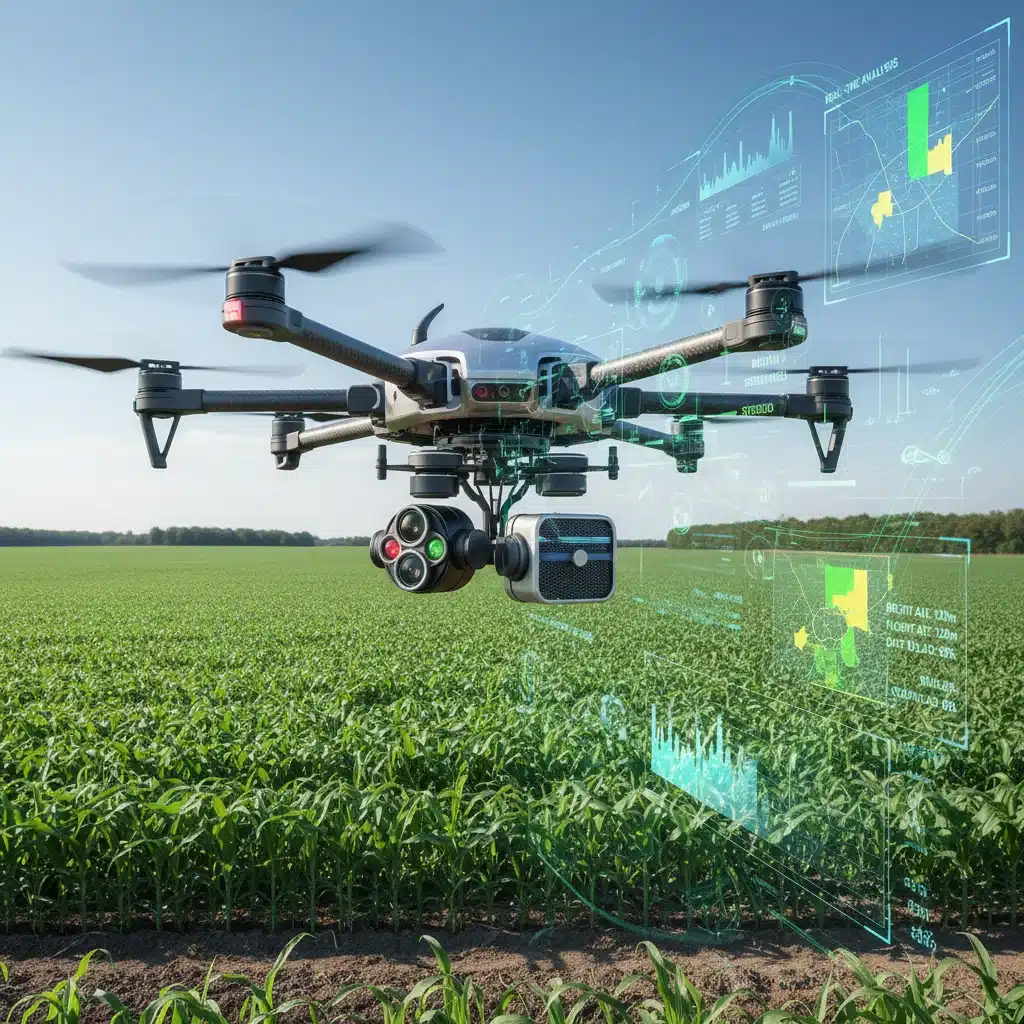
For instance, AI can determine the exact amount of water or fertilizer needed for specific sections of a field, minimizing waste and maximizing efficiency. This not only conserves valuable resources but also reduces the environmental footprint of farming by limiting runoff and chemical usage. Drones equipped with multispectral cameras can rapidly scan vast areas, identifying stress points in crops invisible to the human eye, allowing for early intervention. Robotic systems can then apply targeted treatments, from spraying pesticides only where necessary to precisely planting seeds at optimal depths and spacing. The adoption of these agri-tech innovations in precision agriculture is expected to be a primary driver of the projected 25% yield increase, as every input is optimized for maximum output.
Moreover, AI-driven predictive analytics can forecast weather patterns and crop diseases with unprecedented accuracy, enabling farmers to make proactive decisions rather than reactive ones. This foresight can save entire harvests from adverse conditions, safeguarding livelihoods and food supply. The continuous feedback loop between IoT data collection and AI analysis creates an intelligent farming system that learns and adapts, constantly improving its efficiency and effectiveness. This level of granular control over every aspect of crop production is a game-changer, transforming farming from an art to a highly data-driven science. The seamless integration of these technologies makes precision agriculture one of the most impactful agri-tech innovations we’ll see proliferate in the next few years.
2. Advanced Robotics and Automation in Field Operations
The image of a farmer toiling manually in fields is rapidly being replaced by sophisticated robotic systems. Agricultural robotics are moving beyond simple automation, taking on increasingly complex and delicate tasks. From autonomous tractors that can plant, spray, and harvest without human intervention to nimble robots capable of identifying and picking ripe produce, the role of robotics in farming is expanding dramatically. These machines are designed to operate with greater precision and consistency than human labor, reducing errors and optimizing resource use.
One of the most significant benefits of robotic agriculture is the ability to address labor shortages, a persistent challenge in the agricultural sector. Robots can work tirelessly, day and night, in conditions that might be difficult or dangerous for humans. For example, strawberry-picking robots can delicately identify and harvest ripe berries without damaging the fruit, a task that requires significant skill and time for human pickers. Similarly, weeding robots use computer vision to distinguish weeds from crops and remove them mechanically, reducing the need for herbicides.
Beyond harvesting and weeding, robots are also being developed for tasks such as pruning, thinning, and even livestock management. Autonomous vehicles can monitor animal health, deliver feed, and clean barns, improving animal welfare and farm hygiene. These agri-tech innovations are not just about replacing human labor; they are about augmenting human capabilities, allowing farmers to focus on strategic decision-making and farm management. The efficiency gains and cost reductions associated with advanced robotics are substantial, making them a crucial component in achieving higher yields and more sustainable farming practices. As the technology matures, these robots will become indispensable tools for modern agriculture.
3. Vertical Farming and Controlled Environment Agriculture (CEA)
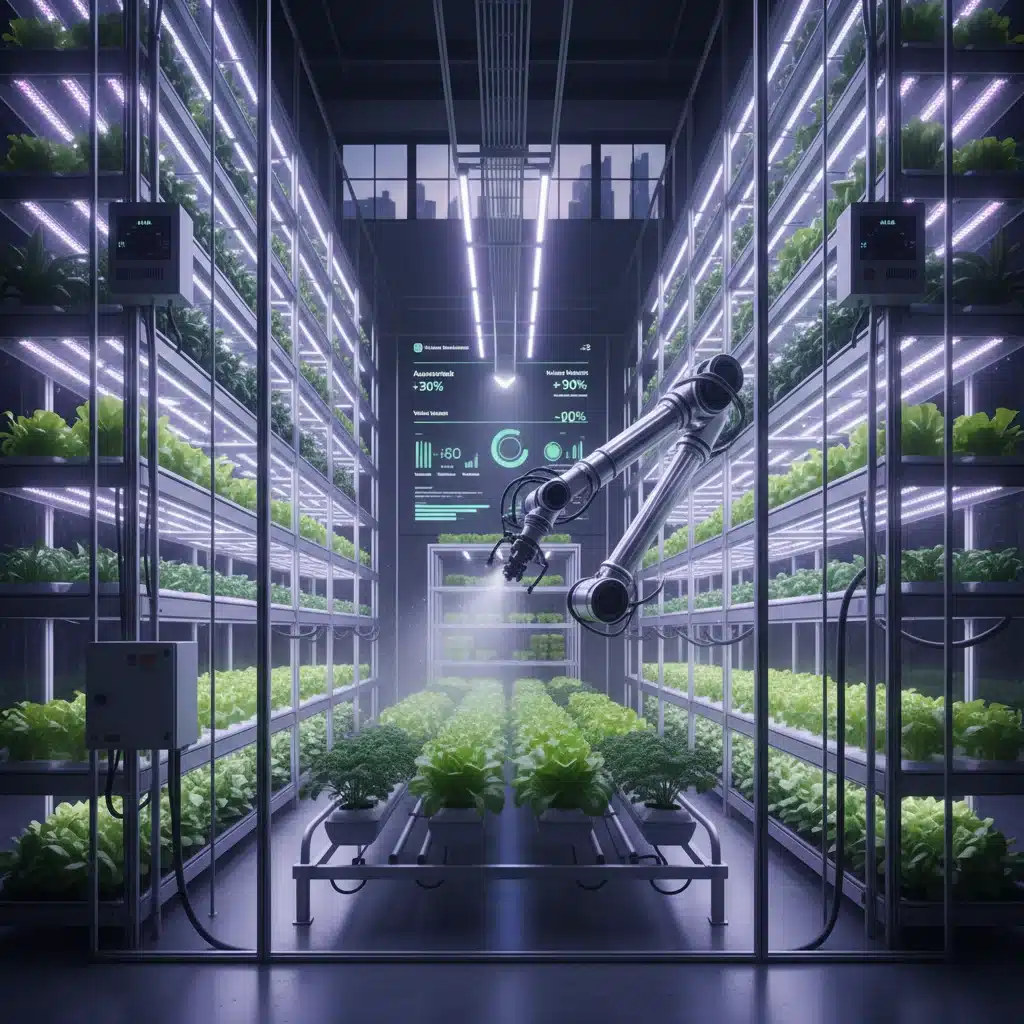
As urban populations swell and arable land becomes scarcer, vertical farming and Controlled Environment Agriculture (CEA) offer a compelling solution. These systems involve growing crops in vertically stacked layers, often indoors, under precisely controlled environmental conditions. This includes optimizing light, temperature, humidity, and nutrient delivery, typically using hydroponics or aeroponics instead of soil.
The advantages of vertical farming are numerous. Firstly, it allows for year-round crop production, regardless of external weather conditions, making food supply more resilient and predictable. Secondly, it drastically reduces the need for land and water. Vertical farms can use up to 95% less water than traditional field farming, as water is recycled within the system. Thirdly, by eliminating the need for pesticides and herbicides (due to controlled environments), vertical farms produce healthier, often organic, produce. Furthermore, locating these farms in or near urban centers significantly reduces transportation costs and carbon emissions, delivering fresher produce to consumers.
While currently more expensive to set up and operate than traditional farms, advancements in LED lighting technology, automation, and energy efficiency are rapidly driving down costs. The ability to produce high-value crops like leafy greens, herbs, and certain fruits locally and sustainably makes vertical farming a critical component of future food security. These agri-tech innovations represent a shift towards localized food systems, reducing reliance on long supply chains and enhancing food safety. The scalability and versatility of CEA mean it can be adapted to various urban settings, from repurposed warehouses to dedicated high-rise structures, truly bringing agriculture into the 21st century urban landscape. Expect to see a significant expansion of vertical farming operations as we approach 2028, particularly in densely populated areas.
4. Gene Editing and Biotechnology for Enhanced Crops
Biotechnology, specifically gene editing tools like CRISPR, is revolutionizing crop development at an unprecedented pace. Unlike traditional genetic modification (GMOs), which often involve introducing foreign DNA, gene editing allows scientists to make precise, targeted changes to a plant’s existing DNA. This enables the creation of crops with enhanced traits such as increased yield, improved nutritional value, greater resistance to pests and diseases, and enhanced tolerance to environmental stresses like drought, heat, and salinity.
For example, gene-edited crops can be engineered to be naturally resistant to common pathogens, reducing the need for chemical pesticides. Others can be designed to absorb nutrients more efficiently from the soil, requiring less fertilizer. This has significant implications for both environmental sustainability and farm profitability. The ability to fine-tune plant genetics means we can develop crops that are more resilient in the face of climate change, ensuring stable food production even in challenging conditions. These agri-tech innovations are about working with nature to unlock the full potential of plant life.
While regulatory and public acceptance issues remain, the scientific community largely agrees on the precision and safety benefits of gene editing. As understanding grows and regulations adapt, gene-edited crops are expected to play a vital role in increasing agricultural output and improving food quality. By 2028, we anticipate a wider array of gene-edited varieties reaching farmers’ fields, contributing significantly to the 25% yield increase and providing more nutritious food options for consumers. This technology holds the promise of a more robust and adaptable food system, capable of feeding a growing world population under changing environmental conditions.
5. Advanced Water Management and Irrigation Systems
Water scarcity is a growing global concern, and agriculture is the largest consumer of freshwater. Consequently, developing more efficient water management and irrigation systems is paramount. Modern agri-tech innovations in this area are focusing on minimizing water waste while ensuring optimal hydration for crops. This includes sophisticated drip irrigation systems that deliver water directly to the plant roots, reducing evaporation and runoff, combined with smart sensors and AI.
Smart irrigation systems utilize IoT sensors to monitor soil moisture levels in real-time and weather forecasts to predict future needs. AI algorithms then analyze this data to determine the precise amount and timing of water application, often adjusting automatically. This eliminates guesswork and prevents both under-watering and over-watering, both of which can harm crop health and waste resources. Satellite imagery and drone data can also be integrated to assess crop stress related to water, allowing for targeted irrigation in specific areas of a field.
Beyond active irrigation, there’s also a focus on water conservation through practices like rainwater harvesting, wastewater recycling for agricultural use (after appropriate treatment), and the development of drought-resistant crop varieties through gene editing. These comprehensive approaches to water management are vital for sustainable agriculture, especially in regions prone to drought. By significantly reducing water consumption without compromising yield, these agri-tech innovations contribute directly to both environmental sustainability and the economic viability of farming, making every drop count.
6. Blockchain for Supply Chain Transparency and Food Safety
While not directly involved in crop production, blockchain technology is emerging as a powerful tool for enhancing the agricultural supply chain. Its decentralized and immutable ledger system offers unprecedented transparency and traceability for food products from farm to fork. This means every step of a product’s journey – from planting and harvesting to processing, packaging, and distribution – can be recorded and verified on the blockchain.
The primary benefits of blockchain in agriculture include improved food safety and reduced waste. In the event of a foodborne illness outbreak, blockchain can quickly trace contaminated products back to their source, allowing for rapid recalls and minimizing public health risks. This contrasts sharply with traditional tracing methods that can take weeks, leading to widespread product removal and significant economic losses. Furthermore, consumers are increasingly demanding to know the origin and journey of their food, and blockchain provides this transparency, building trust and potentially commanding premium prices for ethically and sustainably produced goods.
Beyond safety and transparency, blockchain can also streamline supply chain logistics, reduce paperwork, and improve payment systems for farmers. Smart contracts, built on blockchain, can automate payments once certain conditions are met, ensuring timely compensation for producers. These agri-tech innovations foster greater efficiency and fairness across the entire food ecosystem, benefiting all stakeholders. By creating a more accountable and efficient supply chain, blockchain indirectly supports increased yields by reducing post-harvest losses and optimizing market access for agricultural products.
7. Alternative Protein Sources and Cellular Agriculture
The demand for protein is rising globally, but traditional livestock farming carries a significant environmental footprint. This has spurred immense innovation in alternative protein sources and cellular agriculture. These agri-tech innovations aim to provide nutritious protein with a much lower environmental impact.
Alternative proteins include plant-based meats, dairy, and eggs, which are becoming increasingly sophisticated in mimicking the taste and texture of their animal counterparts. Companies are leveraging advanced food science to create products that appeal to a wider range of consumers, not just vegetarians or vegans. The production of these alternatives generally requires significantly less land, water, and emits fewer greenhouse gases compared to conventional meat production.
Cellular agriculture, on the other hand, involves growing meat, dairy, or other animal products directly from animal cells in a laboratory setting, without the need to raise and slaughter animals. This “cultivated meat” or “lab-grown meat” is still in its nascent stages but holds immense promise. It offers the potential to produce meat with a significantly reduced environmental footprint, eliminate animal welfare concerns, and even customize nutritional profiles. While regulatory hurdles and scalability challenges remain, significant investments are pouring into this sector, and it’s expected to become a viable option for consumers within the next decade.
These alternative protein sources are not just a niche market; they are poised to become a substantial part of the global food system, diversifying our protein supply and contributing to a more sustainable future. While their direct impact on traditional agricultural yields might seem indirect, by reducing the strain on land and resources currently dedicated to livestock, they free up agricultural land for other uses and help balance the overall food production system. These agri-tech innovations are crucial for feeding a growing population sustainably.
The Collective Impact of Agri-Tech Innovations on U.S. Agriculture by 2028
The convergence of these seven agri-tech innovations paints a compelling picture for the future of U.S. agriculture. Individually, each technology offers significant advancements, but their true power lies in their synergistic application. Precision agriculture, enhanced by AI and IoT, will optimize resource use, while advanced robotics will handle labor-intensive tasks with unprecedented efficiency. Gene editing will create more resilient and productive crops, capable of thriving in a changing climate, while vertical farming will bring fresh produce closer to consumers with minimal environmental impact.
Improved water management systems will safeguard our most precious resource, and blockchain will ensure a transparent and safe food supply chain. Finally, alternative proteins will diversify our food sources, reducing the environmental footprint of protein production. Together, these advancements are projected to drive a substantial 25% increase in U.S. agricultural yield by 2028, ensuring food security, fostering economic growth in rural communities, and cementing the U.S. as a leader in sustainable food production.
This revolution will demand significant investment, research, and collaboration between farmers, technologists, policymakers, and consumers. Education and training will be essential to equip the agricultural workforce with the skills needed to operate these advanced systems. However, the benefits—a more abundant, safer, and sustainable food supply—are well worth the effort. The future of food is not just about producing more; it’s about producing better, and these agri-tech innovations are the keys to unlocking that future.
Conclusion: A Sustainable and Productive Future for Food
The journey towards a more productive and sustainable agricultural system is well underway, propelled by remarkable agri-tech innovations. The seven technologies discussed here – Precision Agriculture with AI/IoT, Advanced Robotics, Vertical Farming, Gene Editing, Smart Water Management, Blockchain, and Alternative Proteins – are not merely concepts but active forces reshaping the agricultural landscape. By 2028, their widespread adoption promises to deliver a substantial increase in U.S. agricultural yield, making our food system more resilient, efficient, and environmentally responsible.
Farmers will have access to tools that provide unprecedented control and insight into their operations, allowing them to make data-driven decisions that optimize every aspect of crop and livestock management. Consumers will benefit from fresher, safer, and more sustainably produced food options. The entire food value chain will become more transparent and efficient, reducing waste and ensuring fairness. This isn’t just about technological advancement; it’s about securing the future of food for generations to come, creating a healthier planet and a more prosperous society through smart, innovative farming. The era of transformative agri-tech innovations is here, and its impact will be profound and lasting.