Ending Hunger: 4 National Initiatives to Reduce Food Insecurity by 20% by 2026
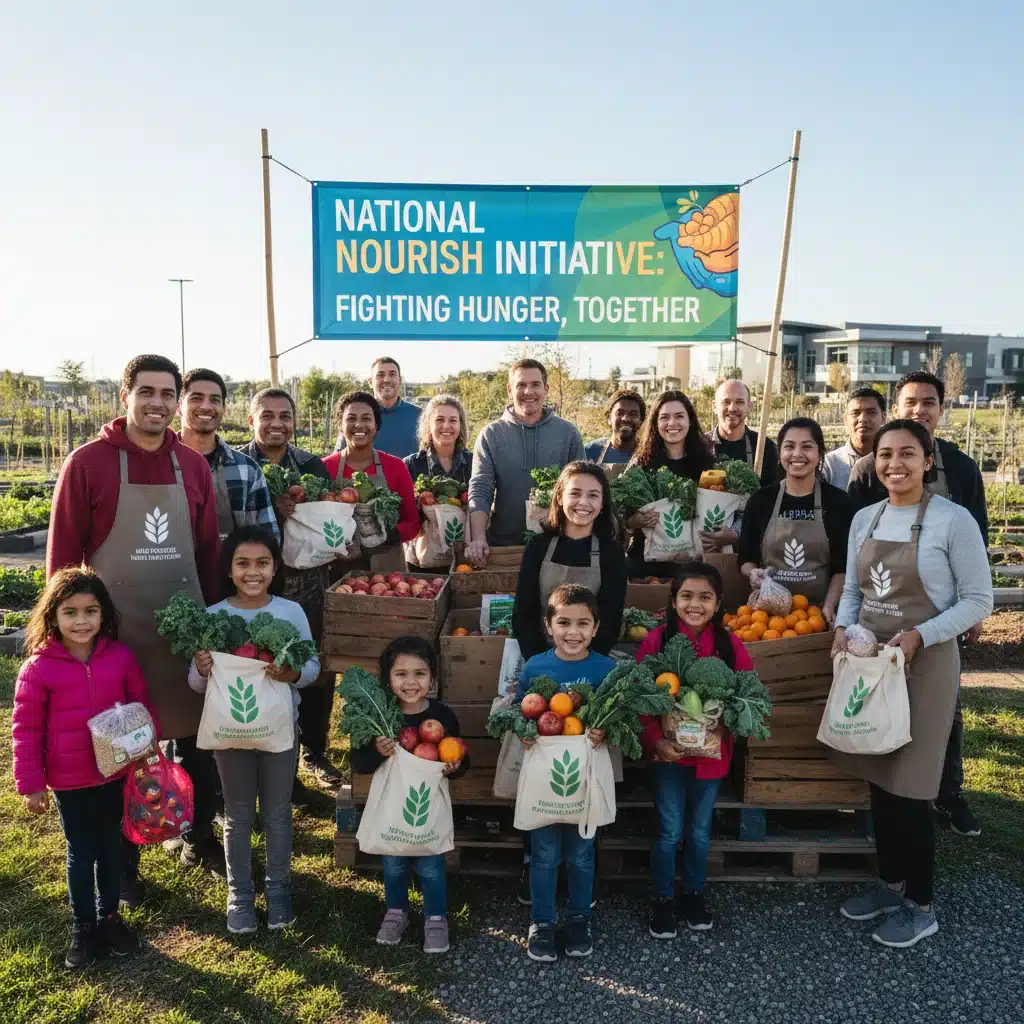
Ending Hunger: 4 National Initiatives to Reduce Food Insecurity by 20% by 20% by 2026
Food insecurity remains a pressing issue globally, affecting millions and hindering societal progress. In the United States alone, a significant portion of the population struggles to access adequate, nutritious food. The implications extend beyond immediate hunger, impacting health, education, and economic stability. Recognizing the urgency, various national initiatives have emerged with ambitious goals to significantly reduce food insecurity. This article delves into four prominent national initiatives, outlining their strategies, recent updates, and the practical solutions they offer to achieve a 20% reduction in hunger by 2026. Our focus is on understanding how these programs are making tangible differences in communities nationwide, offering hope and tangible progress towards a food-secure future.
Understanding the scope of food insecurity is the first step toward effective intervention. It’s not merely about the absence of food; it encompasses a lack of consistent access to enough food for an active, healthy life. This can stem from various factors, including poverty, unemployment, lack of affordable housing, and systemic inequities. The COVID-19 pandemic exacerbated these challenges, pushing more families into food insecurity. However, it also galvanized efforts, highlighting the critical role of robust national initiatives. These programs often leverage a multifaceted approach, combining direct food assistance with long-term solutions like economic empowerment, nutritional education, and policy advocacy. By examining these initiatives, we can gain insights into best practices and the collective effort required to tackle this complex problem.
The goal of reducing food insecurity by 20% by 2026 is ambitious but achievable, provided there is sustained commitment, adequate funding, and effective collaboration across sectors. These national initiatives are at the forefront of this battle, employing innovative strategies and adapting to evolving needs. Their success is crucial not only for the individuals and families they serve but also for the overall well-being and prosperity of the nation. As we explore each initiative, we will highlight their unique contributions and the measurable impact they aim to achieve, demonstrating practical solutions to reduce food insecurity.
1. The Supplemental Nutrition Assistance Program (SNAP) Enhancement and Modernization
The Supplemental Nutrition Assistance Program (SNAP), formerly known as food stamps, is the cornerstone of federal food assistance programs in the United States. It provides eligible low-income individuals and families with financial assistance to purchase nutritious food. While SNAP has been instrumental in alleviating hunger for decades, recent national initiatives have focused on enhancing and modernizing the program to increase its reach and effectiveness. The goal is to make SNAP more accessible, efficient, and responsive to the evolving needs of food-insecure populations, thereby significantly contributing to the effort to reduce food insecurity.
Recent Updates and Practical Solutions:
- Increased Benefit Levels: In response to rising food costs and the economic impact of recent crises, there have been efforts to permanently increase SNAP benefit levels. This ensures that beneficiaries have more purchasing power to afford a balanced diet, directly addressing a primary barrier to food security. Higher benefits mean families can buy more fresh produce, lean proteins, and whole grains, improving dietary quality.
- Streamlined Application Processes: National initiatives are pushing for simplified application and recertification processes. This includes promoting online applications, reducing documentation requirements for certain populations, and improving inter-agency data sharing to verify eligibility more efficiently. The aim is to reduce administrative burdens and make it easier for eligible individuals to enroll and maintain their benefits, ensuring that those who need help can access it without unnecessary hurdles.
- Expanded Retailer Access: Efforts are underway to expand the types of retailers that accept SNAP benefits, particularly in rural and underserved urban areas where access to grocery stores is limited. This includes supporting farmers’ markets and community-supported agriculture (CSA) programs to accept SNAP, thereby increasing access to fresh, local produce and supporting local economies. This not only helps to reduce food insecurity but also promotes healthier eating habits.
- Nutritional Education Integration: While SNAP provides financial aid, some initiatives are integrating nutritional education components. This involves providing resources and workshops on healthy eating, meal planning, and budgeting to help beneficiaries make informed food choices and maximize the nutritional impact of their SNAP benefits. This holistic approach addresses not just the quantity but also the quality of food consumed.
- Addressing Digital Divide: Recognizing that many SNAP recipients may face a digital divide, initiatives are exploring ways to provide support for online grocery shopping, including potential pilot programs for online SNAP purchases. This offers convenience and broader access to food options, especially for individuals with mobility challenges or those living in food deserts.
The modernization of SNAP is a critical step in the national effort to reduce food insecurity. By making the program more robust and user-friendly, it can serve as a stronger safety net, ensuring that more individuals and families have consistent access to nutritious food. These enhancements are not just about providing aid; they are about empowering communities and fostering long-term food security.
2. Community Food Systems and Local Sourcing Initiatives
Beyond federal programs, national initiatives are increasingly focusing on strengthening community food systems and promoting local sourcing. These approaches aim to build resilient, equitable, and sustainable food environments that empower communities to produce, process, and distribute their own food. By fostering local food economies, these initiatives seek to reduce reliance on distant supply chains, create economic opportunities, and enhance access to fresh, healthy food, thereby playing a vital role in efforts to reduce food insecurity.
Recent Updates and Practical Solutions:
- Support for Community Gardens and Urban Farms: National programs are investing in the establishment and expansion of community gardens and urban farms. These initiatives provide land, resources, and training for residents to grow their own food, fostering self-sufficiency and access to fresh produce in areas that might otherwise be food deserts. They also serve as community hubs, promoting social cohesion and educational opportunities.
- Farm-to-School and Farm-to-Table Programs: Initiatives are expanding farm-to-school and farm-to-table programs, which connect local farmers directly with schools, hospitals, and restaurants. This ensures that institutions can source fresh, local ingredients, providing healthier meals to students and patients while supporting local agricultural economies. These programs also educate consumers about the benefits of local food and sustainable farming practices.
- Food Hub Development: National efforts are supporting the creation and growth of food hubs, which are centrally located facilities that aggregate, store, process, and distribute locally sourced food. Food hubs streamline the supply chain for small and mid-sized farms, making it easier for them to reach larger markets and for institutions to purchase local produce. This infrastructure is crucial for building robust local food systems and helping to reduce food insecurity.
- Incentives for Healthy Food Retailers in Underserved Areas: Programs are providing financial incentives, grants, and technical assistance to encourage grocery stores and fresh food markets to open and thrive in low-income and rural areas. These initiatives aim to eliminate food deserts by ensuring that all communities have convenient access to affordable, nutritious food options.
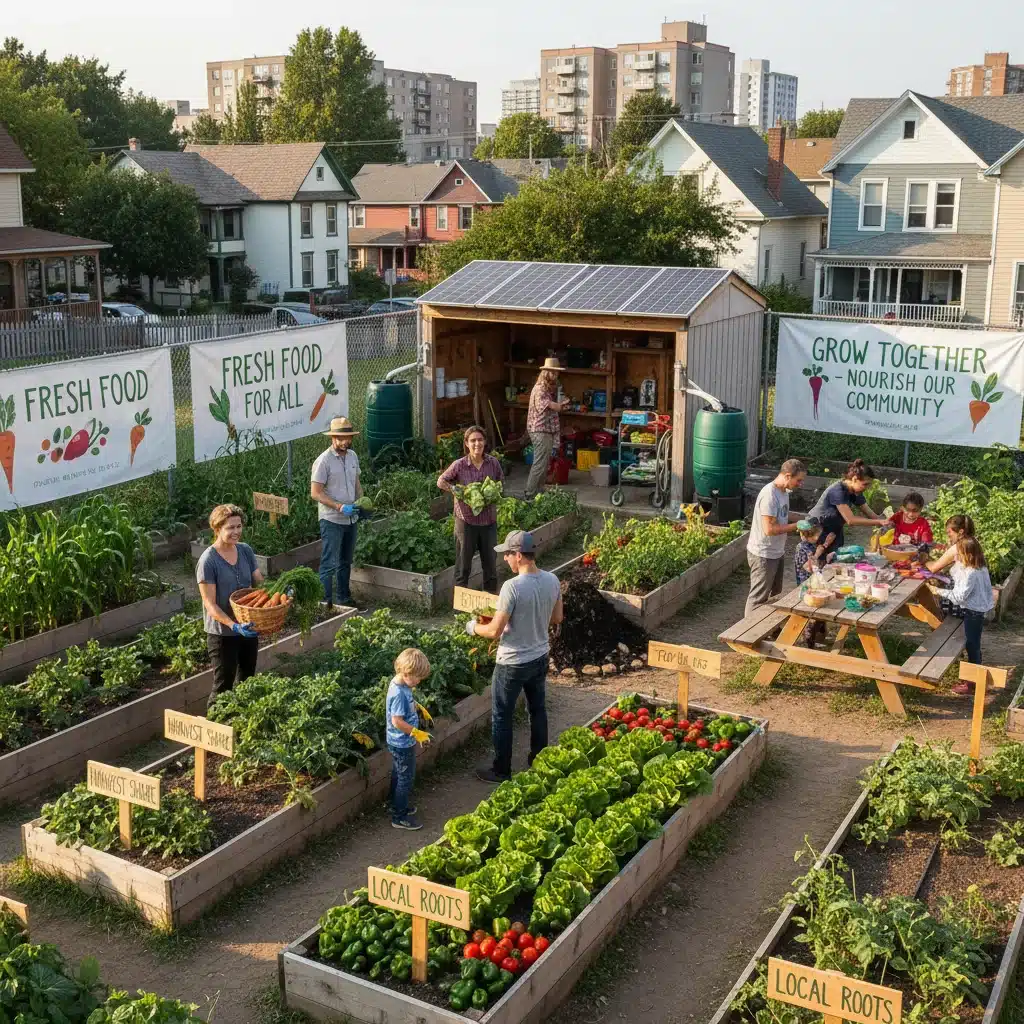
Community food systems are powerful tools for addressing food insecurity because they tackle the issue at its roots, promoting self-reliance, economic development, and healthier environments. By investing in these local initiatives, national efforts are building sustainable solutions that will continue to benefit communities long after the 2026 target, making a lasting impact on the ability to reduce food insecurity.
3. The Emergency Food Assistance Program (TEFAP) Modernization and Expansion
The Emergency Food Assistance Program (TEFAP) provides federal assistance to states for the purchase of nutritious, U.S.-grown foods. These foods are then distributed to local food banks and other emergency food providers, which in turn distribute them to individuals and families in need. TEFAP is a vital component of the national food safety net, and recent initiatives have focused on modernizing and expanding its capacity to respond more effectively to widespread food insecurity, further contributing to the goal to reduce food insecurity.
Recent Updates and Practical Solutions:
- Increased Funding and Flexibility: There have been significant efforts to increase federal funding for TEFAP, allowing states and local food banks to purchase more food and expand their operational capacity. Additionally, initiatives are promoting greater flexibility in how funds can be used, enabling food banks to respond to specific community needs, such as purchasing culturally appropriate foods or supporting mobile food pantries.
- Enhanced Storage and Distribution Infrastructure: National programs are investing in upgrading the infrastructure of food banks and emergency food providers. This includes grants for new refrigeration units, warehouse improvements, and transportation vehicles, which are essential for safely storing and distributing larger quantities of perishable foods. Improved infrastructure ensures that more fresh and healthy options can reach those in need.
- Reduced Food Waste Partnerships: Initiatives are fostering partnerships between TEFAP and food recovery organizations, as well as with grocery stores, restaurants, and farms, to rescue edible surplus food that would otherwise go to waste. This recovered food is then channeled through the TEFAP network to food-insecure individuals, simultaneously addressing food waste and increasing food availability.
- Capacity Building and Technical Assistance: National initiatives are providing technical assistance and training to food bank staff and volunteers. This includes best practices in food safety, logistics, volunteer management, and client services. Strengthening the operational capacity of emergency food providers ensures they can efficiently and effectively serve their communities, playing a crucial role in the mission to reduce food insecurity.
- Data Collection and Impact Measurement: Modernization efforts include improving data collection and reporting mechanisms within TEFAP. This allows for better tracking of food distribution, identification of unmet needs, and evaluation of the program’s overall impact. Data-driven insights help to refine strategies and allocate resources more effectively, ensuring that efforts to reduce food insecurity are evidence-based and impactful.
The modernization and expansion of TEFAP are critical for bolstering the emergency food assistance network. By providing more resources, improving infrastructure, and promoting efficiency, TEFAP can more effectively serve as a lifeline for millions, ensuring that communities have access to nutritious food during times of need and beyond. These efforts are central to the national goal of significantly reducing food insecurity by 2026.
4. Child Nutrition Programs Expansion and Accessibility
Children are particularly vulnerable to the impacts of food insecurity, which can severely affect their physical and cognitive development, academic performance, and overall well-being. National initiatives are therefore heavily focused on expanding and improving child nutrition programs, such as the National School Lunch Program (NSLP), School Breakfast Program (SBP), and Summer Food Service Program (SFSP). The goal is to ensure that all children have consistent access to nutritious meals, regardless of their family’s economic status, thereby making a profound impact on the effort to reduce food insecurity among the youngest population.
Recent Updates and Practical Solutions:
- Universal Free Meal Programs: A significant push is underway to implement universal free meal programs in schools, making breakfast and lunch free for all students, regardless of income. This eliminates the stigma associated with free and reduced-price meals, increases participation, and ensures that no child goes hungry during the school day. This approach has been shown to improve student health, concentration, and academic outcomes.
- Summer Food Service Program (SFSP) Enhancements: Initiatives are focused on expanding the reach and accessibility of the SFSP, which provides free meals to children when school is out. This includes increasing the number of meal sites, particularly in rural and underserved areas, and exploring innovative models like mobile meal delivery and grab-and-go options to overcome transportation barriers.
- Afterschool Meal Programs Expansion: Beyond the school day, national efforts are supporting the expansion of afterschool meal programs, providing nutritious snacks and suppers to children participating in extended learning or enrichment activities. These programs offer a crucial nutritional bridge, especially for children who might not have adequate food at home in the evenings.
- Streamlined Application and Eligibility: Similar to SNAP, there are ongoing efforts to simplify the application and eligibility processes for child nutrition programs. This includes advocating for direct certification based on participation in other assistance programs and reducing paperwork for families, ensuring that eligible children can easily access the meals they need.
- Emphasis on Nutrition and Dietary Guidelines: Programs are continually updated to align with the latest dietary guidelines, emphasizing whole grains, fruits, vegetables, and lean proteins, while reducing saturated fats, sodium, and added sugars. This focus on nutritional quality ensures that children receive meals that support their healthy growth and development, playing a key role in the long-term effort to reduce food insecurity.
Investing in child nutrition programs is one of the most effective ways to combat food insecurity and build a healthier future. By ensuring that children have consistent access to nutritious meals, these national initiatives are not only addressing immediate hunger but also laying the groundwork for improved health, educational attainment, and economic mobility for the next generation. These efforts are indispensable in the national drive to reduce food insecurity by 20% by 2026.
The Road Ahead: Challenges and Opportunities
While these four national initiatives offer practical solutions and demonstrate significant progress, the journey to reduce food insecurity by 20% by 2026 is not without its challenges. Economic fluctuations, climate change impacts on agriculture, and ongoing systemic inequities all pose significant hurdles. However, these challenges also present opportunities for innovation, collaboration, and sustained advocacy.
One of the primary challenges lies in ensuring equitable access across all demographics and geographic regions. Rural areas often face unique barriers, including limited access to grocery stores, transportation difficulties, and fewer community resources. Similarly, certain marginalized communities continue to experience disproportionately high rates of food insecurity due to historical and ongoing systemic injustices. Addressing these disparities requires targeted interventions and culturally sensitive approaches.
Another significant challenge is securing consistent and adequate funding. While federal programs provide a substantial foundation, they often rely on annual appropriations that can be subject to political shifts. Sustained investment, coupled with private sector partnerships and philanthropic support, is crucial for the long-term success and scalability of these initiatives. Advocacy for robust policy frameworks that prioritize food security will also be key.
The role of technology also presents both challenges and opportunities. While digital platforms can streamline applications and improve distribution logistics, the digital divide can exclude those without internet access or digital literacy. Bridging this gap through community-based support and accessible technology solutions is essential. On the opportunity side, data analytics can help identify areas of greatest need, optimize resource allocation, and measure the impact of interventions more effectively, allowing for agile responses to emerging food insecurity trends.
Furthermore, fostering greater collaboration among government agencies, non-profit organizations, private businesses, and local communities is paramount. Integrated approaches that combine direct food aid with broader strategies for economic development, job training, affordable housing, and healthcare access can create a more comprehensive and sustainable safety net. Food insecurity is often intertwined with other social determinants of health, and addressing these interconnected issues is vital for lasting change.
Public awareness and engagement also play a critical role. Educating the public about the realities of food insecurity, dispelling myths, and highlighting the positive impact of these national initiatives can galvanize support and encourage volunteerism. When communities understand the scope of the problem and the effectiveness of solutions, they are more likely to participate in and advocate for these crucial programs.
Ultimately, achieving the ambitious goal of reducing food insecurity by 20% by 2026 requires a collective commitment to innovative thinking, adaptive strategies, and unwavering dedication. The four national initiatives discussed – SNAP enhancement, community food systems, TEFAP modernization, and child nutrition programs expansion – represent powerful levers for change. Their ongoing evolution and the continuous pursuit of practical solutions offer a clear path forward. By building on their successes and addressing persistent challenges, the nation can move closer to a future where everyone has consistent access to the nutritious food they need to thrive.