Sustainable Urban Living: 4 Innovations Redefining U.S. Cities by 2030, Reducing Emissions by 10%
The urban landscape of the United States is on the cusp of a profound transformation. As populations grow and environmental concerns intensify, the imperative to develop more resilient, efficient, and livable cities has never been more urgent. The good news is that innovation is accelerating, paving the way for a future where urban centers not only thrive but also contribute significantly to global sustainability goals. By 2030, we anticipate a remarkable shift, driven by sustainable urban innovations that promise to redefine how we live, work, and interact with our environment, leading to an estimated 10% reduction in urban emissions.
This article delves into four pivotal sustainable urban innovations that are set to reshape U.S. cities, offering a glimpse into the future of urban development. From intelligent infrastructure to revolutionary building designs, these advancements are not just theoretical concepts; they are tangible solutions already being piloted and scaled across the nation. Understanding these trends is crucial for policymakers, urban planners, developers, and citizens alike, as we collectively strive towards a more sustainable and equitable urban future. The focus on sustainable urban innovations is not merely an environmental one; it encompasses economic viability, social equity, and technological advancement, creating a holistic approach to city building.
The journey towards truly sustainable urban living requires a multi-faceted approach, integrating technology, policy, and community engagement. The innovations discussed here represent significant leaps forward in each of these areas, demonstrating how integrated solutions can lead to substantial environmental benefits and an improved quality of life for urban dwellers. As we explore these transformative ideas, keep in mind the overarching goal: to create cities that are not only green but also smart, inclusive, and future-proof. The impact of these sustainable urban innovations will be far-reaching, setting new benchmarks for urban development worldwide.
1. The Rise of Smart Grids and Renewable Energy Integration
One of the most impactful sustainable urban innovations revolutionizing U.S. cities is the widespread adoption and sophisticated integration of smart grids with renewable energy sources. Traditional power grids are often inefficient, prone to outages, and heavily reliant on fossil fuels. Smart grids, however, represent a paradigm shift. They are digitally enhanced electricity networks that monitor, protect, and automatically optimize the operation of interconnected elements from supply to consumption. This intelligent infrastructure is crucial for handling the intermittent nature of renewable energy sources like solar and wind power, ensuring a stable and reliable energy supply.
By 2030, many U.S. cities are projected to have significantly advanced their smart grid capabilities. This includes real-time data analytics for energy consumption, predictive maintenance to prevent failures, and dynamic pricing models that encourage off-peak usage, thereby reducing overall demand during peak hours. Furthermore, the integration of distributed energy resources (DERs) such as rooftop solar panels, community batteries, and electric vehicle charging stations will transform consumers into ‘prosumers’ – both producers and consumers of energy. This decentralization of power generation enhances grid resilience and reduces reliance on large, centralized power plants, which are often major emitters of greenhouse gases.
The environmental benefits of smart grids are substantial. By optimizing energy distribution and minimizing waste, smart grids contribute directly to a reduction in carbon emissions. When coupled with a growing proportion of renewable energy in the mix, this effect is amplified. Cities like Austin, Texas, and Burlington, Vermont, are already demonstrating leadership in this area, investing heavily in renewable energy infrastructure and smart grid technologies. The goal is not just to generate cleaner energy but to use it more efficiently, ensuring that every kilowatt-hour serves its purpose with minimal environmental footprint. This synergy between smart technology and clean energy is a cornerstone of sustainable urban innovations.
Beyond environmental gains, smart grids offer economic advantages. Reduced energy waste translates to lower utility bills for residents and businesses. Increased grid resilience means fewer power outages, which can be costly for businesses and disruptive for daily life. Moreover, the development and deployment of smart grid technologies create new jobs in engineering, IT, and renewable energy sectors. This economic stimulus further strengthens the case for investing in these sustainable urban innovations. The transition to a smart, renewable-powered grid is a complex undertaking, requiring significant investment and policy support, but the long-term benefits for urban sustainability are undeniable.
A key aspect of smart grid development is the role of advanced metering infrastructure (AMI). These smart meters provide detailed, real-time consumption data, empowering consumers to make informed decisions about their energy use. They also enable utilities to detect outages more quickly and efficiently, improving response times and overall grid reliability. The data collected from AMI can be leveraged for urban planning, helping cities identify areas with high energy demand and target interventions for energy efficiency improvements. This data-driven approach is fundamental to maximizing the impact of sustainable urban innovations.
Furthermore, the concept of microgrids is gaining traction within the broader smart grid framework. Microgrids are localized grids that can disconnect from the traditional grid and operate autonomously, providing power to a specific area during emergencies or outages. This enhances energy security and resilience, particularly in critical facilities like hospitals or emergency shelters. Integrating renewable energy sources directly into microgrids further boosts their sustainability credentials. These localized solutions represent another layer of sustainable urban innovations, building a more robust and adaptable energy infrastructure for urban environments.
Ultimately, the widespread adoption of smart grids and deep integration of renewable energy sources will be a defining feature of sustainable U.S. cities by 2030. This transformation will not only reduce carbon emissions by a significant margin but also create more resilient, efficient, and economically vibrant urban centers. It’s a testament to the power of technology and strategic planning in addressing the pressing challenges of climate change and urban growth, solidifying its place among the most impactful sustainable urban innovations.

2. Advanced Green Building Standards and Retrofitting
The built environment is a major contributor to global carbon emissions, primarily through energy consumption for heating, cooling, and lighting. Consequently, advanced green building standards and extensive retrofitting initiatives are emerging as critical sustainable urban innovations. By 2030, we expect to see a dramatic increase in the construction of new buildings adhering to stringent green certifications (like LEED Platinum or Passive House standards) and an aggressive push to retrofit existing structures to improve their energy performance.
New green buildings are designed from the ground up with sustainability in mind. This includes optimizing natural light and ventilation, using high-performance insulation, installing energy-efficient HVAC systems, and integrating renewable energy sources such as rooftop solar panels. Material selection is also crucial, favoring recycled, locally sourced, and low-impact materials. Water conservation measures, such as rainwater harvesting and greywater recycling, are standard features. These designs not only reduce operational energy consumption but also minimize the embodied carbon associated with construction.
However, new construction alone won’t achieve the necessary emission reductions. The vast majority of buildings that will exist in 2030 have already been built. This makes retrofitting existing structures a paramount sustainable urban innovation. Retrofitting involves upgrading older buildings with modern energy-efficient technologies and materials. This can range from simple measures like sealing air leaks and upgrading windows to more complex installations of advanced insulation, smart building management systems, and on-site renewable energy generation.
Cities are implementing various incentives to encourage green building and retrofitting, including tax breaks, subsidies, and streamlined permitting processes. For example, New York City’s Local Law 97 mandates emissions reductions for large buildings, pushing owners to invest in energy efficiency upgrades. Such policies are vital drivers for these sustainable urban innovations. The economic benefits are clear: lower energy bills for building occupants, increased property values, and the creation of jobs in the green construction and renovation sectors.
Beyond energy efficiency, green buildings often incorporate features that enhance the health and well-being of occupants, such as improved indoor air quality, access to natural light, and connections to green spaces. This holistic approach to building design and renovation underscores the broader benefits of sustainable urban innovations, extending beyond environmental impact to human flourishing. The adoption of advanced green building standards and widespread retrofitting is not just an environmental necessity but a strategic investment in the future livability and economic vitality of urban areas.
The role of technology in advanced green building standards cannot be overstated. Building Information Modeling (BIM) allows for comprehensive design, construction, and operation planning, optimizing material use and energy performance from the outset. Smart building management systems (BMS) utilize sensors and data analytics to control lighting, HVAC, and security systems, dynamically adjusting to occupancy and external conditions to minimize energy waste. These technologies are integral to achieving the ambitious sustainability goals set for 2030, making green buildings smarter and more efficient. Such technological integration is a hallmark of effective sustainable urban innovations.
Furthermore, the circular economy principles are increasingly being applied to the built environment. This means designing buildings for deconstruction, where components can be easily reused or recycled at the end of their life cycle, rather than ending up in landfills. Manufacturers are also developing more sustainable building materials, such as low-carbon concrete, engineered timber, and recycled steel, further reducing the environmental footprint of construction. These advancements in materials and design philosophy are crucial components of next-generation sustainable urban innovations.
The push for advanced green building standards and comprehensive retrofitting is a testament to the growing understanding that our buildings are not just structures but active participants in the urban ecosystem. By transforming them into energy-efficient, resource-conscious, and health-promoting assets, cities can significantly reduce their environmental impact and improve the quality of life for their residents. This sector represents a massive opportunity for emission reduction and a key pillar of sustainable urban innovations.
3. Integrated Public Transportation and Micromobility Networks
Transportation is another major source of urban emissions. By 2030, U.S. cities will see significant advancements in integrated public transportation and micromobility networks, representing a crucial suite of sustainable urban innovations. The goal is to reduce reliance on single-occupancy vehicles by offering convenient, efficient, and eco-friendly alternatives for getting around.
Integrated public transportation networks will leverage advanced digital technologies to provide seamless travel experiences. This includes real-time tracking of buses and trains, predictive analytics for route optimization, and unified payment systems that work across different modes of transport. High-frequency, electric-powered public transit options, such as light rail and electric bus fleets, will become more prevalent, significantly cutting down on tailpipe emissions and noise pollution. Cities like Los Angeles and Seattle are already investing heavily in expanding their public transit infrastructure and electrifying their fleets.
Micromobility solutions, including electric scooters, e-bikes, and bike-sharing programs, will complement public transit by providing efficient ‘last-mile’ connectivity. These options are particularly effective for shorter distances, reducing the need for cars for quick errands or commutes. The integration of micromobility with public transit means that commuters can easily switch between modes, extending the reach of public transport and making car ownership less necessary. Dedicated bike lanes and safe pedestrian infrastructure are essential to support the growth of these sustainable urban innovations.
The impact on emissions is direct and substantial. By shifting commuters from gasoline-powered cars to electric public transit and micromobility options, cities can dramatically reduce their carbon footprint. Furthermore, reduced traffic congestion leads to less idling, which further cuts down on emissions and improves air quality. Beyond environmental benefits, improved public transportation and micromobility enhance urban livability by reducing traffic stress, freeing up space previously dedicated to parking, and promoting physical activity.
Policy support is critical for the success of these sustainable urban innovations. This includes investing in infrastructure, regulating micromobility services to ensure safety and accessibility, and implementing congestion pricing or low-emission zones to disincentivize private vehicle use in core urban areas. The vision for 2030 is a city where moving around is effortless, affordable, and environmentally responsible, powered by a diverse and interconnected network of transportation options.
The concept of ‘Mobility as a Service’ (MaaS) is central to this integration. MaaS platforms combine various transportation options – public transit, ride-sharing, bike-sharing, and even car-sharing – into a single, user-friendly application. This allows users to plan, book, and pay for their entire journey across multiple modes, making the most efficient and sustainable choice easier. By simplifying access to diverse transport options, MaaS platforms are powerful enablers of sustainable urban innovations, encouraging a shift away from private car ownership.
Furthermore, the development of autonomous electric vehicles (AEVs) is poised to further revolutionize urban transportation. While still in nascent stages for widespread public use, AEVs could potentially be integrated into shared fleet services, operating on demand and optimizing routes to minimize empty miles. This could drastically reduce the number of vehicles on the road, parking requirements, and overall emissions, especially if powered by renewable electricity. The ethical and regulatory challenges are significant, but the potential for AEVs as a sustainable urban innovations component is immense.
The transformation of urban transportation networks is not just about moving people more efficiently; it’s about reimagining urban spaces. Reduced reliance on private cars opens up opportunities for more green spaces, pedestrian-friendly areas, and community hubs. This holistic approach to urban planning, driven by advanced transportation solutions, is a cornerstone of creating truly livable and sustainable cities by 2030, making it a vital element of sustainable urban innovations.
4. Urban Greening and Resilient Infrastructure for Climate Adaptation
As climate change brings more extreme weather events, U.S. cities are increasingly focusing on urban greening and developing resilient infrastructure as essential sustainable urban innovations. These initiatives not only reduce emissions but also help cities adapt to the unavoidable impacts of a changing climate, such as heatwaves, floods, and droughts.
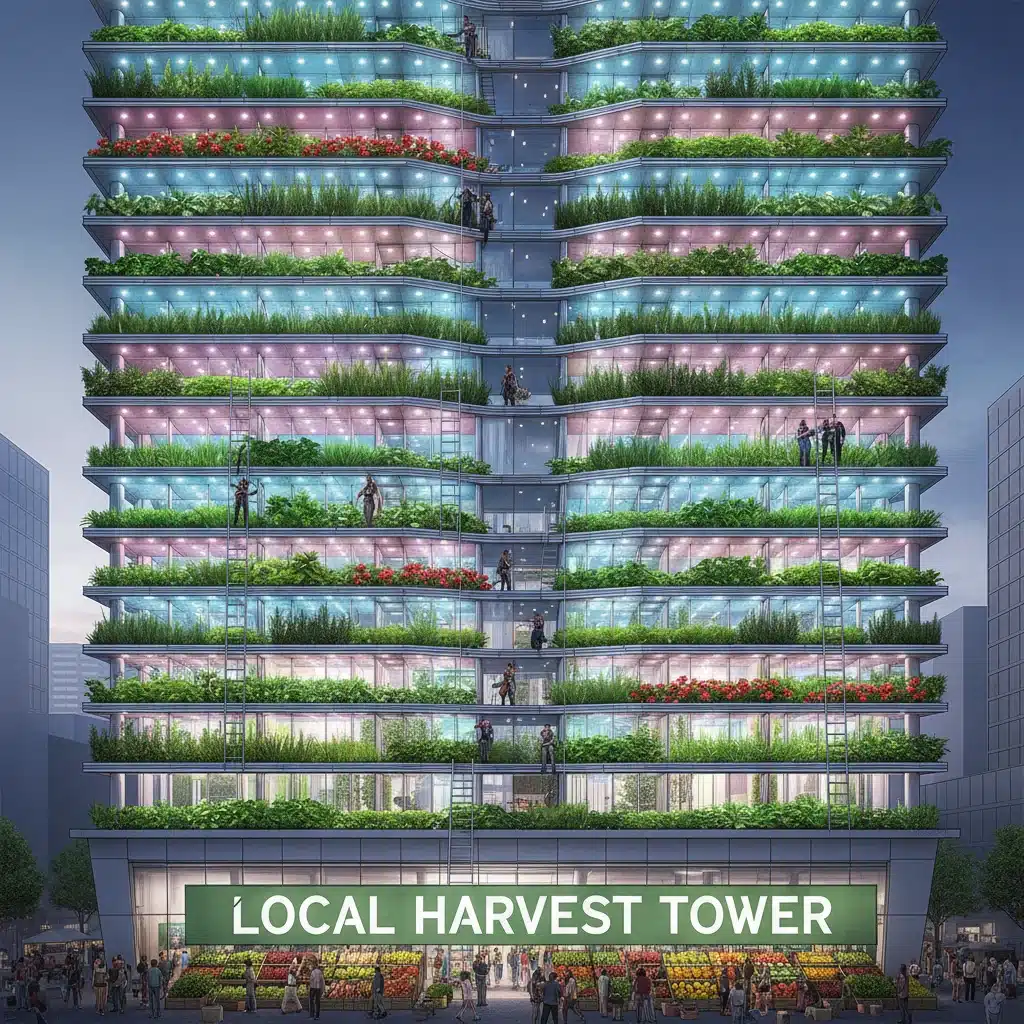
Urban greening encompasses a wide range of strategies, including expanding parks and green spaces, planting street trees, developing green roofs and living walls, and creating urban farms. These initiatives provide multiple benefits. Trees and green spaces help cool urban areas, mitigating the ‘urban heat island effect’ and reducing the need for air conditioning, thereby cutting energy consumption and emissions. They also improve air quality by absorbing pollutants and sequestering carbon dioxide. Furthermore, green infrastructure enhances biodiversity, provides recreational opportunities, and improves mental well-being for residents.
Resilient infrastructure focuses on designing and upgrading urban systems to withstand and recover quickly from climate-related shocks. This includes developing permeable pavements and bioswales to manage stormwater runoff and prevent flooding, upgrading wastewater treatment plants to cope with increased rainfall, and fortifying coastal defenses against rising sea levels. Investing in natural infrastructure, such as restored wetlands and mangroves, can also provide cost-effective protection against coastal erosion and storm surges, further enhancing the impact of sustainable urban innovations.
By 2030, many U.S. cities will have integrated these green and resilient infrastructure solutions into their comprehensive urban planning. For example, cities like Portland, Oregon, have pioneered extensive green stormwater infrastructure programs, while others are investing in large-scale urban forestry initiatives. The integration of nature-based solutions into urban design is a powerful example of how sustainable urban innovations can yield multiple co-benefits, from environmental protection to public health and economic resilience.
The economic rationale for urban greening and resilient infrastructure is compelling. Preventing flood damage, reducing energy consumption for cooling, and improving public health all lead to significant cost savings. Moreover, these projects create local jobs in landscape architecture, ecological restoration, and civil engineering. As cities face increasing climate risks, these sustainable urban innovations are not just desirable but essential for long-term urban sustainability and prosperity.
Community engagement is a vital component of successful urban greening initiatives. Involving residents in the planning, planting, and maintenance of green spaces fosters a sense of ownership and ensures that these interventions meet local needs. Community gardens and urban farms not only provide fresh, local produce but also strengthen social ties and educate residents about sustainable food systems. This participatory approach ensures that sustainable urban innovations are truly integrated into the social fabric of the city.
Furthermore, the concept of ‘sponge cities’ is gaining traction, particularly in areas prone to heavy rainfall. Sponge cities are designed to absorb, store, and purify rainwater through a combination of green infrastructure elements like permeable surfaces, green roofs, rain gardens, and urban wetlands. This approach reduces the burden on conventional drainage systems, mitigates urban flooding, and replenishes groundwater tables. Implementing sponge city principles is a sophisticated and effective form of sustainable urban innovations that addresses water management challenges head-on.
Ultimately, urban greening and resilient infrastructure are about creating cities that are not only beautiful and healthy but also capable of thriving in the face of environmental challenges. These sustainable urban innovations are fundamental to ensuring the long-term viability and livability of U.S. urban centers, providing a protective shield against climate change while enhancing the overall quality of urban life.
The Cumulative Impact and Path Forward
The four sustainable urban innovations discussed – smart grids and renewable energy integration, advanced green building standards and retrofitting, integrated public transportation and micromobility networks, and urban greening and resilient infrastructure – are not isolated solutions. Their true power lies in their synergistic application. When implemented together, they create a virtuous cycle of sustainability, where each innovation amplifies the positive effects of the others, leading to a cumulative impact far greater than the sum of their individual parts.
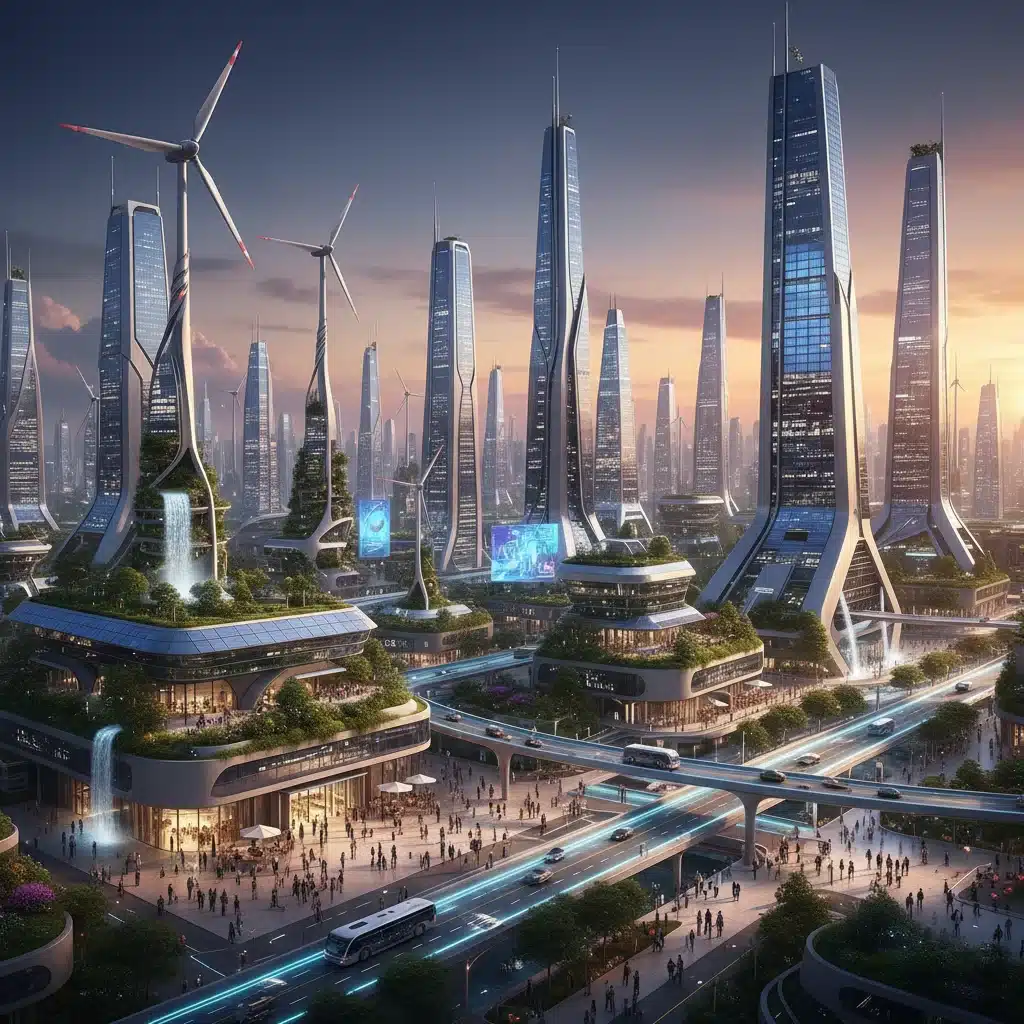
Imagine a city where buildings generate their own clean energy, sharing surplus with a smart grid that intelligently distributes power. Commuters navigate seamlessly through integrated public transit and micromobility options, rarely needing a personal car. Green spaces abound, cooling the city, cleaning the air, and managing stormwater, all while the underlying infrastructure is designed to withstand future climate shocks. This vision, powered by sustainable urban innovations, is not a distant dream but an achievable reality by 2030 for many U.S. cities.
Achieving the ambitious goal of a 10% reduction in urban emissions by 2030 will require concerted effort from all stakeholders: government, industry, academia, and citizens. It demands bold policy decisions, significant investment in research and development, and a commitment to public-private partnerships. Education and awareness campaigns will also be crucial to foster a culture of sustainability and encourage adoption of new technologies and behaviors. The collective embracing of sustainable urban innovations is paramount.
The benefits extend beyond environmental protection. These innovations promise to create more equitable cities, with better access to clean energy, efficient transportation, healthy environments, and green jobs. They will enhance public health, foster community engagement, and boost local economies, making cities more attractive places to live and work. The focus on sustainable urban innovations is therefore a holistic strategy for urban prosperity.
As we look towards 2030, the trajectory for U.S. cities is clear: a rapid acceleration towards sustainable urban living. The innovations highlighted here are leading the charge, offering practical, scalable solutions to some of the most pressing challenges of our time. By embracing these advancements, cities can not only reduce their environmental footprint but also build more resilient, vibrant, and equitable communities for generations to come. The future of urban America is green, smart, and sustainable, driven by continuous sustainable urban innovations.