The landscape of how we move, work, and live is undergoing a monumental transformation. By 2026, the confluence of electric vehicles (EVs) and advanced public transit systems will not merely alter our commutes; it will fundamentally reshape societal structures, economic paradigms, and our relationship with the environment. This article delves into the profound societal shifts driven by these innovations, offering recent updates, comparisons, and analyses to paint a vivid picture of the future of transportation shifts.
The era of combustion engines, with its attendant noise, pollution, and traffic congestion, is steadily giving way to a cleaner, more efficient, and interconnected mobility ecosystem. This shift is not a distant dream but a tangible reality unfolding rapidly, with significant implications for urban planning, economic development, and individual lifestyles. Understanding these future transportation shifts is crucial for policymakers, businesses, and citizens alike.
The Dawn of Electrification: Reshaping Urban Environments and Personal Mobility
Electric vehicles, once a niche market, are now mainstream. Technological advancements in battery life, charging infrastructure, and manufacturing efficiency have propelled EVs into the forefront of personal and commercial transportation. By 2026, we anticipate a significant increase in EV adoption, which will have cascading effects on urban environments.
Reduced Pollution and Improved Air Quality
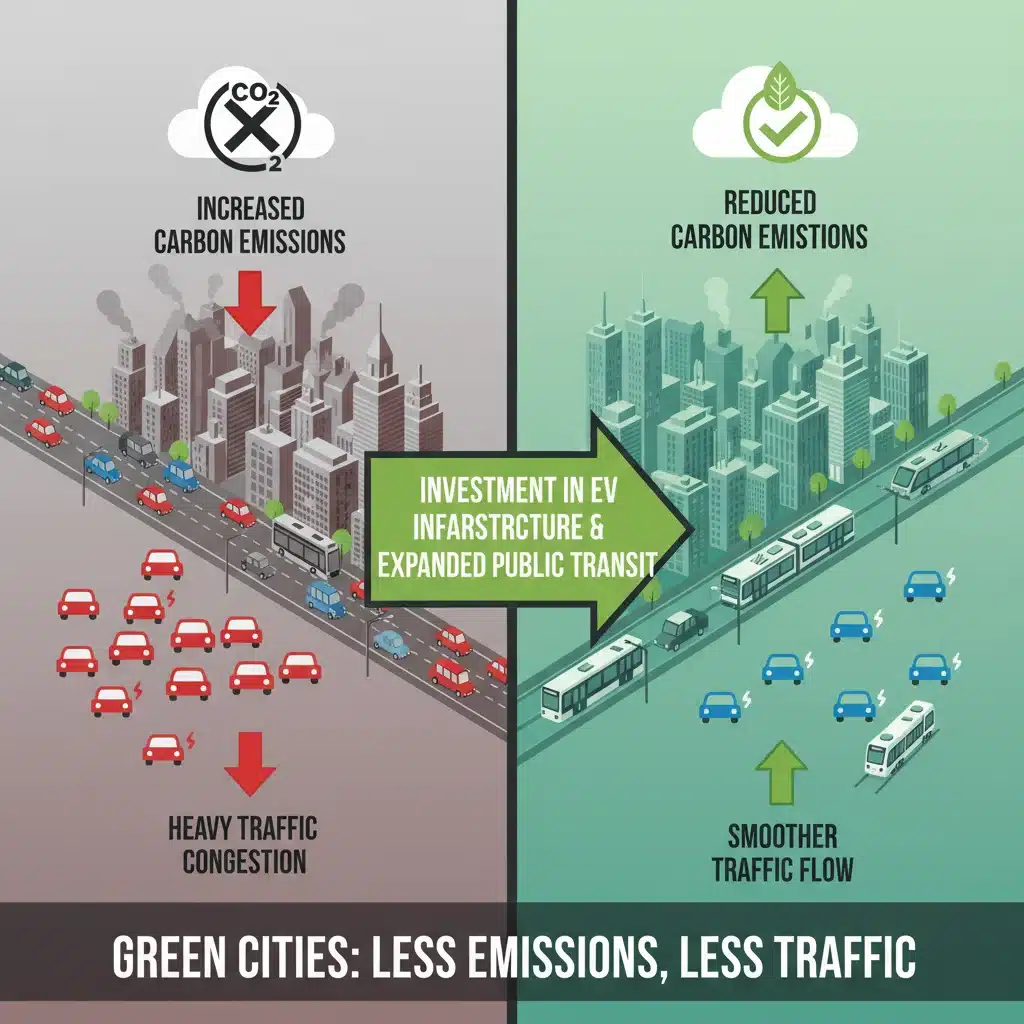
One of the most immediate and impactful future transportation shifts brought by widespread EV adoption is the dramatic reduction in urban air pollution. Traditional gasoline and diesel vehicles are major contributors to smog, particulate matter, and greenhouse gas emissions. As EVs replace internal combustion engine (ICE) vehicles, cities will experience cleaner air, leading to improved public health outcomes, fewer respiratory illnesses, and a higher quality of life for urban dwellers. This environmental benefit is a cornerstone of the sustainable future of transportation shifts.
Noise Reduction and Quieter Cities
Beyond air quality, EVs offer the distinct advantage of silent operation. The pervasive hum and roar of city traffic, a constant irritant in urban life, will gradually diminish. Quieter streets will not only enhance the living experience for residents but also open up new possibilities for urban design, allowing for more pedestrian-friendly zones and outdoor activities without the constant backdrop of engine noise. This subtle yet significant change will contribute to a more peaceful and livable urban landscape, marking a key aspect of future transportation shifts.
Decentralized Energy Grids and Smart Charging
The rise of EVs necessitates a robust charging infrastructure. This demand is spurring innovation in energy management, leading to more decentralized and intelligent grids. Smart charging systems will allow EVs to charge during off-peak hours, utilize renewable energy sources, and even feed electricity back into the grid (vehicle-to-grid or V2G technology) during peak demand, essentially turning a fleet of EVs into a massive distributed energy storage system. This integration of transportation and energy sectors represents a significant future transportation shift, fostering greater energy resilience and sustainability.
Urban Planning Redefined: Less Parking, More Green Spaces
With the advent of autonomous electric vehicles and ride-sharing services, the need for extensive parking infrastructure in urban centers could diminish. Dedicated parking lots, garages, and street parking spaces might be repurposed into green areas, parks, pedestrian zones, or even affordable housing. This reallocation of valuable urban real estate could lead to more aesthetically pleasing, functional, and environmentally friendly cities. The concept of “parking deserts” becoming “urban oases” is a tangible future transportation shift that urban planners are already considering.
Public Transit Renaissance: Connectivity and Equity in Mobility
While EVs revolutionize personal mobility, public transit systems are simultaneously undergoing a renaissance, driven by technological advancements, increased investment, and a growing recognition of their role in sustainable urban development. The future of transportation shifts also heavily relies on robust public transit.
High-Speed Rail and Intercity Connectivity
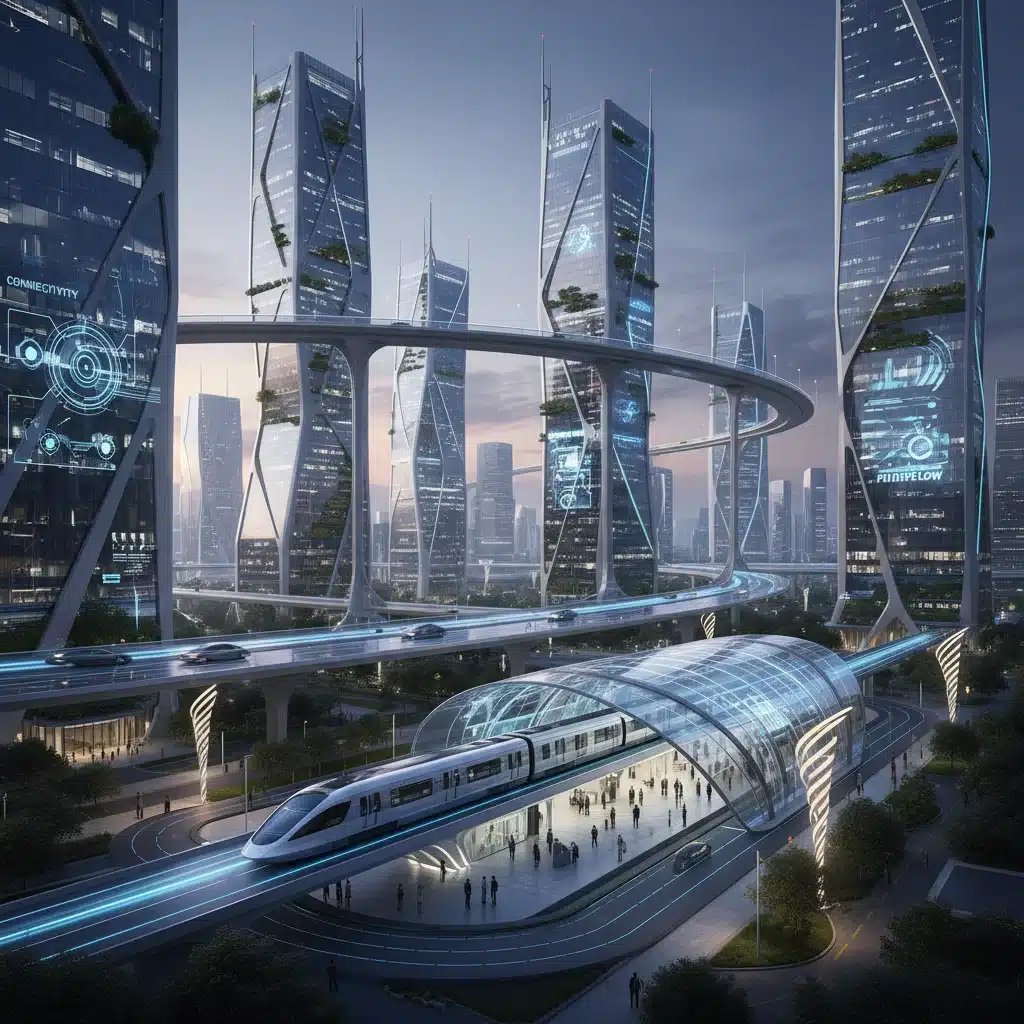
Beyond urban boundaries, high-speed rail networks are expanding, connecting major cities and reducing reliance on short-haul flights and intercity car travel. This shift offers a more environmentally friendly, efficient, and often more comfortable mode of intercity transportation. By 2026, we expect to see further integration of these networks, making regional travel seamless and fostering economic growth in connected areas. This is a crucial element of the broader future transportation shifts.
Integrated Multimodal Transportation Networks
The future of public transit is not just about buses and trains; it’s about seamless integration of various modes of transport. Mobility-as-a-Service (MaaS) platforms are emerging, allowing users to plan, book, and pay for journeys combining public transit, ride-sharing, bike-sharing, and even micro-mobility options like electric scooters through a single application. This level of integration simplifies urban travel, reduces friction, and encourages people to forgo private car ownership, contributing significantly to future transportation shifts.
Enhanced Accessibility and Social Equity
Modern public transit systems are designed with a strong emphasis on accessibility, ensuring that people of all ages and abilities can navigate urban spaces independently. This includes features like ramp access, audible announcements, and real-time information displays. Furthermore, affordable and efficient public transit provides equitable access to employment, education, and healthcare for all segments of society, particularly those who cannot afford private vehicles. This focus on equity is a powerful driver of future transportation shifts.
The Role of Autonomous Public Transit
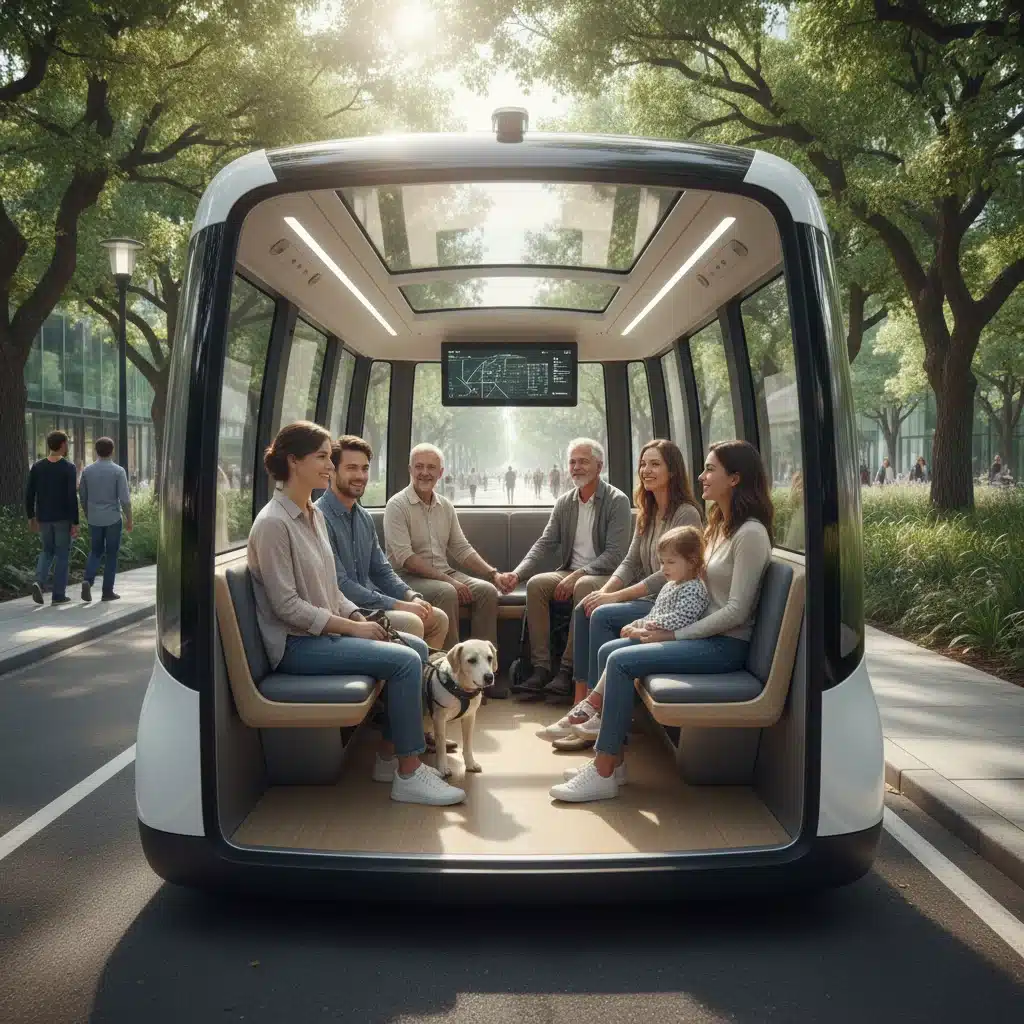
Autonomous technology is not limited to private vehicles. Driverless shuttles and buses are already being piloted in various cities, promising increased efficiency, reduced operational costs, and enhanced safety for public transit. These autonomous vehicles can operate on demand, optimizing routes and schedules to better serve passenger needs, especially in areas traditionally underserved by fixed-route transit. The integration of autonomous public transit will be a game-changer in future transportation shifts.
Societal Shifts: Beyond the Commute
The impact of these future transportation shifts extends far beyond how we get from point A to point B. They are catalysts for profound societal changes that will redefine urban living, economic structures, and even our social interactions.
Redefined Urban Living and Smart Cities
As cities adapt to electric vehicles and advanced public transit, we will see a fundamental rethinking of urban design. The focus will shift towards creating “15-minute cities” where essential services, work, and leisure are all accessible within a short walk, bike ride, or public transit journey. This reduces the need for long commutes and fosters stronger, more localized communities. Smart city technologies, including intelligent traffic management, interconnected sensors, and data analytics, will optimize urban flows, further enhancing efficiency and livability. These are the hallmarks of future transportation shifts in urban planning.
Economic Restructuring and New Job Markets
The transition to EVs and advanced public transit will inevitably lead to economic restructuring. While some traditional industries, such as fossil fuel production and ICE vehicle manufacturing, may contract, new industries will emerge and expand. This includes battery technology, charging infrastructure development, renewable energy generation, autonomous vehicle software, and smart city infrastructure. This shift will create new job opportunities and demand for specialized skills, necessitating significant investment in education and workforce retraining programs. Understanding these economic future transportation shifts is vital for policy makers.
Environmental Sustainability and Climate Action
Perhaps the most critical societal shift is the profound impact on environmental sustainability. By significantly reducing greenhouse gas emissions from the transportation sector, EVs and efficient public transit play a crucial role in mitigating climate change. This commitment to sustainable mobility aligns with global efforts to achieve net-zero emissions and build a greener future. The adoption of these technologies is not just an economic or convenience choice; it is an environmental imperative, driving the most significant future transportation shifts.
Challenges and Opportunities on the Road Ahead
While the vision for future transportation shifts is bright, the path forward is not without its challenges. Addressing these challenges presents significant opportunities for innovation and collaboration.
Infrastructure Investment
The widespread adoption of EVs requires massive investment in charging infrastructure, including public charging stations, home chargers, and workplace charging. Similarly, expanding and upgrading public transit networks, especially high-speed rail and autonomous systems, demands substantial capital and long-term planning. Governments and private sector partners must collaborate to ensure this infrastructure keeps pace with demand. This is a critical factor for successful future transportation shifts.
Technological Integration and Standardization
Ensuring seamless integration across various mobility platforms, from EV charging networks to MaaS applications, requires robust technological standards and interoperability. Data sharing protocols, cybersecurity measures, and user-friendly interfaces are essential for creating a truly interconnected mobility ecosystem. Standardization will accelerate the adoption of future transportation shifts.
Behavioral Change and Public Acceptance
Convincing individuals to shift from private car ownership to shared mobility, public transit, or EVs requires more than just infrastructure; it requires a change in mindset and habits. Incentives, public awareness campaigns, and demonstrating the tangible benefits of these new modes of transport are crucial for fostering public acceptance and driving future transportation shifts.
Addressing Equity and Affordability
While public transit aims to enhance equity, the initial cost of EVs can still be a barrier for many. Policies that promote affordability, such as subsidies, tax breaks, and accessible financing options, are vital to ensure that the benefits of the future transportation shifts are accessible to all segments of society, preventing a “two-tiered” mobility system.
Recent Updates and Comparative Analysis (2026 Outlook)
As we look towards 2026, several key trends and comparisons highlight the accelerating pace of these future transportation shifts:
- EV Market Share Surge: Projections indicate that by 2026, EVs could account for a significant percentage of new car sales globally, potentially exceeding 25-30% in leading markets. This is a substantial leap from current figures, driven by expanding model availability, competitive pricing, and supportive government policies.
- Public Transit Ridership Rebound: Post-pandemic, public transit ridership is expected to fully rebound and surpass pre-pandemic levels in many urban areas, fueled by improved service, smart technology integration, and growing environmental consciousness. Cities that invested in contactless payment and real-time tracking during the pandemic are seeing faster recovery.
- Battery Technology Advancements: By 2026, solid-state batteries are anticipated to move closer to commercial viability, offering greater energy density, faster charging, and enhanced safety compared to current lithium-ion batteries. This will significantly boost EV range and reduce charging times, further accelerating future transportation shifts.
- Autonomous Vehicle Deployment: While fully autonomous Level 5 vehicles may still be some years away for widespread personal use, Level 4 autonomous public transit shuttles and commercial delivery vehicles are expected to see broader deployment in controlled environments and designated urban routes by 2026.
- Micro-mobility Integration: The integration of e-scooters and e-bikes into MaaS platforms will become more sophisticated, offering dynamic pricing and optimized routing that seamlessly connects with larger public transit networks, providing efficient “last-mile” solutions.
Comparing the progress of different regions, countries like Norway and China are leading in EV adoption rates due to strong government incentives and robust charging infrastructure. European cities are often at the forefront of public transit innovation, with integrated MaaS platforms and extensive cycling networks. North America is catching up, with significant investments in EV charging and renewed focus on urban public transit expansion. These regional disparities highlight the varying paces of future transportation shifts globally.
Conclusion: Embracing the Future of Transportation Shifts
The year 2026 marks a critical juncture in the evolution of transportation. The synergistic advancements in electric vehicles and public transit are not just technological marvels; they are engines of profound societal change. From cleaner air and quieter cities to more equitable access to opportunities and a renewed commitment to environmental sustainability, the future of transportation shifts promises a more connected, efficient, and livable world.
Embracing these changes requires foresight, investment, and a collaborative spirit among governments, industries, and communities. By actively shaping these future transportation shifts, we can build cities that are not only smarter and more sustainable but also more human-centric, where mobility enhances rather than detracts from the quality of life. The journey towards this future is already underway, and the next few years will be pivotal in determining its ultimate shape and impact.