Smart Cities 2.0: US Infrastructure Integrating IoT for 15% Efficiency Boost by 2028
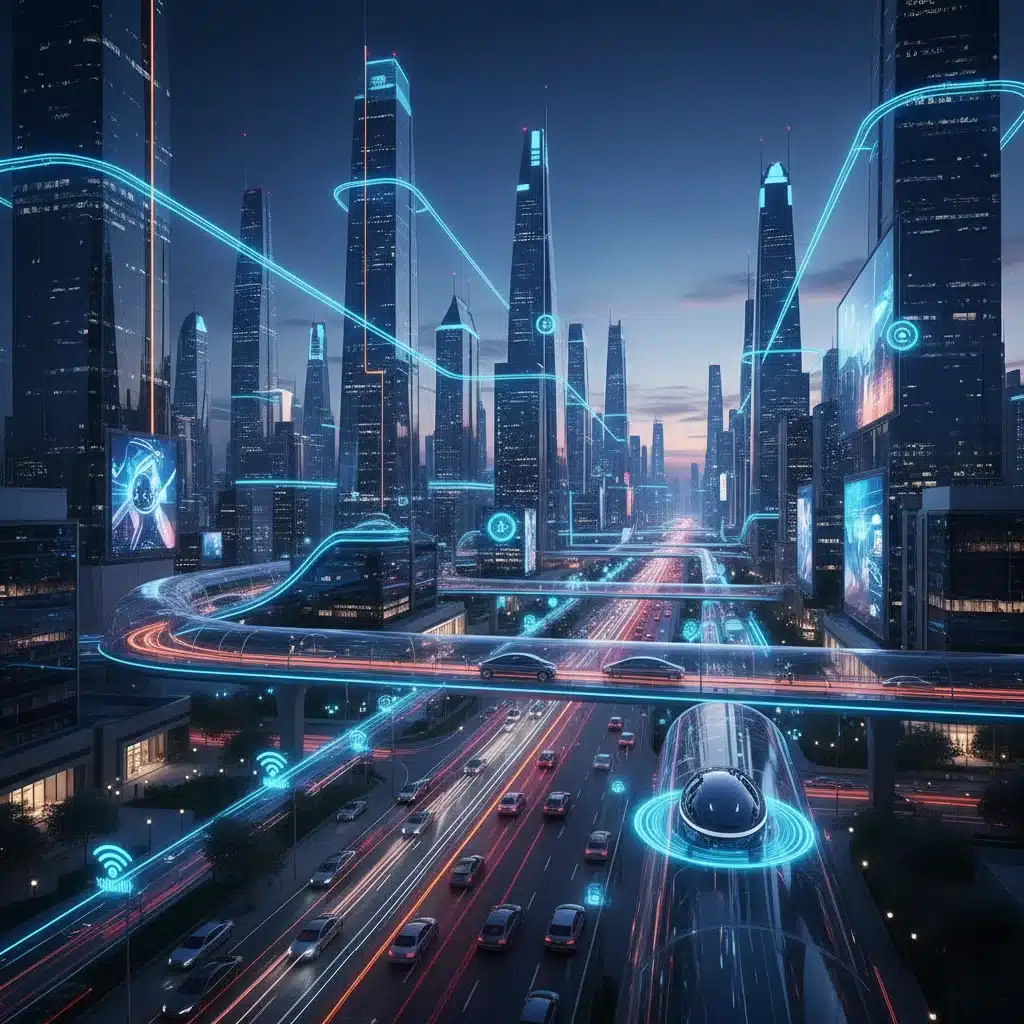
Smart Cities 2.0: How US Infrastructure Projects Are Integrating IoT for a 15% Efficiency Boost by 2028 (PRACTICAL SOLUTIONS)
The concept of a ‘Smart City’ has been a topic of discussion for years, but what was once a futuristic vision is now rapidly becoming a tangible reality across the United States. We are not just talking about incremental improvements; we are witnessing the dawn of Smart Cities 2.0, a paradigm shift driven by the profound integration of the Internet of Things (IoT) into the very fabric of urban infrastructure. This isn’t just about technological novelty; it’s about a strategic imperative to enhance efficiency, sustainability, and quality of life for millions. The ambitious goal? A projected 15% efficiency boost in urban operations by 2028, a target that underscores the transformative power of this technological evolution.
The journey towards Smart Cities 2.0 is multifaceted, encompassing everything from intelligent transportation systems and optimized energy grids to advanced waste management and responsive public safety networks. At its core, this transformation is powered by IoT data – a continuous stream of information collected by an intricate network of sensors, devices, and platforms. This data, when analyzed and acted upon, unlocks unprecedented levels of operational insight and control, paving the way for smarter, more resilient urban environments. This article delves deep into the practical solutions and groundbreaking projects that are defining the future of US infrastructure, illustrating how Smart City IoT integration is not just an aspiration but a concrete plan with measurable outcomes.
Understanding the Foundation: What is Smart City IoT?
Before diving into specific projects and their impact, it’s crucial to define what we mean by Smart City IoT. Essentially, it refers to the deployment of interconnected devices, sensors, software, and other technologies that collect and exchange data across various urban domains. This network enables real-time monitoring, analysis, and management of city assets and services. From smart streetlights that adjust illumination based on ambient light and pedestrian activity to waste bins that signal when they need emptying, IoT devices are designed to make urban systems more responsive, efficient, and sustainable.
The backbone of Smart City IoT includes:
- Sensors: Devices that detect and measure physical attributes like temperature, light, motion, air quality, and sound.
- Actuators: Devices that convert electrical signals into physical actions, such as controlling traffic lights or adjusting water flow.
- Connectivity: Networks (5G, LoRaWAN, NB-IoT) that facilitate data transmission between devices and central systems.
- Data Platforms: Cloud-based systems that store, process, and analyze vast amounts of IoT data.
- Applications: Software solutions that leverage processed data to provide actionable insights and automated controls for city managers and residents.
The integration of these components transforms static infrastructure into dynamic, intelligent systems capable of self-optimization and predictive maintenance. This holistic approach is what defines Smart Cities 2.0, moving beyond isolated smart solutions to a truly interconnected urban ecosystem. The efficiency gains projected for 2028 are not merely aspirational; they are the direct result of these interconnected systems working in harmony, driven by the continuous flow of data and intelligent automation. The strategic deployment of Smart City IoT is thus becoming a benchmark for urban development and innovation across the US, setting new standards for municipal services and public engagement.
Key Areas of IoT Integration in US Infrastructure
The application of Smart City IoT spans numerous critical areas of urban infrastructure. Each sector presents unique challenges and opportunities for efficiency improvements. Let’s explore some of the most impactful domains:
1. Smart Transportation and Mobility
Congestion, pollution, and inefficient public transit are perennial challenges for US cities. IoT offers transformative solutions:
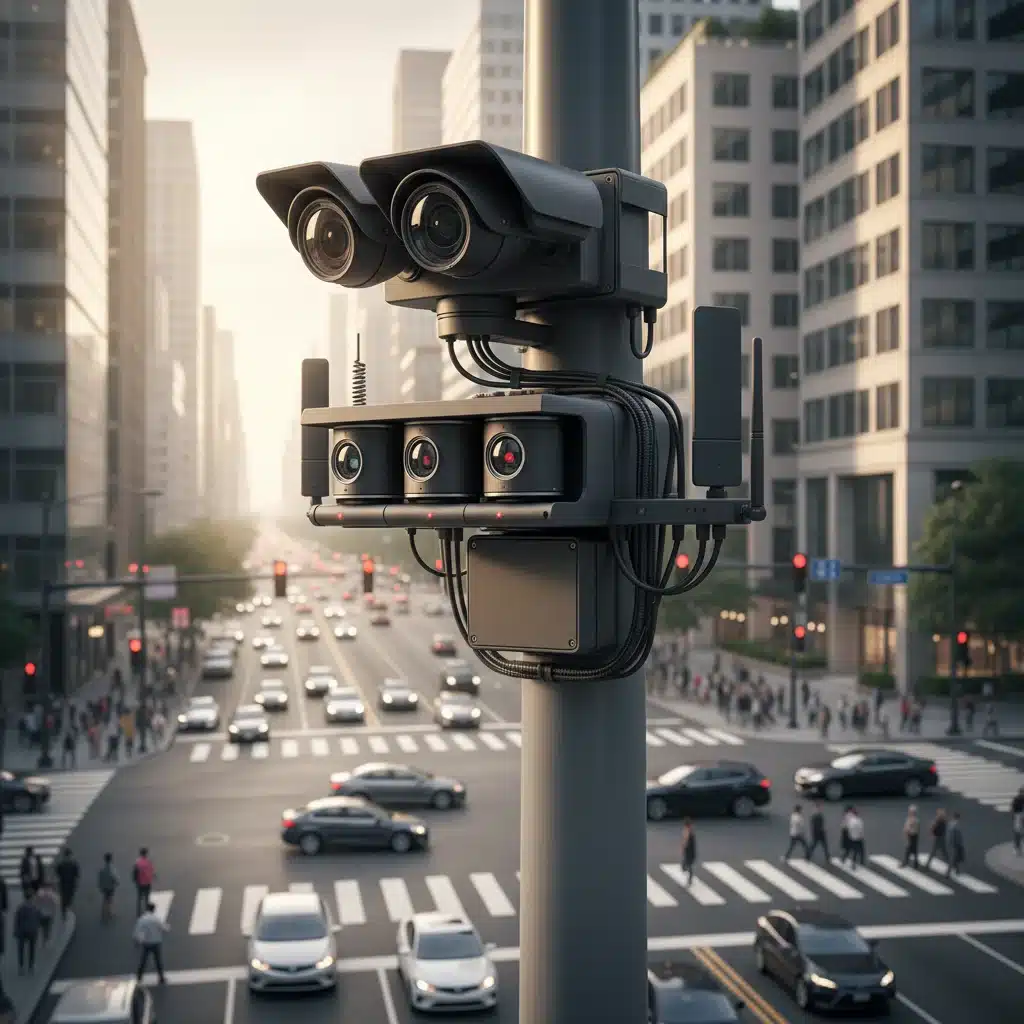
- Intelligent Traffic Management: Sensors embedded in roads and traffic lights monitor vehicle flow in real-time. This data informs adaptive traffic signal timing, reducing bottlenecks and travel times. Cities like Los Angeles have implemented such systems, reporting significant reductions in congestion. The goal is to create a seamless flow of traffic, minimizing idle time and fuel consumption, directly contributing to the 15% efficiency boost.
- Smart Parking Systems: IoT-enabled sensors in parking spaces guide drivers to available spots via mobile apps, cutting down on time spent searching for parking and reducing associated emissions. Denver’s smart parking initiatives are a prime example.
- Public Transit Optimization: GPS trackers and passenger counting sensors on buses and trains provide real-time location data and ridership statistics. This allows transit authorities to optimize routes, schedules, and resource allocation, improving service reliability and passenger experience.
- Connected Vehicles: While still evolving, Vehicle-to-Infrastructure (V2I) communication powered by IoT will enable vehicles to communicate with traffic signals, road signs, and other infrastructure, enhancing safety and efficiency.
The synergy between these components creates a dynamic transportation network that responds to current conditions rather than relying on static programming. This level of responsiveness is vital for achieving the ambitious efficiency targets by 2028. The core principle here is data-driven decision making, where every aspect of the transportation system is optimized for speed, safety, and environmental impact. The integration of Smart City IoT in transportation is not just about moving people faster; it’s about creating a more sustainable and less stressful urban commute.
2. Energy Management and Smart Grids
Energy consumption is a major operational cost and environmental concern for cities. Smart City IoT plays a pivotal role in creating more efficient and sustainable energy systems:
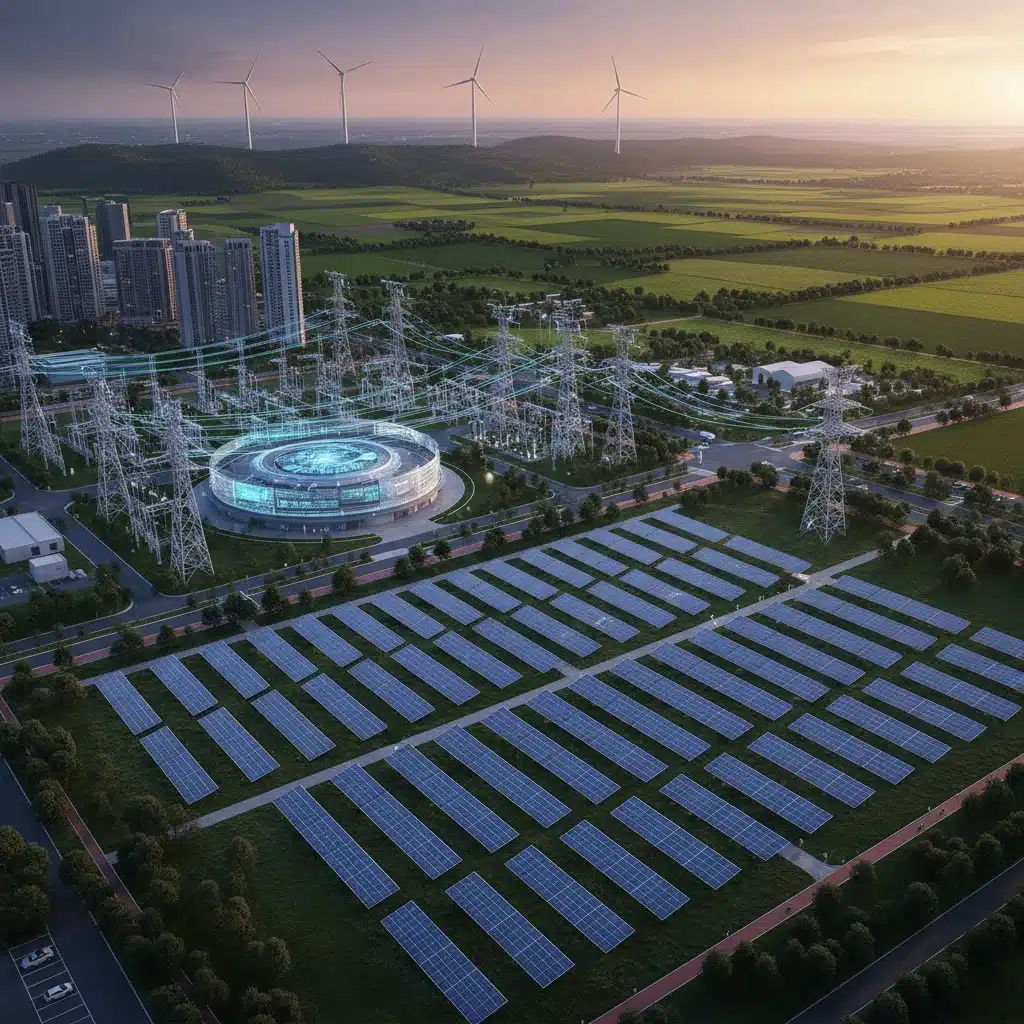
- Smart Grids: These advanced electricity networks use IoT sensors to monitor power flow, detect outages, and manage demand in real-time. They can integrate renewable energy sources more effectively and enable two-way communication between utilities and consumers. Projects like those in Chattanooga, Tennessee, showcase how smart grids enhance reliability and efficiency.
- Smart Street Lighting: Beyond just turning lights on and off, IoT-enabled streetlights incorporate motion sensors, ambient light sensors, and even environmental monitoring capabilities. They can dim when no one is around, brighten during peak activity, and report maintenance needs automatically, leading to significant energy savings and reduced operational costs. Kansas City’s smart streetlights are a notable success story.
- Building Management Systems (BMS): IoT sensors within commercial and public buildings optimize heating, ventilation, and air conditioning (HVAC) systems, lighting, and security. By adjusting these systems based on occupancy, weather, and time of day, BMS can drastically reduce energy waste.
The transition to a smart grid, supported by sophisticated Smart City IoT solutions, is fundamental to achieving energy independence and reducing carbon footprints. This not only lowers operational costs for municipalities but also contributes to broader environmental goals. The ability to monitor and control energy consumption at a granular level is a game-changer, allowing for dynamic adjustments that prevent waste and ensure optimal resource utilization. This directly contributes to the 15% efficiency boost by making energy usage more intelligent and responsive.
3. Waste Management and Environmental Monitoring
Efficient waste collection and comprehensive environmental monitoring are crucial for urban health and sustainability:
- Smart Waste Bins: IoT sensors in public waste bins measure fill levels and send alerts to waste management services when they need emptying. This allows for optimized collection routes, reducing fuel consumption, labor costs, and preventing overflowing bins. Cities like Philadelphia have adopted these systems.
- Air and Water Quality Monitoring: Networks of IoT sensors continuously monitor air pollutants, water quality, and noise levels. This real-time data helps city officials identify pollution hotspots, track environmental trends, and implement targeted interventions to improve public health.
- Irrigation Systems: Smart irrigation systems use soil moisture sensors and weather data to water public parks and green spaces only when necessary, conserving vast amounts of water.
These Smart City IoT applications not only improve operational efficiency but also significantly enhance the quality of urban life. By making waste management proactive rather than reactive, cities can reduce their carbon footprint and maintain cleaner public spaces. Similarly, real-time environmental data empowers citizens and policymakers to address critical issues with precision and speed, fostering a healthier urban ecosystem. The environmental benefits, combined with cost savings, are a significant component of the overall efficiency targets.
Practical Solutions and Ongoing US Projects
Across the United States, numerous cities are leading the charge in implementing Smart City IoT solutions. These projects provide concrete examples of how theory is translating into practice:
- Columbus, Ohio (Smart Columbus): A winner of the US Department of Transportation’s Smart City Challenge, Columbus received $50 million to transform its transportation system. Key initiatives include connected vehicle technologies, smart traffic signals, an integrated data platform, and autonomous shuttle services. The project aims to improve mobility, reduce emissions, and enhance access for residents. The focus on data integration across various mobility modes is a prime example of Smart Cities 2.0.
- Kansas City, Missouri: Known for its extensive smart city deployment, Kansas City has implemented smart streetlights, public Wi-Fi along a 2-mile downtown corridor, and smart kiosks providing information and emergency services. They also use IoT for waste management and environmental sensing, demonstrating a holistic approach to urban intelligence. Their success lies in leveraging a robust fiber optic network to support a wide array of Smart City IoT applications.
- San Diego, California (Smart Streetlights): San Diego launched one of the world’s largest smart streetlight programs, converting 14,000 streetlights into an IoT network. These lights contain sensors that collect data on traffic, parking, air quality, and even gunshots, providing a rich dataset for urban planning and public safety. This project exemplifies how a single infrastructure upgrade can yield multiple benefits.
- Miami-Dade County, Florida: Focusing on resilience, Miami-Dade is using IoT to monitor sea-level rise, manage stormwater, and optimize flood control infrastructure. Sensors provide real-time data on water levels and infrastructure performance, allowing for proactive responses to climate change challenges. This regional approach to Smart City IoT is critical for addressing larger environmental threats.
These projects are not isolated experiments; they are blueprints for a future where urban infrastructure is responsive, predictive, and sustainable. The lessons learned and best practices developed in these pioneering cities will inform the broader adoption of Smart City IoT across the nation, contributing significantly to the aggregated 15% efficiency boost by 2028. The collaborative efforts between municipalities, technology providers, and academic institutions are accelerating this transformation, proving that practical solutions are already making a tangible difference.
The Data-Driven Advantage: How IoT Enables a 15% Efficiency Boost
The projected 15% efficiency boost by 2028 is not a random figure; it’s an achievable target rooted in the fundamental advantages that Smart City IoT brings to urban management. This efficiency stems from several key mechanisms:
1. Real-time Monitoring and Predictive Maintenance
Traditional infrastructure maintenance is often reactive, addressing issues only after they occur. IoT sensors enable continuous monitoring of assets like bridges, roads, water pipes, and power lines. This real-time data allows for:
- Early Detection of Faults: Identifying minor issues before they escalate into costly failures.
- Predictive Maintenance: Scheduling repairs and replacements based on actual wear and tear, rather than arbitrary timelines, extending asset lifespan and reducing emergency costs.
- Optimized Resource Allocation: Directing maintenance crews to where they are most needed, saving time and labor.
This shift from reactive to proactive management significantly reduces operational downtime and expenditure, directly contributing to the overall efficiency gains. The ability of Smart City IoT to provide granular, continuous insights into infrastructure health is unparalleled.
2. Resource Optimization
IoT provides the data necessary to optimize the use of critical urban resources:
- Energy: As discussed, smart grids and smart streetlights reduce consumption.
- Water: Smart irrigation and leak detection systems minimize water waste.
- Labor: Optimized waste collection routes and streamlined public services mean fewer resources are wasted on inefficient operations.
- Space: Smart parking and intelligent traffic management make better use of existing urban space.
By minimizing waste across these domains, cities can achieve substantial cost savings and environmental benefits, all of which fall under the umbrella of increased efficiency. Every drop of water saved, every kilowatt-hour conserved, and every minute of traffic reduced adds up to the larger efficiency goal enabled by Smart City IoT.
3. Enhanced Decision-Making and Automation
The vast amounts of data collected by Smart City IoT devices, when analyzed by advanced algorithms and AI, empower city planners and administrators with unprecedented insights:
- Data-Driven Planning: Decisions about infrastructure investments, urban development, and service provision are based on empirical data rather than assumptions.
- Automated Responses: Many IoT systems can trigger automated actions, such as adjusting traffic signals or activating emergency alerts, without human intervention, leading to faster and more consistent responses.
- Improved Public Services: Understanding citizen needs and behavior through data allows for more tailored and effective public services, from transit to healthcare.
This intelligent layer over physical infrastructure is what truly distinguishes Smart Cities 2.0. The ability to make faster, more informed decisions, and to automate routine tasks, is a core driver of the 15% efficiency improvement. The synergy between data, analytics, and automation transforms urban management into a highly optimized process.
Challenges and Considerations for Widespread Adoption
While the benefits of Smart City IoT are clear, widespread adoption is not without its challenges. Addressing these issues is crucial for realizing the full potential of Smart Cities 2.0:
1. Data Privacy and Security
The collection of vast amounts of data raises significant concerns about privacy and cybersecurity. Cities must implement robust data governance policies, anonymization techniques, and secure network infrastructures to protect sensitive information from misuse and cyber threats. Building public trust is paramount for the success of any Smart City IoT initiative.
2. Interoperability and Standardization
Different IoT devices and platforms often use proprietary technologies, leading to silos of data and hindering seamless integration. Developing open standards and ensuring interoperability between various systems are essential for creating a truly interconnected smart city ecosystem. This requires collaboration between technology providers, government agencies, and industry bodies.
3. Funding and Investment
Implementing Smart City IoT infrastructure requires significant upfront investment. Cities need to explore various funding models, including public-private partnerships, federal grants, and innovative financing mechanisms, to scale these projects. Demonstrating clear ROI and long-term benefits is key to securing necessary investments.
4. Digital Divide and Equity
Ensuring that the benefits of smart city technologies are accessible to all residents, regardless of socioeconomic status, is critical. Bridging the digital divide and ensuring equitable access to smart services are ethical imperatives that must be integrated into planning from the outset. Smart City IoT must serve everyone.
5. Workforce Development
Operating and maintaining complex Smart City IoT systems requires a skilled workforce. Cities need to invest in training and education programs to equip their employees with the necessary technical expertise in data analytics, cybersecurity, and IoT management. This human capital development is as important as the technological infrastructure itself.
The Future Outlook: Beyond 2028
The 15% efficiency boost by 2028 is just the beginning. As Smart City IoT technologies mature and become more integrated, we can expect even greater transformations. Looking beyond 2028, the future of US cities will likely feature:
- Hyper-Personalized Urban Services: IoT will enable services that adapt dynamically to individual needs and preferences, from personalized public transit routes to customized waste collection schedules.
- Autonomous Urban Operations: Fully autonomous public transportation, drone-based inspection of infrastructure, and robotic waste collection will become more common, further enhancing efficiency and safety.
- Advanced Resilience: Cities will be better equipped to withstand and recover from natural disasters and other disruptions, thanks to predictive analytics and self-healing infrastructure.
- Enhanced Citizen Engagement: IoT platforms will provide citizens with more direct channels to interact with city services, report issues, and participate in urban planning, fostering a stronger sense of community and ownership.
The continuous evolution of Smart City IoT will transform urban centers into living, breathing organisms that constantly adapt and improve. This isn’t just about technology; it’s about creating more livable, sustainable, and equitable environments for all residents. The proactive integration of IoT into US infrastructure is laying the groundwork for a future where cities are not just smart, but truly intelligent and responsive to the needs of their inhabitants. The commitment to these advancements ensures that the US remains at the forefront of global urban innovation, creating a legacy of efficiency and sustainability for generations to come.
Conclusion
The push towards Smart Cities 2.0 in the United States, driven by the strategic integration of Smart City IoT into infrastructure projects, represents a monumental leap forward in urban development. The ambitious target of a 15% efficiency boost by 2028 is not merely a quantitative goal; it signifies a qualitative improvement in how our cities function, consume resources, and serve their populations. From optimizing traffic flow and revolutionizing energy grids to streamlining waste management and enhancing public safety, IoT is proving to be the indispensable backbone of this transformation.
While challenges related to data privacy, interoperability, and funding remain, the practical solutions being deployed in cities like Columbus, Kansas City, and San Diego demonstrate that these hurdles are surmountable. The long-term vision extends far beyond 2028, promising hyper-personalized services, autonomous operations, and unprecedented resilience. By embracing Smart City IoT, US infrastructure projects are not just building smarter cities; they are building a more sustainable, efficient, and higher-quality urban future for everyone.
The ongoing commitment to innovation and investment in this technology will ensure that American cities continue to lead the way in creating intelligent, responsive, and thriving environments. The era of Smart Cities 2.0 is here, and its impact will resonate for decades to come, fundamentally redefining the urban experience through the power of interconnected intelligence.