
Bridging the Digital Divide: Practical Solutions for Enhanced Internet Access in the US
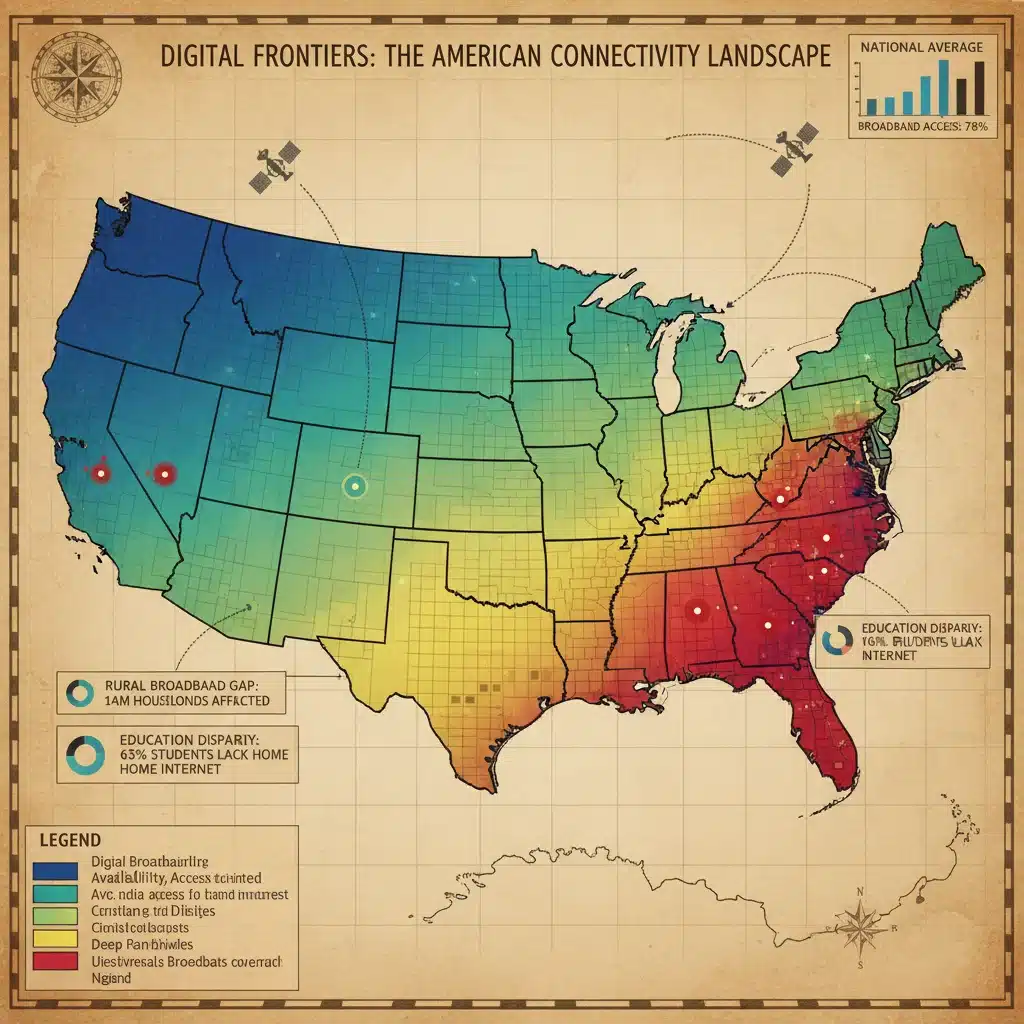
In an increasingly interconnected world, reliable internet access is no longer a luxury but a fundamental necessity. From education and employment to healthcare and civic engagement, digital connectivity underpins nearly every aspect of modern life. Yet, a significant portion of the United States population remains on the wrong side of the digital divide. Projections indicate that by 2026, a staggering 25% of U.S. households could still lack reliable internet access. This isn’t just a statistic; it represents millions of individuals and families cut off from opportunities and essential services. Understanding the scope of this challenge and implementing effective internet access solutions are paramount to fostering a truly inclusive society.
This comprehensive article delves into the multifaceted issue of the digital divide, exploring its root causes, current impacts, and, most importantly, the practical, innovative, and recent solutions being deployed across the nation. We will examine the roles of government initiatives, private sector innovation, and community-led efforts in bridging this gap, ensuring that every American has the opportunity to thrive in the digital age. Our focus is on actionable strategies and a forward-looking perspective, highlighting how concerted efforts can transform the landscape of digital inclusion.
Understanding the Digital Divide: More Than Just a Connection
The digital divide is not merely about whether a household has an internet connection; it encompasses issues of affordability, speed, reliability, and digital literacy. While significant progress has been made, a quarter of U.S. households facing unreliable internet access by 2026 highlights persistent challenges. These challenges are often concentrated in specific demographics and geographies:
- Rural Areas: Sparsely populated regions often lack the infrastructure due to high deployment costs and lower population density, making it less economically viable for traditional providers.
- Low-Income Households: Even where infrastructure exists, the cost of broadband services, devices, and associated fees can be prohibitive for many families.
- Elderly Populations: Seniors may face barriers related to digital literacy, affordability, and a lack of perceived need or understanding of internet benefits.
- Minority Communities: Historical disparities and systemic inequalities often lead to reduced access and resources in these communities.
- Individuals with Disabilities: Accessibility issues with hardware, software, and content can create significant hurdles.
The consequences of this divide are far-reaching. Children in unconnected homes struggle with remote learning, adults face employment disadvantages, and access to telehealth services, vital government resources, and social connections is severely limited. Addressing these disparities requires a holistic approach, encompassing not just infrastructure but also affordability, accessibility, and education – key pillars for effective internet access solutions.
Government Initiatives: Laying the Foundation for Universal Connectivity
The federal government has recognized the urgency of the digital divide, launching several ambitious programs aimed at expanding broadband infrastructure and making internet services more affordable. These initiatives represent crucial steps in providing comprehensive internet access solutions.
The Infrastructure Investment and Jobs Act (IIJA) and BEAD Program
A cornerstone of recent efforts is the Infrastructure Investment and Jobs Act (IIJA), signed into law in 2021. This monumental legislation allocates over $65 billion to expand broadband access, affordability, and digital equity. A significant portion of this funding, approximately $42.45 billion, is dedicated to the Broadband Equity, Access, and Deployment (BEAD) program, administered by the National Telecommunications and Information Administration (NTIA).
- BEAD’s Mandate: The BEAD program aims to fund broadband infrastructure deployment and adoption programs in unserved and underserved areas across all states, territories, and Washington D.C. Each state receives a minimum allocation, with additional funds distributed based on the number of unserved locations.
- Focus on Future-Proof Infrastructure: BEAD prioritizes projects that deploy future-proof fiber optic infrastructure, capable of delivering symmetrical upload and download speeds of at least 100 Mbps, ensuring long-term reliability and capacity.
- State-Led Implementation: States are responsible for developing five-year action plans, identifying eligible areas, and soliciting proposals from internet service providers (ISPs). This localized approach allows for tailored internet access solutions that address specific regional needs.
Affordable Connectivity Program (ACP)
Complementing infrastructure efforts, the Affordable Connectivity Program (ACP) has been a lifeline for millions of low-income households. The ACP provides eligible households with a discount of up to $30 per month (up to $75 per month for households on Tribal lands) on internet service and a one-time discount of up to $100 on a laptop, desktop computer, or tablet.
- Impact: The ACP has enrolled over 23 million households, demonstrating a massive demand for affordable internet. It has been instrumental in making internet access financially feasible for families who previously couldn’t afford it.
- Challenges: Despite its success, the ACP faced funding uncertainties, with its initial allocation projected to run out in early 2024. Advocates are pushing for continued funding, recognizing its critical role as one of the most effective internet access solutions for affordability.
Other Federal Programs
Beyond IIJA and ACP, other federal agencies contribute to bridging the divide:
- USDA’s ReConnect Program: The U.S. Department of Agriculture provides grants and loans to bring high-speed internet to rural areas, focusing on projects that deliver services to unserved rural homes and businesses.
- FCC’s E-Rate Program: This program helps schools and libraries obtain affordable telecommunications and internet access, ensuring that educational institutions can provide essential digital resources.
Technological Advancements: Expanding the Reach of Connectivity
While traditional fiber optic remains the gold standard, innovative technologies are emerging as viable internet access solutions, particularly for hard-to-reach areas.
Fixed Wireless Access (FWA)
FWA uses cellular technology (4G LTE and 5G) to deliver broadband internet to homes and businesses without the need for physical cables. A receiver antenna on the customer’s premise communicates wirelessly with a nearby cell tower.
- Advantages: FWA is faster to deploy than fiber, making it an attractive option for rural areas or places where laying fiber is cost-prohibitive. It can also offer competitive speeds, especially with 5G deployments.
- Limitations: Performance can be affected by line-of-sight issues, distance from the tower, and network congestion. However, ongoing technological improvements are mitigating these challenges.
Satellite Internet (LEO Constellations)
Traditional geostationary satellite internet has historically suffered from high latency and limited speeds. However, the advent of Low Earth Orbit (LEO) satellite constellations, such as Starlink, is revolutionizing this segment.
- Starlink and Others: LEO satellites orbit much closer to Earth, drastically reducing latency and enabling higher speeds comparable to terrestrial broadband. This makes them a powerful solution for truly remote locations where other options are unfeasible.
- Future Potential: As more LEO constellations are deployed and technology matures, satellite internet is poised to become an increasingly important component of universal internet access solutions.
Community Networks and Municipal Broadband
In many areas, local governments and communities are taking matters into their own hands, building and operating their own broadband networks.
- Community-Owned Fiber: Municipal broadband initiatives involve cities or counties investing in their own fiber infrastructure, often providing services directly to residents or leasing capacity to private ISPs. This can lead to lower costs, better service, and increased competition.
- Wireless Mesh Networks: In some communities, residents collaborate to create wireless mesh networks, where individual nodes (routers) connect to each other, extending internet access across a neighborhood. These are often more localized but can be effective in specific contexts.
- Public-Private Partnerships (PPPs): Collaborations between local governments and private ISPs are also common, leveraging public funding for infrastructure and private expertise for operations and service delivery.
Community-Led Initiatives: Empowering Local Connectivity
Beyond large-scale government programs and technological innovations, grassroots community efforts play a vital role in addressing localized digital divides. These initiatives often focus on immediate needs and tailored internet access solutions.
Digital Inclusion and Literacy Programs
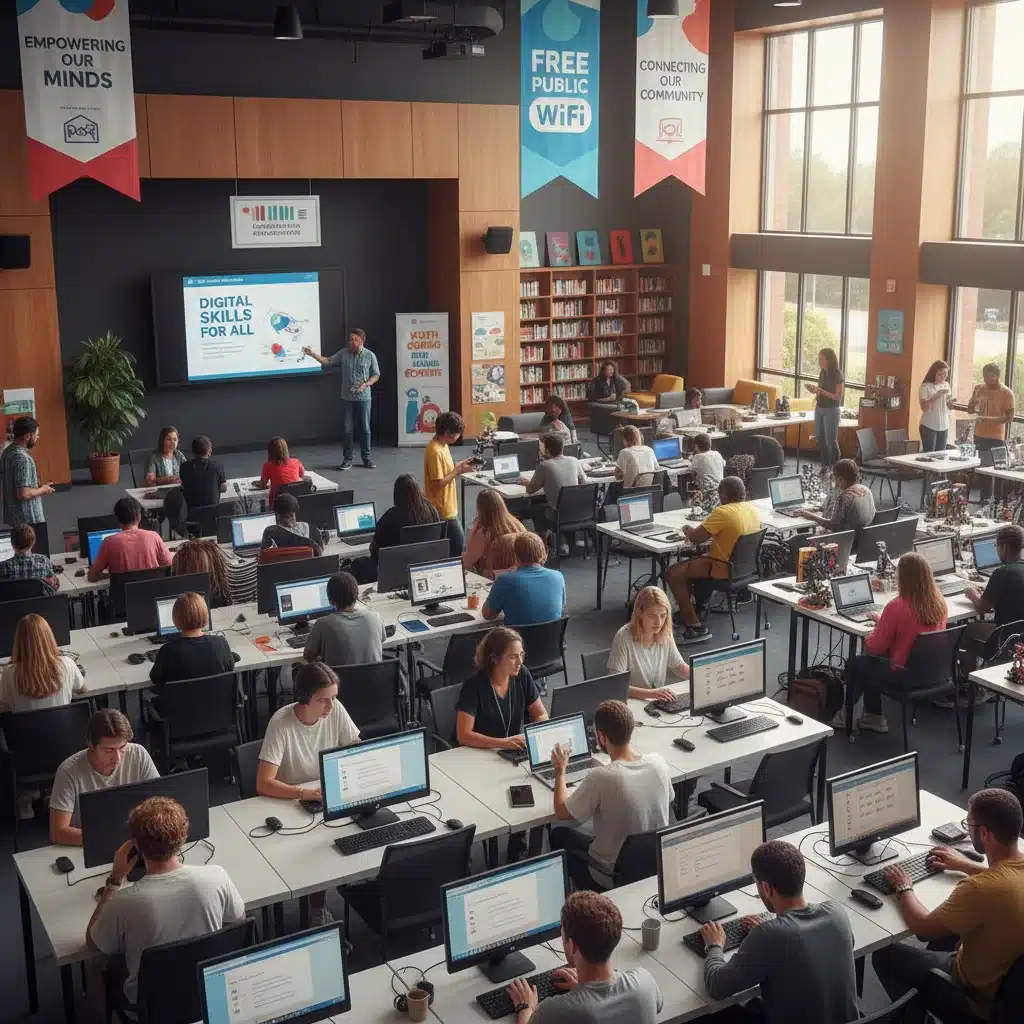
Having an internet connection is only half the battle; knowing how to use it effectively is equally important. Digital literacy programs equip individuals with the skills needed to navigate the digital world.
- Libraries and Community Centers: Public libraries and community centers are often at the forefront, offering free computer access, Wi-Fi, and classes on basic computer skills, online safety, and using government services online.
- Non-Profit Organizations: Many non-profits focus on digital inclusion, providing refurbished devices, offering training workshops, and connecting individuals with affordable internet plans.
- Mobile Hotspot Lending Programs: Libraries and schools are increasingly lending out mobile hotspots to students and families, providing immediate, portable internet access for those without home connections.
Anchor Institution Connectivity
Schools, libraries, hospitals, and other community anchor institutions can serve as critical hubs for public internet access.
- Extended Wi-Fi: Many schools and libraries are extending their Wi-Fi networks beyond their buildings, allowing community members to access free internet from parking lots or nearby public spaces.
- Public Access Computers: Providing public computers with internet access remains a fundamental service, especially for those who lack personal devices.
The Role of Private Sector Innovation and Responsibility
Internet Service Providers (ISPs) and technology companies also bear significant responsibility in bridging the digital divide. Their innovation and willingness to collaborate are essential for widespread internet access solutions.
Affordable Plans and Programs
Many ISPs offer low-cost internet plans specifically designed for eligible low-income households, often in partnership with government programs like the ACP. These plans typically provide basic to moderate speeds at significantly reduced prices.
- Partnerships with Housing Authorities: Some ISPs collaborate with public housing authorities to provide discounted or free internet services to residents.
- Device Subsidies: Certain providers offer subsidized devices (laptops, tablets) to customers enrolling in their affordable internet plans, further reducing barriers to access.
- Employer-Sponsored Programs: A growing trend involves employers offering internet subsidies or direct internet access as a benefit to their employees, recognizing the foundational role of connectivity in remote work and employee well-being.
Investing in Infrastructure Expansion
While government funding is crucial, private investment remains the primary driver of broadband expansion. ISPs are continually investing in upgrading existing networks and deploying new infrastructure, particularly in areas where economic viability is improving due to federal incentives.
- Fiber-to-the-Home (FTTH) Rollouts: Major ISPs are accelerating FTTH deployments in both urban and suburban areas, offering the fastest and most reliable connections.
- 5G Network Expansion: Wireless carriers are rapidly expanding their 5G networks, which not only enhance mobile connectivity but also power FWA services for home internet.
Corporate Social Responsibility (CSR) Initiatives
Beyond direct business operations, many tech companies and ISPs engage in CSR initiatives aimed at digital inclusion. This can include donating equipment, sponsoring digital literacy programs, or providing pro bono technical assistance to underserved communities. These efforts are often critical complementary internet access solutions.
Challenges and the Path Forward for Internet Access Solutions
Despite significant progress and a multitude of ongoing initiatives, several challenges persist in the quest for universal internet access:
- Sustained Funding: Programs like the ACP demonstrate immense need, but their long-term viability depends on sustained government funding. Without it, millions could lose their affordable internet connections.
- Coordination and Bureaucracy: The fragmented nature of broadband policy across federal, state, and local levels can lead to inefficiencies and slow deployment. Better coordination is essential.
- Digital Redlining: Concerns remain about certain communities, particularly low-income urban areas, being overlooked for infrastructure upgrades, a phenomenon sometimes referred to as digital redlining.
- Speed and Reliability Gaps: Even where internet is available, significant disparities in speed and reliability persist, impacting the quality of access. Basic connectivity might not suffice for modern demands like telehealth or advanced online learning.
- Digital Literacy Evolution: As technology advances, so too must digital literacy programs. The skills needed to thrive online are constantly evolving, requiring continuous education and adaptation.
The path forward requires a multi-pronged, collaborative strategy:
- Long-Term Federal Commitment: Secure sustained funding for affordability programs and infrastructure deployment, ensuring stability and predictability for states and providers.
- Enhanced Data Collection and Mapping: Improve the accuracy of broadband maps to precisely identify unserved and underserved locations, guiding targeted investments. The FCC’s new broadband maps are a step in the right direction but require continuous refinement.
- Streamlined Permitting and Regulations: Reduce bureaucratic hurdles and streamline permitting processes at local and state levels to accelerate infrastructure deployment.
- Focus on Digital Equity: Prioritize investments and programs that not only provide access but also address affordability, digital literacy, and the provision of necessary devices.
- Community Engagement: Empower local communities to identify their specific needs and participate in the planning and implementation of broadband projects.
- Innovation in Technology and Business Models: Encourage the development and adoption of new technologies and creative business models that can deliver cost-effective and reliable internet access in challenging environments.
Conclusion: A Connected Future for All Through Internet Access Solutions
The vision of a fully connected America, where every household has reliable and affordable internet access, is ambitious but achievable. The projected 25% of U.S. households lacking reliable internet by 2026 serves as a stark reminder of the work that remains. However, with the robust framework of government initiatives like the IIJA and ACP, the rapid advancements in technologies such as LEO satellites and FWA, and the invaluable contributions of community-led efforts and private sector innovation, the trajectory is positive.
Bridging the digital divide is not merely an infrastructure project; it is a societal imperative that promises to unlock economic growth, enhance educational opportunities, improve healthcare outcomes, and strengthen social cohesion. By continuing to invest in comprehensive internet access solutions that address infrastructure, affordability, digital literacy, and equitable access, the United States can ensure that no one is left behind in the digital age. The collective commitment to this goal will define the nation’s future prosperity and inclusivity.