Transforming Education: 5 Innovations Impacting U.S. Students by 2026
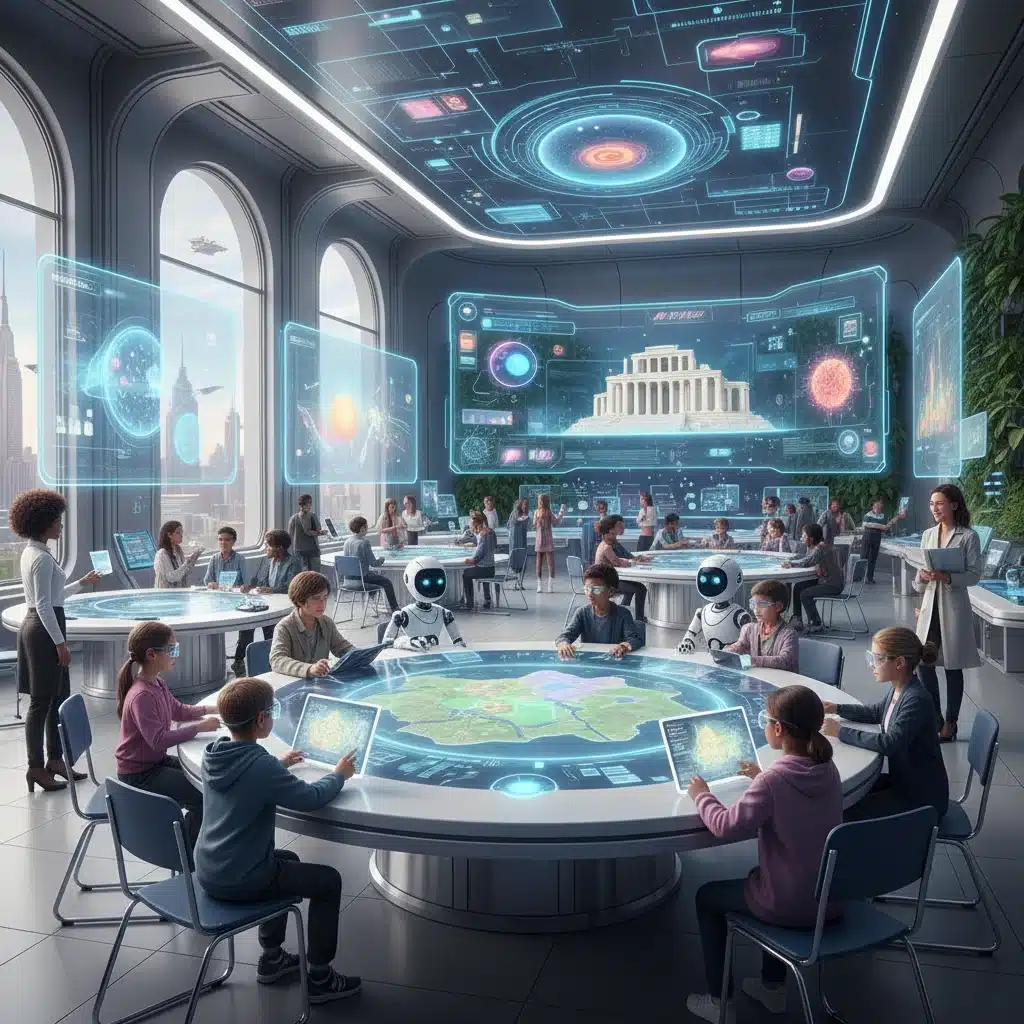
The Future of Education: 5 Innovations Transforming Learning for 40% of U.S. Students by Late 2026 (RECENT UPDATES, PRACTICAL SOLUTIONS)
The educational landscape is on the cusp of a profound transformation, driven by an accelerating pace of technological innovation and evolving pedagogical approaches. As we look towards late 2026, it’s not an exaggeration to say that nearly 40% of U.S. students will experience a fundamentally different learning environment than what was common just a few years ago. This shift is not merely incremental; it’s a paradigm change, ushering in an era where personalized learning, immersive experiences, and data-driven insights become the norm. This article will explore five pivotal innovations that are at the forefront of this revolution, providing recent updates and practical solutions for educators, policymakers, parents, and students alike. Understanding these shifts is crucial for anyone invested in the future of education innovation future.
The traditional model of education, often characterized by one-size-fits-all curricula and passive learning, is being challenged by the imperative to prepare students for a rapidly changing world. A world where critical thinking, adaptability, creativity, and digital literacy are paramount. The innovations discussed here are not just about integrating technology; they are about fundamentally rethinking how knowledge is acquired, how skills are developed, and how learning environments are designed to foster holistic growth. The goal is to create more engaging, equitable, and effective educational experiences that cater to the diverse needs and learning styles of every student.
From artificial intelligence to virtual reality, these advancements are not abstract concepts for a distant future. They are being implemented in pilot programs, integrated into forward-thinking school districts, and are rapidly gaining traction across the nation. The impact on education innovation future is already tangible, and its reach is only set to expand dramatically in the coming years. Let’s delve into these transformative forces.
1. Hyper-Personalized Learning Paths Powered by AI
One of the most significant advancements shaping the education innovation future is the rise of hyper-personalized learning paths, made possible by sophisticated Artificial Intelligence (AI) algorithms. Historically, educators have strived to meet individual student needs, but the sheer scale of classrooms often made true personalization an insurmountable challenge. AI is changing this by providing tools that can analyze a student’s learning style, pace, strengths, weaknesses, and even emotional state, then dynamically adjust the curriculum and teaching methods in real-time.
Recent Updates and Advancements:
- Adaptive Learning Platforms: Modern AI-driven platforms like DreamBox Learning and Knewton Alta are no longer just about presenting material; they use machine learning to identify knowledge gaps, recommend specific resources, and even predict future learning difficulties. These platforms are becoming more sophisticated in their ability to differentiate between a student who needs more practice and one who needs a different explanation.
- AI-Powered Tutors and Assistants: Beyond simple chatbots, AI tutors are evolving to provide conversational, context-aware assistance. Companies like Carnegie Learning’s MATHia offer human-like guidance, helping students work through complex problems step-by-step. The integration of Natural Language Processing (NLP) allows these tutors to understand nuanced questions and provide tailored feedback.
- Data-Driven Insights for Educators: AI tools are increasingly providing educators with actionable insights into student performance. Dashboards can highlight students who are struggling, identify common misconceptions across a class, and suggest intervention strategies. This empowers teachers to spend less time on administrative tasks and more time on high-impact instruction.
Practical Solutions for Implementation:
For school districts looking to integrate hyper-personalized learning, the first step is often to pilot AI-driven adaptive learning platforms in core subjects like math and reading. Training educators on how to interpret AI-generated data and leverage it to inform their teaching is crucial. Furthermore, establishing clear data privacy policies and ensuring equitable access to technology are paramount. The goal is not to replace teachers but to augment their capabilities, allowing them to focus on mentoring, fostering critical thinking, and addressing individual student emotional and social needs, while AI handles the rote aspects of content delivery and initial assessment. The future of education innovation future hinges on this collaborative approach.
2. Immersive Learning Experiences: VR, AR, and Mixed Reality
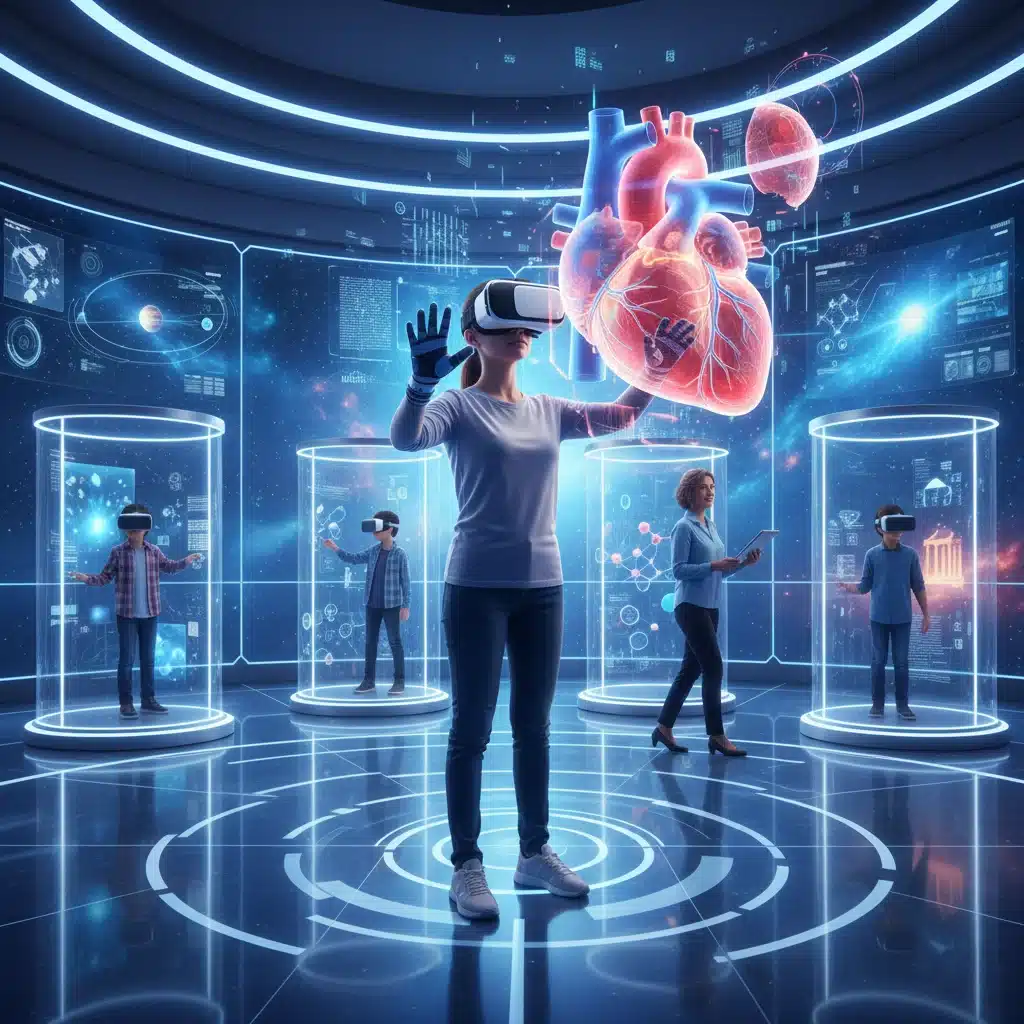
The days of passively reading about historical events or scientific concepts are rapidly fading. Immersive technologies such as Virtual Reality (VR), Augmented Reality (AR), and Mixed Reality (MR) are bringing learning to life, allowing students to explore ancient civilizations, dissect virtual frogs, or journey through the human body in ways previously unimaginable. These technologies offer unparalleled opportunities for experiential learning, significantly boosting engagement and retention, and are a cornerstone of the education innovation future.
Recent Updates and Advancements:
- Affordable Hardware: The cost of VR/AR headsets has decreased significantly, making these technologies more accessible to schools. Standalone headsets like the Meta Quest series are powerful enough for educational applications without requiring expensive computers.
- Rich Educational Content: A growing ecosystem of educational VR/AR applications is emerging. Platforms like VictoryXR and Labster offer virtual field trips, science labs, and historical recreations that are highly interactive and curriculum-aligned.
- Augmented Reality in Classrooms: AR, accessible via smartphones and tablets, is being used to overlay digital information onto the real world. Students can point their devices at a textbook to see 3D models pop out, or use AR apps to explore constellations in their classroom.
- Mixed Reality for Collaboration: MR devices, such as the Microsoft HoloLens, are enabling collaborative learning experiences where virtual objects can be manipulated by multiple users in a shared physical space, facilitating new forms of group projects.
Practical Solutions for Implementation:
Schools can start by investing in a few VR headsets and exploring existing educational content. Integrating AR apps into lessons that use existing classroom devices (tablets, smartphones) is also a low-barrier entry point. Professional development for teachers is essential to help them understand how to effectively integrate these tools into their pedagogy, moving beyond novelty to truly enhance learning outcomes. Creating dedicated ‘VR labs’ or ‘immersive learning zones’ within schools can provide structured access and support. The focus should be on how these tools can solve specific learning challenges or provide experiences that traditional methods cannot, thereby enriching the education innovation future.
3. Competency-Based Education and Digital Credentials
The traditional model of progressing through grades based on age and seat time is increasingly being challenged by competency-based education (CBE). In a CBE system, students advance once they have demonstrated mastery of specific knowledge and skills, regardless of how long it takes them. This approach, coupled with the rise of digital credentials and micro-credentials, is fundamentally reshaping how learning achievements are recognized and valued in the education innovation future.
Recent Updates and Advancements:
- Shift from Seat Time to Mastery: More states and districts are adopting CBE models, allowing students to move at their own pace. This is particularly beneficial for students who grasp concepts quickly or those who need more time and support.
- Micro-credentials and Badges: Digital badges and micro-credentials are gaining traction as a way to recognize specific skills and competencies acquired both inside and outside the traditional classroom. These can range from proficiency in a specific software program to demonstrating leadership skills in a project.
- Blockchain for Secure Credentials: Blockchain technology is being explored to create secure, verifiable, and immutable digital records of student achievements. This can prevent fraud and provide students with a lifelong, portable record of their learning.
- Alignment with Workforce Needs: CBE and digital credentials are often designed in collaboration with industry partners, ensuring that the skills recognized are directly relevant to workforce demands. This bridges the gap between education and employment.
Practical Solutions for Implementation:
Transitioning to CBE requires a significant shift in curriculum design, assessment practices, and educator training. Schools can start by identifying specific subjects or grade levels for a CBE pilot. Developing clear rubrics for competency mastery and implementing robust assessment tools are crucial. For digital credentials, schools can partner with platforms that issue verifiable badges for extracurricular activities, project completions, or specific skill attainments. This not only motivates students but also provides them with a more granular and demonstrable record of their capabilities, critical for the evolving education innovation future.
4. Collaborative Learning Environments Enhanced by Digital Tools
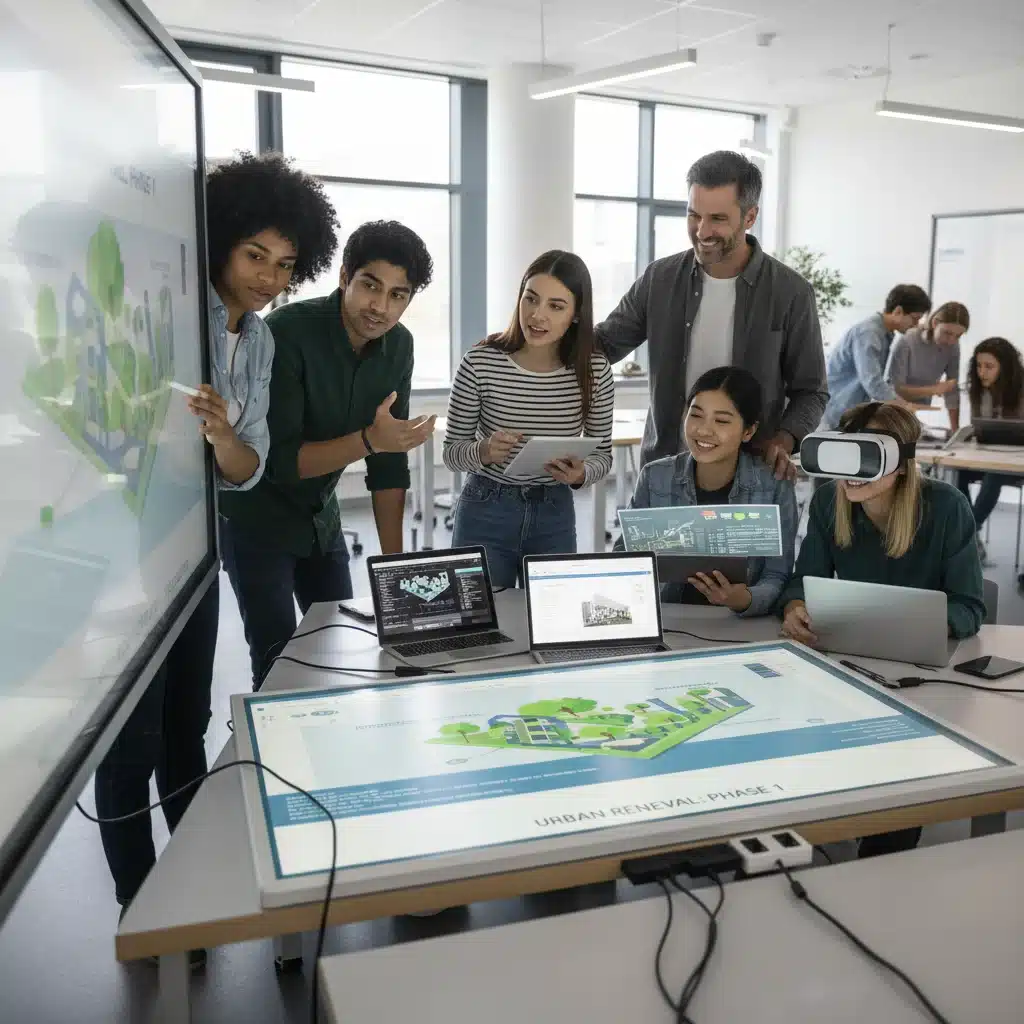
Collaboration is a critical 21st-century skill, and educational environments are evolving to foster it more effectively through the integration of advanced digital tools. Beyond simple group projects, these new environments leverage technology to enable dynamic, real-time collaboration among students, regardless of their physical location, and to facilitate richer interactions with content and peers, thereby enhancing the education innovation future.
Recent Updates and Advancements:
- Integrated Learning Management Systems (LMS): Modern LMS platforms like Canvas and Google Classroom now offer robust collaborative features, including shared document editing, discussion forums, peer review tools, and integrated video conferencing.
- Interactive Whiteboards and Displays: Advanced interactive flat panel displays (IFPDs) allow multiple students to interact simultaneously with digital content, annotate documents, and share ideas directly from their devices. These are becoming central hubs for classroom collaboration.
- Project-Based Learning (PBL) Platforms: Specialized platforms are emerging to support complex, long-term PBL. These tools help manage project timelines, facilitate communication within teams, and provide resources for research and development.
- AI for Group Dynamics: Emerging AI tools can analyze group interactions, identify dominant or disengaged participants, and provide insights to teachers on how to optimize group dynamics for more equitable and productive collaboration.
Practical Solutions for Implementation:
To maximize collaborative learning, schools should ensure seamless integration of digital tools within their existing infrastructure. Providing students with personal devices (laptops or tablets) that can easily connect to classroom displays and shared platforms is essential. Educators need training on how to design effective collaborative activities that leverage these tools, moving beyond traditional lectures to facilitate student-led discovery and problem-solving. Encouraging cross-school or even international collaboration on projects can further broaden students’ perspectives and digital literacy, accelerating the education innovation future.
5. The Rise of Data Literacy and Computational Thinking
In an increasingly data-driven world, the ability to understand, interpret, and critically evaluate information (data literacy) and to approach problems like a computer scientist (computational thinking) are becoming as fundamental as reading and writing. These skills are not just for future engineers or data scientists; they are essential for informed citizenship and effective participation in nearly every profession. This focus on data literacy and computational thinking is a critical component of the education innovation future.
Recent Updates and Advancements:
- Early Introduction to Coding: Coding is being introduced at younger ages, often through block-based programming languages like Scratch and educational robots, making complex concepts accessible and fun.
- Integrated Data Science Curricula: High schools and even middle schools are beginning to integrate elements of data science into math, science, and social studies courses. Students learn to collect, visualize, and analyze real-world datasets to draw conclusions.
- Emphasis on Critical Evaluation of Information: With the proliferation of information online, curricula are placing a greater emphasis on teaching students how to critically evaluate sources, identify biases, and understand how data can be manipulated.
- Problem-Solving Frameworks: Computational thinking is being taught as a problem-solving framework that involves decomposition, pattern recognition, abstraction, and algorithm design, applicable across disciplines.
Practical Solutions for Implementation:
Schools can integrate computational thinking into existing subjects by reframing problems in a way that encourages algorithmic thinking. Introducing coding clubs or elective courses can provide deeper engagement. For data literacy, teachers can use real-world data sets (e.g., climate data, public health statistics) in their lessons and guide students through the process of data visualization and interpretation. Professional development for educators is key to equipping them with the skills and confidence to teach these new literacies. Building strong partnerships with local tech companies or universities can also provide valuable resources and mentorship for students and teachers, ensuring a robust education innovation future.
Challenges and Considerations for the Education Innovation Future
While these innovations hold immense promise, their successful implementation is not without challenges. Several key considerations must be addressed to ensure that the benefits reach all students equitably and effectively.
Equity and Access: Bridging the Digital Divide
One of the most pressing concerns is ensuring equitable access to technology and high-speed internet. The ‘digital divide‘ can exacerbate existing educational disparities if not proactively addressed. Schools must secure funding for devices, connectivity, and digital literacy training for all students, especially those from underserved communities. Public-private partnerships and government initiatives will play a crucial role in closing this gap. Without universal access, these innovations risk widening the achievement gap rather than narrowing it, hindering the overall progress of education innovation future.
Teacher Training and Professional Development
The success of any educational innovation ultimately rests on the shoulders of educators. Teachers need comprehensive and ongoing professional development not only in how to use new technologies but, more importantly, in how to integrate them effectively into their pedagogy. This includes understanding how to leverage AI for personalized learning, design immersive VR lessons, and facilitate competency-based assessments. Training should focus on empowering teachers as facilitators of learning, rather person in charge of distributing information, a major step for the education innovation future.
Data Privacy and Security
As more student data is collected and analyzed by AI systems, robust data privacy and security protocols become paramount. Schools must adhere to strict regulations (like FERPA in the U.S.), educate parents and students about data usage, and work with technology providers that prioritize data protection. Building trust around how student data is managed is crucial for widespread adoption of these advanced tools.
Curriculum Alignment and Assessment Reform
Integrating these innovations requires a thoughtful re-evaluation of existing curricula and assessment methods. Traditional standardized tests may not adequately capture the breadth of skills developed through personalized, project-based, or competency-based learning. New forms of assessment that are authentic, performance-based, and aligned with 21st-century skills will be necessary to truly measure student growth and achievement in the education innovation future.
Sustained Funding and Infrastructure
Implementing and maintaining advanced educational technologies requires significant and sustained financial investment in infrastructure, hardware, software, and ongoing support. School districts need reliable funding streams and long-term strategic planning to ensure that these innovations are not just temporary pilots but integral parts of the educational system. The initial investment is only the beginning; continuous upgrades and support are essential for the long-term viability of these transformative approaches.
Conclusion: A Brighter Education Innovation Future
The rapid advancements in educational technology and pedagogical approaches are not just trends; they represent a fundamental shift in how we approach learning. By late 2026, the five innovations discussed—hyper-personalized learning, immersive experiences, competency-based education, collaborative digital environments, and a focus on data literacy and computational thinking—will profoundly impact the educational journey of 40% of U.S. students. This isn’t just about integrating technology; it’s about creating a more dynamic, equitable, and effective system that prepares students for the complexities of the modern world.
The journey towards this transformed education innovation future requires foresight, investment, and a collaborative spirit among educators, policymakers, technology developers, parents, and students. By addressing the challenges of equity, teacher training, data privacy, and systemic reform, we can harness the power of these innovations to unlock the full potential of every learner. The future of education is not a distant ideal; it is being built today, one innovation at a time, promising a brighter and more engaging learning experience for generations to come. Embracing these changes is not an option but a necessity to ensure that the U.S. education system remains at the forefront of global innovation and continues to empower its citizens for success in the 21st century.