Hyper-Personalization in Retail: 6 AI-Driven Strategies for 2026 Success
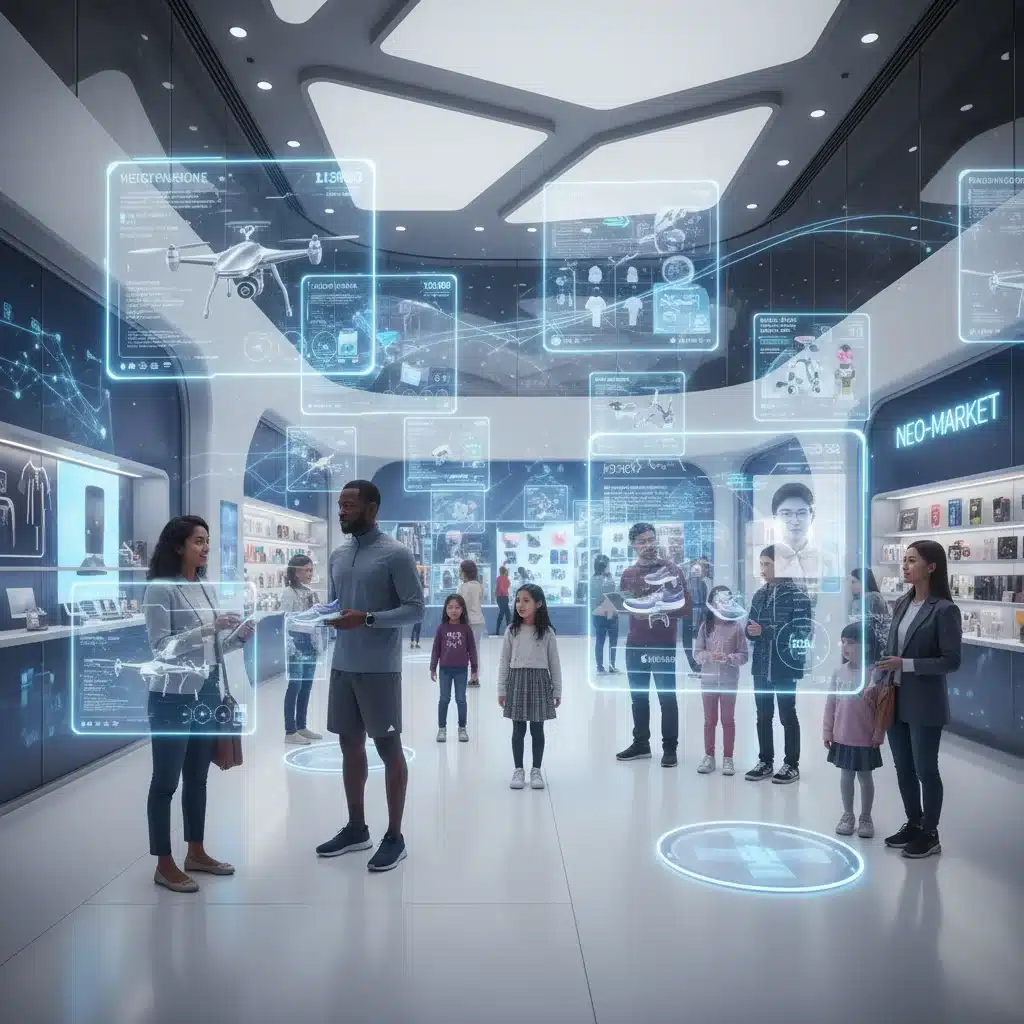
Hyper-Personalization in Retail: 6 AI-Driven Strategies for a 2026 Market and a 10% Increase in Customer Loyalty
The retail landscape is undergoing a seismic shift, driven by evolving consumer expectations and the relentless march of technological innovation. In this dynamic environment, generic marketing and one-size-fits-all approaches are rapidly becoming obsolete. The future of retail, particularly by 2026, belongs unequivocally to hyper-personalization, a sophisticated strategy that leverages artificial intelligence to deliver highly relevant, individualized experiences to every customer. This isn’t merely about addressing customers by name; it’s about anticipating their needs, understanding their preferences at a granular level, and engaging with them in a way that feels intuitive, timely, and genuinely helpful. The promise of hyper-personalization is not just enhanced customer satisfaction; it’s a tangible increase in customer loyalty, with projections indicating a potential 10% boost, and a significant uplift in sales and market share. As we delve into the intricacies of AI retail personalization, we will explore six pivotal AI-driven strategies that are set to redefine the retail experience and secure market leadership in the coming years.
The imperative for retailers to embrace AI retail personalization is clearer than ever. Consumers today are inundated with choices and information. They expect brands to understand them, to offer products and services that align perfectly with their lifestyles, and to communicate in a way that resonates personally. AI provides the tools to move beyond segmentation to individualization, creating a truly bespoke shopping journey. From predictive analytics that foresee future purchasing behaviors to real-time recommendations that adapt to immediate interactions, AI is the engine powering this revolution. By implementing these advanced strategies, retailers can not only meet but exceed customer expectations, fostering deeper connections and building a loyal customer base that will thrive in the competitive 2026 market.
The Evolution of Personalization: From Segmentation to Hyper-Personalization
To fully grasp the power of AI retail personalization, it’s crucial to understand its evolution. Historically, personalization began with broad market segmentation, grouping customers based on demographics or general purchasing habits. This evolved into more refined segmentation, utilizing psychographics and behavioral data to create smaller, more targeted groups. While effective to a degree, these methods still treated customers as part of a collective rather than as unique individuals. The advent of AI has ushered in the era of hyper-personalization, where the focus shifts entirely to the individual. This advanced form of personalization uses machine learning algorithms to analyze vast amounts of data – including browsing history, purchase patterns, real-time interactions, social media activity, and even emotional responses – to create a dynamic, constantly evolving profile for each customer. This allows retailers to deliver messages, product recommendations, and experiences that are not just relevant, but precisely tailored to that specific individual at that specific moment. This level of precision is what drives the projected 10% increase in customer loyalty, as consumers feel truly understood and valued.
The transition to hyper-personalization is not merely a technological upgrade; it represents a fundamental philosophical shift in how retailers approach their customers. It moves beyond transactions to relationships, fostering a sense of connection and trust that is increasingly rare in the digital age. For retailers aiming for success in 2026, embracing this evolution is not optional; it is a strategic imperative. Those who fail to adapt will find themselves struggling to compete against brands that are actively leveraging AI retail personalization to create superior customer experiences and cultivate unwavering loyalty.
Strategy 1: Predictive Analytics for Proactive Product Recommendations
One of the most potent applications of AI retail personalization lies in predictive analytics. Instead of reacting to customer behavior, AI allows retailers to anticipate it. By analyzing historical purchase data, browsing patterns, wish lists, seasonal trends, and even external factors like weather or economic indicators, AI algorithms can accurately predict what a customer is likely to buy next. This enables retailers to proactively recommend products or services before the customer even realizes they need them. Imagine a customer who frequently buys running shoes and sportswear. AI could predict their next purchase of a new pair of running shorts based on the typical lifespan of their previous purchases, upcoming seasonal changes, or even their participation in local marathons. This isn’t just about showing related items; it’s about understanding the customer’s lifestyle and journey.
Implementing predictive analytics for product recommendations involves sophisticated machine learning models that continuously learn and refine their predictions. These models can identify subtle correlations and patterns that would be impossible for human analysts to detect. The benefits are manifold: increased conversion rates, higher average order values, and a more seamless shopping experience. When recommendations are consistently accurate and timely, customers perceive the brand as helpful and insightful, strengthening their loyalty. This proactive approach to AI retail personalization is a cornerstone for achieving the desired 10% increase in customer loyalty by 2026, as it demonstrates a deep understanding of individual customer needs.
Strategy 2: Real-time Dynamic Pricing and Promotions
Dynamic pricing, powered by AI retail personalization, is another game-changer. This strategy involves adjusting product prices and promotions in real-time based on a multitude of factors, including customer behavior, demand, competitor pricing, inventory levels, and even individual customer price sensitivity. For example, AI can identify a customer who regularly browses a specific category but rarely converts. Based on their past interactions and perceived price elasticity, the AI might trigger a personalized discount offer or a limited-time promotion designed to nudge them towards purchase without eroding profit margins for other customers. Conversely, for a highly loyal customer who frequently purchases at full price, the AI might prioritize offering exclusive early access to new products rather than discounts, thus reinforcing their premium experience.
The complexity of managing real-time dynamic pricing across thousands of products and millions of customers is only feasible with AI. These systems continuously monitor market conditions and individual customer profiles, making instantaneous adjustments. This not only optimizes revenue for the retailer but also enhances the perceived value for the customer. When promotions feel tailored and timely, they are far more impactful than generic sales. This strategic use of AI retail personalization ensures that each customer receives an offer that is most likely to resonate with them, contributing significantly to both conversion rates and long-term customer loyalty. By 2026, retailers who master this strategy will have a distinct competitive advantage in maximizing both sales and customer satisfaction.
Strategy 3: AI-Powered Personalized Content and Communication
Beyond product recommendations and pricing, AI retail personalization extends to all forms of customer communication and content. This means tailoring website content, email marketing, push notifications, and even in-app messages to individual preferences. AI can analyze a customer’s browsing history, past purchases, engagement with previous communications, and demographic data to craft highly relevant messages. For instance, an AI might detect that a customer frequently views blog posts about sustainable fashion. In response, it could send an email highlighting a new eco-friendly clothing line, featuring relevant articles, and even personalizing the subject line and sender name to enhance engagement.
This strategy moves away from generic newsletters and towards a personalized content stream that feels like a conversation rather than a broadcast. AI can dynamically alter website layouts, product displays, and even the language used on a page to match a customer’s known preferences. For example, a customer who prefers minimalist designs might see a cleaner interface, while another who enjoys detailed product specifications might see more in-depth information upfront. This level of personalized content and communication, driven by AI retail personalization, creates a more engaging and less intrusive brand experience. It builds trust and makes customers feel understood, directly contributing to the goal of increasing customer loyalty by 10% by 2026. The ability to speak directly to the individual, with content that truly matters to them, is invaluable in today’s crowded digital landscape.
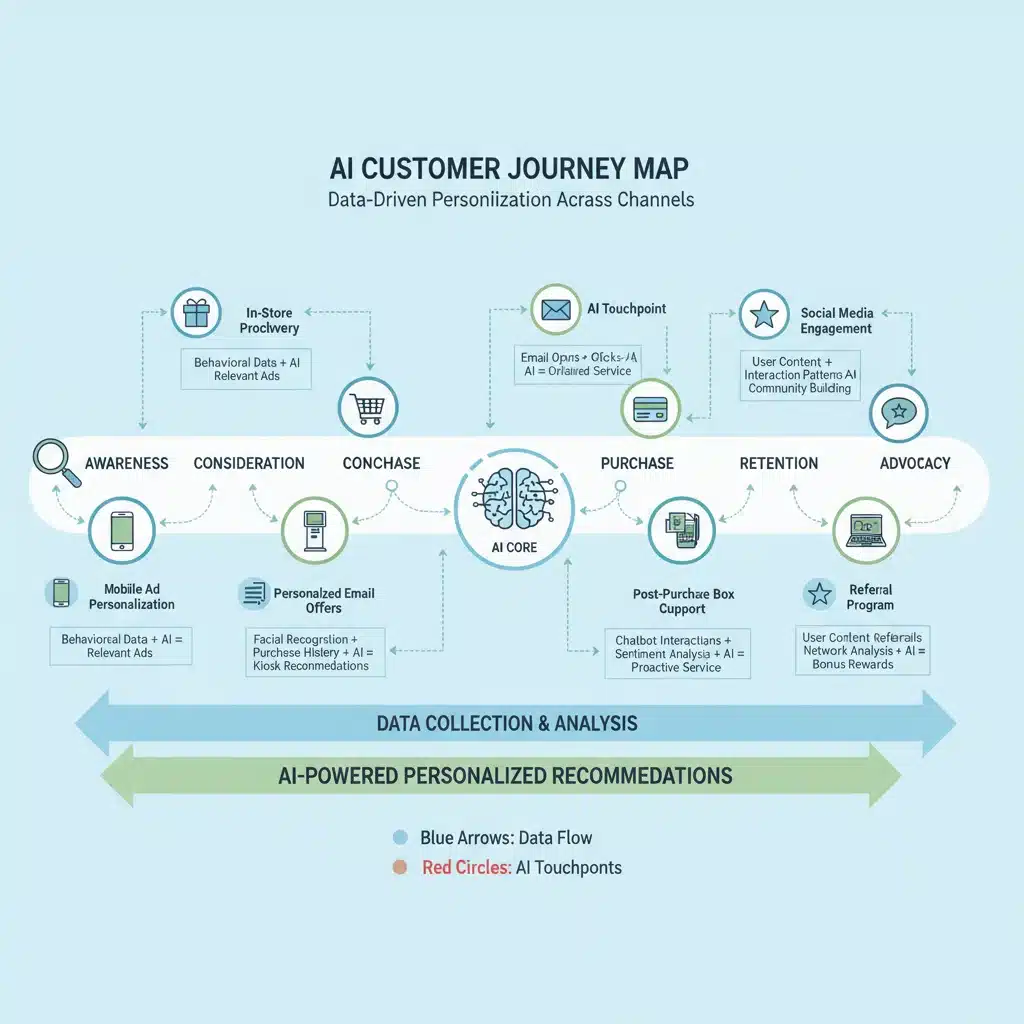
Strategy 4: Omnichannel Personalization for Seamless Experiences
In the modern retail environment, customers interact with brands across multiple touchpoints: websites, mobile apps, social media, physical stores, and customer service. True AI retail personalization requires a seamless, consistent experience across all these channels – an omnichannel approach. AI serves as the central intelligence hub, collecting and synthesizing data from every interaction point to create a unified customer profile. This ensures that personalization efforts are cohesive and continuous, regardless of how or where the customer chooses to engage. For example, if a customer browses a product on a mobile app but doesn’t purchase, AI can ensure that when they later visit the physical store, a sales associate (equipped with a tablet showing their online history) can offer targeted assistance, or an in-store kiosk might display a personalized offer for that very product.
The power of omnichannel AI retail personalization lies in eliminating friction and making every interaction feel connected and informed. It prevents the frustrating experience of being treated as a new customer every time they switch channels. By maintaining a consistent understanding of customer preferences and behaviors across all touchpoints, AI enables retailers to deliver a truly integrated and personalized journey. This holistic view not only improves the immediate shopping experience but also significantly contributes to long-term customer loyalty. By 2026, customers will expect this level of seamlessness, and retailers who fail to provide it will quickly fall behind. An integrated AI system is the key to unlocking this unified customer experience, driving both satisfaction and retention.
Strategy 5: AI-Powered Virtual Assistants and Chatbots
Customer service is a critical component of the retail experience, and AI retail personalization is transforming it through intelligent virtual assistants and chatbots. These AI-powered tools can provide instant, personalized support 24/7, answering queries, guiding customers through product selection, and even resolving issues. Unlike traditional chatbots that follow rigid scripts, AI-driven virtual assistants leverage natural language processing (NLP) and machine learning to understand customer intent, access their personalized profiles, and provide highly relevant and empathetic responses. For instance, a customer asking about sizing for a particular dress could receive not only standard size charts but also personalized recommendations based on their past purchases and known fit preferences.
These virtual assistants can handle a vast volume of routine inquiries, freeing up human customer service agents to focus on more complex issues, thereby improving overall efficiency and customer satisfaction. More importantly, they offer a personalized interaction that makes customers feel heard and valued. The ability to receive immediate, accurate, and personalized assistance significantly enhances the customer journey and builds trust. This strategic application of AI retail personalization directly contributes to a stronger relationship between the brand and its customers, making a substantial impact on the projected 10% increase in customer loyalty by 2026. As AI continues to advance, these virtual assistants will become even more sophisticated, offering proactive help and anticipating customer needs before they are explicitly stated.
Strategy 6: Leveraging AI for Personalized In-Store Experiences
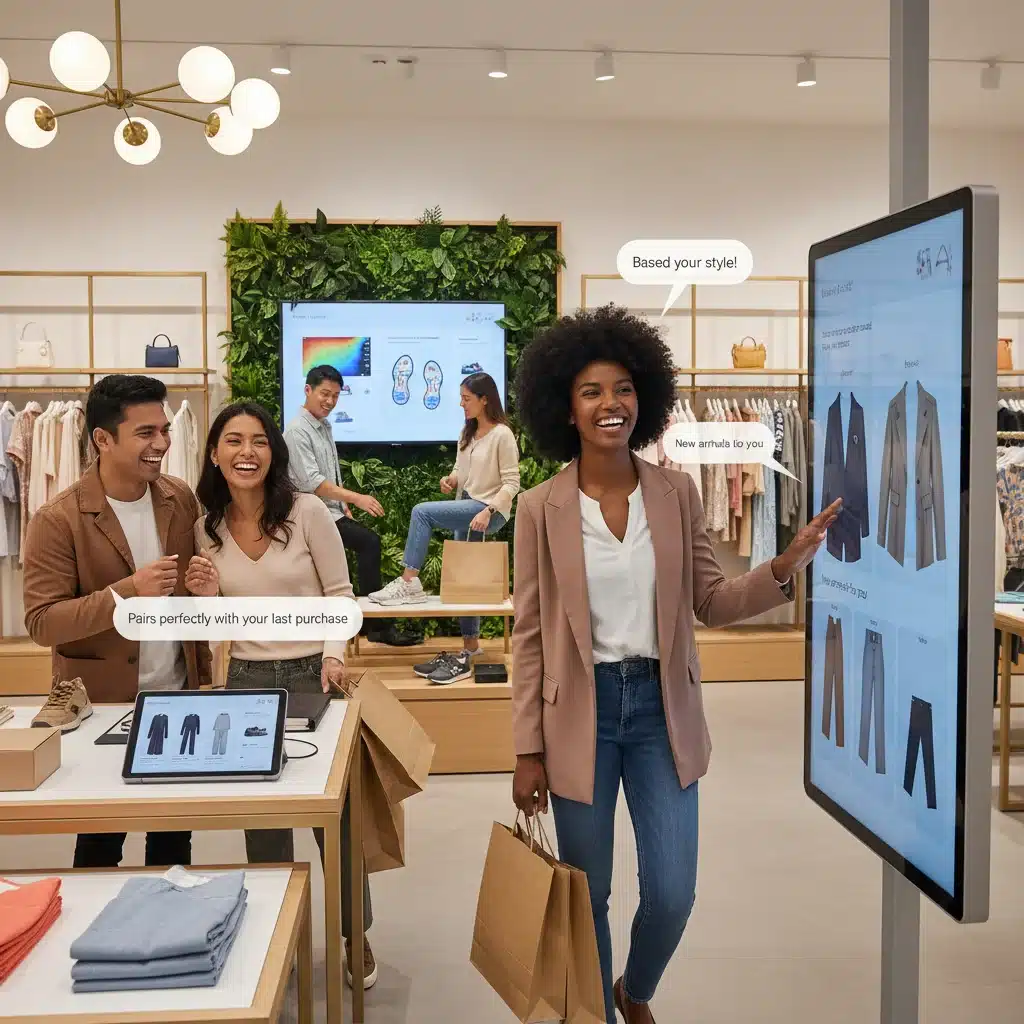
While much of the discussion around AI retail personalization often focuses on digital channels, its application in physical stores is equally transformative. AI can bridge the gap between online insights and offline interactions, creating a truly integrated retail experience. Technologies such as smart mirrors, AI-powered sensors, and mobile apps can bring personalization directly into the brick-and-mortar environment. For example, a customer using a store’s mobile app could receive personalized in-store navigation to products on their wish list, or real-time promotions as they pass by relevant sections. Smart mirrors could offer personalized styling advice, suggest complementary items based on a customer’s profile, or even allow them to virtually try on clothes.
AI can also empower sales associates with real-time customer data, allowing them to offer highly personalized assistance. Imagine an associate knowing a customer’s online browsing history, preferred brands, and past purchases the moment they walk into the store. This enables them to provide tailored recommendations and service, elevating the in-store experience from transactional to relational. By integrating AI into physical retail, brands can create engaging, efficient, and deeply personalized shopping journeys that reinforce customer loyalty. This fusion of digital intelligence and physical interaction is a crucial element for retailers aiming to thrive in the 2026 market, demonstrating that AI retail personalization is not confined to the digital realm but enhances every facet of the customer experience.
Challenges and Considerations for Implementing AI Retail Personalization
While the benefits of AI retail personalization are undeniable, implementing these strategies comes with its own set of challenges. Data privacy and security are paramount. Retailers must ensure transparent data collection practices and robust security measures to protect customer information. Building trust around data usage is crucial for maintaining customer loyalty. Furthermore, the quality and quantity of data are vital for effective AI. “Garbage in, garbage out” holds true; therefore, retailers need to invest in robust data infrastructure and data governance strategies to ensure the accuracy and completeness of their customer insights.
Another significant consideration is the integration of AI systems with existing legacy systems. Many retailers operate with disparate systems, making a unified view of the customer challenging. This requires strategic planning and potentially significant investment in new technologies or integration platforms. Moreover, the ethical implications of AI, such as potential biases in algorithms or the risk of making personalization feel intrusive rather than helpful, must be carefully managed. Retailers need to strike a balance, using AI to enhance the customer experience without crossing the line into creepiness or perceived manipulation. Continuous monitoring, ethical guidelines, and a human-centric approach to AI design are essential for successful and sustainable AI retail personalization. Overcoming these hurdles is key to unlocking the full potential of AI and achieving that 10% loyalty increase by 2026.
Measuring Success: KPIs for AI Retail Personalization
To truly understand the impact of AI retail personalization strategies, retailers must establish clear Key Performance Indicators (KPIs). Beyond the overarching goal of a 10% increase in customer loyalty, specific metrics can provide granular insights into the effectiveness of each AI initiative. Key KPIs include:
- Conversion Rate: Tracking how personalized recommendations or promotions lead to completed purchases.
- Average Order Value (AOV): Assessing if personalized upsell and cross-sell strategies increase the total value of each transaction.
- Customer Lifetime Value (CLTV): A long-term metric that measures the total revenue a customer is expected to generate over their relationship with the brand, directly reflecting loyalty.
- Churn Rate: Monitoring the rate at which customers stop purchasing or engaging, aiming for a reduction through personalized retention efforts.
- Engagement Rates: Measuring clicks, open rates, and interaction times for personalized emails, website content, and chatbot interactions.
- Return Rate: Analyzing if hyper-personalization leads to more accurate purchases and fewer returns, indicating better product-customer fit.
- Customer Satisfaction (CSAT) and Net Promoter Score (NPS): Directly surveying customers to gauge their satisfaction with personalized experiences and their likelihood to recommend the brand.
By rigorously tracking these KPIs, retailers can continuously optimize their AI retail personalization efforts, refine algorithms, and demonstrate a clear ROI. This data-driven approach ensures that AI investments are not just technologically advanced but also strategically sound and financially beneficial, solidifying the path to market leadership in 2026.
The Future is Now: Embracing AI for Sustainable Growth
The journey towards hyper-personalization is not a destination but a continuous process of learning, adaptation, and innovation. For retailers aiming to thrive in the competitive market of 2026 and beyond, embracing AI retail personalization is no longer an option but a strategic imperative. The six strategies outlined – predictive analytics, real-time dynamic pricing, personalized content, omnichannel experiences, AI-powered virtual assistants, and in-store personalization – form a comprehensive framework for achieving significant gains in customer loyalty, operational efficiency, and revenue growth. The projected 10% increase in customer loyalty is a conservative estimate, as the deeper connections forged through truly personalized experiences often lead to much greater advocacy and lifetime value.
As AI technology continues to evolve, its capabilities for understanding and engaging with customers will only become more sophisticated. Retailers who invest now in building robust AI capabilities, fostering a data-driven culture, and prioritizing ethical AI practices will be the ones that define the future of retail. The brands that successfully implement these AI-driven strategies will not only meet the escalating expectations of modern consumers but will also create a sustainable competitive advantage, ensuring their relevance and profitability in an increasingly personalized world. The future of retail is personal, and AI is the key to unlocking its full potential. Start your journey with AI retail personalization today to secure your position as a leader in the retail landscape of tomorrow.