Data Privacy in 2026: Navigating New Global Regulations and Online Interactions

Data Privacy in 2026: Navigating New Global Regulations and Online Interactions
The digital world is in constant flux, and nowhere is this more evident than in the realm of global data privacy. As we look towards 2026, the landscape of how personal information is collected, processed, and stored is undergoing a seismic shift. New regulations are emerging, building upon existing frameworks like GDPR and CCPA, and promising to reshape an astounding 95% of all online interactions. For businesses, individuals, and policymakers alike, understanding these impending changes is not just beneficial; it’s absolutely critical for navigating the future of the internet.
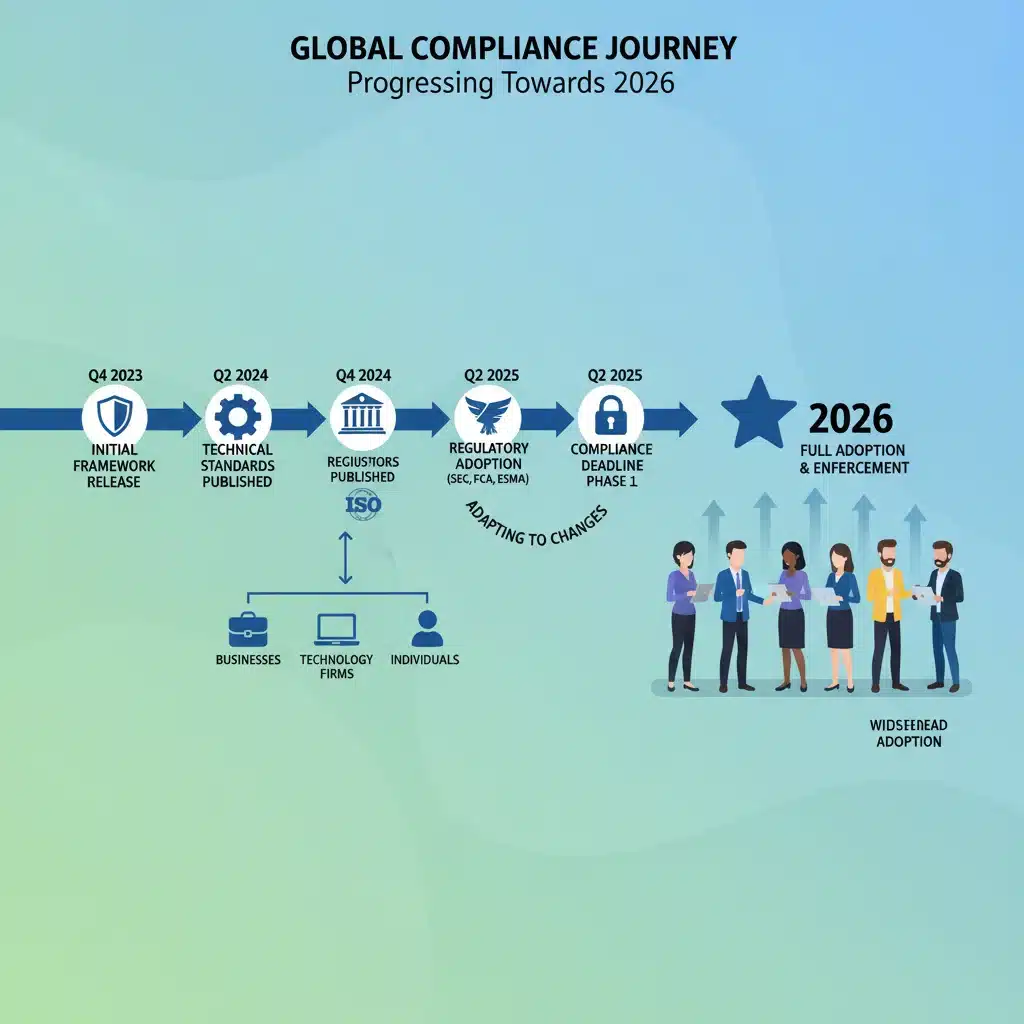
The concept of global data privacy has evolved from a niche concern to a mainstream imperative. Gone are the days when companies could operate with impunity regarding user data. Today, consumers are more aware of their digital rights, and governments worldwide are responding with increasingly stringent legislation. The year 2026 marks a pivotal point, with several key regulations coming into full effect or seeing significant amendments that will demand a proactive approach from anyone operating online.
This comprehensive guide will delve into three of the most significant new regulations poised to redefine global data privacy by 2026. We’ll explore their core tenets, analyze their far-reaching implications, and provide actionable insights for achieving compliance and fostering a culture of data respect. Prepare to understand not just what’s coming, but how to thrive within this new, more secure digital ecosystem.
The Shifting Sands of Global Data Privacy: A 2026 Perspective
The journey to 2026 is paved with intensified scrutiny on how data is handled across borders. The notion of global data privacy is no longer theoretical; it’s a practical reality that demands immediate attention. Businesses that fail to adapt risk significant penalties, reputational damage, and a loss of consumer trust. Conversely, those that embrace these changes can gain a competitive edge by demonstrating a commitment to ethical data practices.
The interconnected nature of the internet means that a regulation enacted in one region can have ripple effects across the globe. This interconnectedness is precisely why a holistic understanding of global data privacy is essential. It’s not enough to comply with local laws; businesses must consider the cumulative impact of international legislation on their operations, especially when dealing with users or data originating from various jurisdictions.
Regulation 1: The Enhanced Digital Sovereignty Act (EDSA)
One of the most impactful new frameworks is the Enhanced Digital Sovereignty Act (EDSA), expected to be fully implemented across a consortium of nations by early 2026. EDSA takes a robust stance on data localization and the control of personal data within national borders. Its primary aim is to empower individual countries to dictate how their citizens’ data is stored, processed, and transferred, reducing reliance on foreign data centers and cloud services.
Key provisions of EDSA include:
- Strict Data Localization Requirements: For certain categories of sensitive personal data, EDSA mandates that data must be stored and processed exclusively within the originating country’s physical borders. This significantly impacts multinational corporations that rely on centralized data infrastructure.
- Enhanced Cross-Border Data Transfer Controls: While not entirely prohibiting international data transfers, EDSA introduces a new tiered system of approval and stricter contractual obligations. Companies must demonstrate a higher level of data protection in the recipient country, often requiring explicit governmental approval or adherence to specific, pre-approved data transfer mechanisms.
- Increased Fines for Non-Compliance: EDSA proposes a penalty structure that is even more severe than existing regulations, with fines potentially reaching a significant percentage of a company’s global annual turnover for egregious violations. This underscores the seriousness with which these nations view data sovereignty.
- Right to Digital Self-Determination: Beyond just data protection, EDSA grants individuals a more expansive ‘right to digital self-determination,’ allowing them greater control over how their data is used for AI training, algorithmic decision-making, and even its lifespan on various platforms.
The implications of EDSA for global data privacy are profound. Companies will need to reassess their entire data architecture, potentially investing in localized infrastructure or partnering with local data providers. The legal and compliance teams will face the daunting task of navigating complex cross-border transfer agreements and ensuring adherence to varied national interpretations of the act. For consumers, EDSA promises greater assurance that their data remains under the jurisdiction of their national laws.
Regulation 2: The Universal Data Transparency and Accountability Framework (UDTAF)
The Universal Data Transparency and Accountability Framework (UDTAF) is another groundbreaking regulation set to dramatically alter global data privacy by 2026. Unlike EDSA’s focus on national sovereignty, UDTAF emphasizes universal principles of transparency, accountability, and user control, aiming for a more harmonized approach across diverse legal systems. This framework is being championed by a coalition of international bodies and is designed to create a baseline for data protection that transcends geographical boundaries.
Core components of UDTAF include:
- Mandatory Universal Consent Standards: UDTAF introduces a standardized, explicit, and granular consent mechanism that must be adopted by all online services. This goes beyond simple ‘accept all cookies’ banners, requiring clear explanations of data usage, easy withdrawal of consent, and specific opt-in for different data processing activities.
- Algorithmic Transparency Requirements: For the first time on a broad scale, UDTAF mandates a degree of transparency for algorithms that make significant decisions affecting individuals (e.g., credit scoring, job applications, content moderation). Companies will be required to explain the logic, significance, and potential consequences of such automated decision-making processes.
- Enhanced Data Portability and Interoperability: Building on existing data portability rights, UDTAF seeks to make it significantly easier for users to transfer their data between different service providers. It also encourages, and in some cases mandates, interoperability standards to prevent vendor lock-in and foster greater competition in the digital marketplace.
- Independent Data Protection Officers (DPOs) for All Significant Data Processors: UDTAF will make the appointment of an independent DPO a mandatory requirement for any entity processing substantial amounts of personal data, regardless of their physical location, if they serve users in UDTAF-compliant regions.

UDTAF’s impact on global data privacy cannot be overstated. It pushes companies towards a culture of ‘privacy by design’ and ‘privacy by default,’ where data protection is integrated into every stage of product development and service delivery. The emphasis on algorithmic transparency will challenge many tech companies, requiring them to open up previously proprietary systems to scrutiny. For individuals, UDTAF promises unprecedented control and understanding of how their digital footprint is utilized.
Regulation 3: The Cross-Sectoral Data Ethics Initiative (CSDEI)
While EDSA and UDTAF focus heavily on legal frameworks and operational compliance, the Cross-Sectoral Data Ethics Initiative (CSDEI) approaches global data privacy from a different angle: ethical governance. Launched by a consortium of leading tech organizations, academic institutions, and consumer advocacy groups, CSDEI is a voluntary yet highly influential framework designed to establish ethical benchmarks for data handling across various industries. While not a legally binding regulation in the traditional sense, adherence to CSDEI principles is rapidly becoming a de facto requirement for maintaining reputation and market access.
The core tenets of CSDEI include:
- Ethical AI Development Guidelines: CSDEI provides comprehensive guidelines for the ethical development and deployment of artificial intelligence, focusing on fairness, accountability, and the avoidance of bias. This includes recommendations for data sourcing, model training, and continuous monitoring to ensure ethical outcomes.
- Data Minimization and Purpose Limitation Best Practices: Reinforcing existing legal principles, CSDEI promotes advanced best practices for collecting only the data strictly necessary for a stated purpose and ensuring that data is not repurposed without explicit, informed consent.
- Accountability for Data Breaches Beyond Legal Minimums: CSDEI encourages organizations to go beyond legal notification requirements in the event of a data breach, advocating for transparent communication, comprehensive support for affected individuals, and proactive measures to prevent future incidents, even if not strictly mandated by law.
- Promotion of Privacy-Enhancing Technologies (PETs): The initiative actively champions the adoption and development of PETs such as differential privacy, homomorphic encryption, and secure multi-party computation to enhance data protection at every stage of the data lifecycle.
The CSDEI, though voluntary, is set to profoundly influence the culture of global data privacy. Companies that publicly commit to its principles will likely gain a significant advantage in consumer trust and brand loyalty. It represents a maturation of the data privacy discussion, moving beyond mere legal compliance to encompass a broader ethical responsibility. For individuals, it offers a framework for identifying organizations that prioritize their digital well-being.
The Cumulative Impact on 95% of Online Interactions
The combined force of EDSA, UDTAF, and CSDEI is projected to impact an astonishing 95% of all online interactions by 2026. This isn’t just about websites needing new cookie banners; it’s about a fundamental re-engineering of how data flows across the internet, how services are designed, and how users experience the digital world.
Consider the daily online interactions:
- Browsing Websites: Websites will need to implement more sophisticated consent management platforms (UDTAF), potentially geo-fencing data storage based on user location (EDSA), and adhering to ethical tracking practices (CSDEI).
- Using Social Media: Platforms will face stricter rules on algorithmic content curation (UDTAF), data localization for user profiles (EDSA), and ethical guidelines for targeted advertising (CSDEI).
- Online Shopping: E-commerce sites will need to ensure secure and localized payment data processing (EDSA), offer transparent explanations of how purchasing data is used for recommendations (UDTAF), and adhere to ethical data retention policies (CSDEI).
- Utilizing Cloud Services: Cloud providers will be at the forefront of EDSA compliance, needing to offer localized data centers and robust cross-border transfer agreements. UDTAF will push for greater transparency in their data processing practices, and CSDEI will guide their ethical AI development for features like intelligent search.
- Engaging with AI Tools: From chatbots to generative AI, these tools will be under immense scrutiny. UDTAF will demand algorithmic transparency, EDSA might localize training data, and CSDEI will set the ethical benchmarks for bias mitigation and responsible use.
This widespread impact means that businesses can no longer view data privacy as a peripheral concern. It must be at the core of their digital strategy, influencing everything from product development to marketing and customer service. The era of ‘move fast and break things’ with data is definitively over; the future demands ‘move thoughtfully and build trust.’
Navigating the New Global Data Privacy Landscape: A Strategic Guide
For organizations, adapting to the 2026 global data privacy landscape requires a multi-faceted approach. Proactive planning and investment are key to avoiding penalties and building lasting customer relationships.
1. Conduct a Comprehensive Data Audit and Mapping
Before any significant changes can be made, organizations must have a clear understanding of their current data footprint. This involves:
- Identifying all personal data collected, stored, processed, and transmitted.
- Mapping data flows across systems, departments, and international borders.
- Categorizing data by sensitivity and regulatory relevance.
- Documenting the legal basis for processing each type of data.
This audit will reveal areas of non-compliance and highlight where new infrastructure or processes are needed to meet EDSA’s localization requirements or UDTAF’s consent standards.
2. Update Consent Management Platforms and Practices
UDTAF’s universal consent standards demand a significant overhaul of how consent is obtained and managed. Organizations should:
- Implement granular consent options, allowing users to choose exactly what data they share and for what purpose.
- Ensure consent mechanisms are easily accessible, understandable, and allow for easy withdrawal at any time.
- Regularly review and update privacy policies to reflect new regulations and practices, making them clear and concise.
- Invest in robust consent management platforms (CMPs) that can handle the complexities of multiple regulations and user preferences.
3. Reassess Data Architecture and Infrastructure
EDSA’s data localization mandates will require many businesses to reconsider their global data infrastructure. This might involve:
- Establishing local data centers or partnering with in-country cloud providers in key jurisdictions.
- Implementing data segregation strategies to ensure sensitive data remains within specific geographical boundaries.
- Revisiting cross-border data transfer agreements to ensure they meet the heightened scrutiny of EDSA and UDTAF, potentially utilizing new standard contractual clauses or seeking explicit approvals.
- Exploring decentralized data storage solutions that can offer greater flexibility and compliance with localization requirements.
4. Embrace Privacy-by-Design and Security-by-Design Principles
The new regulatory environment makes privacy and security non-negotiable from the outset of any project. This means:
- Integrating privacy considerations into the earliest stages of product and service development (Privacy-by-Design).
- Conducting Data Protection Impact Assessments (DPIAs) and Privacy Impact Assessments (PIAs) as standard practice for new initiatives.
- Implementing robust security measures (encryption, access controls, intrusion detection) at every layer of the data lifecycle (Security-by-Design).
- Regularly training employees on global data privacy best practices and the importance of data protection.
5. Invest in Algorithmic Transparency and Ethical AI
UDTAF’s algorithmic transparency requirements and CSDEI’s ethical AI guidelines present a new challenge. Organizations should:
- Develop internal policies and frameworks for ethical AI development and deployment.
- Invest in tools and expertise to document, explain, and audit algorithmic decision-making processes.
- Actively work to identify and mitigate biases in AI systems, especially those that impact individuals.
- Consider forming an internal ethics committee or appointing an AI Ethics Officer to oversee these efforts.
The emphasis on ethical AI and algorithmic transparency is not just about compliance; it’s about building trust in an increasingly automated world. Consumers are becoming more wary of ‘black box’ algorithms, and companies that can transparently demonstrate fairness and accountability will stand out.
6. Foster a Culture of Data Responsibility
Ultimately, compliance with global data privacy regulations is not just a legal or technical issue; it’s a cultural one. Every employee, from the CEO to the front-line staff, must understand their role in protecting personal data. This requires:
- Ongoing training and awareness programs that are tailored to different roles and responsibilities.
- Clear internal policies and procedures for data handling, incident response, and breach notification.
- Leadership commitment to prioritizing data privacy and ethics.
- Establishing clear lines of accountability for data protection within the organization.
A strong culture of data responsibility ensures that privacy is considered in day-to-day operations, not just during compliance audits.
The Future is Private: Opportunities in the New Landscape
While the prospect of new and stricter global data privacy regulations might seem daunting, it also presents significant opportunities. Companies that embrace these changes proactively can:
- Build Stronger Customer Trust: In an era of increasing data breaches and privacy concerns, demonstrating a commitment to protecting user data can be a major differentiator.
- Enhance Brand Reputation: Becoming known as a privacy-respecting organization can significantly boost brand image and attract privacy-conscious consumers.
- Gain a Competitive Advantage: Early adopters of robust privacy practices will be better positioned to expand into new markets and integrate with partners who prioritize compliance.
- Improve Data Quality and Management: The process of achieving compliance often leads to better data governance, cleaner data, and more efficient data management practices.
- Innovate Responsibly: By integrating privacy and ethics from the start, organizations can develop more sustainable and socially responsible products and services.
The year 2026 is not just a deadline; it’s a launchpad for a new era of digital interaction. An era where global data privacy is not an afterthought but a foundational pillar of trust, innovation, and responsible technology. The businesses and individuals who understand and adapt to these changes will be the ones who truly thrive in the evolving digital economy.
In conclusion, the impending global data privacy regulations of 2026 represent a critical juncture for the digital world. EDSA, UDTAF, and CSDEI, alongside their cumulative impact on 95% of online interactions, demand immediate attention and strategic adaptation. By understanding these frameworks, re-evaluating current practices, and fostering a culture of data responsibility, organizations can not only ensure compliance but also build a more trustworthy, ethical, and sustainable digital future. The time to prepare is now, ensuring that your digital footprint is not just compliant, but exemplary in the age of enhanced data privacy.