The Rise of Digital Art Collectibles: A 2026 Cultural Shift Explained in 3 Minutes
The art world is no stranger to evolution, but rarely has it experienced a seismic shift as profound and rapid as the one brought about by Digital Art Collectibles. What once seemed like a niche interest for tech enthusiasts has, by 2026, become a significant cultural phenomenon, challenging traditional notions of ownership, value, and artistic expression. This article aims to distill the essence of this revolution, offering a concise yet comprehensive understanding of how digital art collectibles, primarily Non-Fungible Tokens (NFTs), have reshaped our cultural landscape in just a few short years.
Understanding the trajectory of Digital Art Collectibles requires a look back at their nascent stages. While digital art has existed for decades, the advent of blockchain technology, particularly Ethereum, provided the missing piece: verifiable scarcity and ownership. Before NFTs, a digital image could be endlessly copied and shared, making its ‘original’ virtually indistinguishable from its duplicates. Blockchain changed this by creating a unique, immutable record of ownership for each digital asset, transforming mere files into valuable collectibles.
The Genesis of a Revolution: From CryptoPunks to Mainstream Acceptance
The early days of Digital Art Collectibles were marked by experimental projects like CryptoPunks and CryptoKitties. These pixelated avatars and digital cat breeding games, while seemingly trivial at the time, laid the groundwork for what was to become a multi-billion dollar industry. They introduced the concept of digital scarcity and demonstrated the power of community around these unique digital assets. The early adopters were predominantly from the cryptocurrency space, drawn by the innovative technology and the potential for speculative investment.
However, the real turning point came when traditional art institutions and high-profile artists began to take notice. Beeple’s ‘Everydays: The First 5000 Days’ selling for over $69 million at Christie’s in 2021 was a watershed moment. It signaled to the world that Digital Art Collectibles were not just a passing fad but a legitimate, valuable asset class. This event, more than any other, propelled NFTs into the mainstream consciousness, attracting artists, collectors, and investors from all corners of the globe.
By 2026, the landscape of Digital Art Collectibles has matured considerably. While the initial frenzy saw many questionable projects, the market has begun to consolidate, with more robust platforms, established artists, and discerning collectors. The technology has also evolved, offering more user-friendly interfaces, enhanced security features, and greater interoperability across different blockchain networks. This maturation has contributed significantly to their cultural integration.
What Drives the Value of Digital Art Collectibles?
The value proposition of Digital Art Collectibles is multifaceted. At its core, it’s about ownership of a unique digital asset, verifiable on a public ledger. But beyond mere ownership, several factors contribute to their perceived and actual value:
- Scarcity and Rarity: Like physical art, limited editions and unique pieces command higher prices. The blockchain ensures this scarcity is provable.
- Artistic Merit and Innovation: The quality of the artwork itself, the artist’s reputation, and the innovative use of digital mediums play a crucial role.
- Community and Social Status: Owning certain Digital Art Collectibles can grant access to exclusive online communities, events, or even future project benefits. This social capital is a powerful driver.
- Utility: Some NFTs offer utility beyond mere aesthetics, such as in-game assets, access passes, or voting rights in decentralized autonomous organizations (DAOs).
- Historical Significance: Early or pioneering NFT projects often hold historical value, much like early examples of traditional art movements.
- Speculation: The potential for future appreciation remains a significant factor for many investors.
The interplay of these factors creates a dynamic and often unpredictable market. However, as the market for Digital Art Collectibles matures, there’s a growing emphasis on intrinsic artistic value and long-term utility rather than purely speculative gains.
The Cultural Impact: Reshaping Art, Identity, and Commerce
The cultural shift brought about by Digital Art Collectibles is profound and far-reaching. It has democratized art creation and collection, giving artists direct access to a global audience without the need for traditional galleries or intermediaries. This has empowered a new generation of digital artists, many of whom were previously overlooked by the traditional art world.
Moreover, NFTs have introduced a new paradigm of digital identity. Owning a unique digital avatar or a piece of collectible art can become an extension of one’s online persona, signaling affiliations, tastes, and status within digital communities. This intertwining of art and identity is particularly prevalent in the metaverse, where digital assets serve as crucial components of virtual existence.
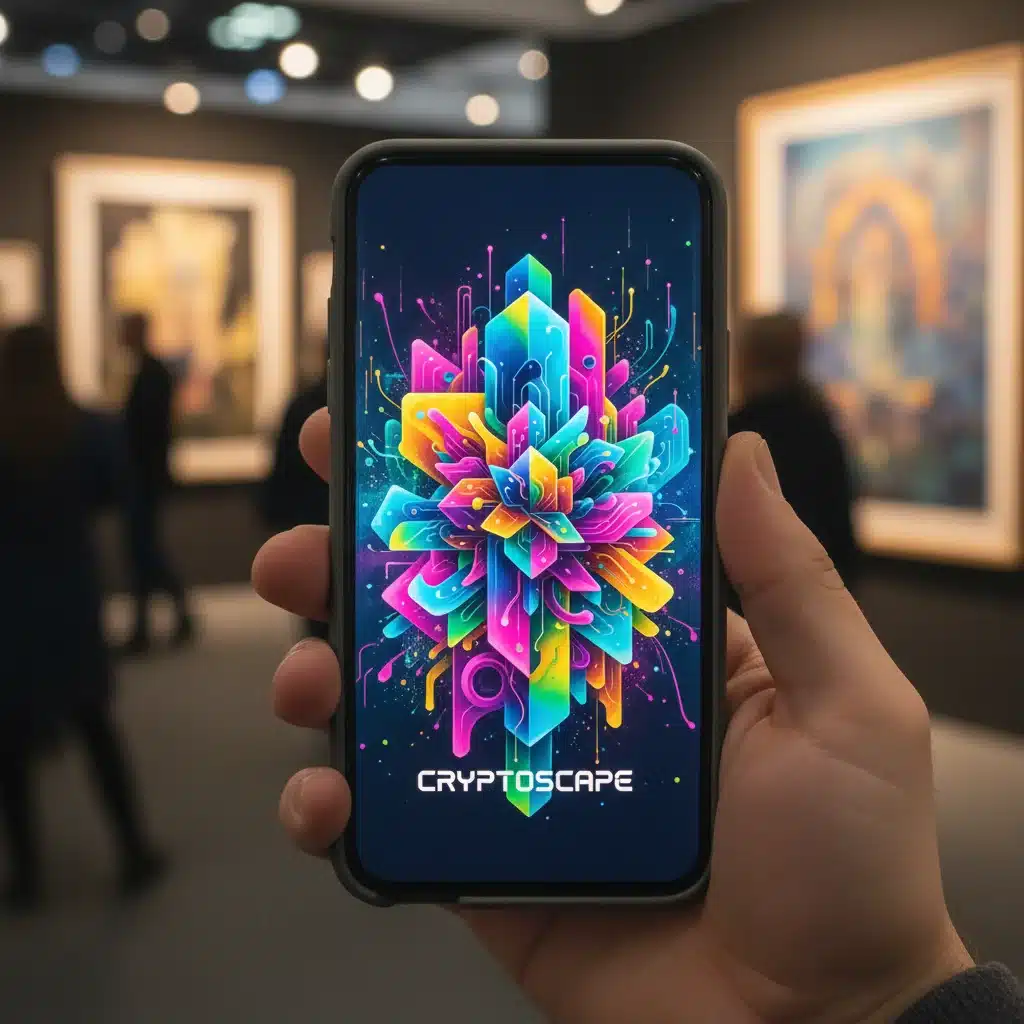
The concept of patronage has also been revitalized. Collectors can directly support artists they admire, receiving unique digital artifacts in return. This direct relationship fosters a more engaged and reciprocal ecosystem, moving beyond the often opaque structures of the traditional art market. The transparency of blockchain transactions means artists can also receive royalties on secondary sales of their work, a revolutionary concept that ensures long-term compensation for their creations.
Challenges and Criticisms: Navigating the Digital Frontier
Despite their undeniable rise, Digital Art Collectibles are not without their challenges and criticisms. Environmental concerns regarding the energy consumption of certain blockchain networks, particularly proof-of-work chains, have been a significant point of contention. While many newer blockchains and scaling solutions are addressing this, it remains a valid area of scrutiny.
Issues of copyright and intellectual property also persist. While an NFT confers ownership of a unique token on the blockchain, it doesn’t always transfer the underlying copyright of the artwork. This distinction can be confusing for new collectors and has led to instances of unauthorized minting and intellectual property infringement. The legal frameworks surrounding Digital Art Collectibles are still evolving, and clarity is needed to protect both creators and collectors.
Furthermore, the speculative nature of the market has led to volatility and instances of price manipulation. While this is not unique to NFTs, the rapid boom-and-bust cycles have deterred some potential participants. Education and robust market analytics are crucial for navigating these risks.
Security is another concern. While the blockchain itself is highly secure, individual wallets and platforms can be vulnerable to hacks and phishing attacks. Protecting one’s Digital Art Collectibles requires diligence and a clear understanding of best security practices.
The Future of Digital Art Collectibles: Beyond 2026
Looking beyond 2026, the trajectory of Digital Art Collectibles appears to be one of continued innovation and integration. We can expect several key developments:
- Enhanced Interoperability: NFTs will likely become more seamlessly transferable and usable across different metaverses, games, and platforms, increasing their utility and reach.
- Fractional Ownership: The ability to own a fraction of a high-value NFT could democratize access to expensive pieces, making blue-chip digital art more accessible to a wider range of collectors.
- Real-World Utility Integration: We’ll see more instances of NFTs bridging the digital and physical worlds, perhaps granting access to exclusive physical events, merchandise, or even serving as verifiable digital identities for real-world assets.
- Mainstream Adoption in Traditional Sectors: Beyond art, industries like fashion, music, gaming, and real estate are increasingly exploring how Digital Art Collectibles and NFTs can enhance their offerings and customer experiences.
- Regulatory Clarity: As the market matures, governments and regulatory bodies will likely establish clearer guidelines, providing a more stable and secure environment for participants.
- Sustainable Blockchain Solutions: The push for environmentally friendly blockchain technologies will continue, with more projects adopting energy-efficient consensus mechanisms.
The evolution of Digital Art Collectibles is intrinsically linked to the broader development of Web3 and the metaverse. As these technologies become more sophisticated and integrated into our daily lives, the role of unique digital assets will only grow in importance. They are not just pieces of art; they are foundational elements of a new digital economy and culture.
Investing in Digital Art Collectibles: What to Consider
For those considering entering the world of Digital Art Collectibles, a thoughtful approach is essential. It’s crucial to conduct thorough research, understand the underlying technology, and be aware of the inherent risks. Here are some considerations:
- Do Your Own Research (DYOR): Never invest based on hype alone. Understand the artist, the project, the community, and the blockchain it’s built on.
- Understand the Artist: Research the artist’s background, previous works, and reputation. Established artists often bring more credibility and potential long-term value.
- Community Strength: A strong, engaged community around an NFT project can be a significant indicator of its potential success and longevity.
- Utility and Roadmap: Does the NFT offer any utility beyond being a visual asset? Does the project have a clear roadmap for future development and benefits for holders?
- Blockchain Choice: Be aware of the blockchain your chosen NFT is built on. Different blockchains have varying fees, speeds, and security features.
- Security: Learn about wallet security, common scams, and how to protect your digital assets from theft.
- Start Small: It’s advisable to begin with smaller investments to gain experience and understand the market dynamics before committing significant capital.
- Long-Term vs. Short-Term: Decide whether you are collecting for long-term artistic appreciation and community engagement or for short-term speculative gains.
The market for Digital Art Collectibles can be highly volatile, and prices can fluctuate dramatically. Approaching it with a clear strategy and realistic expectations is key to a positive experience.
The Democratization of Art and Creative Expression
One of the most compelling aspects of Digital Art Collectibles is their potential to democratize the art world. Traditional art markets have historically been opaque, exclusive, and often inaccessible to emerging artists and new collectors. NFTs break down these barriers by providing a global, permissionless platform for creation, exhibition, and sale.
Artists from diverse backgrounds and geographies can now showcase their work directly to a worldwide audience, bypassing gatekeepers and retaining a larger share of the value generated. This has fostered an explosion of creativity, with new art forms and styles emerging that might not have found a home in conventional galleries. The ability to program royalties into NFTs also ensures that artists continue to benefit from their work in the secondary market, providing a sustainable income stream that was previously unheard of for digital creators.
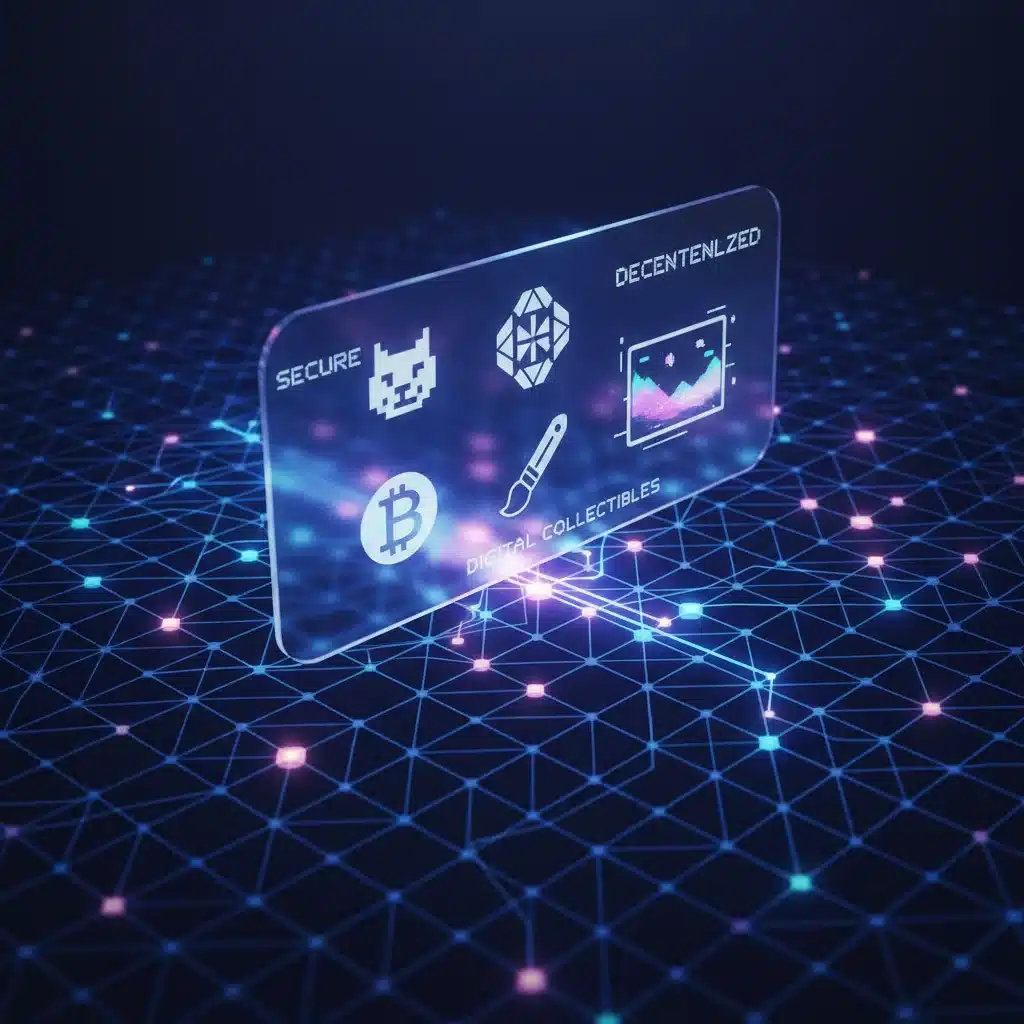
For collectors, the market offers unprecedented accessibility. Anyone with an internet connection and some cryptocurrency can participate, regardless of their geographical location or prior art collecting experience. This has led to a more diverse collector base, bringing fresh perspectives and contributing to the vibrant culture surrounding Digital Art Collectibles. The transparency of blockchain also means that provenance and transaction history are publicly verifiable, adding a layer of trust that can sometimes be lacking in traditional art markets.
Conclusion: A New Era of Artistic Ownership and Engagement
The rise of Digital Art Collectibles by 2026 is more than just a technological trend; it represents a profound cultural shift. It challenges our understanding of ownership, value, and the very nature of art in the digital age. While still evolving and facing legitimate challenges, the fundamental innovations brought forth by NFTs – verifiable scarcity, direct artist-collector relationships, and new forms of digital identity – have irrevocably altered the landscape of creative expression and commerce.
As we move further into the decade, Digital Art Collectibles will continue to mature, integrating more deeply into our digital and physical lives. They will likely become even more sophisticated, offering enhanced utility, greater interoperability, and a more stable regulatory environment. For artists, collectors, and enthusiasts, this new era promises unprecedented opportunities for creativity, engagement, and the redefinition of what it means to own a piece of culture in the 21st century. The 3 minutes spent understanding this shift are just the beginning of appreciating its lasting impact.