Music Streaming’s Evolution: 4 Unexpected Ways It’s Reshaping American Culture by 2026
In an era defined by rapid technological advancements, few innovations have permeated the fabric of American society as profoundly as music streaming. What began as a convenient alternative to physical media and digital downloads has blossomed into a ubiquitous cultural force, fundamentally altering how we discover, consume, and interact with music. By 2026, the ripple effects of this evolution are expected to manifest in ways that are not only significant but often unexpected, reshaping American culture in four distinct and compelling dimensions. Understanding these shifts is crucial for anyone keen on grasping the future trajectory of entertainment, community, and individual expression.
The journey of music streaming from niche service to cultural behemoth has been swift and transformative. Initially, platforms like Pandora and Spotify offered access to vast libraries, promising an end to the days of limited collections and expensive purchases. Today, these platforms, alongside Apple Music, Amazon Music, YouTube Music, and countless others, are integral to daily life for millions. They’ve democratized access to music, providing an unparalleled diversity of genres, artists, and sounds at our fingertips. But the impact extends far beyond mere accessibility. It delves into the very core of our cultural identity, influencing everything from social interactions and personal tastes to economic models and artistic creation. This article will explore four unexpected ways music streaming is reshaping American culture, offering a glimpse into a future where sound and society are inextricably linked.
The Democratization of Discovery and the Rise of Niche Micro-Cultures
One of the most profound, yet often underestimated, impacts of music streaming is its radical democratization of music discovery. Gone are the gatekeepers of yesteryear – radio programmers, MTV VJs, and record store clerks – who once dictated popular taste. In their place stands an algorithm-driven landscape where serendipity and personalization reign supreme. By 2026, this shift will have solidified the rise of countless niche micro-cultures, each fostered and sustained by the unique recommendation engines of streaming platforms.
Historically, popular music was largely defined by mass appeal, driven by extensive marketing campaigns and limited distribution channels. Today, an independent artist in a small town can reach a global audience with the click of a button, bypassing traditional industry hurdles. This has led to an explosion of diverse genres and sub-genres, each finding its dedicated audience. Think of the meteoric rise of genres like ‘lo-fi hip-hop beats to study/relax to,’ ‘hyperpop,’ or ‘bedroom pop’ – these aren’t products of mainstream radio, but rather organic phenomena cultivated within the digital ecosystem of streaming. These genres cater to highly specific moods, activities, or aesthetic preferences, forming the bedrock of tightly-knit online communities.
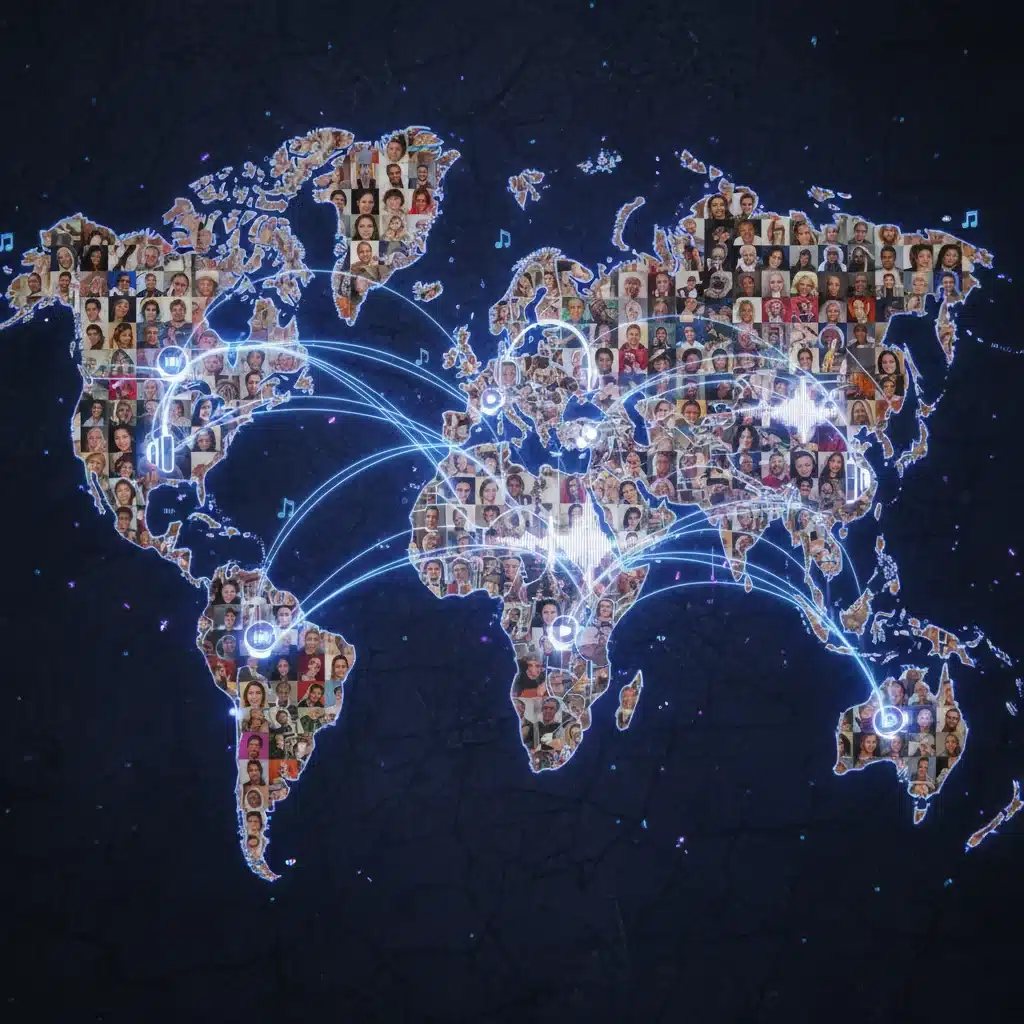
The unexpected consequence is a fragmentation of mainstream taste. While global superstars still exist, the collective cultural experience of listening to the same top 40 hits is diminishing. Instead, individuals are diving deeper into their personalized sonic worlds, connecting with others who share their hyper-specific musical inclinations. This creates a rich tapestry of micro-cultures, each with its own jargon, aesthetics, and social rituals. For instance, a fan of obscure 80s Japanese city pop can find thousands of like-minded individuals across the globe through curated playlists and online forums, creating a sense of belonging that transcends geographical boundaries.
Moreover, the algorithms themselves are becoming more sophisticated, not just reflecting existing tastes but actively shaping them. They introduce listeners to artists they might never have encountered, fostering an environment of constant musical exploration. This constant influx of new sounds challenges listeners to expand their sonic palates, leading to a more diverse and eclectic cultural landscape. The unexpected outcome is a generation of listeners with incredibly broad and individualized tastes, less beholden to monolithic trends and more open to exploring the vast ocean of human musical expression. By 2026, this ‘algodiversity’ will be a defining characteristic of American musical identity, making for a richer, more varied, and less predictable cultural soundscape.
The Evolution of Social Interaction and Community Building Through Shared Playlists
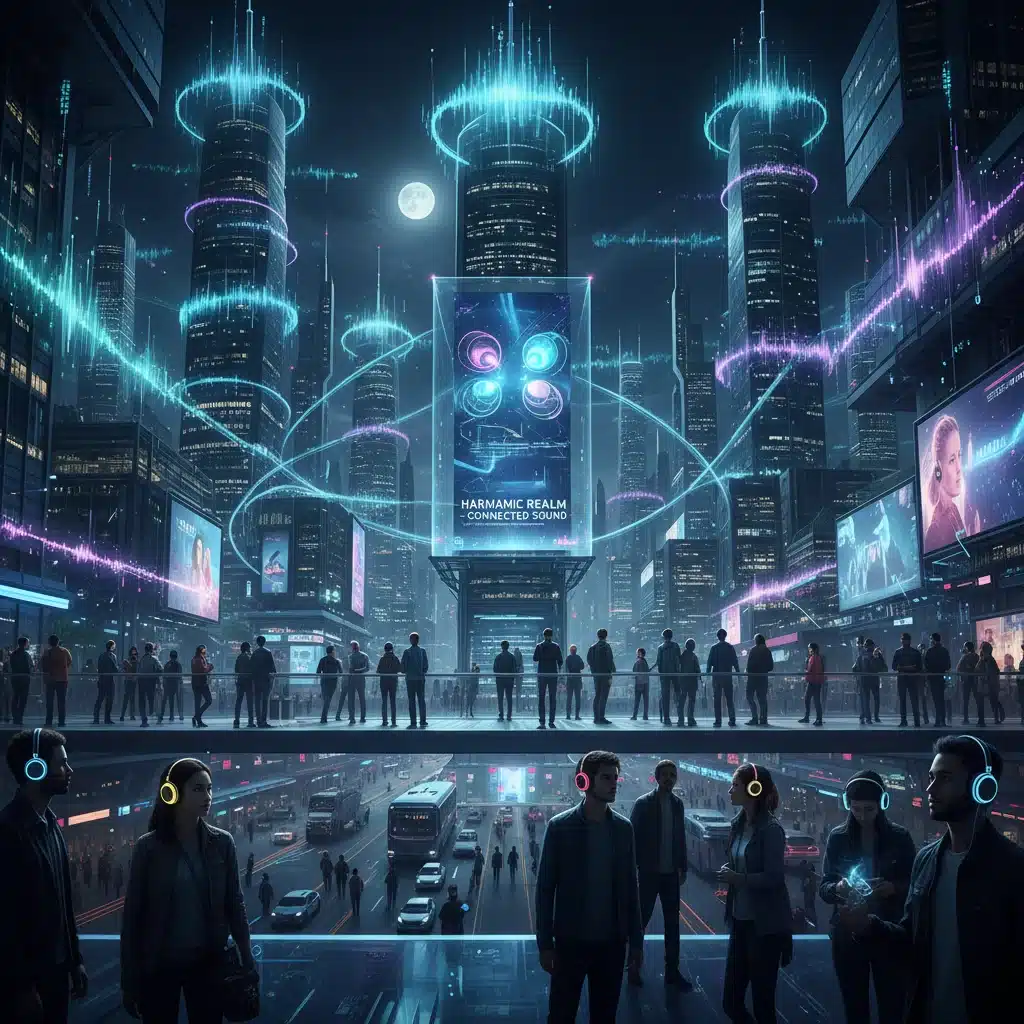
Beyond individual discovery, music streaming has quietly revolutionized the way Americans interact socially and build communities. The days of making mix CDs for friends or sharing earbuds are far from over, but they’ve been augmented and amplified by the digital native of shared playlists and collaborative listening experiences. By 2026, this aspect of music streaming culture will have solidified its role as a primary mechanism for social bonding, both online and offline.
Shared playlists, once a simple feature, have evolved into powerful tools for expression and connection. Friends, family members, and even strangers can curate collections of songs that tell a story, evoke a mood, or commemorate an event. These playlists become digital artifacts of shared experiences, fostering a sense of intimacy and understanding. Consider the growing trend of ‘couple’s playlists’ or ‘road trip playlists’ – these are more than just collections of songs; they are curated soundtracks to shared lives, deepening bonds through a common sonic thread.
The unexpected twist lies in the rise of collaborative playlists and real-time listening parties. Platforms now allow multiple users to contribute to a single playlist, turning music curation into a collective endeavor. This fosters active participation and negotiation, reflecting the dynamics of real-world social groups. Imagine a virtual house party where everyone takes turns being the DJ, adding tracks that resonate with the collective mood. This isn’t just about passive consumption; it’s about active co-creation of a shared sonic environment. Similarly, synchronized listening parties, where groups of friends or fans hit play on the same album or playlist at the same time, create a communal experience that mimics live events, even when participants are geographically dispersed.
Furthermore, music streaming platforms are increasingly integrating social features that allow for comments, reactions, and direct messaging around specific tracks or artists. This transforms the act of listening into a more interactive and conversational experience. Fans can dissect lyrics, debate interpretations, and celebrate their favorite artists together, forming vibrant online communities centered around shared musical passions. This extends beyond casual listening to significant cultural moments, such as the release of a highly anticipated album, where global fan bases converge virtually to experience and discuss it in real-time.
By 2026, these digital forms of social interaction will be ingrained in American life, providing avenues for connection that transcend traditional physical boundaries. The ability to instantly share, collaborate on, and discuss music will strengthen existing relationships and forge new ones, making music streaming a foundational pillar of modern social infrastructure. It’s a subtle yet powerful shift, moving music from a background accompaniment to an active participant in our social lives.
The Redefinition of Artistic Success and the Creator Economy
The traditional metrics of artistic success – album sales, radio airplay, and major label contracts – are rapidly being redefined by the music streaming paradigm. By 2026, music streaming culture will have further entrenched a creator economy where direct fan engagement, algorithmic visibility, and diverse revenue streams are paramount, challenging the long-standing power structures of the music industry in unexpected ways.
For decades, the path to musical stardom was narrow, often requiring the backing of a major record label with significant financial resources for recording, marketing, and distribution. Streaming has dramatically lowered these barriers to entry. Artists can now record high-quality music in home studios, distribute it globally through independent aggregators, and build a fan base directly through social media and streaming platforms. This has led to an explosion of independent artists finding success without traditional industry gatekeepers, proving that viral moments and consistent engagement can be as powerful as a multi-million-dollar marketing budget.
The unexpected consequence is a shift in what constitutes ‘success.’ While platinum records still hold prestige, a sustainable career for many artists now means cultivating a dedicated, engaged fan base that streams their music regularly, buys merchandise, and supports them through crowdfunding or direct patronage platforms like Patreon. The focus moves from singular, blockbuster hits to consistent output and authentic connection. Artists are becoming entrepreneurs, managing their brand, their distribution, and their fan relationships with a level of autonomy previously unimaginable. This also means that success is no longer solely about reaching the masses, but about reaching the *right* masses – those who will consistently support the artist’s work.
Furthermore, the data generated by streaming platforms provides artists with unprecedented insights into their audience. They can see where their listeners are located, which songs are performing best, and even when their fans are most active. This data empowers artists to make informed decisions about touring, marketing, and even their creative direction, fostering a more responsive and audience-centric approach to music creation. The feedback loop between artist and listener is tighter and more immediate than ever before.
By 2026, the creator economy within music will be a multifaceted ecosystem. Artists will leverage not only streaming royalties but also direct fan subscriptions, merchandise sales, sync licensing opportunities (for film, TV, and games), and even NFTs or other blockchain-based revenue streams. This diversification of income streams provides greater financial stability and creative freedom, allowing artists to pursue their vision without being solely dependent on traditional industry gatekeepers. This redefinition of success empowers a new generation of musicians, fostering innovation and diversity in the artistic landscape.
The Blurring of Art Forms and the Rise of Immersive Sonic Experiences
Music streaming is not just about listening to songs; it’s increasingly about experiencing sound in new and unexpected ways, blurring the lines between traditional art forms. By 2026, the music streaming culture will have accelerated the development of immersive sonic experiences, transforming how we perceive and interact with auditory content, and integrating music more deeply into visual and interactive media.
The most evident manifestation of this trend is the rise of visual albums and enhanced music videos. Artists are increasingly treating their music not as standalone audio tracks but as components of a larger multimedia project. Beyoncé’s ‘Lemonade’ or Travis Scott’s ‘Astroworld’ are prime examples, where the visual narrative is as integral to the artistic statement as the music itself. Streaming platforms, with their video capabilities, are the natural home for these hybrid art forms, allowing artists to create comprehensive, immersive worlds for their listeners to explore.
Beyond traditional video, we are seeing the emergence of truly interactive and adaptive sonic experiences. Consider the growing popularity of ‘sound baths,’ ‘ASMR’ (Autonomous Sensory Meridian Response) content, and generative music apps. These aren’t just background noise; they are designed to elicit specific physiological or emotional responses, often combining ambient sounds, spoken word, and subtle melodies. Streaming platforms are becoming conduits for these therapeutic, meditative, or purely experiential audio journeys, moving beyond conventional song structures.
The unexpected development here is how music is becoming deeply interwoven with other digital experiences, particularly gaming and virtual reality. In gaming, adaptive soundtracks that react to player actions or environmental changes create a deeply immersive experience. As VR and AR technologies become more mainstream, music will play an even more crucial role in constructing believable and emotionally resonant virtual worlds. Imagine attending a virtual concert where the music not only surrounds you but visually transforms the environment in real-time, or a narrative experience where the soundtrack dynamically shifts based on your choices.
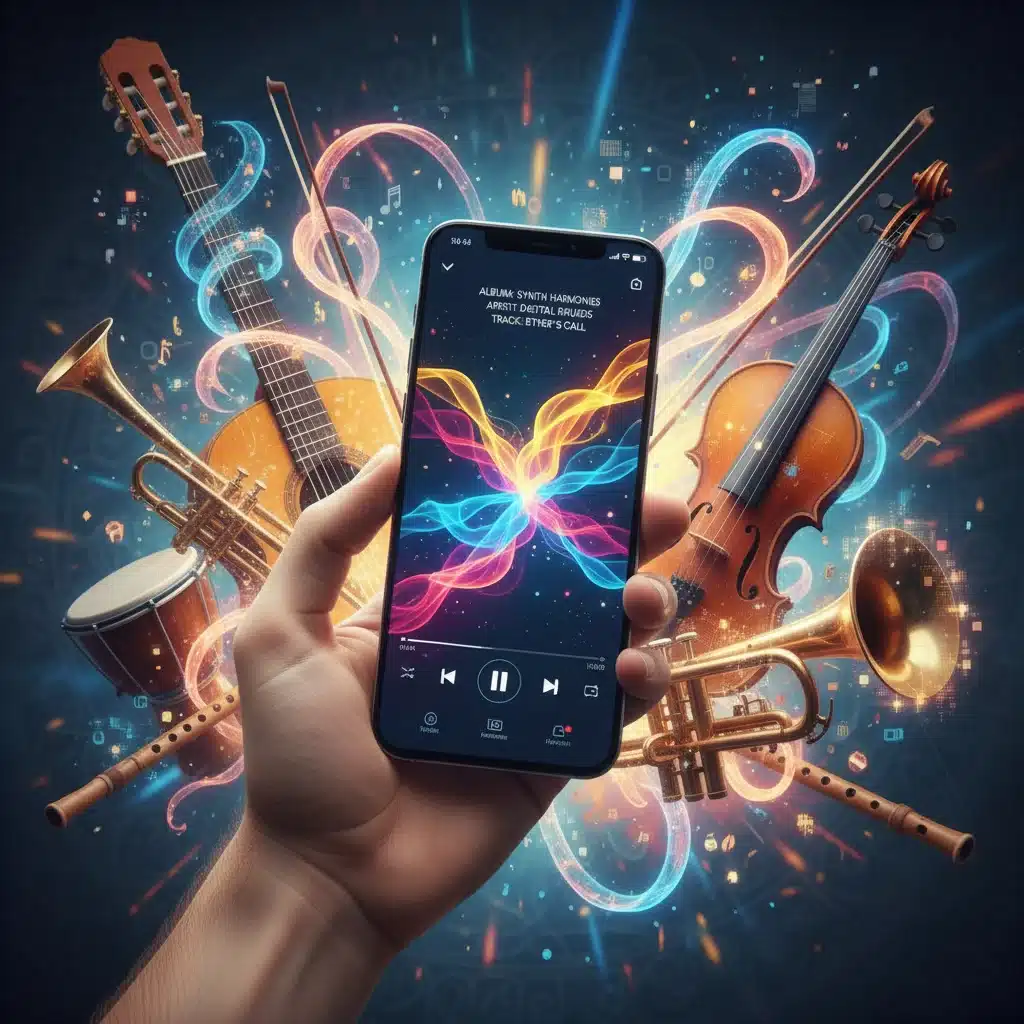
By 2026, music streaming will be less about simply pressing play on a track and more about engaging with a holistic sonic ecosystem. This will challenge artists to think beyond traditional album formats and embrace multidisciplinary approaches to creation. It will also push technological boundaries, leading to new forms of audio compression, spatial audio, and interactive sound design. The result will be a richer, more engaging, and profoundly immersive cultural experience where music is not just heard, but felt, seen, and interacted with, truly blurring the lines between auditory and visual art forms.
Conclusion: The Enduring Resonance of Music Streaming’s Cultural Impact
The evolution of music streaming is far more than a technological upgrade; it is a profound cultural transformation, subtly and overtly reshaping American society in ways we are only beginning to fully comprehend. By 2026, the four unexpected shifts discussed – the democratization of discovery and the rise of niche micro-cultures, the evolution of social interaction through shared playlists, the redefinition of artistic success within the creator economy, and the blurring of art forms into immersive sonic experiences – will be firmly established as defining characteristics of American life.
From the personal intimacy of algorithmic recommendations to the collective joy of collaborative playlists, music streaming has woven itself into the fabric of our daily existence. It empowers individual expression while simultaneously fostering global communities. It democratizes the path to artistic success, giving a voice to countless creators, and pushes the boundaries of what music can be, transforming it into a multimodal, immersive art form.
The future of music in America is intrinsically linked to the continued innovation and expansion of streaming platforms. As these technologies evolve, so too will our cultural landscape, creating new avenues for connection, creativity, and self-discovery. The unexpected ways music streaming is reshaping American culture by 2026 are not just trends; they are fundamental shifts that will continue to resonate for generations to come, reminding us that at its heart, music remains a powerful, unifying, and endlessly adaptable force in human experience.