Social Media’s Impact on American Art: A 2026 Deep Dive
The Profound Influence of Social Media on American Artistic Expression: A 2026 Deep Dive
In the ever-evolving tapestry of American culture, few forces have reshaped artistic expression as dramatically as social media. As we navigate 2026, the landscape of art creation, dissemination, and reception is inextricably linked to digital platforms. The social media art phenomenon is not merely a trend; it’s a fundamental paradigm shift that has democratized access, redefined aesthetics, and challenged traditional gatekeepers. This comprehensive exploration delves into the multifaceted ways social media continues to impact American artistic expression, examining both its empowering potential and its inherent complexities.
From the independent artist in a rural town finding a global audience to established institutions leveraging platforms for virtual exhibitions, social media has become the primary conduit for artistic engagement. It has fostered new genres, accelerated cultural conversations, and fundamentally altered how art is consumed and valued. Understanding this dynamic interplay is crucial for anyone interested in the future of American art. This article will dissect the various dimensions of this impact, providing insights into how artists adapt, how audiences engage, and what the future holds for social media art in America.
Democratizing Access and Discovery: The Rise of the Digital Art Star
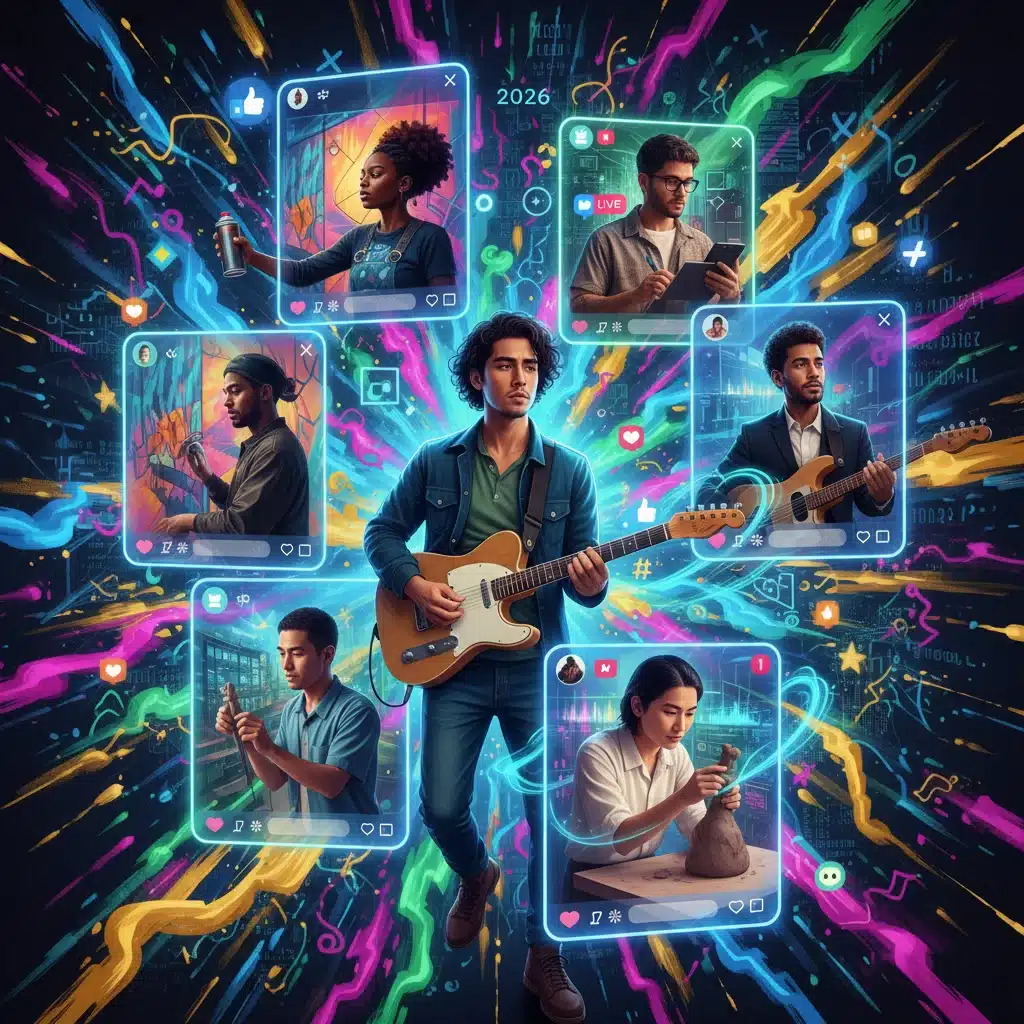
Before the ubiquity of social media, the art world was often perceived as an exclusive club, with galleries, critics, and collectors holding significant sway over who gained recognition. The internet, and subsequently social media platforms, shattered these barriers, opening up unprecedented avenues for artists to showcase their work directly to a global audience. In 2026, this democratization has reached its zenith, giving rise to a new breed of ‘digital art stars’ who have cultivated massive followings based solely on their online presence.
Platforms like Instagram, TikTok, YouTube, and even emerging VR/AR art spaces have become virtual galleries, performance venues, and studios. Artists no longer need to secure gallery representation or win prestigious awards to gain visibility. Instead, a compelling visual style, consistent content creation, and strategic engagement can propel an artist from obscurity to international renown. This shift has been particularly beneficial for artists from marginalized communities, who historically faced systemic obstacles in traditional art institutions. Social media provides a platform where their voices and visions can resonate without intermediaries, fostering a more inclusive and diverse artistic landscape.
The discovery process for art enthusiasts has also been revolutionized. Instead of relying solely on physical exhibitions or art publications, individuals can now stumble upon groundbreaking artists through algorithmic recommendations, shared posts, and viral trends. This serendipitous discovery fuels a continuous cycle of engagement, where artists gain followers, receive feedback, and find new opportunities, all within the digital realm. The sheer volume of art available online means that niche interests can find their audience, fostering micro-communities around specific styles, themes, or mediums. This vibrant ecosystem underscores the profound impact of social media art on both creators and consumers.
New Avenues for Creation: Digital Tools and Collaborative Expressions
The influence of social media extends beyond mere distribution; it actively shapes the creative process itself. Artists are increasingly integrating digital tools and online collaborative methods into their practice, leading to entirely new forms of artistic expression. From digital painting and 3D modeling to augmented reality filters and interactive installations designed for online sharing, the boundaries of what constitutes ‘art’ are continually expanding. The instant feedback loop offered by social media also allows artists to experiment, iterate, and refine their work in real-time, often incorporating audience suggestions into their ongoing projects.
Collaborative projects, once limited by geographical constraints, now flourish across continents thanks to social media. Artists from different backgrounds and disciplines can connect, share ideas, and co-create works that might have been impossible just a decade ago. This collaborative spirit often manifests in ‘challenges’ or ‘prompts’ initiated on platforms, inspiring thousands of artists to create variations on a theme, fostering a sense of community and shared artistic endeavor. The cross-pollination of ideas and techniques through these digital interactions enriches the overall artistic output, pushing creative boundaries and fostering innovation within the realm of social media art.
Furthermore, the ephemeral nature of some social media content has inspired artists to explore performance art and time-based media in new ways. Live streams of artistic processes, short-form video art, and interactive stories on platforms like TikTok or Instagram Stories become integral parts of an artist’s portfolio. These transient works often capture the raw energy of creation and offer a more intimate connection with the audience, blurring the lines between artist and spectator. The constant demand for fresh content on social media also encourages artists to maintain a high level of productivity and experimentation, leading to a dynamic and rapidly evolving body of work.
The Economic Landscape: Monetization, NFTs, and the Creator Economy
Perhaps one of the most transformative impacts of social media on American artistic expression is its reshaping of the economic landscape for artists. In 2026, the ‘creator economy’ is a dominant force, allowing artists to bypass traditional intermediaries and directly monetize their work and their audience. This includes everything from selling prints and merchandise through integrated e-commerce features to offering exclusive content via subscription models on platforms like Patreon or Substack. The ability to connect directly with patrons has empowered countless artists to sustain their practice independently.
The advent of Non-Fungible Tokens (NFTs) further revolutionized the art market, creating a verifiable digital ownership for artworks. While the initial frenzy around NFTs has matured, they remain a significant component of the social media art economy, offering artists a new way to authenticate and sell digital creations. Platforms dedicated to NFT art have emerged, providing a marketplace where collectors can acquire unique digital assets, often with a strong social media presence driving their value and visibility. This new frontier has challenged conventional notions of art ownership and value, opening up lucrative opportunities for digital artists.
Beyond direct sales, artists can also generate income through brand partnerships, sponsored content, and affiliate marketing, leveraging their social media influence. This diversification of income streams provides a more stable financial foundation for many artists, freeing them from the sole reliance on gallery sales or commissions. However, it also introduces new pressures, requiring artists to develop business acumen, understand marketing strategies, and constantly engage with their audience to maintain their relevance and income. The entrepreneurial spirit is now an essential component of a successful artist’s toolkit in the age of social media art.
Audience Engagement and Community Building: From Passive Viewers to Active Participants
Social media has transformed the relationship between artists and their audiences from a largely passive consumption model to one of active engagement and community building. In 2026, audiences are not just viewers; they are commentators, critics, collaborators, and even patrons. The comment sections, direct messages, and live Q&A sessions on platforms provide artists with immediate feedback, fostering a direct dialogue that was previously unimaginable. This intimacy can be incredibly motivating for artists, offering validation and a sense of connection.
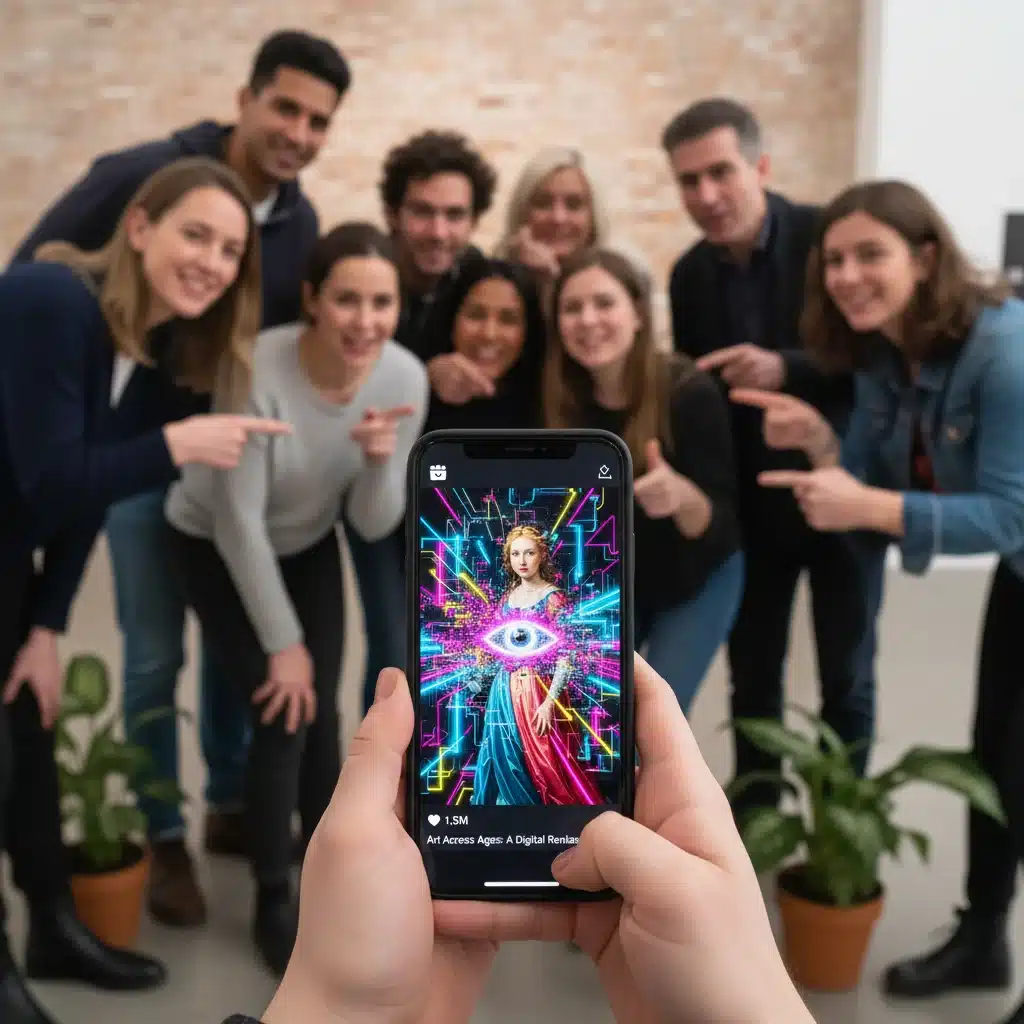
The ability to build a dedicated community around one’s art is a powerful aspect of social media. Artists can cultivate loyal followings who not only appreciate their work but also actively support it, spread awareness, and participate in its evolution. This sense of belonging is fostered through consistent interaction, sharing personal insights, and creating exclusive content for community members. These online communities often transcend geographical boundaries, connecting individuals with shared artistic interests and creating a global network of appreciation for social media art.
However, this intense level of engagement also comes with its challenges. Artists are often exposed to harsh criticism, online harassment, and the pressure to constantly produce content to maintain audience interest. The line between personal and professional can blur, and managing one’s digital persona becomes an integral part of an artist’s life. Despite these hurdles, the profound impact of direct audience connection and the ability to foster a supportive community remains a cornerstone of how social media has reshaped American artistic expression.
Challenges and Critiques: The Darker Side of the Digital Canvas
While the benefits of social media for American art are undeniable, it’s crucial to acknowledge the challenges and critiques that accompany this digital revolution. One significant concern is the potential for homogenization of artistic styles. Algorithms often favor certain aesthetics or trends, which can inadvertently pressure artists to conform to popular tastes to gain visibility. This can stifle experimentation and originality, leading to a proliferation of similar-looking works that prioritize ‘virality’ over artistic depth. The constant pursuit of likes and shares can shift an artist’s focus from intrinsic creative exploration to external validation, potentially compromising artistic integrity.
Another critical issue is copyright infringement and intellectual property theft. The ease with which images and videos can be shared and re-shared on social media makes it incredibly difficult for artists to protect their work. Artworks can be reposted without attribution, edited without permission, or even used for commercial purposes without compensation. While platforms are implementing better tools to combat this, the sheer volume of content makes enforcement a continuous struggle for creators of social media art.
The mental health impact on artists is also a growing concern. The pressure to maintain an active online presence, the constant comparison to other successful artists, and exposure to negative comments can lead to burnout, anxiety, and self-doubt. The digital realm, while offering connection, can also be isolating, demanding constant performance and a carefully curated public image. Finding a balance between leveraging social media for career advancement and protecting one’s mental well-being is a significant challenge for contemporary American artists.
The Role of Curation and Algorithms in Shaping Artistic Taste
In 2026, algorithms play an increasingly powerful, albeit often invisible, role in shaping artistic taste and exposure. Social media platforms employ complex algorithms to determine what content users see, based on their past interactions, preferences, and engagement patterns. While designed to personalize the user experience, these algorithms can create ‘filter bubbles’ or ‘echo chambers,’ potentially limiting users’ exposure to diverse artistic perspectives. An artist’s visibility is heavily dependent on the algorithm’s favor, which can be both a blessing and a curse.
The concept of ‘curation’ has also evolved in the age of social media art. While traditional curators in galleries and museums still hold sway, a new breed of digital curators has emerged: influencers, art bloggers, and even automated systems that aggregate and highlight trending art. These digital gatekeepers, whether human or algorithmic, significantly influence what art gains traction and enters the wider cultural consciousness. This shift raises questions about who holds the power to define artistic value and how diverse voices can ensure they are heard amidst the algorithmic noise.
Artists are increasingly needing to understand the mechanics of these algorithms to optimize their content for maximum reach. This involves strategic use of hashtags, understanding optimal posting times, and creating content formats that are favored by specific platforms. While this can be seen as a necessary skill in the digital age, it also adds another layer of complexity to the artistic process, potentially diverting attention from pure creative expression to strategic content optimization. The interplay between human creativity and algorithmic influence is a defining characteristic of social media art in 2026.
The Future of American Art in a Social Media-Dominated World
Looking ahead, the relationship between American artistic expression and social media is only set to deepen and evolve. We can anticipate further integration of immersive technologies like augmented reality (AR) and virtual reality (VR) into artistic creation and consumption, moving beyond static images to interactive, experiential art designed for digital platforms. The metaverse, still in its nascent stages, promises to offer entirely new canvases and exhibition spaces for artists, blurring the lines between physical and digital realities even further.
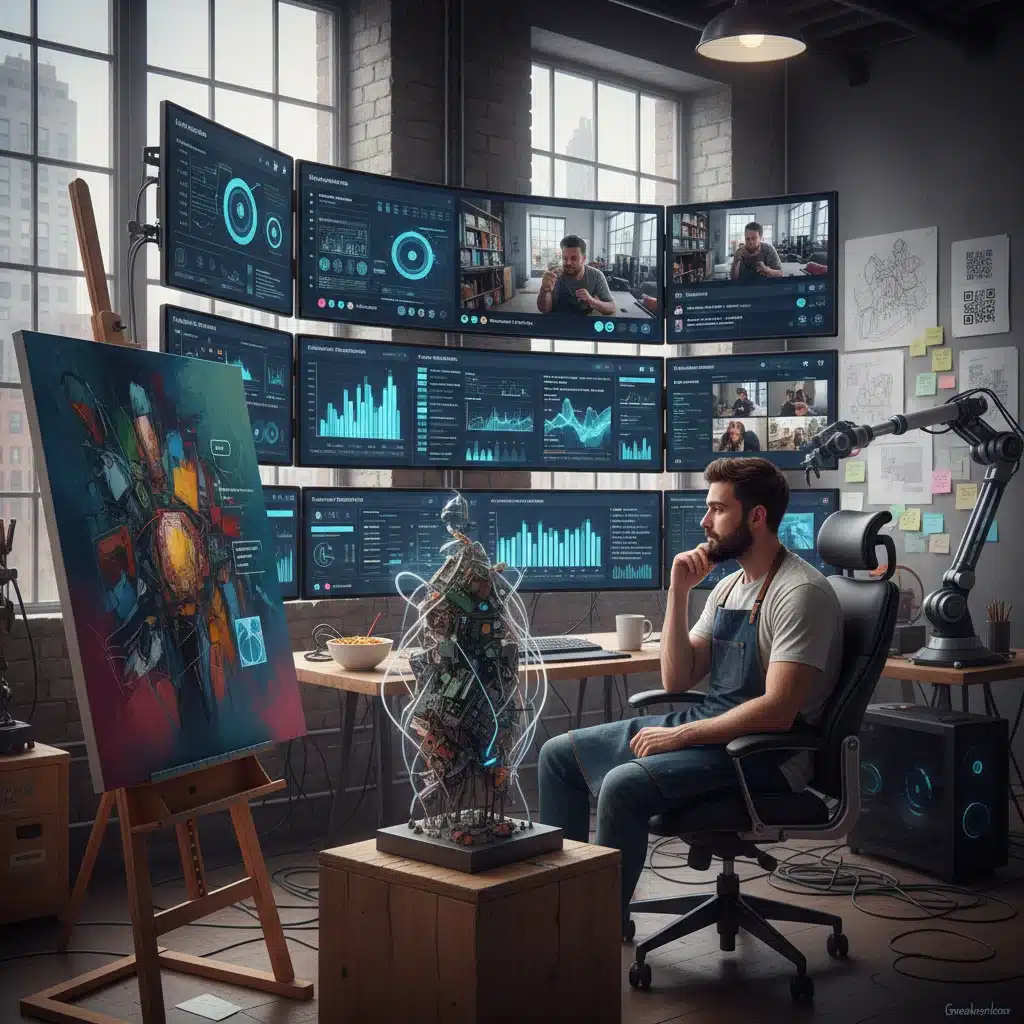
The ongoing conversation around ethical AI and its role in art creation will also intensify. As AI-generated art becomes more sophisticated, social media platforms will undoubtedly become the primary battlegrounds for showcasing and debating these new forms of creativity, challenging our very definitions of authorship and artistic intent. The legal and philosophical implications of AI-driven social media art are vast and will require careful consideration from artists, platforms, and policymakers alike.
Ultimately, social media, despite its inherent complexities and challenges, has irrevocably altered the trajectory of American art. It has empowered countless artists, fostered unprecedented levels of audience engagement, and created a dynamic, accessible, and globally interconnected art ecosystem. The ability for artists to connect directly with their audience, build communities, and monetize their work on their own terms represents a monumental shift. As we move further into the 21st century, understanding and adapting to the continuous evolution of social media art will be paramount for anyone participating in or observing the vibrant landscape of American artistic expression.
The future of art in America is undoubtedly digital, communal, and deeply intertwined with the platforms that connect us. Artists will continue to push boundaries, innovate with new technologies, and find novel ways to tell stories and express ideas through the digital canvas. The ongoing dialogue between creators and their global audiences, mediated by social media, will continue to shape the aesthetic, cultural, and economic dimensions of American art for generations to come. The resilience and adaptability of the artistic spirit, combined with the transformative power of social media, promise an exciting and unpredictable journey ahead.