The Metaverse Economy: 5 New Business Models Emerging by 2027 with a 15% Growth Projection
The concept of the metaverse, once a staple of science fiction, is rapidly transitioning into a tangible reality, presenting an unprecedented frontier for economic expansion and innovation. As technology continues to blur the lines between the physical and digital worlds, the metaverse business models are not just evolving; they are exploding. Industry experts and market analysts project a remarkable 15% growth in the metaverse economy by 2027, signaling a monumental shift in how businesses operate, interact with customers, and generate revenue. This article delves into five pivotal new metaverse business models that are not only emerging but are set to redefine the global economic landscape.
Understanding the metaverse economy is crucial for any forward-thinking enterprise. It’s an expansive network of persistent, real-time 3D virtual worlds, offering synchronous experiences for potentially unlimited users with an individual sense of presence. This digital realm is powered by a confluence of technologies, including virtual reality (VR), augmented reality (AR), blockchain, artificial intelligence (AI), and 5G connectivity. These foundational elements enable the creation of immersive environments where users can work, play, socialize, shop, and create, all within a decentralized and interconnected digital ecosystem. The economic implications are profound, opening up avenues for entirely new forms of commerce, entertainment, and social interaction. Businesses that grasp these emerging metaverse business models early will be best positioned to capture significant market share and drive future growth.
The projections for the metaverse economy are staggering. While estimates vary, a consistent theme is rapid, exponential growth. Goldman Sachs, for instance, has highlighted the metaverse as an $8 trillion opportunity. Other reports suggest the metaverse market size could reach anywhere from hundreds of billions to trillions of dollars within the next decade. The projected 15% growth by 2027 is a conservative yet compelling indicator of the immediate opportunities available. This growth will not be evenly distributed; instead, it will be concentrated in innovative sectors that effectively leverage the unique properties of the metaverse. From virtual goods and services to digital real estate and immersive advertising, the potential for new revenue streams is immense. Let’s explore the specific metaverse business models that are at the forefront of this economic revolution.
1. Virtual Real Estate and Digital Land Ownership
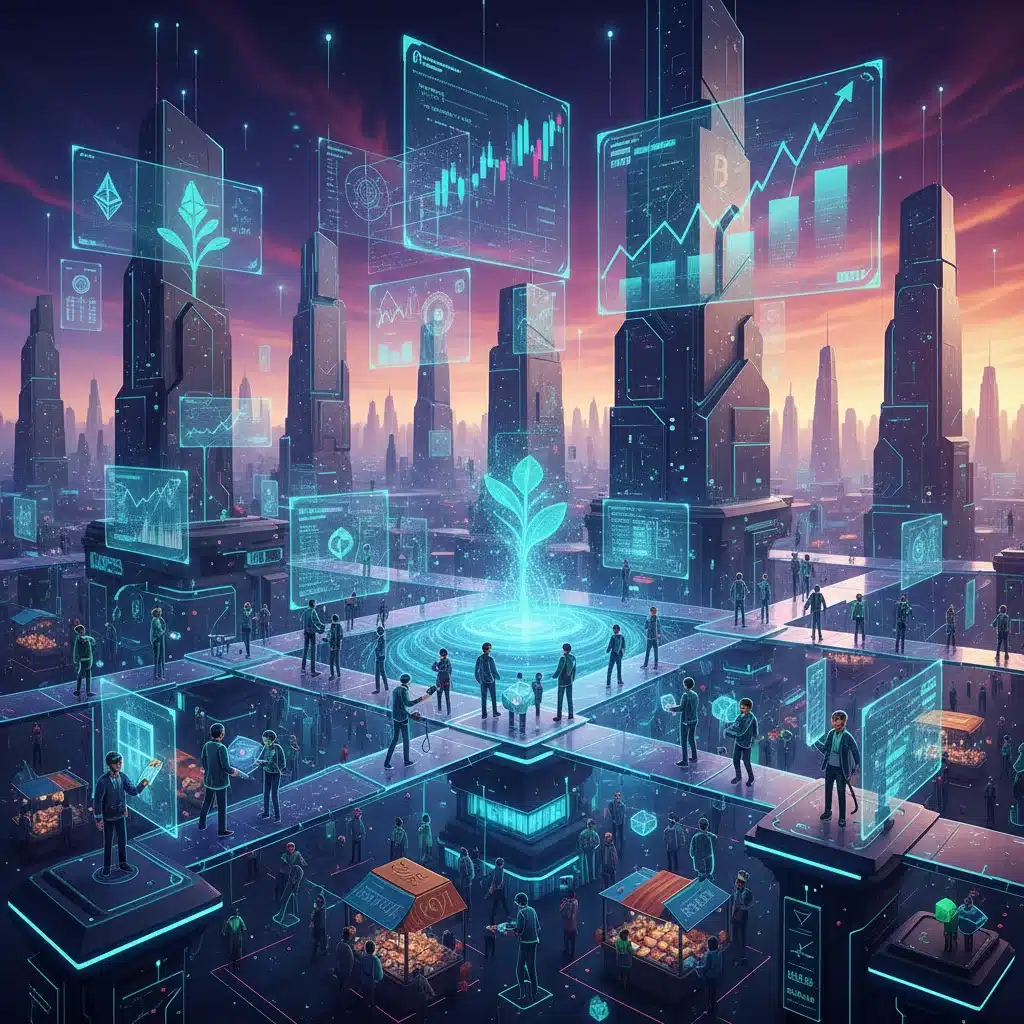
One of the most talked-about and rapidly expanding metaverse business models is virtual real estate. Just as in the physical world, digital land in popular metaverse platforms like Decentraland, The Sandbox, and Somnium Space is being bought, sold, and developed. This isn’t just about owning a piece of digital property; it’s about owning a strategic location within a burgeoning digital city. Brands and individuals are investing heavily in virtual land to establish a presence, host events, build virtual stores, and create unique experiences. The value of this digital real estate is driven by factors such as location (proximity to popular hubs), utility (what can be built or done on the land), and scarcity (limited parcels available).
The business model extends beyond simple land sales. Developers are emerging who specialize in designing and constructing virtual buildings, experiences, and entire districts. Architects, designers, and even urban planners are finding new careers in the metaverse, creating bespoke digital structures for clients. Property management services for virtual land are also gaining traction, where owners can hire agencies to develop, rent out, or maintain their digital assets. Furthermore, virtual real estate can be fractionalized and tokenized, allowing for broader investment opportunities and democratizing access to this new asset class. The implications for advertising, events, and brand engagement are enormous. Imagine a virtual concert venue on your digital land, a pop-up store for a new product launch, or an immersive art gallery showcasing digital creations. These possibilities are driving significant investment and innovation in this area of metaverse business models.
The growth of virtual real estate is fueled by its foundational technology: NFTs (Non-Fungible Tokens). Each piece of digital land is a unique NFT, guaranteeing ownership and authenticity on a blockchain ledger. This transparency and immutability are critical for establishing trust and value in the virtual property market. As more users flock to the metaverse for work and leisure, the demand for prime digital locations will continue to surge, driving prices and creating a robust secondary market for virtual land. Early adopters and strategic investors in this space are already seeing substantial returns, underscoring the potential for this particular aspect of metaverse business models to be a significant economic driver.
2. Digital Fashion and Wearable NFTs
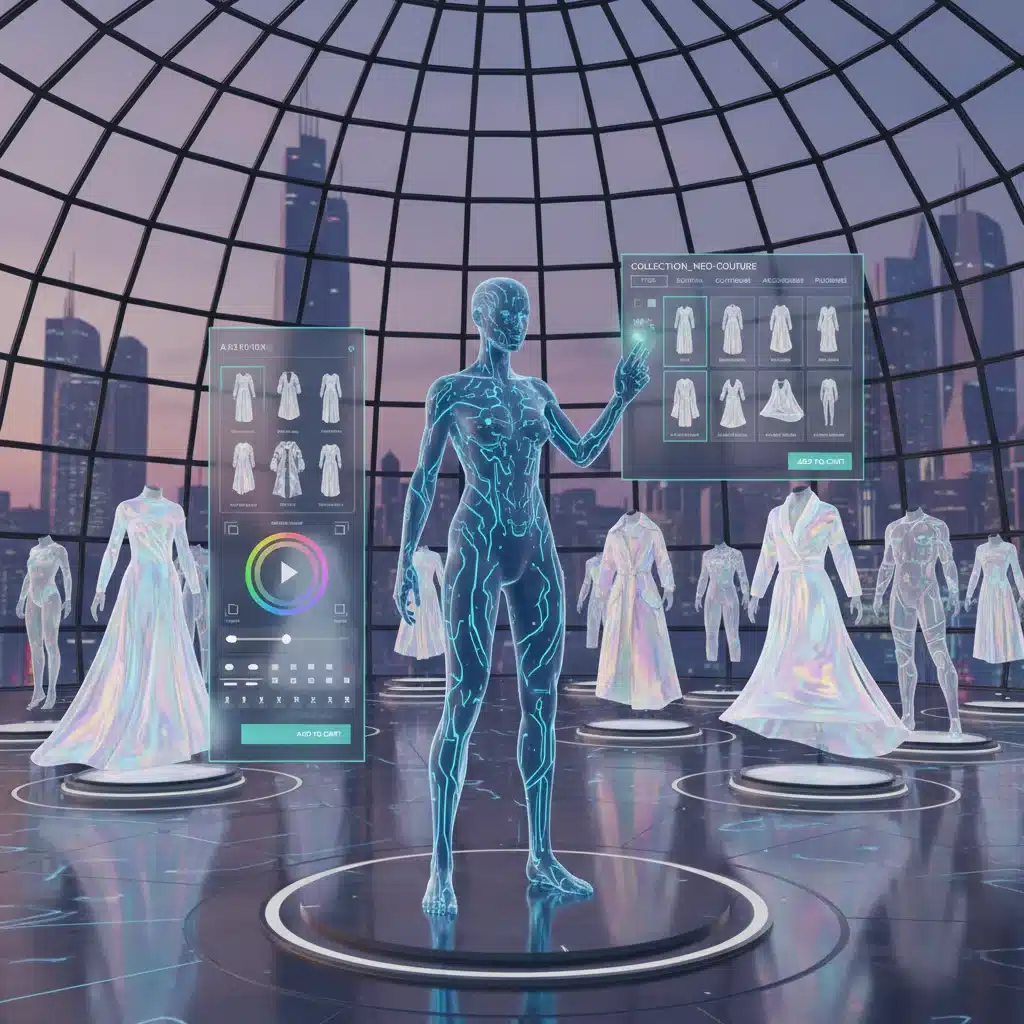
In the metaverse, your avatar is your digital identity, and just like in the physical world, people want to express themselves through fashion. This has given rise to a booming industry around digital fashion and wearable NFTs, representing another key area within metaverse business models. Brands like Gucci, Nike, and Adidas are already making significant inroads, creating virtual clothing lines, sneakers, and accessories that can be worn by avatars across various metaverse platforms. These aren’t just cosmetic items; they are often unique, limited-edition NFTs that hold real value and can be traded on secondary markets.
The appeal of digital fashion is multifaceted. For consumers, it offers a new way to express individuality, participate in digital culture, and even signal status within virtual communities. For brands, it provides an innovative channel for marketing, reaching new demographics, and creating entirely new revenue streams without the physical constraints and production costs associated with traditional fashion. Digital fashion designers are emerging as a new creative class, using 3D modeling software to craft intricate and imaginative garments that might be impossible or impractical to create in the physical world. This opens up a realm of artistic expression and experimentation that transcends traditional design limitations.
Beyond high-end brands, independent creators and artists are also leveraging this model to design and sell their unique digital wearables directly to consumers. Platforms are emerging that facilitate the creation, distribution, and monetization of these digital assets, making it easier for anyone to participate in this economy. The concept of ‘phygital’ fashion is also gaining traction, where a purchase of a physical item comes with its digital twin for your avatar, or vice-versa. This integration further blurrs the lines and enhances the value proposition for consumers. As avatars become more sophisticated and integral to our online identities, the demand for distinctive digital fashion will only intensify, solidifying its place among the most innovative metaverse business models.
3. NFT Marketplaces and Creator Economies
The underlying technology for many metaverse assets is the Non-Fungible Token (NFT). NFT marketplaces are therefore central to the entire metaverse economy and represent a powerful set of metaverse business models. These platforms, such as OpenSea, Rarible, and SuperRare, allow users to buy, sell, and trade unique digital assets, including art, collectibles, music, virtual land, and digital wearables. The business model for these marketplaces typically involves charging a transaction fee on sales, providing a lucrative revenue stream as the volume of digital asset trading continues to grow.
Beyond simply facilitating transactions, NFT marketplaces are fostering vibrant creator economies. Artists, musicians, game developers, and other creators can directly monetize their digital work without intermediaries, earning royalties on secondary sales indefinitely. This empowers creators by giving them more control over their intellectual property and a direct connection to their audience. For instance, a digital artist can mint a piece of art as an NFT, sell it, and then receive a percentage of every subsequent resale of that NFT. This revolutionary model fundamentally changes how intellectual property is valued and exchanged in the digital age.
The growth of NFT marketplaces is intertwined with the expansion of the metaverse itself. As more digital content and assets are created within virtual worlds, the need for robust, secure platforms to trade them becomes paramount. These marketplaces are not just for high-value art; they also support micro-economies around in-game items, virtual event tickets, and even digital identities. The ability to verify ownership and provenance through blockchain technology is a game-changer, building trust and liquidity in a purely digital realm. As the metaverse evolves, so too will the sophistication and specialization of these NFT marketplaces, becoming increasingly integral to the overall success of various metaverse business models.
4. Immersive Advertising and Experiential Marketing
Traditional advertising models are being reimagined within the metaverse, giving rise to immersive advertising and experiential marketing as powerful new metaverse business models. Instead of static banner ads or pre-roll videos, brands can create interactive, 3D advertising experiences that truly engage users. This could involve virtual billboards in metaverse cities, sponsored quests within games, or branded virtual spaces where users can interact with products in a simulated environment.
Experiential marketing takes this a step further. Brands can host virtual events, concerts, product launches, and fashion shows within the metaverse, offering unique and memorable experiences that are impossible in the physical world. For example, a car company could allow users to test drive a new model in a hyper-realistic virtual environment, or a cosmetics brand could offer virtual try-ons for makeup. These immersive experiences generate higher engagement, foster stronger brand loyalty, and collect valuable data on consumer behavior in a non-intrusive way. The effectiveness of these campaigns is often measured not just by impressions, but by interaction rates, time spent in branded spaces, and conversion to digital or physical purchases.
The business model for agencies specializing in metaverse advertising and experiential marketing is rapidly expanding. These agencies offer services ranging from strategy and concept development to 3D asset creation, event management, and data analytics within virtual worlds. As brands increasingly allocate marketing budgets to the metaverse, the demand for these specialized services will soar. Furthermore, the potential for targeted advertising based on avatar behavior and preferences within the metaverse opens up new frontiers for personalization. This shift from passive advertising to active, engaging experiences is a cornerstone of the evolving metaverse business models, promising a more effective and less intrusive way for brands to connect with their audiences.
5. Metaverse-as-a-Service (MaaS) and Infrastructure
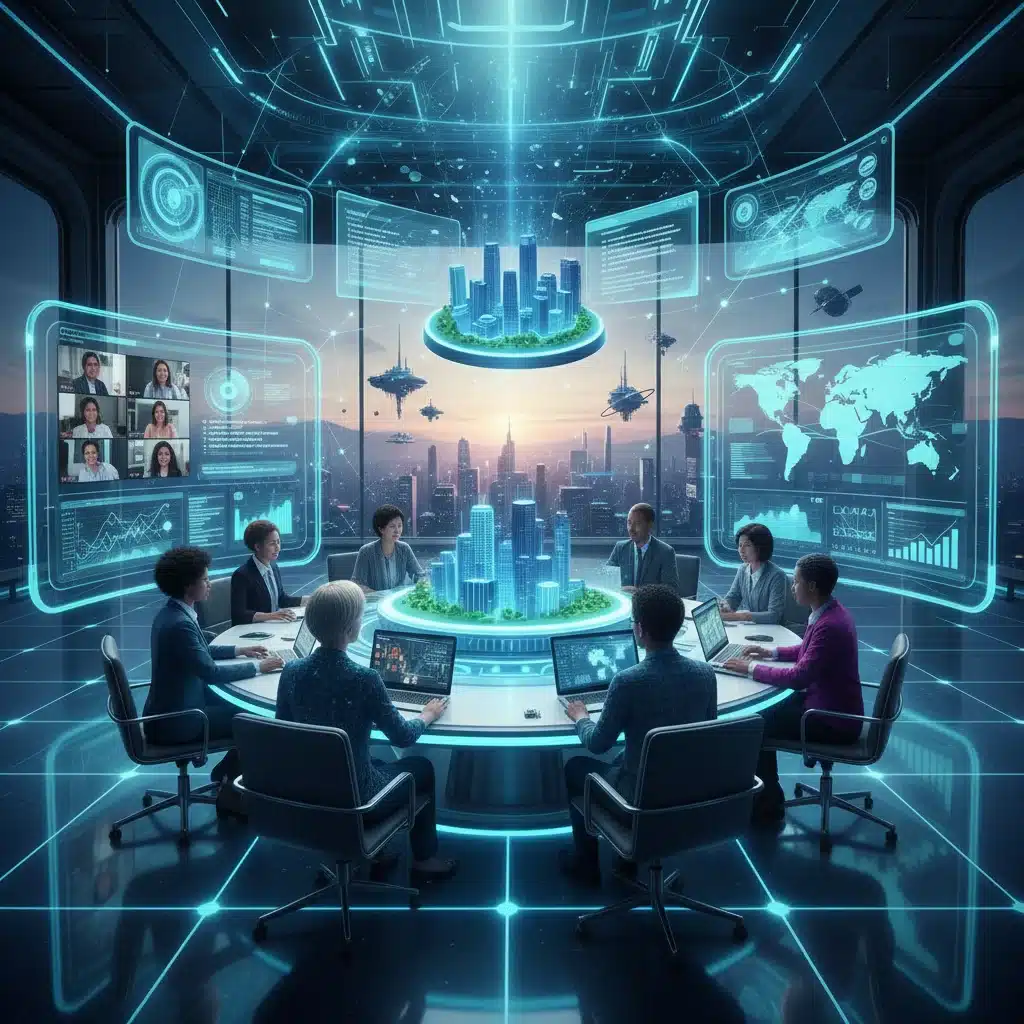
Building and maintaining the metaverse is a complex undertaking, requiring specialized infrastructure and tools. This has led to the emergence of Metaverse-as-a-Service (MaaS) and related infrastructure providers as critical metaverse business models. MaaS encompasses a range of services that enable businesses and individuals to create, operate, and scale their presence within the metaverse without needing deep technical expertise or massive upfront investments.
These services can include cloud computing tailored for metaverse applications, 3D asset creation tools, avatar development kits, interoperability solutions to bridge different virtual worlds, and security protocols for digital assets. Companies offering MaaS might provide platforms for building custom metaverse environments, tools for managing virtual economies, or SDKs (Software Development Kits) for integrating blockchain functionalities. Think of it as the ‘picks and shovels’ business during a gold rush – essential services that support the entire ecosystem.
Key players in this space are developing robust backend infrastructure, including decentralized storage solutions, high-performance rendering engines, and secure identity management systems. The challenge of achieving true interoperability between disparate metaverse platforms is also driving innovation in this sector, with companies focusing on creating universal standards and protocols. For businesses looking to enter the metaverse, but lacking the internal capabilities, MaaS providers offer a streamlined pathway to establish a digital footprint, host virtual events, or launch digital products. This foundational layer of technology and services is indispensable for the widespread adoption and sustained growth of the metaverse, making MaaS a foundational element of future metaverse business models.
The Future Landscape: Challenges and Opportunities
While the projected 15% growth in the metaverse economy by 2027 paints an optimistic picture, it’s important to acknowledge the challenges that lie ahead. Technical hurdles, such as achieving true interoperability between different metaverse platforms, ensuring high-fidelity graphics across various devices, and managing massive concurrent user loads, are significant. User experience design will also be crucial, as the metaverse must be intuitive and accessible to a broad audience to achieve mass adoption. Furthermore, ethical considerations around data privacy, digital identity, content moderation, and the potential for digital addiction require careful consideration and robust solutions.
Regulatory frameworks are still nascent, and governments worldwide are grappling with how to govern these decentralized, often borderless digital economies. Taxation of digital assets, intellectual property rights in virtual spaces, and consumer protection in new forms of commerce are all areas that will require clear guidelines. Companies operating within the metaverse must also be mindful of cybersecurity threats, as the value of digital assets makes them attractive targets for malicious actors. Building secure, trustworthy environments will be paramount for fostering user confidence and sustaining growth.
Despite these challenges, the opportunities presented by these emerging metaverse business models are too significant to ignore. The metaverse promises to unlock unprecedented levels of creativity, collaboration, and economic participation. It offers a chance to build more equitable and inclusive digital societies, where individuals have greater ownership over their data and digital identities. For businesses, it represents a new frontier for innovation, customer engagement, and global reach. Early movers who invest in understanding and developing these new models will be at a distinct advantage.
Conclusion: Seizing the Metaverse Moment
The metaverse is not just a technological fad; it is a profound evolution of the internet, poised to reshape industries and societies. The five metaverse business models discussed – virtual real estate, digital fashion, NFT marketplaces, immersive advertising, and Metaverse-as-a-Service – represent just the tip of the iceberg of what’s possible. The projected 15% growth by 2027 is a clear signal that now is the time for businesses to strategize, experiment, and invest in this burgeoning digital frontier.
Companies that embrace the metaverse will not only discover new revenue streams but also redefine their brand identity, deepen customer relationships, and foster unparalleled innovation. The journey into the metaverse will require adaptability, a willingness to experiment, and a deep understanding of blockchain, NFTs, and immersive technologies. As the digital and physical worlds continue to converge, those who master these new metaverse business models will be the architects of the next era of global commerce and human interaction. The metaverse economy is here, and its future is being built today.