American Street Art: Cultural Impact & Evolution in 2026
The Enduring Pulse: Understanding the Cultural Impact of American Street Art in 2026
In the sprawling tapestry of American culture, few phenomena resonate with the raw energy and transformative power of American street art. What began as an underground movement, often associated with vandalism and rebellion, has transcended its initial perceptions to become a vital, celebrated, and often commodified aspect of contemporary art and urban identity. As we navigate 2026, the landscape of street art continues to evolve, pushing boundaries, sparking dialogues, and shaping the very fabric of our cities. This comprehensive exploration delves into the multifaceted cultural impact of American street art, tracing its historical roots, examining its present influence, and forecasting its future trajectory.
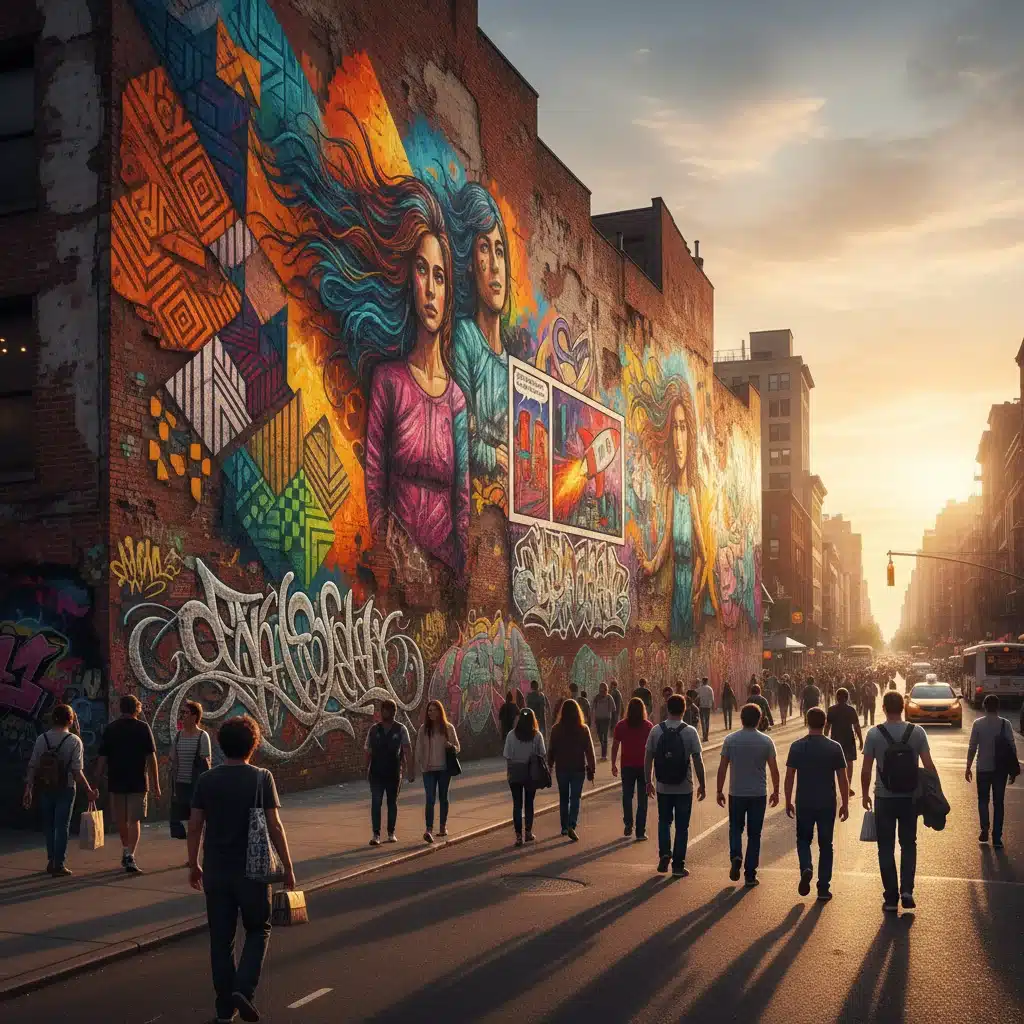
The story of American street art is intrinsically linked to the narrative of American cities. From the vibrant murals of Los Angeles to the gritty tags of New York City, and the increasingly sophisticated installations in unexpected corners of the nation, street art serves as an unfiltered chronicle of social change, political discourse, and artistic innovation. It democratizes art, taking it out of elite galleries and placing it directly into the public sphere, making it accessible to everyone, regardless of socio-economic status or artistic background. This inherent accessibility is one of its most profound cultural contributions, fostering a sense of shared ownership and conversation around public spaces.
From Subversion to Celebration: The Genesis of American Street Art
To truly grasp the cultural impact of American street art, one must journey back to its origins. The roots of modern street art can be traced to the graffiti movement that emerged in Philadelphia and New York City in the late 1960s and early 1970s. Young individuals, primarily from marginalized communities, began using spray paint and markers to tag their names (or ‘tags’) on subway cars, walls, and public buildings. This act, initially a defiant assertion of identity and presence in overlooked urban landscapes, quickly evolved into a complex subculture with its own codes, styles, and hierarchies.
Early pioneers like TAKI 183 and CORNBREAD inadvertently laid the groundwork for a global art phenomenon. Their simple yet ubiquitous tags sparked a movement that was inherently rebellious, challenging notions of private property and public space. It was a raw, unfiltered expression of youth culture, a visual language that spoke volumes about socio-economic disparities, urban decay, and the yearning for recognition. The subway system, in particular, became a rolling gallery, carrying these vibrant declarations across the city, exposing them to millions daily. This widespread visibility, though often condemned by authorities, was crucial in embedding street art into the collective consciousness of American society.
As the 1970s progressed into the 1980s, the graffiti movement matured. Artists began to move beyond simple tags, experimenting with elaborate lettering, characters, and intricate compositions. The rise of hip-hop culture provided a powerful symbiotic relationship, with graffiti becoming one of its four foundational elements alongside DJing, B-boying, and MCing. This period saw the emergence of ‘wildstyle’ and ‘pieces’ (masterpieces), showcasing a heightened level of artistic skill and creativity. Artists like Keith Haring and Jean-Michel Basquiat, who began their careers on the streets, famously transitioned into the mainstream art world, blurring the lines between street art and fine art and bringing unprecedented attention to the genre.
The transition from a purely illicit activity to a recognized art form was not without its struggles. Cities launched aggressive anti-graffiti campaigns, and artists faced severe legal penalties. Yet, the allure of the streets, the desire for public expression, and the inherent democratic nature of the medium ensured its survival and continued evolution. This foundational period solidified the rebellious spirit and innovative drive that remain hallmarks of American street art today.
Defining Characteristics and Diverse Forms
American street art is not a monolithic entity; it encompasses a vast array of styles, techniques, and philosophies. While graffiti laid the groundwork, the genre has expanded to include murals, stenciling, sticker art, wheatpasting, yarn bombing, elaborate installations, and even digital projections. Each form offers a unique approach to engaging with public space and conveying messages.
- Graffiti: The foundational element, characterized by lettering, tags, throw-ups, and elaborate pieces. It’s often about identity, territorial marking, and stylistic innovation.
- Murals: Large-scale paintings, often commissioned or created with permission, that transform entire walls or buildings. Murals frequently depict social narratives, historical events, or abstract designs, contributing significantly to urban beautification and cultural storytelling.
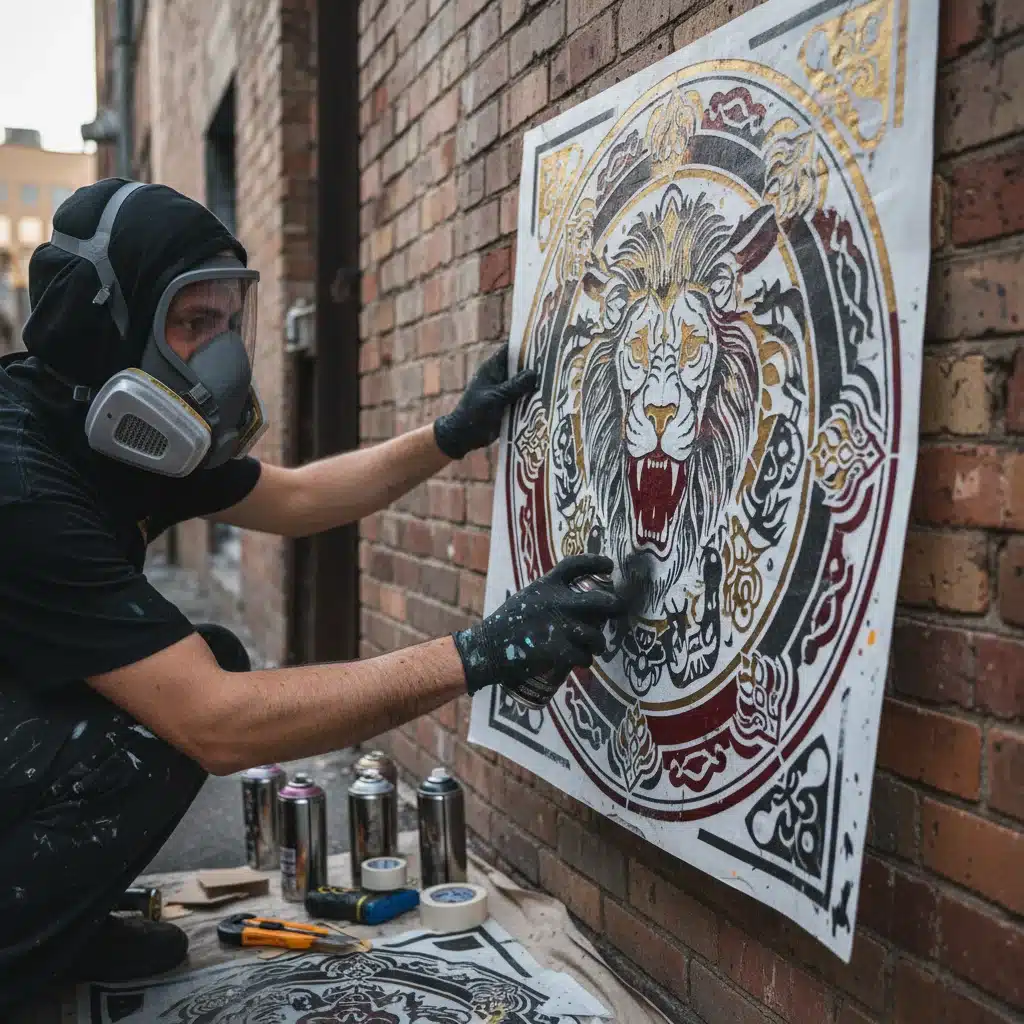
- Stenciling: A technique popularized by artists like Bansky (whose influence extends globally, including to American street art), involving cutting out a design from a material (like cardboard) and applying paint through the cutout. It allows for quick, repeatable, and often politically charged imagery.
- Wheatpasting: The application of printed posters or images to walls using a wheat-based adhesive. This method allows artists to create detailed works off-site and quickly install them, often used for political commentary, advertising, or artistic expression.
- Installations: Three-dimensional artworks placed in public spaces, ranging from sculptures to altered objects, that interact with their environment and invite viewer participation.
What unites these diverse forms is their inherent connection to the public realm. Street artists operate outside traditional institutional frameworks, directly engaging with their audience in unfiltered ways. This direct engagement fosters a unique relationship between art and viewer, often challenging passive consumption and encouraging active interpretation. The impermanence of much street art – subject to weather, removal, or overpainting – also adds a layer of urgency and fleeting beauty, a constant reminder of change and the ephemeral nature of urban existence.
Cultural Resonance and Societal Impact in 2026
In 2026, the cultural impact of American street art is more profound and multifaceted than ever before. It has moved beyond mere decoration to become a powerful tool for social commentary, community building, and economic development.
Social Commentary and Activism
Street art has always been a voice for the voiceless, a canvas for dissent, and a mirror reflecting societal issues. In 2026, as political and social tensions continue to simmer globally, American street art remains a potent medium for activism. Artists use walls to protest injustice, advocate for environmental causes, highlight human rights issues, and express solidarity with marginalized communities. The immediacy and public nature of street art allow messages to spread rapidly and resonate deeply with local populations, often sparking conversations that mainstream media might overlook.
From powerful portraits of civil rights leaders to abstract pieces symbolizing systemic inequalities, street art provides a platform for critical dialogue. It forces passersby to confront uncomfortable truths, question prevailing narratives, and engage with the world around them in a more conscious way. This role as a visual public forum is a cornerstone of its cultural significance.
Urban Revitalization and Community Building
One of the most visible impacts of American street art is its role in urban revitalization. Once seen as a sign of urban decay, murals and public art installations are now actively sought out by city planners and community organizations to beautify neglected areas, deter vandalism (paradoxically, as legal murals often deter illicit tagging), and attract tourism. Neighborhoods that were once overlooked are now becoming vibrant cultural hubs, drawing visitors who seek out specific artworks or entire street art districts.
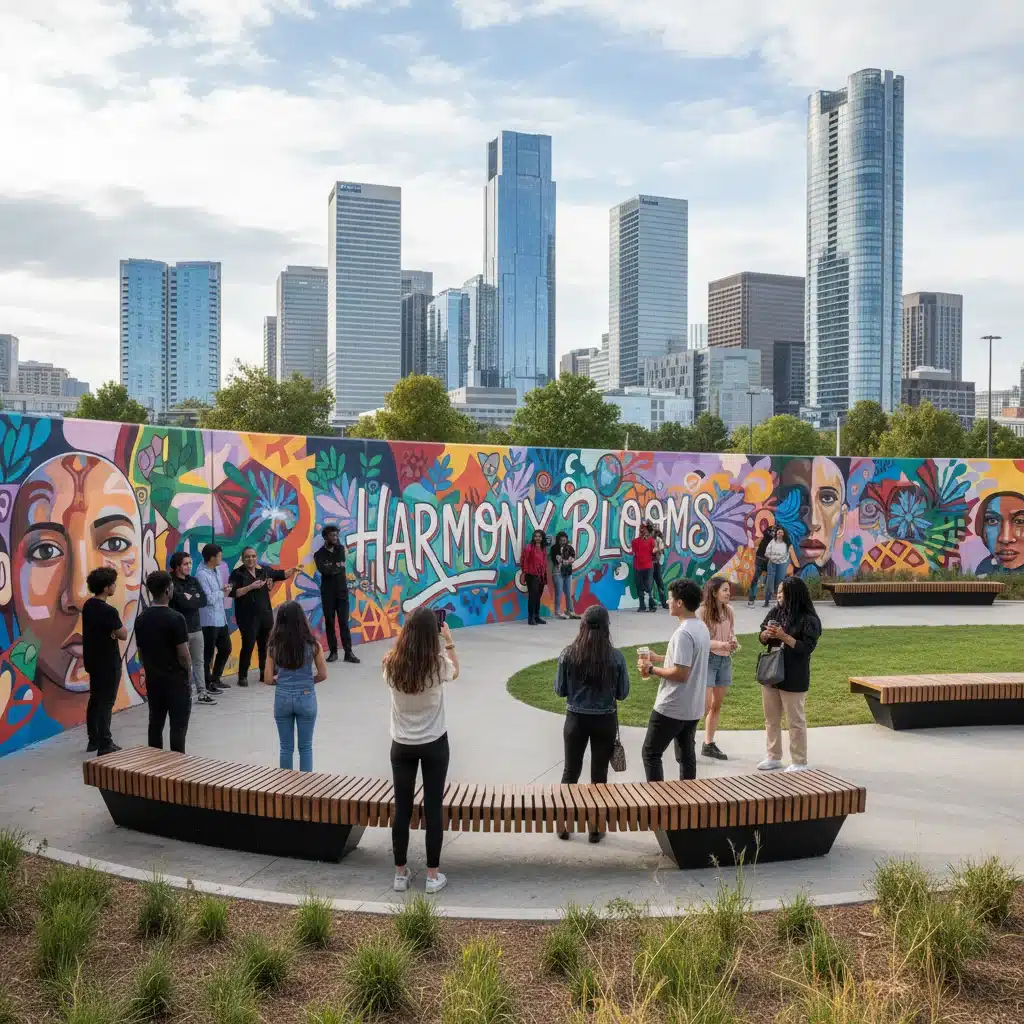
Community mural projects, in particular, have become powerful tools for fostering local pride and cohesion. When residents, local artists, and community leaders collaborate on a mural, it creates a sense of shared ownership and collective identity. These projects often tell local stories, celebrate cultural heritage, or depict collective aspirations, strengthening community bonds and empowering residents to shape their environment. This transformative power of art to unite and uplift is a testament to its enduring cultural value.
Influence on Mainstream Art and Pop Culture
The line between street art and mainstream art has become increasingly blurred. Galleries and museums regularly feature street artists, and auction houses fetch astronomical prices for their works. This integration into the established art world has validated the artistic merit of the genre, bringing it to a wider audience and influencing contemporary art trends. The raw energy and innovative techniques developed on the streets have permeated various artistic disciplines, from graphic design to fashion.
Beyond the art world, American street art has a significant presence in pop culture. It appears in films, music videos, advertisements, and fashion campaigns, often used to evoke a sense of urban authenticity, rebellion, or cool. Brands collaborate with street artists to create unique marketing campaigns, further cementing its status as a culturally relevant and commercially viable art form. This mainstream acceptance, while sometimes criticized by purists for diluting its counter-cultural edge, undeniably amplifies its reach and influence.
Tourism and Economic Impact
In 2026, street art has become a significant driver of tourism in many American cities. Cities like Miami (Wynwood Walls), Los Angeles (Arts District), and Philadelphia are renowned for their vibrant street art scenes, attracting millions of tourists annually. These visitors spend money on accommodation, food, and local businesses, contributing to the local economy. Guided street art tours are popular attractions, offering insights into the artists, techniques, and stories behind the murals. This economic impact demonstrates the tangible value of public art beyond its aesthetic appeal.
Challenges and Controversies in 2026
Despite its growing acceptance, American street art continues to face challenges and controversies. The debate between art and vandalism persists, particularly concerning unsanctioned works. While many appreciate the spontaneity and grit of illicit street art, property owners often view it as defacement, leading to ongoing legal battles and community tensions.
Another significant challenge is gentrification. As street art revitalizes neighborhoods and attracts investment, it can inadvertently contribute to rising property values and displacement of long-term residents and the very artists who helped make the area desirable. This paradox raises ethical questions about the responsibility of artists and developers in maintaining the cultural integrity of communities.
The commercialization of street art also sparks debate. While artists gain recognition and financial stability, some argue that selling out to corporations or commodifying once-rebellious imagery undermines the authentic, anti-establishment spirit of the movement. Striking a balance between artistic integrity, financial sustainability, and cultural relevance remains a delicate tightrope walk for many street artists in 2026.
The Future Trajectory of American Street Art
Looking ahead, the future of American street art appears dynamic and innovative. Technological advancements are already playing a significant role. Augmented reality (AR) and virtual reality (VR) are being integrated into street art, allowing artists to create interactive experiences that blend physical and digital realms. QR codes embedded in murals can link to artist bios, historical context, or even animated content, offering enhanced engagement for viewers.
The emphasis on sustainability and eco-conscious practices is also growing. Artists are experimenting with eco-friendly paints, recycled materials, and murals that serve environmental purposes, such as air-purifying paints or designs that raise awareness about climate change. This convergence of art, technology, and environmentalism points towards a responsible and forward-thinking evolution of the genre.
Furthermore, the global interconnectedness fostered by the internet ensures that American street art will continue to be influenced by, and in turn influence, international movements. Collaborations between artists from different countries are becoming more common, leading to a rich cross-pollination of styles and ideas. The digital age provides unprecedented platforms for artists to showcase their work, connect with audiences, and organize projects, transcending geographical limitations.
The role of institutions and public policy will also be crucial. As cities increasingly recognize the value of street art, there will likely be more initiatives to fund public art programs, create designated legal walls, and integrate street art into urban planning. Balancing artistic freedom with community needs and legal frameworks will be an ongoing challenge, but one that promises a more vibrant and art-filled future for American cities.
Conclusion: A Living Canvas of American Culture
In 2026, American street art stands as a testament to the enduring power of human creativity and the innate desire for expression. From its insurgent beginnings in the urban underground to its current status as a celebrated and influential art form, its journey mirrors the evolving narrative of American society itself. It continues to be a living canvas, reflecting our joys, struggles, hopes, and fears, all while transforming our public spaces into dynamic galleries accessible to all.
Its cultural impact is undeniable: it revitalizes communities, sparks social dialogue, challenges artistic conventions, and fuels economic growth. While challenges such as gentrification and the tension between legality and artistic freedom persist, the resilience and adaptability of street artists ensure its continued evolution. As we look ahead, American street art promises to remain a vibrant, essential, and ever-changing pulse within the heart of American culture, continually redefining what art can be and where it belongs.