Public Art Initiatives: Transforming American Communities by 2026
Public Art Initiatives: How 10 Major Projects are Transforming American Communities by 2026
Public art has long been a powerful catalyst for community development, urban revitalization, and cultural enrichment. Beyond mere aesthetics, these installations foster a sense of place, ignite dialogue, and often serve as economic drivers. As we look towards 2026, the United States is witnessing an unprecedented surge in public art initiatives, with ambitious projects poised to redefine urban landscapes and strengthen community bonds across the nation. This article delves into 10 major public art initiatives that are set to transform American communities, examining their scope, impact, and the innovative ways they are shaping our shared future.
The Resurgence of Public Art: A National Movement
The concept of public art has evolved significantly over the decades. No longer limited to static monuments, contemporary public art initiatives embrace diverse forms, from interactive digital installations and large-scale murals to environmental sculptures and performance art. This evolution reflects a deeper understanding of art’s role in public spaces – not just as decoration, but as a tool for social cohesion, education, and economic growth. Cities and towns nationwide are recognizing the profound benefits of investing in public art, leading to a vibrant national movement aimed at integrating creativity into the fabric of everyday life.
These transformative public art initiatives are often collaborative efforts, involving artists, local governments, community organizations, and private donors. They are designed to address specific community needs, whether it’s revitalizing a neglected neighborhood, celebrating local history, promoting environmental awareness, or simply creating more engaging public spaces. The projects we highlight here are not just about adding beauty; they are about building stronger, more resilient, and culturally rich communities.
1. The Greenline Arts Corridor, Detroit, Michigan
Detroit’s resurgence is a testament to the power of community-led development, and the Greenline Arts Corridor is a shining example of this. This ambitious public art initiative aims to transform a disused railway line into a vibrant linear park connecting several neighborhoods. By 2026, the corridor will feature a series of permanent and temporary art installations, performance spaces, and community gardens. The project emphasizes local artists and themes relevant to Detroit’s rich history and diverse population. The goal is to create not only a beautiful green space but also an economic engine, drawing visitors and fostering local businesses along its path. This initiative is expected to significantly enhance connectivity, promote active transportation, and provide much-needed green infrastructure, all while celebrating the city’s artistic spirit.
The Greenline will serve as a dynamic canvas for artistic expression, with rotating exhibits and community programming. It’s a holistic approach to urban renewal, where art is interwoven with urban planning and environmental sustainability. The long-term vision includes educational programs, artist residencies, and events that will ensure the corridor remains a lively and evolving cultural hub. This project is a model for how abandoned infrastructure can be reimagined through the lens of art and community engagement, creating lasting value for residents.
2. The Riverwalk Interactive Art Experience, Chicago, Illinois
Chicago’s iconic Riverwalk is undergoing an exciting transformation with the introduction of an interactive art experience. This public art initiative focuses on integrating digital and light-based art installations along the pedestrian path, creating an immersive experience for residents and tourists alike. Imagine walking along the river at night, surrounded by dynamic light projections that respond to sound and movement, or encountering augmented reality art pieces that reveal hidden narratives about the city’s history. By 2026, several key sections of the Riverwalk are expected to feature these cutting-edge installations, enhancing the area’s appeal as a cultural destination.
The project emphasizes collaboration with local tech companies and artists, pushing the boundaries of what public art can be. It’s designed to be accessible and engaging for all ages, offering a fresh perspective on Chicago’s urban environment. Beyond its aesthetic appeal, the interactive art experience aims to extend the Riverwalk’s usability into the evening hours, contributing to the local night-time economy and fostering a safer, more vibrant public space. This initiative demonstrates how technology can be harnessed to create captivating and ever-evolving public art, making urban exploration a truly dynamic adventure.
3. The Cultural Corridor Project, Philadelphia, Pennsylvania
Philadelphia, a city steeped in history and culture, is embarking on the Cultural Corridor Project, a massive public art initiative designed to connect its world-class museums, historic sites, and performance venues through a series of cohesive art installations and improved pedestrian infrastructure. This project envisions a walkable, art-filled path that guides visitors and residents through the city’s rich cultural tapestry. By 2026, expect to see new sculptures, murals, and integrated artistic elements that tell the story of Philadelphia’s past, present, and future, all while enhancing the urban experience.
The initiative aims to not only beautify public spaces but also to improve wayfinding and create a stronger sense of identity for the city’s cultural district. It will involve a diverse range of artists, reflecting Philadelphia’s multicultural heritage, and will include educational programming to engage schools and local communities. The Cultural Corridor Project is a strategic investment in the city’s cultural tourism, promising to elevate Philadelphia’s status as a premier destination for arts and history lovers. It’s an ambitious undertaking that leverages art to unify and amplify the city’s existing cultural assets, creating a more immersive and enriching experience for everyone.
4. The Desert Bloom Sculpture Park, Phoenix, Arizona
In the arid landscape of Phoenix, the Desert Bloom Sculpture Park is emerging as a unique public art initiative that celebrates the natural beauty and resilience of the Sonoran Desert. This expansive outdoor park will feature large-scale, environmentally conscious sculptures that integrate seamlessly with the desert environment. Artists are commissioned to create works that use sustainable materials, incorporate native flora, and respond to the unique light and landscape of the region. The park is envisioned as a destination for both art enthusiasts and nature lovers, offering a tranquil yet thought-provoking experience.
By 2026, several major installations are expected to be completed, establishing the park as a significant cultural landmark. Beyond its artistic merit, the Desert Bloom Sculpture Park aims to promote environmental education and conservation, highlighting the delicate balance of the desert ecosystem through artistic expression. It will also provide accessible outdoor recreation opportunities, encouraging residents to connect with nature and art simultaneously. This initiative stands out for its commitment to sustainability and its innovative approach to integrating art into a challenging natural environment, creating a unique attraction that is both beautiful and educational.
5. The Coastal Resiliency Art Project, Miami, Florida
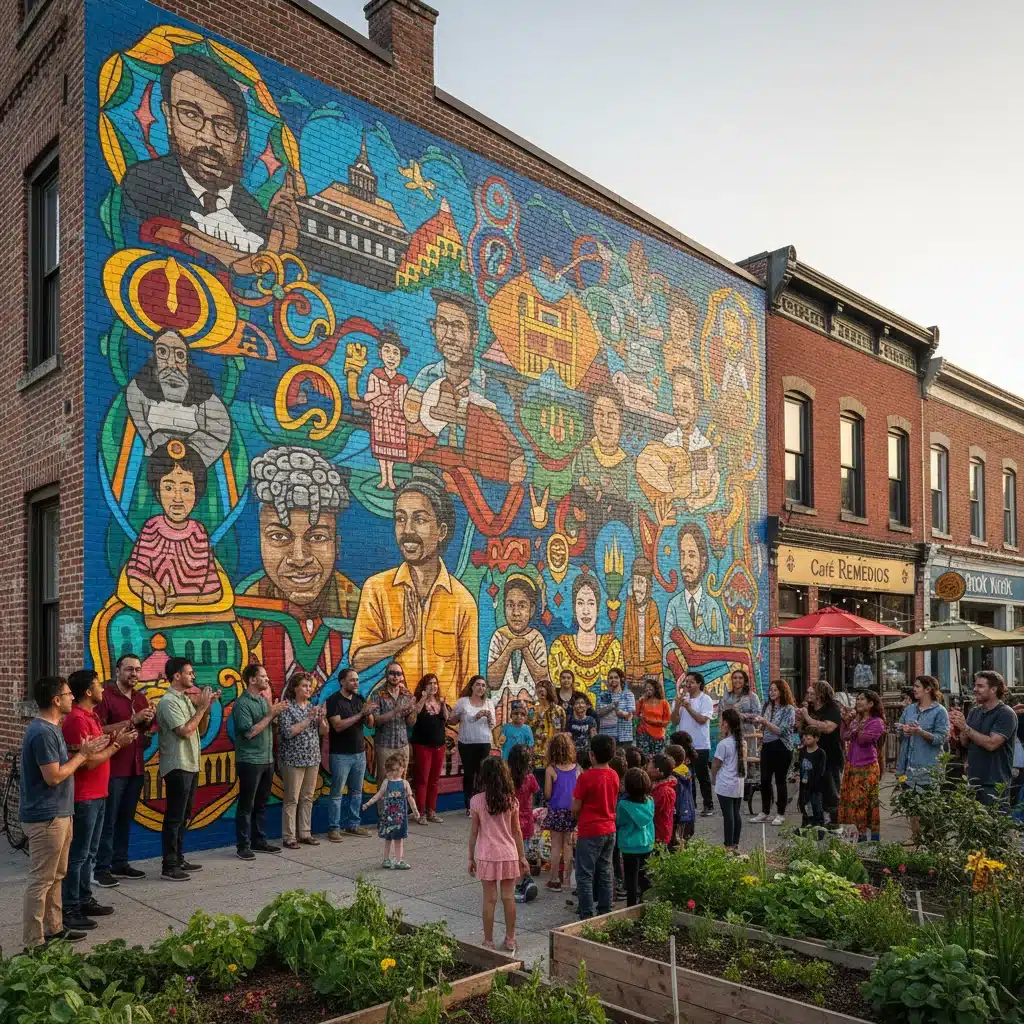
As a city on the front lines of climate change, Miami is turning to art as a means of raising awareness and promoting solutions through its Coastal Resiliency Art Project. This innovative public art initiative will feature installations that visualize the impacts of rising sea levels, explore sustainable practices, and inspire community action. Think submerged sculptures that change with the tides, murals depicting future coastal landscapes, or interactive pieces that educate about marine ecosystems. By 2026, several key coastal areas and public spaces will host these thought-provoking artworks.
The project is a powerful example of how art can serve as a catalyst for social and environmental change. It aims to engage residents and visitors in critical conversations about climate change, fostering a sense of collective responsibility and empowering communities to adapt. Collaborations with scientists, environmental organizations, and local artists are central to this initiative, ensuring that the artworks are both scientifically informed and artistically compelling. The Coastal Resiliency Art Project demonstrates the urgent and vital role that public art can play in addressing global challenges, making complex issues accessible and emotionally resonant through creative expression.
6. The Innovation District Art Walk, Boston, Massachusetts
Boston’s burgeoning Innovation District is set to become an open-air gallery with the launch of its Innovation District Art Walk. This public art initiative is designed to reflect the area’s identity as a hub for technology, entrepreneurship, and creative thinking. By 2026, the art walk will feature a curated collection of contemporary sculptures, digital art installations, and experimental works that explore themes of innovation, connectivity, and the future. The project aims to create a dynamic and inspiring environment for workers, residents, and visitors, fostering creativity and serendipitous encounters.
The art walk will not only enhance the aesthetic appeal of the district but also serve as a platform for emerging artists and cutting-edge artistic practices. It will include interactive elements that encourage public participation and engagement, reflecting the collaborative spirit of the innovation sector. This initiative is a strategic effort to brand the Innovation District as a place where art and technology intersect, attracting talent and investment while providing a unique cultural experience. It’s a forward-thinking approach to urban design, where art is seen as an integral component of a thriving, modern economy.
7. The Community Storytelling Murals, Los Angeles, California
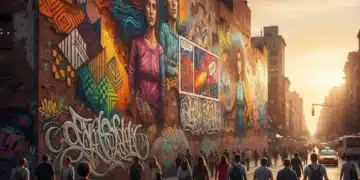
Los Angeles, a city known for its vibrant mural scene, is launching a major expansion of its public art efforts with the Community Storytelling Murals project. This extensive public art initiative will commission hundreds of new murals across diverse neighborhoods, each telling the unique stories, histories, and cultural narratives of the local communities. The project emphasizes community engagement, with residents actively participating in the design and creation process, ensuring that the artworks truly reflect the voices and identities of the people they represent.
By 2026, these murals will transform countless walls into canvases of collective memory and aspiration, creating a city-wide outdoor museum that celebrates LA’s incredible diversity. The initiative aims to beautify public spaces, deter graffiti, and foster a stronger sense of pride and ownership among residents. It’s a powerful tool for cultural preservation and education, making art accessible to everyone and strengthening social bonds. The Community Storytelling Murals project is a testament to the enduring power of murals to connect people to their heritage and to each other, creating a visually stunning and deeply meaningful urban tapestry.
8. The Elevated Park Art Installations, Denver, Colorado
Denver is reimagining its urban landscape with the Elevated Park Art Installations project, a unique public art initiative that will integrate art into new elevated park spaces and pedestrian bridges. These installations will leverage the city’s natural beauty and mountain backdrop, creating art that offers stunning vistas and engaging experiences. By 2026, several key elevated parks and walkways are expected to feature sculptures, light installations, and landscape art that enhance the pedestrian experience and offer new perspectives on the city.
The project aims to create iconic landmarks that contribute to Denver’s reputation as a livable and culturally rich city. It will focus on durability and sustainability, ensuring that the artworks can withstand Denver’s climate while minimizing environmental impact. These elevated art spaces will not only provide aesthetic pleasure but also serve as gathering points and recreational areas, promoting health and well-being. The Elevated Park Art Installations project is an innovative approach to urban planning, where art is seamlessly integrated into infrastructure to create functional, beautiful, and inspiring public spaces that elevate the everyday experience.
9. The Waterfront Sculpture Trail, Seattle, Washington
Seattle’s spectacular waterfront is being enhanced by the Waterfront Sculpture Trail, a major public art initiative that will transform the newly redeveloped pier and park areas into an engaging outdoor gallery. This trail will feature a collection of contemporary sculptures, many of which will reflect Seattle’s maritime heritage, natural environment, and innovative spirit. By 2026, visitors and residents will be able to stroll along the waterfront, encountering a diverse array of artworks that celebrate the city’s unique character and stunning Puget Sound views.
The project is designed to be highly accessible, encouraging interaction and contemplation. It will include educational signage and digital guides to provide context for the artworks and their connection to Seattle’s history and future. The Waterfront Sculpture Trail is expected to significantly boost tourism and local engagement, creating a vibrant cultural destination that complements the natural beauty of the area. This initiative exemplifies how public art can enhance major urban redevelopment projects, adding layers of meaning and beauty to public spaces and creating memorable experiences for all.
10. The Historic District Revitalization Through Art, Charleston, South Carolina
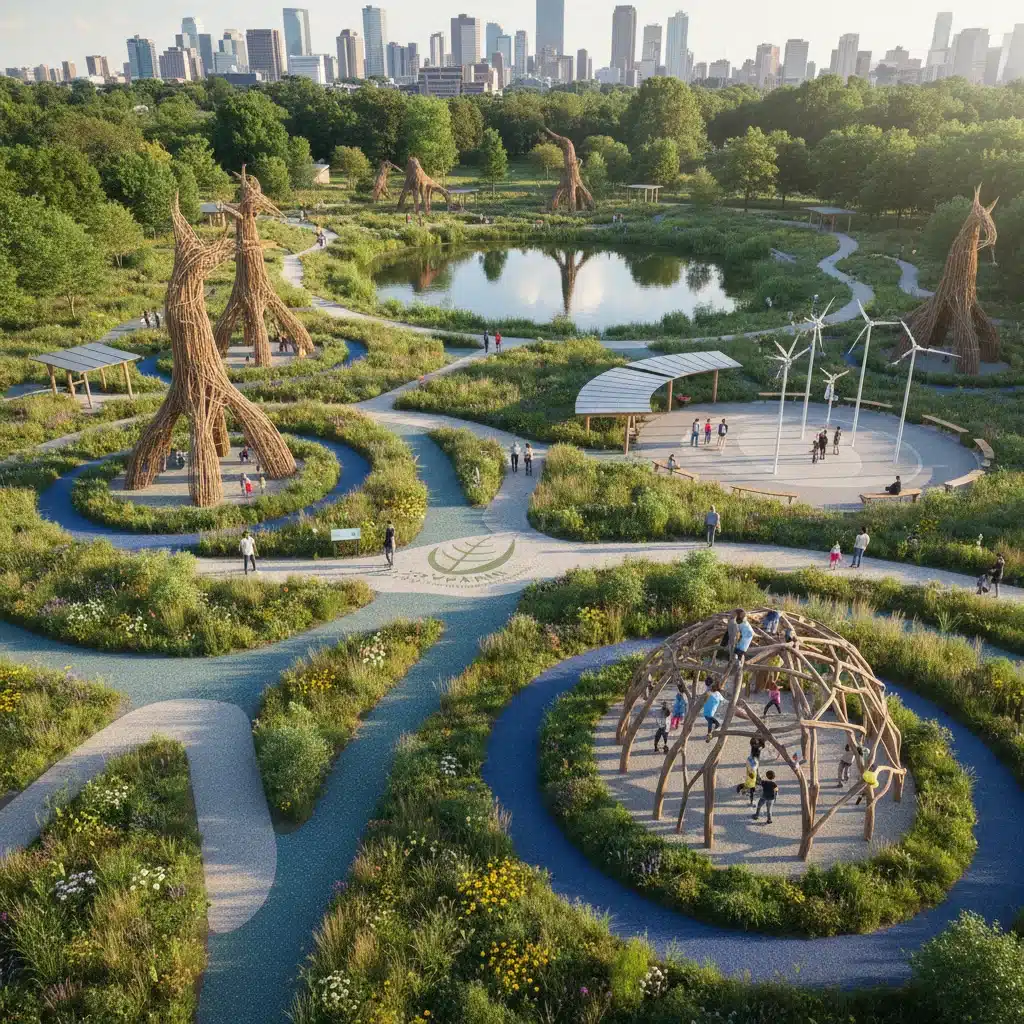
Charleston, with its rich history and architectural charm, is undertaking the Historic District Revitalization Through Art project, a unique public art initiative focused on integrating contemporary art into its historic urban fabric without detracting from its heritage. This project will commission site-specific installations, subtle interventions, and temporary art exhibits that highlight the city’s history, culture, and social dynamics. By 2026, expect to see art pieces that tell untold stories, reveal hidden layers of history, and invite reflection in unexpected corners of the historic district.
This initiative is particularly sensitive to the context of a historic city, aiming to create a dialogue between past and present through art. It will involve careful curation and collaboration with preservationists to ensure that the artworks enhance rather than overshadow the historic environment. The project seeks to attract a new generation of visitors while engaging local residents in a deeper appreciation of their city’s legacy. The Historic District Revitalization Through Art project is a sophisticated approach to urban renewal, demonstrating how contemporary public art can breathe new life into historic spaces, fostering cultural tourism and community pride in a respectful and innovative manner.
The Broader Impact of Public Art Initiatives
These 10 public art initiatives are more than just individual projects; they represent a growing national commitment to integrating art into the core of community development. The impacts extend far beyond visual appeal:
- Economic Development: Public art often acts as a magnet for tourism, driving foot traffic to local businesses, and increasing property values. It creates jobs for artists, fabricators, and maintenance crews.
- Community Cohesion: Collaborative art projects foster a sense of shared ownership and pride, bringing diverse groups of people together in creative endeavors.
- Urban Revitalization: Art can transform neglected spaces into vibrant destinations, deter crime, and make public areas feel safer and more inviting.
- Cultural Identity: Public art helps communities tell their stories, celebrate their heritage, and express their unique identities, strengthening cultural bonds.
- Environmental Awareness: Many projects, like Miami’s and Phoenix’s, use art to highlight environmental issues and promote sustainable practices.
- Education and Engagement: Art in public spaces provides informal learning opportunities and encourages critical thinking and dialogue among citizens.
The strategic placement and thoughtful design of these public art initiatives ensure that they contribute significantly to the social, cultural, and economic well-being of American communities. They are investments in the future, creating legacies that will inspire and engage generations to come.
Conclusion: A Brighter, More Artistic Future for American Cities
The wave of public art initiatives sweeping across the United States signals a profound shift in how we envision and utilize our shared spaces. By 2026, the 10 projects highlighted in this article, among many others, will have fundamentally transformed their respective communities. From Detroit’s Greenline to Miami’s Coastal Resiliency Art, these initiatives are proving that art is not a luxury but a vital component of healthy, thriving urban environments.
As these projects unfold, they will continue to inspire, provoke, and unite, leaving an indelible mark on the American landscape. They underscore the transformative power of creativity to address urban challenges, celebrate diversity, and build a more beautiful and engaging world for everyone. The future of American communities is looking increasingly vibrant, thanks to the vision and dedication behind these groundbreaking public art initiatives.