The Next Generation of Energy Storage: 3 Technologies to Watch by 2028 for a 40% Efficiency Gain
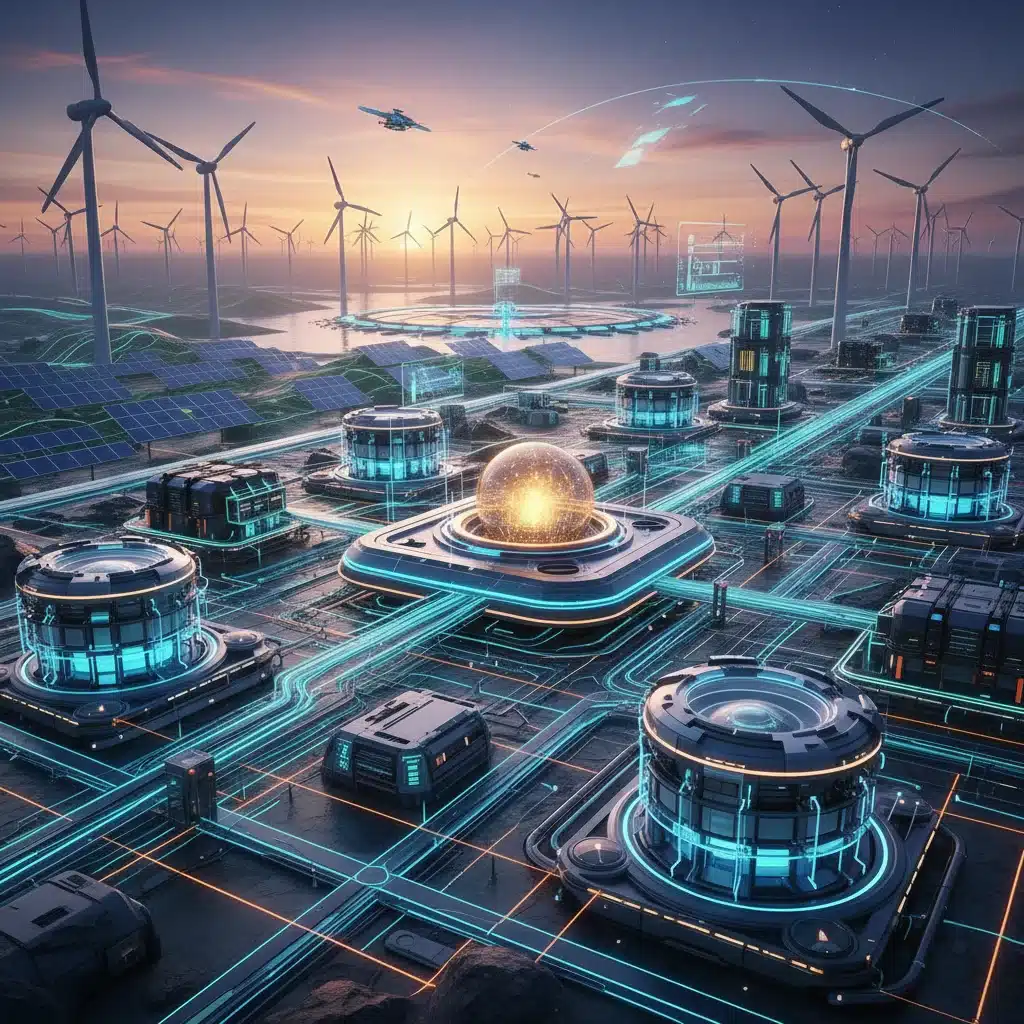
The global energy landscape is undergoing a profound transformation, driven by an urgent need for sustainable solutions and greater energy independence. At the heart of this revolution lies energy storage – the critical technology that bridges the intermittency of renewable energy sources like solar and wind with the constant demand of modern societies. Without efficient and cost-effective energy storage, the full potential of renewables remains untapped, leading to grid instability and a continued reliance on fossil fuels. The imperative to innovate in this sector is not merely an academic exercise; it is a fundamental pillar for achieving a truly green and resilient energy future. As we look towards 2028, the horizon is bright with promising advancements, particularly in technologies poised to deliver an unprecedented 40% efficiency gain, fundamentally reshaping how we generate, distribute, and consume power. This article delves into the three most exciting next-gen energy storage technologies that are set to redefine the industry, offering a glimpse into a future where energy is cleaner, more reliable, and significantly more efficient.
The current state of energy storage, largely dominated by lithium-ion batteries, has made significant strides, powering everything from electric vehicles to grid-scale installations. However, these technologies face inherent limitations in terms of cost, safety, resource availability, and overall efficiency, especially for long-duration applications. The intermittency of renewable energy, for instance, demands storage solutions that can capture excess energy during peak generation and release it reliably when needed, potentially hours or even days later. This challenge necessitates breakthroughs beyond incremental improvements, calling for entirely new paradigms in energy storage. The pursuit of a 40% efficiency gain by 2028 is not an arbitrary target; it represents a critical threshold that could unlock widespread adoption of renewable energy, reduce transmission losses, and provide unparalleled grid stability. Such a leap in efficiency would translate directly into lower energy costs for consumers, a reduced carbon footprint, and a more robust infrastructure capable of withstanding the increasing demands of a digitized world. Understanding these upcoming technologies is not just for industry insiders; it’s for anyone interested in the future of our planet and the energy that powers it. The journey towards a sustainable future is paved with innovation in next-gen energy storage.
Solid-State Batteries: The Quantum Leap in Energy Density and Safety
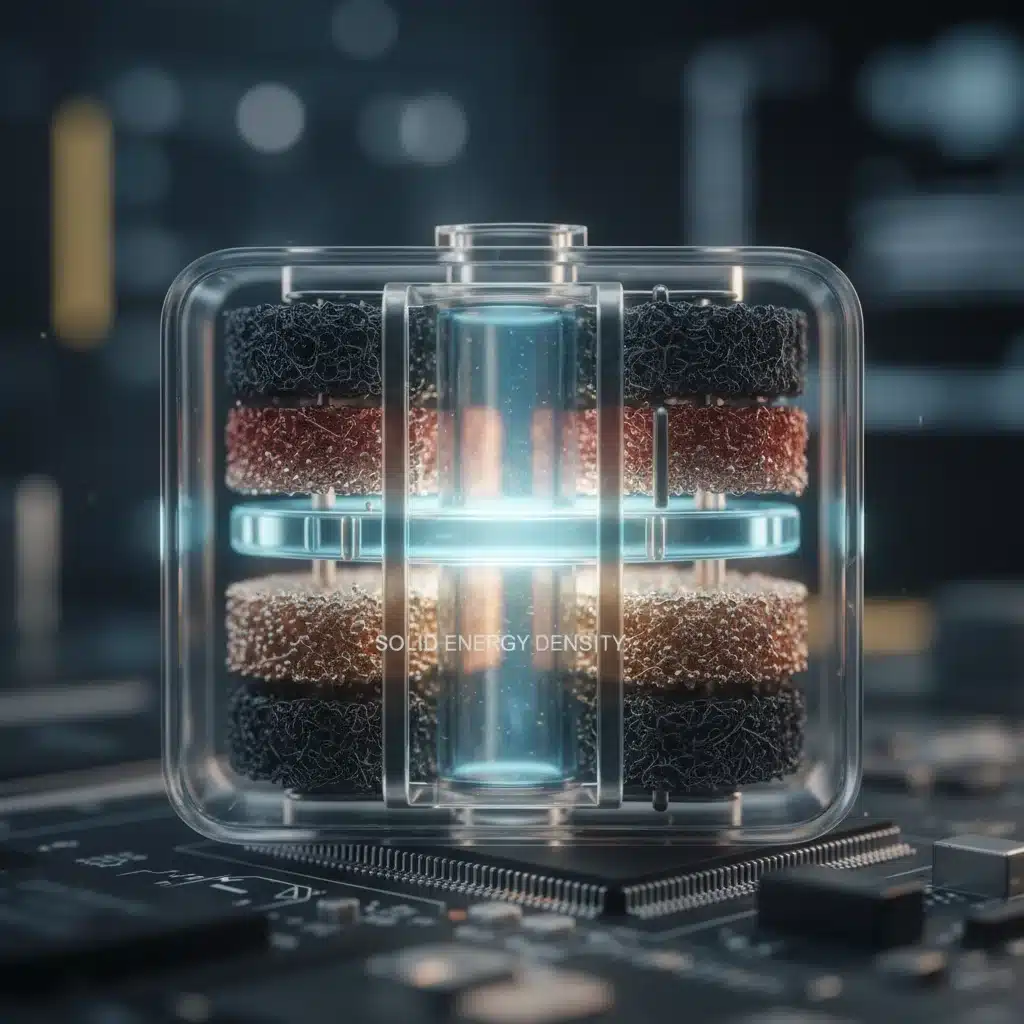
When discussing the next generation of energy storage, solid-state batteries invariably top the list. These revolutionary power packs replace the flammable liquid or gel electrolytes found in conventional lithium-ion batteries with a solid material, promising a dramatic improvement in both performance and safety. The implications of this shift are profound. Current lithium-ion batteries, while powerful, pose significant safety risks due to their volatile liquid electrolytes, which can lead to thermal runaway and fires under certain conditions. Solid-state electrolytes, on the other hand, are inherently non-flammable, offering a much safer alternative for a wide range of applications, from electric vehicles to grid-scale storage. This enhanced safety profile is a game-changer, reducing the need for complex cooling systems and protective casings, which in turn can decrease overall system costs and complexity.
Beyond safety, the true allure of solid-state batteries lies in their unparalleled energy density. By eliminating the need for bulky separators and liquid components, solid-state designs can pack more active material into a smaller volume, leading to significantly higher energy storage capacity per unit of weight and volume. This means electric vehicles could travel much farther on a single charge, and grid storage systems could be more compact and efficient. Projections suggest that solid-state batteries could achieve energy densities exceeding 500 Wh/kg, a substantial leap from the 250-300 Wh/kg typical of today’s best lithium-ion batteries. This increased energy density is crucial for achieving the targeted 40% efficiency gain, as it reduces the footprint and material requirements for a given amount of stored energy. Furthermore, the solid-state architecture allows for faster charging rates and a longer cycle life, as the solid electrolyte is less prone to degradation compared to its liquid counterparts. This durability translates into lower replacement costs and a more sustainable product lifecycle. Companies like QuantumScape, Solid Power, and Toyota are investing heavily in this technology, with prototypes already demonstrating impressive results. The challenges remain in mass production and cost reduction, but the trajectory suggests that solid-state batteries will be a dominant force in next-gen energy storage by 2028, pushing the boundaries of what’s possible in energy storage efficiency and application.
Flow Batteries: Scalable Solutions for Long-Duration Grid Storage
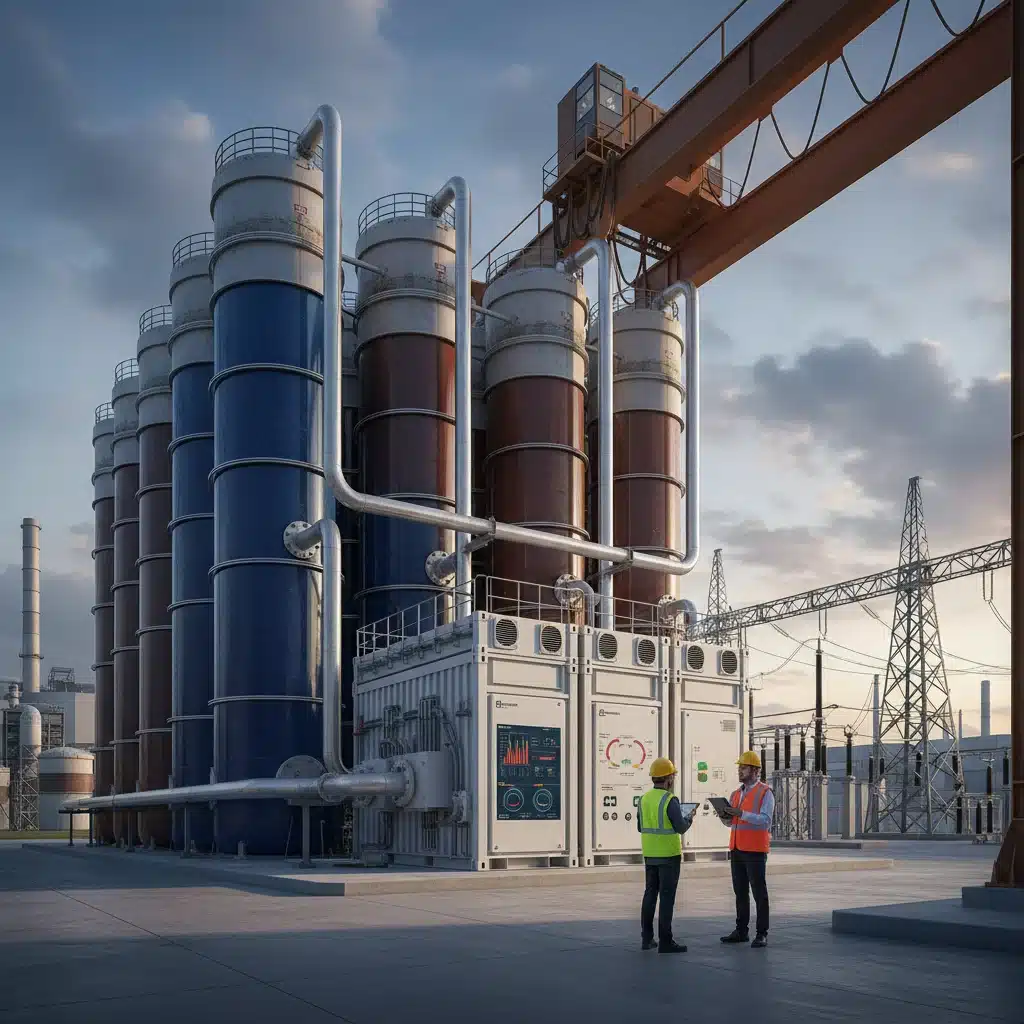
While solid-state batteries excel in energy density for mobile applications, flow batteries present a compelling solution for stationary, long-duration grid storage, a critical component for integrating a high percentage of renewable energy into the grid. Unlike conventional batteries that store energy within the electrode materials, flow batteries store energy in liquid electrolyte solutions contained in external tanks. These electrolytes are pumped through a central reaction stack, where electrochemical reactions convert chemical energy into electrical energy and vice-versa. This unique architecture offers several distinct advantages that position flow batteries as a key next-gen energy storage technology.
The primary benefit of flow batteries is their decoupled power and energy capacities. The power output is determined by the size of the reaction stack, while the energy capacity is determined by the volume of the electrolyte tanks. This allows for unparalleled scalability and flexibility. Need more energy? Simply add larger tanks. Need more power? Increase the size of the reaction stack. This modularity makes them ideal for grid-scale applications requiring hours to days of storage, a capability where lithium-ion batteries often fall short due to cost and degradation concerns. Furthermore, flow batteries typically have an exceptionally long cycle life, often tens of thousands of cycles, because the active materials are regenerated within the electrolyte rather much and the overall system is more efficient. This longevity contributes significantly to their overall efficiency and cost-effectiveness over the lifespan of a project. Many flow battery chemistries, such as vanadium redox flow batteries (VRFBs), use non-flammable, aqueous electrolytes, enhancing safety and reducing environmental risks. Emerging chemistries, including organic and zinc-bromine flow batteries, are further driving down costs and improving performance. Companies like Invinity Energy Systems and Sumitomo Electric are leading the charge in deploying these systems globally. By 2028, advancements in electrolyte chemistry, stack design, and manufacturing processes are expected to significantly improve round-trip efficiency, making flow batteries a cornerstone of a stable, renewable-powered grid. The ability of flow batteries to provide long-duration storage with high efficiency and minimal degradation makes them indispensable for achieving a truly resilient and sustainable energy infrastructure, bolstering the entire next-gen energy storage ecosystem.
Hydrogen Storage and Fuel Cells: The Ultimate Long-Term Energy Reservoir
While solid-state and flow batteries address immediate and medium-term storage needs, hydrogen storage, coupled with fuel cell technology, emerges as the ultimate solution for ultra-long-duration and seasonal energy storage. Hydrogen, often dubbed the ‘energy carrier of the future,’ can be produced from renewable electricity through electrolysis and stored for extended periods, then converted back into electricity via fuel cells when needed. This closed-loop system offers a compelling pathway to decarbonize hard-to-abate sectors and provide long-term grid stability, making it a pivotal next-gen energy storage technology.
The beauty of hydrogen as an energy storage medium lies in its versatility and high energy content per unit mass. It can be stored as a compressed gas, a cryogenic liquid, or even in solid-state materials, offering diverse deployment options. When renewable energy sources generate excess electricity, this energy can be used to split water into hydrogen and oxygen (green hydrogen). This hydrogen can then be stored in large underground caverns, depleted gas fields, or specialized tanks, effectively acting as a massive energy bank. When electricity demand outstrips supply, the stored hydrogen can be fed into fuel cells to generate clean electricity, with water as the only byproduct. This process is highly efficient, and ongoing research is continually improving the round-trip efficiency of hydrogen production, storage, and reconversion. Advances in electrolyzer technology (e.g., solid oxide and anion exchange membrane electrolyzers) are dramatically increasing the efficiency of green hydrogen production, while innovations in fuel cell design are boosting their power output and durability. Companies such as Plug Power, Ballard Power Systems, and Siemens Energy are at the forefront of developing and deploying these integrated hydrogen energy systems. By 2028, we anticipate significant reductions in the cost of green hydrogen production and a substantial improvement in the overall efficiency of the hydrogen value chain, making it a viable and competitive option for seasonal energy storage and large-scale grid balancing. The ability to store massive amounts of energy for extended periods makes hydrogen an indispensable component of a fully renewable energy system, addressing the critical challenge of inter-seasonal variability and ensuring energy security for decades to come, solidifying its role in the next-gen energy storage landscape.
The Synergy of Next-Gen Energy Storage Technologies for a 40% Efficiency Gain
The future of energy storage is not about a single dominant technology but rather a synergistic ecosystem where different solutions play to their strengths. The 40% efficiency gain by 2028 will likely be achieved through a combination of these next-gen energy storage technologies, each optimized for specific applications and working in concert to create a more robust and resilient energy grid. Solid-state batteries, with their high energy density and enhanced safety, are poised to revolutionize electric vehicles and consumer electronics, while also finding niches in compact, high-power grid support systems. Their ability to deliver more power in a smaller footprint will directly contribute to overall system efficiency by reducing the energy lost in transmission and conversion within smaller, distributed applications. The improved cycle life and faster charging capabilities will also mean less downtime and more effective energy utilization.
Flow batteries, on the other hand, will serve as the backbone for long-duration grid storage, balancing the intermittency of large-scale renewable energy farms. Their scalability and long cycle life make them economically viable for storing energy for hours or days, ensuring a continuous and reliable power supply. The ongoing advancements in electrolyte chemistry are not only increasing their round-trip efficiency but also reducing their environmental footprint, making them a truly sustainable choice. By providing consistent power over extended periods, flow batteries minimize the need for peaker plants and reduce grid congestion, leading to a more efficient overall energy distribution network. The ability to manage large fluctuations in renewable generation with minimal energy loss is a critical factor in achieving the targeted efficiency gains across the entire energy system, making them a cornerstone of next-gen energy storage.
Hydrogen storage, while a longer-term play, will provide the ultimate seasonal energy reservoir, bridging gaps that even long-duration batteries cannot cover. Its capacity to store vast amounts of energy for months ensures energy security during periods of low renewable generation, such as prolonged cloudy spells or calm winds. The increasing efficiency of electrolyzers and fuel cells means that the conversion losses in the hydrogen cycle are steadily decreasing, making it a more attractive option for large-scale energy banking. The integration of these three technologies forms a comprehensive strategy for managing energy from generation to consumption. Imagine a future where solar panels feed into a combination of solid-state batteries for immediate use, flow batteries for daily load balancing, and excess energy converted into hydrogen for seasonal storage. This layered approach ensures that every joule of renewable energy is utilized effectively, minimizing waste and maximizing efficiency across the entire energy value chain. The synergistic deployment of these next-gen energy storage solutions will not only lead to the promised 40% efficiency gain but also create a more resilient, sustainable, and economically viable global energy system, truly ushering in the next generation of energy storage.
Challenges and the Path Forward for Next-Gen Energy Storage
While the promise of a 40% efficiency gain by 2028 through next-gen energy storage technologies is incredibly exciting, it’s crucial to acknowledge the challenges that lie ahead. The path from laboratory breakthroughs to widespread commercial deployment is often fraught with hurdles, including manufacturing scalability, cost reduction, supply chain development, and regulatory frameworks. For solid-state batteries, the primary challenge remains in achieving high-volume, cost-effective manufacturing. Producing solid electrolytes consistently and integrating them into battery cells without compromising performance or safety requires significant engineering innovation and investment. Establishing a robust supply chain for novel materials and processes is also critical. Similarly, flow batteries face challenges in reducing the cost of their active materials and ensuring the long-term stability of their electrolytes under various operating conditions. While their modularity is an advantage, the initial capital expenditure can sometimes be higher than traditional lithium-ion systems, requiring supportive policies and incentives to accelerate adoption. The development of new, more efficient, and cheaper electrolyte chemistries is an ongoing area of research that will be vital for broader market penetration.
Hydrogen storage and fuel cell technology, despite its immense potential, faces its own set of unique obstacles. The cost of producing green hydrogen through electrolysis, while decreasing, still needs to become more competitive with fossil fuel-derived hydrogen. Developing the necessary infrastructure for hydrogen transportation, storage, and distribution on a large scale is a monumental task requiring significant investment and international cooperation. Safety concerns related to hydrogen handling and storage also need to be thoroughly addressed and regulated to build public trust. Furthermore, the round-trip efficiency of hydrogen-based systems, though improving, is generally lower than that of direct battery storage, which necessitates careful consideration of its application for ultra-long-duration storage where other options are less viable. Overcoming these challenges will require a concerted effort from governments, industry, and academia. Policy support, including R&D funding, tax incentives, and carbon pricing mechanisms, will be essential to de-risk investments and accelerate market development. International collaboration to standardize technologies and share best practices will also play a crucial role. As these next-gen energy storage technologies mature, their integration into existing grid infrastructure will require smart grid technologies and advanced energy management systems to optimize their performance and maximize efficiency gains. The journey to a fully decarbonized and efficient energy system is complex, but with continued innovation and strategic investment in these next-gen energy storage solutions, the 40% efficiency gain by 2028 is not just a dream but an achievable reality, propelling us into a new era of energy sustainability and resilience.
Conclusion: A Brighter, More Efficient Energy Future with Next-Gen Energy Storage
The pursuit of a 40% efficiency gain in energy storage by 2028 is not merely an ambitious goal; it represents a critical milestone in our global transition towards a sustainable and resilient energy future. The three next-gen energy storage technologies – solid-state batteries, flow batteries, and hydrogen storage coupled with fuel cells – are at the forefront of this transformation. Each offers unique advantages tailored to different scales and durations of storage, from powering our daily devices and electric vehicles to stabilizing national grids and providing seasonal energy security. Solid-state batteries promise unparalleled energy density and safety, revolutionizing portable electronics and electric transport. Flow batteries offer scalable, long-duration storage solutions for grid integration, ensuring the reliability of renewable energy sources. Hydrogen systems provide the ultimate reservoir for ultra-long-term and seasonal energy storage, bridging the largest temporal gaps in energy supply and demand. Together, these technologies form a powerful, complementary portfolio that will unlock unprecedented levels of efficiency, reduce costs, enhance safety, and minimize environmental impact across the entire energy value chain.
The journey to realize the full potential of these next-gen energy storage innovations will require continued investment in research and development, supportive regulatory frameworks, and collaborative efforts across industries and nations. Overcoming challenges related to manufacturing scalability, cost reduction, and infrastructure development will be paramount. However, the trajectory of innovation is clear, and the momentum is building. By 2028, the widespread adoption and synergistic deployment of these advanced energy storage solutions will fundamentally reshape our energy landscape, making renewable energy not just a viable alternative but the dominant force. The vision of a world powered by clean, reliable, and highly efficient energy is within reach, driven by the relentless pursuit of excellence in next-gen energy storage. As we move forward, these technologies will empower us to build a more sustainable, energy-independent, and environmentally responsible world for generations to come, truly embodying the spirit of next-gen energy storage.