2026 American Food Trends: Cultural Exchange Drives Culinary Innovation
The 2026 Culinary Landscape: 3 American Food Trends Driven by Cultural Exchange
The culinary world is a dynamic, ever-evolving landscape, and nowhere is this more evident than in the United States. As we look ahead to 2026, the American food trends 2026 are clearly being shaped by an accelerating pace of cultural exchange, globalization, and an increasing appreciation for diverse flavors and sustainable practices. This isn’t just about new ingredients; it’s about new ways of thinking about food, eating, and community. The melting pot metaphor for American culture has never been more literal, as kitchens across the nation become laboratories for exciting fusions and authentic explorations of global gastronomy.
From the bustling streets of major metropolises to the quiet charm of rural towns, the influence of various cultures is transforming menus, inspiring chefs, and delighting diners. We’re moving beyond simple appropriation to a deeper, more respectful engagement with culinary traditions from around the world. This article will delve into three pivotal American food trends 2026 that are set to dominate the gastronomic scene, each intrinsically linked to the rich tapestry of cultural exchange.
Trend 1: The Rise of Hyper-Regional Global Cuisines
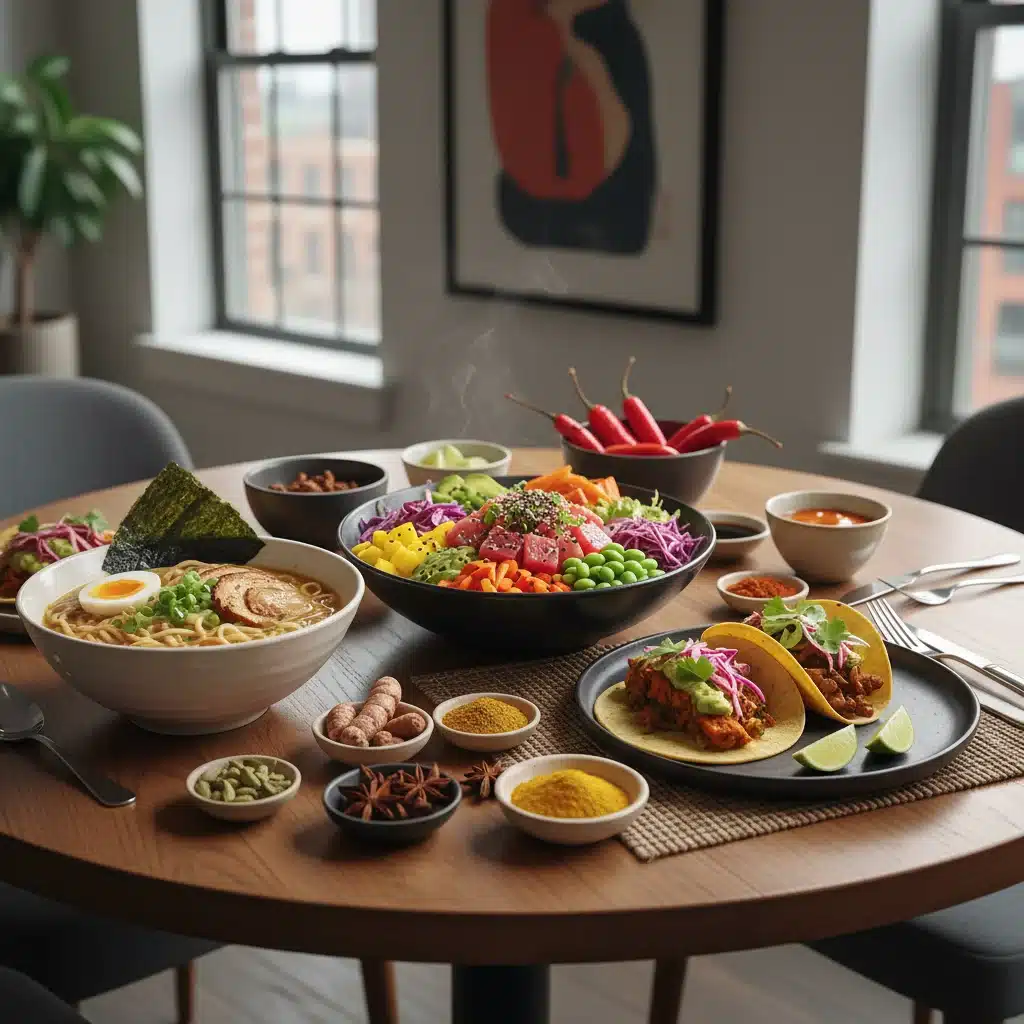
One of the most exciting American food trends 2026 is the deep dive into hyper-regional global cuisines. Gone are the days of generalized “Asian” or “Latin American” sections on menus. Consumers, increasingly sophisticated and well-traveled (even if only virtually), are craving authenticity and specificity. They want to experience the nuanced flavors of specific regions, cities, and even villages from around the globe.
Beyond the Broad Strokes: A Deeper Culinary Understanding
This trend is a direct result of increased cultural exchange, driven by immigration, international travel, and the pervasive influence of social media. Chefs and home cooks alike are exploring the distinct culinary identities of places like Oaxaca (Mexico), Sichuan (China), Emilia-Romagna (Italy), or the coastal regions of Vietnam. This means an emphasis on indigenous ingredients, traditional cooking methods, and a story behind every dish.
- Mexican Cuisine: Moving past Tex-Mex, we’re seeing a surge in demand for regional Mexican dishes. Think mole from Puebla, cochinita pibil from Yucatan, or tlayudas from Oaxaca. Restaurants are specializing in these specific culinary traditions, offering a more genuine taste of Mexico’s diverse gastronomic heritage.
- Asian Cuisines: Instead of generic Chinese food, diners are seeking out specific regional variations like Hakka, Cantonese dim sum, or fiery Hunan cuisine. Similarly, the nuances of regional Japanese (e.g., Okinawan, Hokkaido) or Korean (e.g., Busan street food, Jeolla-do fermented dishes) are gaining traction.
- African & Middle Eastern: The rich and varied cuisines of Africa are finally getting their due, with specific focus on Ethiopian injera and stews, West African jollof rice, or Moroccan tagines. Middle Eastern cuisine is also expanding beyond falafel and hummus to explore the distinct flavors of Lebanese, Persian, and Turkish regional specialties.
This hyper-regional focus benefits from the growing availability of specialty ingredients, often sourced directly from communities or grown locally using traditional methods. It also fosters a deeper appreciation for the cultural narratives embedded within these dishes, transforming a meal into an educational and enriching experience. The authenticity sought by diners translates into a greater respect for the origins and traditions behind the food, making this one of the most significant American food trends 2026.
Trend 2: Sustainable Indulgence – Eco-Conscious Gastronomy
The second major trend shaping American food trends 2026 is the convergence of sustainability and indulgence. Consumers are increasingly aware of the environmental and ethical impact of their food choices, but they are not willing to sacrifice flavor or experience. This has led to a fascinating evolution where luxury and responsibility go hand-in-hand.
From Farm to Fork, with a Conscience
This trend encompasses several facets, all aimed at minimizing environmental footprint while maximizing culinary pleasure. It’s about smart sourcing, waste reduction, and innovative ingredient utilization.
- Local and Seasonal Focus: While not new, this commitment deepens. Restaurants and consumers are prioritizing ingredients grown within a smaller radius, reducing transportation emissions and supporting local economies. Menus become dynamic, reflecting the freshest produce available, which in itself inspires creativity.
- Ugly Produce & Whole Animal Utilization: Embracing imperfect produce and utilizing every part of an animal (nose-to-tail, root-to-stem) are becoming culinary badges of honor. Chefs are finding ingenious ways to transform what might have been waste into delicious, high-value dishes, challenging perceptions and reducing food waste significantly.
- Regenerative Agriculture & Ethical Sourcing: Beyond organic, the focus is shifting to regenerative farming practices that actively improve soil health, biodiversity, and carbon sequestration. Ethical sourcing extends to fair labor practices and animal welfare, ensuring that the entire supply chain aligns with consumer values.
- Sustainable Seafood: With increasing concerns about overfishing and ocean health, sustainable seafood choices are paramount. This involves choosing species that are abundant, caught or farmed using environmentally responsible methods, and often includes lesser-known but equally delicious varieties.
The concept of sustainable indulgence means that diners can enjoy exquisite meals knowing that their choices contribute positively to the planet and its people. High-end restaurants are leading the charge, showcasing how luxurious dining can be inherently sustainable. This blend of ethical responsibility and epicurean delight is a powerful force driving American food trends 2026, influencing everything from fine dining to fast casual.
Trend 3: Plant-Forward Innovations and Flexitarianism
The third significant trend influencing American food trends 2026 is the continued, accelerated growth of plant-forward eating and flexitarianism. This is not just a niche market anymore; it’s a mainstream movement driven by health consciousness, environmental concerns, and culinary curiosity. The innovation in plant-based ingredients and techniques is astounding, making plant-based meals more appealing and diverse than ever.
Beyond Meat Substitutes: A Culinary Revolution
While plant-based meat alternatives continue to improve, the real excitement lies in chefs and home cooks focusing on vegetables, legumes, grains, and fungi as stars in their own right, rather than mere stand-ins for meat. This approach celebrates the natural flavors and textures of plant ingredients.
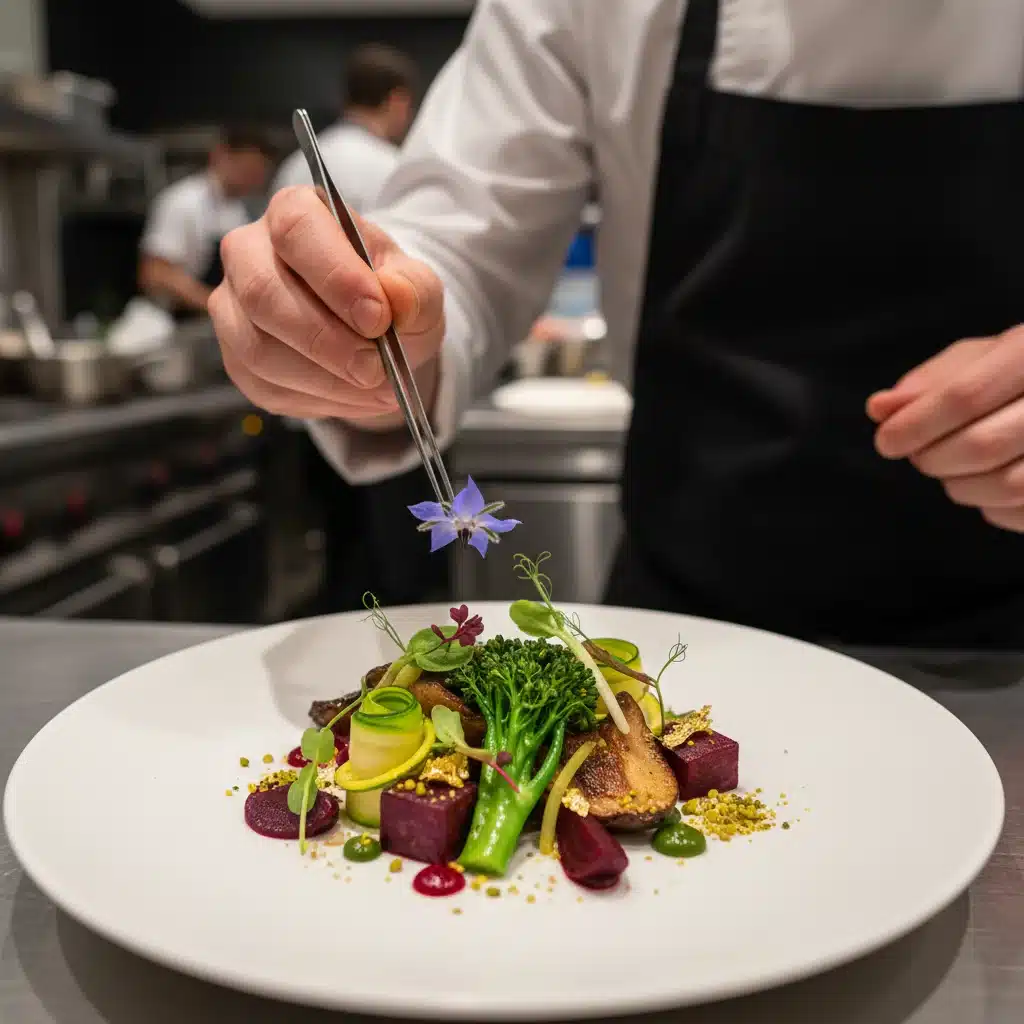
- Botanical Gastronomy: This involves treating vegetables with the same reverence and creativity traditionally reserved for meat. Think mushroom steaks, root vegetable roasts, or intricate salads featuring forgotten greens and edible flowers. Techniques like fermentation, smoking, and charring are applied to vegetables to unlock new depths of flavor and texture.
- Global Plant-Based Inspirations: Many traditional global cuisines are inherently plant-forward. The cultural exchange brings a wealth of inspiration: Indian curries, Mediterranean mezze, West African stews, and East Asian tofu and tempeh dishes. These provide a rich foundation for innovative plant-based dishes that are flavorful and satisfying.
- Next-Generation Plant-Based Products: Beyond the current generation of plant-based burgers, we’re seeing advancements in whole-cut plant-based meats, seafood alternatives made from algae or fungi, and dairy-free products that genuinely replicate the taste and texture of their animal-based counterparts. These innovations are making it easier for flexitarians to reduce their meat consumption without feeling deprived.
- Functional Plant-Based Foods: There’s a growing interest in plant-based foods that offer additional health benefits, such as adaptogens, probiotics, and nutrient-dense superfoods. This aligns with a holistic approach to wellness, where food is seen as medicine.
Flexitarianism, the practice of primarily eating vegetarian food with occasional meat or fish, is becoming the norm for many. This allows for flexibility while still prioritizing plant-based options. The culinary creativity in this space is limitless, making plant-forward dining one of the most dynamic American food trends 2026. It’s an exciting time for vegetables to take center stage, offering both health benefits and incredible flavor profiles.
The Driving Force: Cultural Exchange and Connectivity
It’s impossible to discuss these American food trends 2026 without continually returning to the central theme: cultural exchange. The interconnectedness of our world, facilitated by digital media, increased travel, and diverse communities, is the engine behind this culinary evolution. Food is a universal language, a powerful medium through which cultures share their stories, traditions, and innovations.
A Global Palate, Locally Sourced
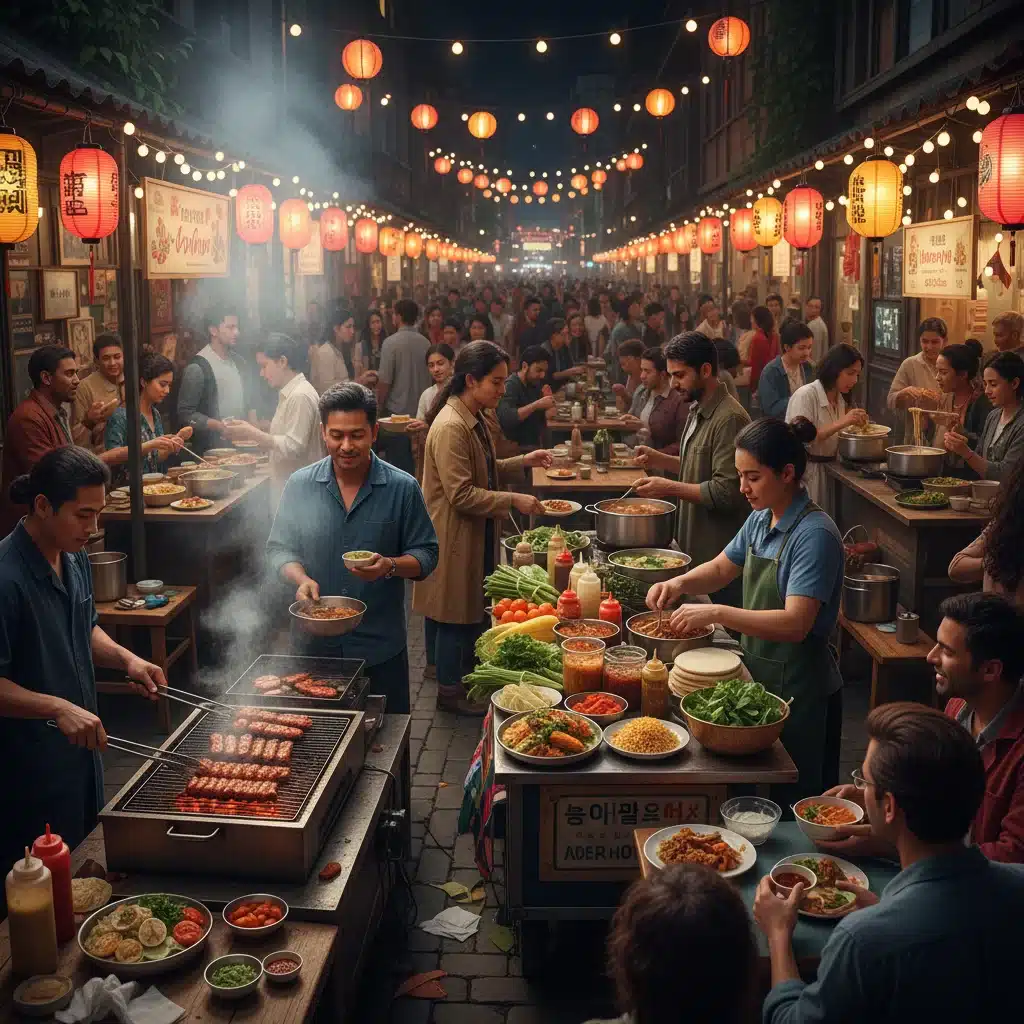
Immigration continues to enrich the American culinary landscape, bringing authentic flavors and techniques from every corner of the globe. These traditions are not just preserved; they evolve, adapt, and fuse with local ingredients and contemporary approaches, creating entirely new culinary experiences. Food festivals, pop-ups, and international markets play a crucial role in exposing more people to these diverse offerings, sparking curiosity and demand.
Social media platforms have become powerful incubators for food trends. From viral recipes to celebrity chef tutorials, global culinary ideas can spread across continents in an instant. This democratization of food knowledge empowers home cooks to experiment with new ingredients and techniques, further fueling the demand for specific regional ingredients and authentic experiences.
Moreover, the dialogue around food has become more sophisticated. Consumers are not just asking “what is this?” but “where does it come from?” and “how was it made?”. This curiosity drives a deeper appreciation for the cultural context of food, making the dining experience richer and more meaningful. This desire for connection and understanding is a core element of the American food trends 2026.
Impact on the Food Industry and Consumers
These evolving American food trends 2026 have significant implications for both the food industry and consumers. For businesses, it means a need for agility, innovation, and a willingness to embrace diversity. For consumers, it promises an exciting and delicious future filled with endless culinary discoveries.
For Restaurants and Food Businesses: Adapt or Be Left Behind
- Menu Diversification: Restaurants must move beyond generic offerings and consider specializing in specific regional cuisines or developing plant-forward menus that are genuinely exciting.
- Sourcing Strategies: Building relationships with local farmers, ethical suppliers, and international distributors capable of providing authentic, high-quality ingredients will be crucial.
- Storytelling: Consumers want to know the story behind their food – its origins, its cultural significance, and its journey to their plate. Transparency and narrative will be key marketing tools.
- Innovation in Plant-Based: Investing in R&D for plant-based dishes that are flavorful, textural, and visually appealing will attract a growing demographic of flexitarians and vegans.
- Waste Reduction: Implementing robust waste reduction strategies, from kitchen practices to consumer education, will be essential for both sustainability and cost-effectiveness.
For Consumers: An Era of Culinary Exploration
- Expanded Palates: Diners will have unprecedented opportunities to explore a vast array of global flavors and culinary traditions, enriching their dining experiences.
- Conscious Choices: The ability to make more informed and ethical food choices will empower consumers to align their eating habits with their values.
- Healthier Options: The focus on plant-forward and sustainably sourced foods naturally leads to healthier eating patterns without compromising on taste or satisfaction.
- Community Engagement: Food becomes a powerful tool for cultural understanding and community building, fostering connections through shared meals and traditions.
Conclusion: A Flavorful Future Rooted in Connection
The American food trends 2026 paint a picture of a vibrant, diverse, and conscious culinary future. The driving force behind these shifts is undeniably cultural exchange – the constant flow of ideas, traditions, and ingredients across borders and communities. From the specificity of hyper-regional global cuisines to the ethical considerations of sustainable indulgence and the creative explosion of plant-forward innovations, American dining is becoming more sophisticated, responsible, and exciting than ever before.
As we move forward, the relationship between food and culture will only deepen. Chefs will continue to draw inspiration from diverse heritages, consumers will seek out authentic and meaningful dining experiences, and the food industry will adapt to meet these evolving demands. The journey promises to be a delicious one, celebrating the rich tapestry of human experience through the universal language of food. The future of American cuisine is not just about what we eat, but how we connect through it, making these American food trends 2026 a testament to our globalized and interconnected world.