Bio-Fabrication Revolution: 4 Industries to Watch for a 12% Market Shift
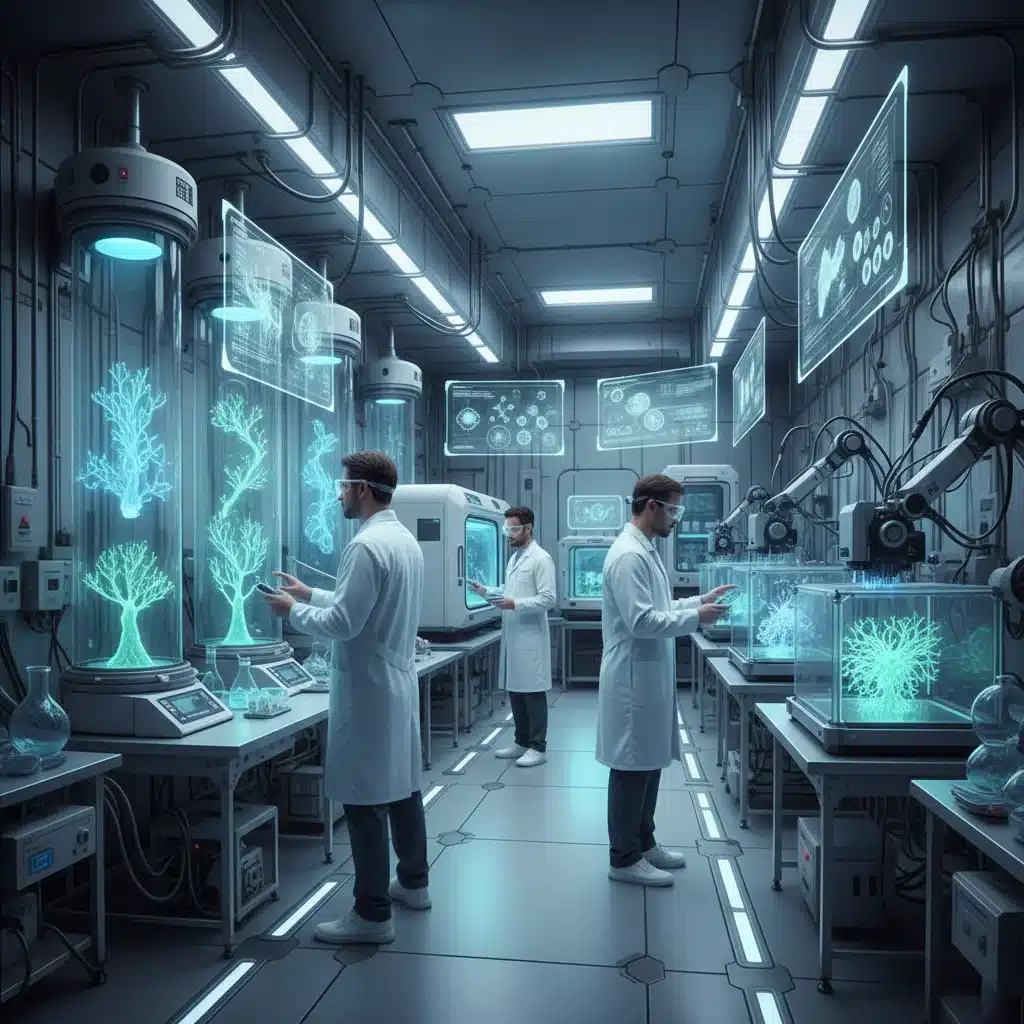
The world stands on the precipice of a profound industrial transformation, one driven not by silicon or steel, but by biology itself. Bio-fabrication disruption is no longer a futuristic concept confined to scientific journals; it’s an economic force rapidly gaining momentum, poised to reshape entire industries and redistribute market share with unprecedented speed. Within the next three years, experts predict a staggering 12% market share shift across several key sectors, fundamentally altering how we produce goods, consume resources, and interact with our environment. This isn’t just about incremental improvements; it’s about a paradigm shift where living systems become the factories of tomorrow.
At its core, bio-fabrication involves engineering biological systems – from cells and tissues to microorganisms – to produce materials, chemicals, and even complex structures. Think beyond fermentation to create beer; imagine bacteria synthesizing plastics, fungi growing furniture, or animal cells cultivating meat. This revolutionary approach promises not only enhanced sustainability and reduced environmental impact but also opens doors to entirely new product functionalities and supply chain efficiencies. The implications are vast, touching everything from the clothes we wear to the homes we inhabit and the food we eat.
This article will delve into the four industries most susceptible to this impending wave of bio-fabrication disruption, exploring the specific innovations driving this change, the challenges that lie ahead, and the immense opportunities for businesses and consumers alike. Understanding these shifts is crucial for anyone looking to navigate the economic landscape of the near future, whether you’re an investor, an entrepreneur, or simply a curious observer of technological progress.
The Dawn of a New Industrial Revolution: What is Bio-Fabrication?
Before we explore the specific industries, it’s essential to grasp the fundamental principles of bio-fabrication. Unlike traditional manufacturing, which often relies on finite resources, energy-intensive processes, and toxic chemicals, bio-fabrication harnesses the power of biological systems to create desired outputs. This can involve:
- Cellular Agriculture: Growing animal products (meat, dairy, leather) directly from cells, bypassing the need for traditional livestock farming.
- Biomaterial Engineering: Designing and producing materials with superior properties using biological components, such as spider silk proteins for strong fibers or cellulose for sustainable plastics.
- Microbial Fermentation: Utilizing microorganisms (bacteria, yeast, algae) as tiny factories to produce a wide range of compounds, from fuels and chemicals to pharmaceuticals and pigments.
- Bioprinting: Using 3D printing techniques with living cells and biomaterials to create tissues, organs, or complex biological structures.
The allure of bio-fabrication lies in its potential to offer sustainable, customizable, and often more efficient alternatives to conventional production methods. It addresses critical global challenges like resource scarcity, climate change, and pollution, making it a compelling pathway for future industrial development. The projected 12% market share shift signifies not just a niche trend but a significant reordering of economic power, with early adopters and innovators poised to capture substantial value.
Industry 1: Food and Agriculture – Cultivating a Sustainable Future
The food industry is arguably one of the most ripe for bio-fabrication disruption. Traditional agriculture faces immense pressure from a growing global population, limited arable land, water scarcity, and significant environmental impact (deforestation, greenhouse gas emissions, antibiotic resistance). Bio-fabrication offers revolutionary solutions, particularly through cellular agriculture and precision fermentation.
Cellular Agriculture: Meat Without the Animal
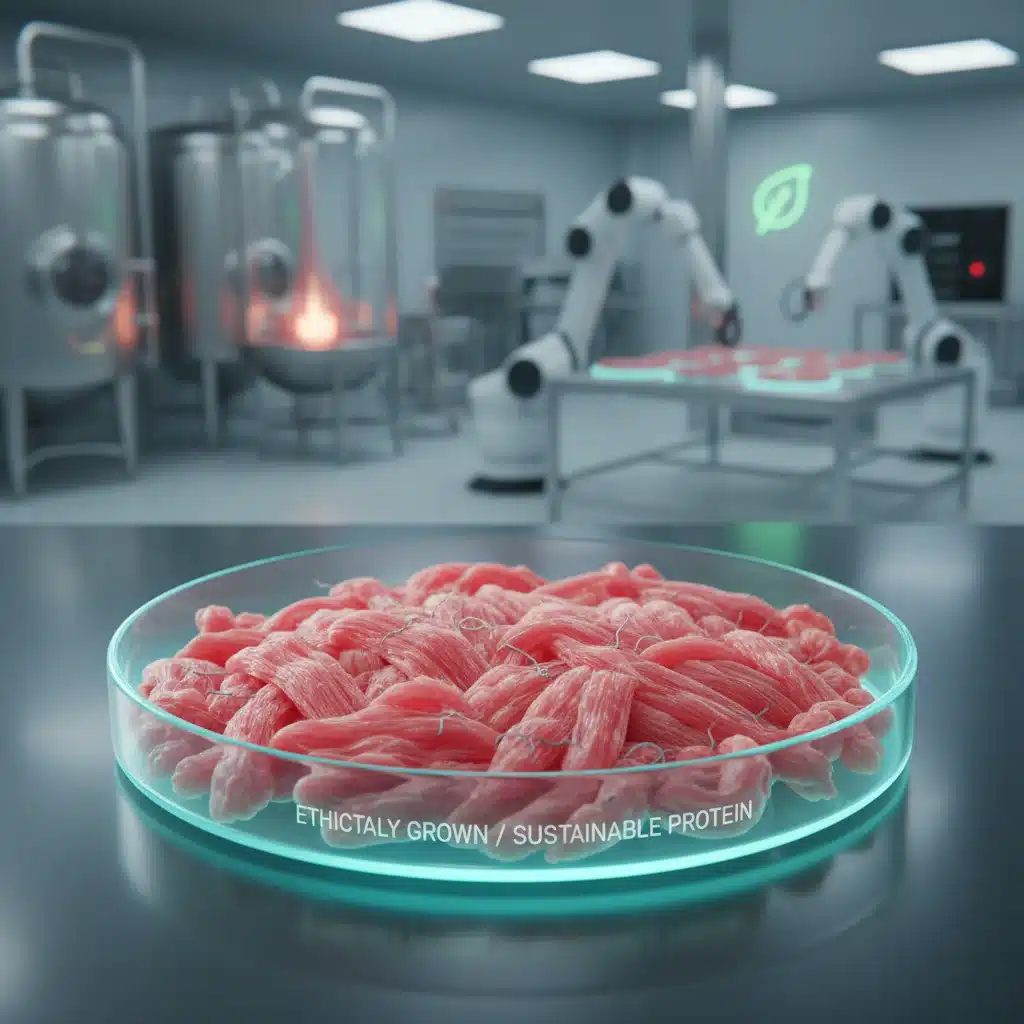
Imagine enjoying a delicious steak or a succulent chicken breast that was grown in a bioreactor, not raised on a farm. This is the promise of cellular agriculture. By taking a small sample of animal cells, scientists can cultivate them in a nutrient-rich environment to produce muscle tissue identical to conventionally farmed meat. This technology drastically reduces land and water usage, eliminates the need for antibiotics, and significantly lowers greenhouse gas emissions associated with livestock. Companies like Upside Foods and Eat Just are already making strides, with lab-grown chicken and beef products receiving regulatory approval in various regions.
Precision Fermentation: Dairy, Eggs, and Beyond
Beyond meat, precision fermentation allows microorganisms to produce specific proteins and complex organic molecules traditionally derived from animals. For instance, companies like Perfect Day are using genetically engineered yeast to produce whey and casein proteins identical to those found in cow’s milk. This enables the creation of dairy-identical products (ice cream, cheese, milk) that are animal-free, lactose-free, and cholesterol-free. Similarly, bio-fabricated egg proteins are emerging, offering sustainable alternatives for baking and cooking.
The market for alternative proteins is booming, and bio-fabricated options are at the forefront. As production scales and costs decrease, these products are expected to capture a substantial portion of the conventional meat and dairy markets. This shift isn’t just about ethical consumption; it’s about efficiency, resource optimization, and meeting the demands of a rapidly changing global palate. The impact of bio-fabrication disruption here is not just an incremental change but a fundamental redefinition of our food supply chain.
Industry 2: Textiles and Fashion – Sustainable Threads and Smart Materials
The fashion industry is notorious for its environmental footprint, from water-intensive cotton farming and toxic dyeing processes to the proliferation of synthetic microplastics. Bio-fabrication offers a pathway to sustainable and innovative materials that can redefine how we clothe ourselves.
Mycelium and Algae-Based Fabrics
Imagine clothing grown from fungi or algae. Mycelium, the root structure of mushrooms, can be grown into leather-like materials that are durable, biodegradable, and customizable. Brands like MycoWorks and Bolt Threads are already partnering with luxury fashion houses to develop mycelium-based leather alternatives that mimic the look and feel of traditional leather without the ethical and environmental costs associated with animal husbandry. Similarly, algae can be processed into fibers for textiles, offering a renewable and carbon-negative source of material.
Bio-Engineered Fibers: Spider Silk and Beyond
Researchers are also harnessing biological systems to produce high-performance fibers. For example, genetically engineered microorganisms can produce spider silk proteins, known for their incredible strength-to-weight ratio and elasticity. This bio-fabricated silk could revolutionize athletic wear, medical implants, and even aerospace materials, offering properties far superior to conventional synthetics. Companies like AMSilk are at the forefront of this innovation, bringing bio-steel and bio-silk to market.
Sustainable Dyes and Pigments
Beyond the fibers themselves, bio-fabrication is also tackling the environmental impact of dyeing. Microorganisms can be engineered to produce vibrant, natural pigments, eliminating the need for synthetic dyes that often rely on heavy metals and petrochemicals. This not only reduces pollution but also offers new possibilities for color palettes derived from sustainable sources.
The shift towards bio-fabricated textiles is driven by consumer demand for sustainability, brand commitments to ethical sourcing, and the superior performance characteristics of these new materials. The bio-fabrication disruption in fashion is about creating a circular economy where materials are grown, used, and then safely returned to nature, minimizing waste and maximizing resource efficiency.
Industry 3: Construction and Architecture – Building with Biology
The construction industry is a massive consumer of resources and a significant contributor to carbon emissions. Traditional building materials like concrete and steel have a substantial environmental impact. Bio-fabrication offers the potential to create sustainable, regenerative, and even living building materials.
Mycelium as a Structural Material
Just as mycelium can be used for fashion, its structural properties make it an excellent candidate for construction. By growing mycelium around agricultural waste products, architects and engineers can create lightweight, strong, fire-resistant, and insulating bricks and panels. These materials are biodegradable and have a significantly lower embodied energy compared to conventional alternatives. Companies like Ecovative are pioneering mycelium-based insulation and packaging materials, with an eye towards structural applications.
Bio-Concrete and Self-Healing Materials
Researchers are developing ‘bio-concrete’ that incorporates bacteria capable of producing calcium carbonate. When cracks appear in the concrete, these bacteria are activated by water or oxygen, filling the cracks and effectively ‘healing’ the material. This significantly extends the lifespan of structures, reduces maintenance costs, and improves durability. Such innovations promise to make infrastructure more resilient and sustainable, reducing the need for frequent repairs and replacements.
Algae and Plant-Based Facades
Beyond structural elements, bio-fabrication can also be integrated into building design for functional and aesthetic purposes. Algae bioreactor facades, for example, can generate biomass for energy, absorb CO2, and provide natural shading. Living walls and roofs, enhanced with bio-fabricated components, can improve air quality, manage stormwater, and increase biodiversity in urban environments.
The vision of buildings that grow, heal, and actively contribute to their environment is becoming a reality through bio-fabrication disruption. This sector is poised for a significant transformation, moving towards a future where construction is not just less harmful, but actively regenerative and symbiotic with nature.

Industry 4: Healthcare and Pharmaceuticals – Precision Medicine and Regenerative Solutions
While bio-fabrication has long been a part of the pharmaceutical industry (e.g., insulin production), recent advancements are pushing the boundaries into new frontiers, particularly in regenerative medicine, drug discovery, and personalized healthcare. This is where the term ‘bio-fabrication’ truly comes alive in its most literal sense: fabricating biological components for health.
3D Bioprinting of Tissues and Organs
One of the most groundbreaking applications is the 3D bioprinting of human tissues and, eventually, organs. Scientists are using specialized bioprinters to layer living cells and biomaterials to create functional tissues like skin, cartilage, and even rudimentary organoids. This technology holds immense promise for drug testing (reducing reliance on animal models), disease modeling, and ultimately, replacing damaged or diseased organs. Companies like Organovo and TeVido BioDevices are leading the charge in this highly complex and impactful field.
Advanced Drug Discovery and Production
Bio-fabrication techniques are revolutionizing drug discovery by enabling the creation of more accurate disease models. By bioprinting human tissues, researchers can test drug candidates in environments that more closely mimic the human body, leading to more effective and safer medications. Furthermore, advanced microbial fermentation allows for the precise and scalable production of complex biologics, vaccines, and personalized medicines, often at a lower cost and with greater purity than traditional chemical synthesis.
Bio-Fabricated Implants and Medical Devices
Beyond tissues, bio-fabrication is also being used to create innovative medical implants and devices. Biodegradable scaffolds can be designed to support tissue regeneration, slowly dissolving as the body heals. Smart medical devices can be engineered with biological components to respond to specific physiological cues, delivering drugs precisely when and where they are needed. This level of precision and integration with the body represents a significant leap forward in therapeutic approaches.
The bio-fabrication disruption in healthcare promises a future of highly personalized, regenerative, and less invasive medical interventions. While regulatory hurdles and ethical considerations are significant, the potential to alleviate suffering and extend healthy lifespans is unparalleled.
Challenges and Opportunities in the Bio-Fabrication Landscape
While the promise of bio-fabrication is immense, its widespread adoption is not without challenges. These include:
- Scalability: Moving from laboratory prototypes to industrial-scale production remains a significant hurdle for many bio-fabricated products.
- Cost: Currently, many bio-fabricated products are more expensive than their conventional counterparts, though economies of scale are rapidly bringing prices down.
- Regulatory Frameworks: New technologies require new regulations. Governments and international bodies are working to establish clear guidelines for the safety, labeling, and commercialization of bio-fabricated goods.
- Consumer Acceptance: Educating consumers and building trust in novel bio-fabricated products (especially in food and healthcare) is crucial for market penetration.
- Ethical Considerations: As we manipulate living systems, ethical debates surrounding genetic engineering, intellectual property of biological designs, and the very definition of ‘natural’ will continue to evolve.
Despite these challenges, the opportunities presented by bio-fabrication disruption are too significant to ignore. For businesses, it represents a chance to innovate, create sustainable supply chains, and tap into new markets. For investors, it offers high-growth potential in a sector poised for rapid expansion. For consumers, it promises a future of more sustainable, ethical, and customized products that enhance quality of life.
The Road Ahead: Navigating the 12% Market Shift
The predicted 12% market share shift within the next three years is not merely an abstract figure; it represents billions of dollars in economic value transitioning from traditional industries to those embracing bio-fabrication. Companies that fail to adapt risk being left behind, while those that proactively invest in research, development, and strategic partnerships will emerge as leaders in this new bio-economy.
Governments play a crucial role in fostering this transition through funding for basic research, creating supportive regulatory environments, and investing in infrastructure for bio-manufacturing. Educational institutions must also adapt, training the next generation of bio-engineers, synthetic biologists, and biomaterial scientists who will drive this revolution forward.
As consumers, our choices will also influence the pace of this change. By embracing bio-fabricated products and demanding sustainable alternatives, we can accelerate the market’s shift towards a more environmentally responsible and innovative future. The era of bio-fabrication disruption is here, and its impact will be felt across every facet of our lives, transforming industries and redefining what’s possible through the power of biology.
Conclusion: A Biological Blueprint for Progress
The rise of bio-fabrication is more than just another technological trend; it’s a fundamental reimagining of how humanity interacts with the natural world to meet its needs. From sustainable food systems and eco-friendly fashion to resilient construction and advanced healthcare, the applications are vast and transformative. The projected 12% market share shift in the coming three years underscores the urgency and significance of this biological revolution.
Embracing bio-fabrication disruption means investing in a future where production is circular, resources are renewable, and innovation is driven by the elegant efficiency of living systems. It’s a future that promises not only economic prosperity but also a healthier planet and a more sustainable way of life for all. The seeds of this future are already sown; now it’s time to watch them grow and reshape our world.