Social Proof Power: Boost Online Engagement 20% by 2026

In the rapidly evolving digital landscape, capturing and sustaining online engagement is more challenging yet more critical than ever. Businesses and content creators are constantly seeking innovative strategies to cut through the noise and connect authentically with their audiences. Among the most potent, yet often underutilized, tools in the modern marketer’s arsenal is the concept of social proof engagement. This article will delve into the profound impact of social proof, exploring how it leverages fundamental human psychology to drive significant online interaction. Our goal is to equip you with the knowledge and actionable insights to boost your online engagement by a remarkable 20% by 2026, transforming passive viewers into active participants.
The digital realm thrives on connections and validation. In a world saturated with information, people inherently look to others for guidance on what to trust, what to buy, and what to engage with. This isn’t a new phenomenon; it’s a deeply ingrained human behavioral trait. From ancient tribal dynamics to modern-day social media trends, the influence of the crowd is undeniable. When we see others endorsing a product, sharing a piece of content, or praising a service, our own inclination to follow suit increases dramatically. This is the essence of social proof, and understanding its nuances is the first step toward harnessing its power for unprecedented online engagement.
By the end of this comprehensive guide, you will have a clear understanding of what social proof entails, its various forms, and how to strategically implement it across your digital platforms. We will dissect the psychological underpinnings that make social proof so effective, examine real-world examples of successful implementation, and provide a roadmap for measuring its impact. Prepare to revolutionize your approach to online engagement and set a new standard for digital interaction.
Understanding the Core of Social Proof Engagement
At its heart, social proof is a psychological phenomenon where people assume the actions of others in an attempt to reflect correct behavior for a given situation. Coined by Robert Cialdini in his seminal book ‘Influence: The Psychology of Persuasion,’ it’s one of six principles of persuasion. In the context of online engagement, it manifests as the positive influence exerted on individuals when they observe others endorsing, using, or interacting with a product, service, or piece of content. This unconscious bias drives decision-making and fosters a sense of trust and credibility that is difficult to achieve through traditional marketing alone.
Think about your own online habits. When searching for a new restaurant, do you choose one with zero reviews or one with hundreds of glowing testimonials? When deciding which article to read, are you more inclined towards one with many shares and comments, or one that appears to have gone unnoticed? The answer is almost always the former. This isn’t just about convenience; it’s about reducing perceived risk and validating our choices through the collective wisdom of others. The more people who have positively engaged with something, the safer and more appealing it feels to us.
The digital age has amplified the reach and impact of social proof exponentially. With platforms like social media, review sites, and online communities, the actions and opinions of millions are instantly accessible. This means that a single positive review or a widely shared post can have a ripple effect, influencing countless potential customers or followers. Conversely, negative social proof can be equally damaging, highlighting the importance of managing your online reputation proactively. Mastering social proof engagement is no longer an option; it’s a necessity for sustained growth and relevance.
The Psychology Behind Its Effectiveness
Why is social proof so powerful? Several psychological principles contribute to its effectiveness:
- Uncertainty Reduction: In ambiguous situations, people look to others for cues on how to behave. Online, where direct interaction is limited, social proof serves as a powerful indicator of what’s popular, reliable, or valuable.
- Conformity: Humans have a natural desire to fit in and be accepted by their peers. Seeing others engage with certain content or products can trigger a desire to conform and be part of the ‘in-group.’
- Trust and Credibility: When many people endorse something, it naturally builds trust. We perceive that if so many others have found value, it must be legitimate and trustworthy. This is especially true for peer recommendations, which are often considered more credible than direct advertising.
- Fear of Missing Out (FOMO): Observing high engagement can create a sense of urgency and fear of being left out. If everyone else is talking about a new trend or product, we want to be part of the conversation.
- Authority Bias: Sometimes, social proof comes from experts or influential figures. When an authority figure endorses something, their perceived knowledge and status lend significant weight to their recommendation, influencing others to follow.
Understanding these underlying mechanisms allows us to strategically deploy social proof to not only attract attention but also to convert that attention into meaningful engagement.
Diverse Forms of Social Proof for Enhanced Online Engagement
Social proof isn’t a monolithic concept; it comes in various forms, each with its unique strengths and applications. To effectively boost your social proof engagement, it’s crucial to identify which types resonate most with your audience and align with your specific goals. Let’s explore the most impactful forms:
1. Expert Social Proof
This type of social proof comes from credible experts in your industry. When recognized authorities endorse your product, service, or content, it significantly boosts your credibility and attracts an audience that trusts those experts. This could include industry leaders, academics, or journalists. Their endorsement acts as a powerful signal of quality and trustworthiness.
- Examples: Testimonials from industry influencers, features in reputable publications, endorsements from well-known figures in your niche.
- Application: Feature quotes from experts on your landing pages, include their names in case studies, or have them participate in webinars or podcasts related to your content.
2. Celebrity Social Proof
While often expensive, celebrity endorsements can be incredibly effective due to their wide reach and aspirational appeal. People often admire celebrities and aspire to emulate their lifestyles, making their recommendations highly influential. This isn’t limited to Hollywood stars; micro-influencers with dedicated followings can also provide significant ‘celebrity’ social proof within their niche.
- Examples: A famous actor using your product, a popular YouTuber reviewing your service, or a well-known athlete wearing your brand.
- Application: Collaborate with relevant influencers, showcase celebrity endorsements prominently on your website and social media, or create sponsored content with public figures.
3. User Social Proof (Customer Testimonials & Reviews)
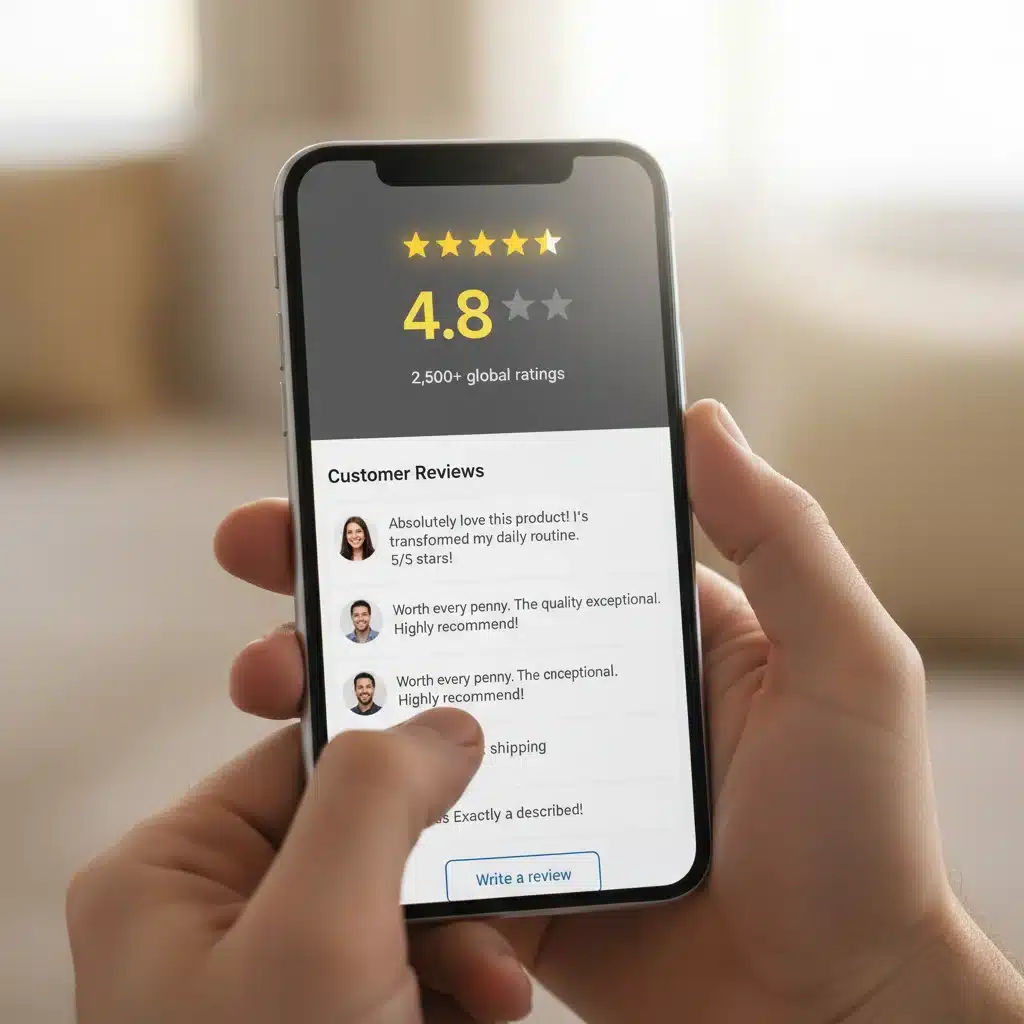
Perhaps the most common and accessible form of social proof, user testimonials and reviews are incredibly powerful because they come from real people who have experienced your offering. Potential customers often trust their peers more than they trust brands themselves. This form of social proof engagement directly addresses skepticism and builds genuine confidence.
- Examples: Customer reviews on your website, product pages, Google My Business, Yelp, or third-party review platforms; video testimonials; ratings and star averages.
- Application: Actively solicit reviews, display them prominently (with photos if possible), create dedicated testimonial pages, and integrate review widgets into your site.
4. Wisdom of the Crowds (Popularity)
This form of social proof leverages the idea that if a large number of people are doing something, it must be the right thing to do. It taps into our innate desire to follow the crowd and avoid being left out. High numbers signal popularity and widespread acceptance, making your offering seem more desirable.
- Examples: Displaying the number of subscribers, followers, downloads, shares, views, or purchases. “X people bought this recently” or “Y people are viewing this product now.”
- Application: Showcase subscriber counts on your blog, highlight popular products, use social share counters, and display real-time activity notifications on e-commerce sites.
5. Wisdom of Your Friends (Peer Influence)
People are highly influenced by their friends and social circle. When someone you know and trust endorses something, it carries immense weight. This is particularly potent on social media platforms where recommendations from friends are easily visible.
- Examples: Social media shares from friends, tagged photos on Instagram, direct recommendations within private groups.
- Application: Encourage social sharing, implement referral programs, and make it easy for users to tag friends or share content within their networks.
6. Certifications and Awards
Official recognition from reputable organizations or winning prestigious awards serves as a strong form of social proof. It signifies that your product or service has met certain standards of excellence, as judged by an impartial third party.
- Examples: Industry certifications, awards for best product/service, badges from security providers (e.g., SSL certificates).
- Application: Display award badges prominently on your website, in your email signatures, and on marketing materials.
Strategies to Implement Social Proof for a 20% Engagement Boost by 2026
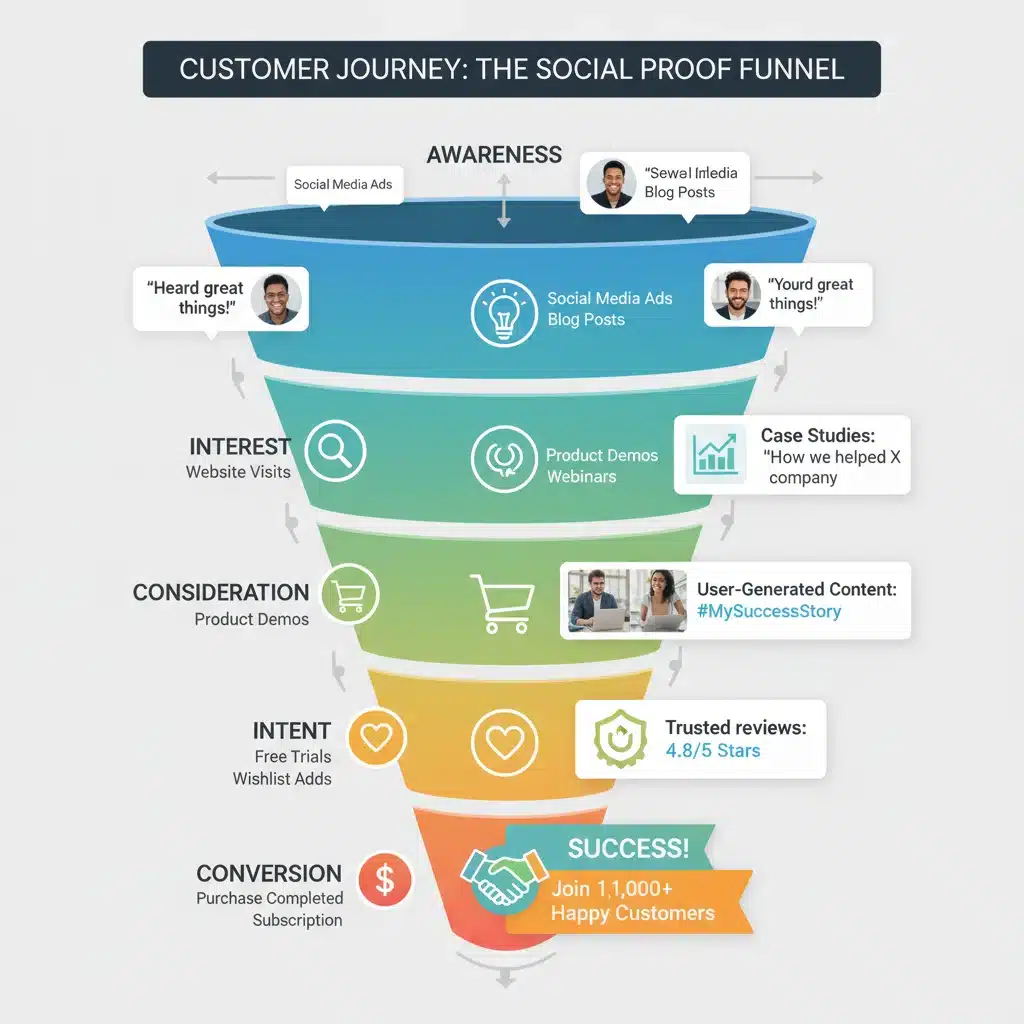
Now that we’ve covered the ‘what’ and ‘why’ of social proof, let’s dive into the ‘how.’ Implementing a robust social proof engagement strategy requires careful planning and consistent execution. Here are actionable strategies designed to help you achieve your 20% engagement increase by 2026:
1. Optimize Your Website for Testimonials and Reviews
Make it incredibly easy for customers to leave reviews and equally easy for potential customers to find them. Don’t hide your positive feedback; flaunt it!
- Dedicated Testimonial Page: Create a page solely for glowing reviews, ideally with customer photos and names (with permission).
- Product/Service Pages: Integrate star ratings and snippets of reviews directly on relevant product or service pages.
- Homepage Showcase: Feature a rotating carousel of your best testimonials on your homepage.
- Review Request Automation: Implement automated emails post-purchase or post-service to encourage customers to leave feedback on chosen platforms (e.g., Google, Yelp, Trustpilot).
- Video Testimonials: These are highly engaging. Offer incentives for customers to record short video testimonials.
2. Leverage User-Generated Content (UGC)
UGC is authentic, relatable, and incredibly powerful. It’s essentially social proof in its rawest form. When users create content around your brand, they’re doing your marketing for you.
- Contests and Campaigns: Run campaigns that encourage users to share photos or videos using your product with a specific hashtag.
- Showcase UGC: Curate and share the best UGC on your social media channels, website, and even in your ads. Always give credit to the original creator.
- Customer Spotlights: Regularly feature a ‘customer of the week/month’ on your blog or social media, highlighting their positive experience.
3. Display Social Media Metrics Prominently
Numbers speak volumes. When people see that you have a large, active following, it instantly lends credibility and encourages them to join the crowd.
- Follower Counts: Display your social media follower counts on your website, especially if they are impressive.
- Share Buttons with Counters: Use share buttons on your blog posts and content that display the number of shares. High numbers encourage more shares.
- Engagement Widgets: Integrate social media feeds or widgets that show recent posts and interactions.
4. Partner with Influencers and Experts
Strategic collaborations can introduce your brand to new, engaged audiences who already trust the influencer’s recommendations.
- Micro-Influencers: Often more affordable and with highly engaged, niche audiences. Their recommendations can feel more authentic.
- Guest Posts/Collaborations: Invite industry experts to write guest posts for your blog, or offer to write for theirs. Cross-promotion amplifies reach.
- Expert Testimonials: Secure endorsements from recognized authorities in your field and feature them prominently.
5. Utilize ‘Wisdom of the Crowd’ Tactics in Real-Time
Dynamic social proof can create a sense of urgency and popularity, mimicking the effect of a bustling physical store in the digital space.
- Live Sales Notifications: “X people bought this in the last hour.”
- Visitor Counters: “Y people are viewing this product right now.”
- Popularity Indicators: “Most popular product,” “Trending now.”
6. Highlight Media Mentions and Awards
Don’t be shy about your achievements. Third-party validation is incredibly persuasive.
- ‘As Seen On’ Section: Create a section on your website featuring logos of reputable media outlets that have mentioned your brand.
- Award Badges: Display any industry awards or certifications you’ve received prominently.
Measuring the Impact of Social Proof on Engagement
Implementing social proof without measuring its effects is like sailing without a compass. To achieve a targeted 20% increase in social proof engagement by 2026, you need to track key metrics and iterate on your strategies. Here’s how to measure your success:
Key Metrics to Track:
- Website Engagement:
- Time on Page: Does displaying testimonials or review widgets increase how long users stay on product/service pages?
- Bounce Rate: Does social proof reduce the bounce rate, indicating users are finding more relevant content?
- Pages Per Session: Are users exploring more pages after encountering social proof?
- Conversion Rates:
- Sales/Sign-ups: The most direct measure. A/B test pages with and without social proof elements to see the impact on conversions.
- Lead Generation: Are more people filling out forms or downloading resources when social proof is present?
- Social Media Engagement:
- Likes, Shares, Comments: Track these metrics on posts that feature social proof (e.g., sharing a customer testimonial).
- Reach and Impressions: Does content with social proof organically reach more people?
- Follower Growth: Is your follower count increasing more rapidly?
- Email Engagement:
- Open Rates & Click-Through Rates: Do emails featuring social proof (e.g., ‘our most popular products,’ ‘customer favorites’) perform better?
- Brand Sentiment & Trust:
- Mentions & Brand Searches: Are people talking about your brand more positively? Are direct searches for your brand increasing?
- Survey Data: Directly ask customers about their trust levels and how social proof influenced their decisions.
Tools for Measurement:
- Google Analytics: For website behavior metrics.
- A/B Testing Platforms: Tools like Optimizely or Google Optimize to test different social proof implementations.
- Social Media Analytics: Built-in insights from platforms like Facebook, Instagram, Twitter, LinkedIn.
- CRM Systems: To track customer interactions and referral sources.
- Review Management Tools: To monitor and analyze customer feedback across various platforms.
By consistently monitoring these metrics, you can identify which social proof tactics are most effective for your audience and refine your approach to continually optimize for higher engagement. This iterative process is key to hitting and exceeding your 20% engagement target by 2026.
Challenges and Considerations in Leveraging Social Proof
While the benefits of social proof engagement are clear, its implementation isn’t without challenges. Being mindful of these potential pitfalls will help you navigate them successfully:
1. Authenticity is Paramount
Fake reviews or testimonials can severely damage your credibility. In an age where consumers are increasingly savvy, inauthentic social proof is quickly identified and can lead to a loss of trust that is difficult to regain. Always strive for genuine feedback and user-generated content.
2. Negative Social Proof
The inverse of positive social proof, negative social proof (e.g., many negative reviews, low follower counts) can be detrimental. It’s crucial to have strategies in place for managing negative feedback and addressing customer concerns transparently. Sometimes, a well-handled negative review can even turn into a positive, showcasing your commitment to customer satisfaction.
3. Getting Started Without Existing Proof
If you’re a new business or launching a new product, generating initial social proof can be a ‘chicken and egg’ problem. Strategies include:
- Early Adopter Programs: Offer incentives for initial users to leave reviews.
- Personalized Outreach: Directly ask your first few satisfied customers for testimonials.
- Leverage Personal Networks: Ask friends, family, and early supporters for honest feedback.
- Expert Endorsements: Seek out smaller influencers or experts willing to try your product in exchange for an honest review.
4. Over-reliance and Overload
While powerful, social proof shouldn’t be the only arrow in your marketing quiver. Overwhelming users with too many social proof elements can also be counterproductive, leading to ‘analysis paralysis’ or appearing disingenuous. Use it strategically and sparingly where it will have the most impact.
5. Platform-Specific Nuances
The type of social proof that works best can vary significantly across different platforms. What resonates on Instagram (visual UGC, influencer tags) might be different from what performs well on LinkedIn (expert endorsements, case studies) or an e-commerce site (star ratings, detailed reviews). Tailor your approach to each platform.
6. Maintaining Momentum
Social proof isn’t a one-and-done task. It requires continuous effort to solicit new reviews, update testimonials, and keep your popularity metrics fresh. Stale social proof can lose its effectiveness over time.
The Future of Social Proof and Online Engagement
As technology advances, so too will the ways we leverage social proof engagement. We can anticipate several trends shaping its future:
- AI-Powered Personalization: AI will likely enhance the delivery of social proof, showing users testimonials and reviews that are most relevant to their specific demographics, interests, or past behaviors.
- Interactive & Immersive Social Proof: Think augmented reality (AR) experiences where users can virtually ‘try on’ products and see how others look using them, or virtual reality (VR) environments showcasing community interactions.
- Blockchain for Authenticity: To combat fake reviews, blockchain technology could be used to verify the authenticity of user-generated content and testimonials, increasing trust.
- Voice Search Integration: As voice assistants become more prevalent, social proof might be integrated into voice search results, with assistants recommending products or services based on collective user ratings.
- Ephemeral Social Proof: Short-lived, real-time social proof (like live streams of purchases or limited-time popularity indicators) will continue to drive urgency and engagement.
Staying ahead of these trends will be crucial for businesses aiming to maintain a competitive edge and continuously boost their online engagement in the years to come.
Conclusion: Harnessing Social Proof for Unprecedented Growth
The journey to boosting your online engagement by 20% by 2026 through the strategic application of social proof engagement is both achievable and transformative. By understanding the deep-seated psychological triggers that make social proof so compelling, and by implementing a diverse range of tactics, you can cultivate a thriving online presence built on trust, credibility, and genuine interaction.
From showcasing customer testimonials and leveraging user-generated content to partnering with influencers and highlighting expert endorsements, every piece of social proof contributes to a powerful narrative that encourages others to engage. Remember, authenticity is your most valuable asset, and consistent measurement and adaptation are the keys to long-term success. Embrace the collective power of your audience, and watch as your online engagement metrics soar, paving the way for sustained growth and a stronger connection with your community.
Start today by identifying the most impactful forms of social proof relevant to your brand, integrate them thoughtfully across your digital touchpoints, and commit to monitoring their performance. The future of online engagement is collaborative, and social proof is your most effective tool to thrive within it. Your 20% engagement boost isn’t just a goal; it’s a testament to the power of human connection in the digital age.