Drive-In Theaters 2026: The Nostalgic Comeback with Modern Tech
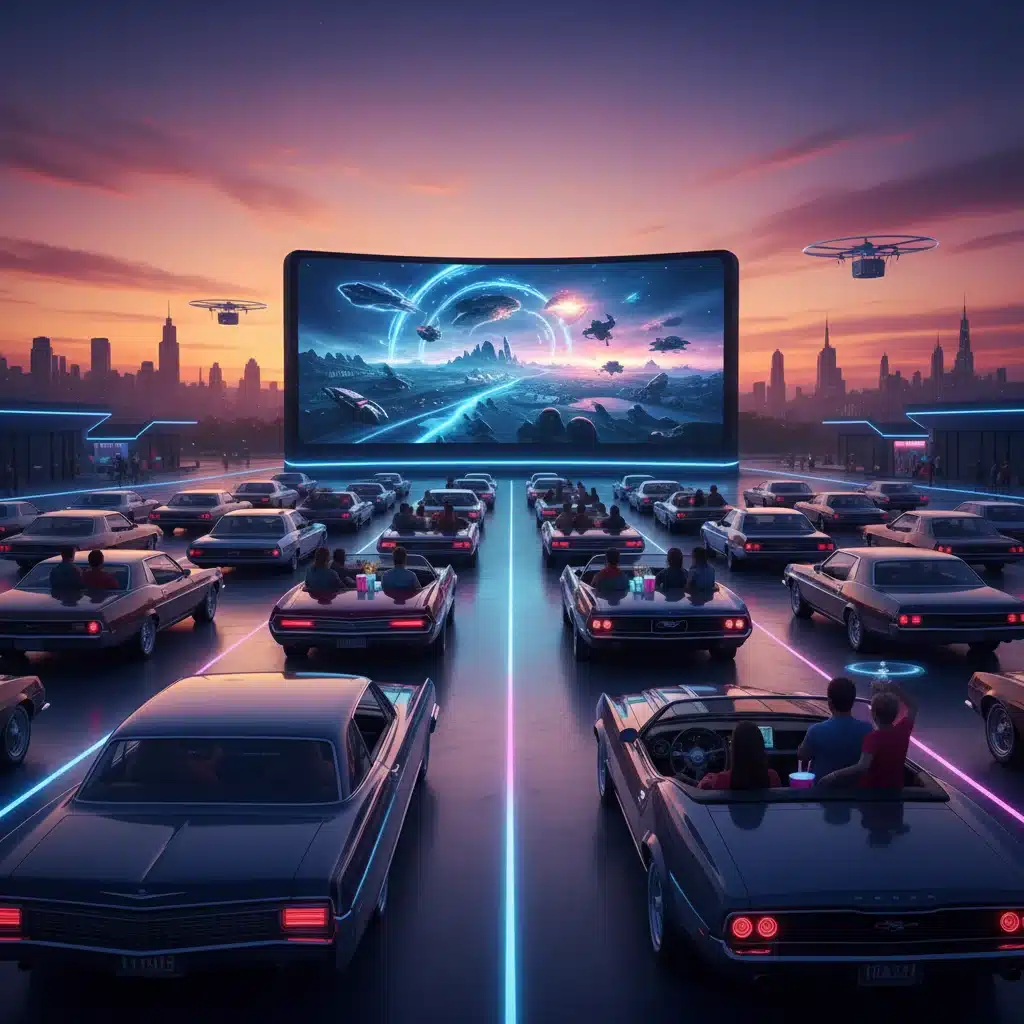
The Rebirth of Drive-In Theaters: A 2026 Nostalgia Trend with a Modern Twist
In an age dominated by streaming services and multiplex cinemas, the idea of a drive-in theater might seem like a quaint relic from a bygone era. Yet, as we navigate the landscape of 2026, a fascinating phenomenon is taking hold: the drive-in theaters rebirth. This isn’t merely a fleeting trend; it’s a strategic evolution, blending the nostalgic charm of classic outdoor cinema with cutting-edge technology and contemporary entertainment demands. The drive-in, once a symbol of post-war American leisure, is transforming into a sophisticated, community-centric entertainment hub, redefining how we experience movies and beyond.
The resurgence of drive-ins is driven by a confluence of factors, including a collective yearning for communal yet private experiences, the adaptability of outdoor venues in a world conscious of personal space, and significant advancements in digital projection and sound technology. This detailed exploration will delve into the multifaceted aspects of this revival, examining the technological innovations, the economic drivers, the cultural impact, and what the future holds for these iconic cinematic spaces. Prepare to rediscover the magic of the big screen under the open sky, reimagined for the 21st century.
The Enduring Allure of Drive-In Theaters: A Historical Perspective
To truly appreciate the current drive-in theaters rebirth, it’s essential to understand their historical significance. Originating in the 1930s, drive-ins hit their peak popularity in the 1950s and 60s, offering families and young couples an affordable and unique entertainment option. They provided a sense of freedom and privacy that traditional indoor theaters couldn’t match. Patrons could bring their own food, talk during the movie, and even wear pajamas – a stark contrast to the formal atmosphere of many indoor venues. The car became a private box seat, offering comfort and a personal bubble in a communal setting.
However, the rise of multiplexes, home video, and changing cultural habits led to a steep decline in drive-in numbers from the 1970s onwards. Many were sold for real estate development, becoming shopping centers or housing tracts. For decades, they existed as niche attractions, often struggling to compete with the modern cinematic experience. Yet, the memory of their golden age persisted, kept alive by enthusiasts and a lingering sense of nostalgia for simpler times.
This deep-rooted nostalgia is a powerful catalyst for the current revival. People aren’t just looking for a movie; they’re seeking an experience, a connection to a past era, and a unique way to create new memories. The drive-in offers a tangible link to a romanticized period, appealing to both those who remember its heyday and younger generations curious about this unique form of entertainment. The feeling of gathering under the stars, even with modern amenities, taps into a primal human desire for shared experiences in an open, natural environment. This historical context sets the stage for understanding why the drive-in theaters rebirth resonates so deeply in 2026.
Technological Innovations Fueling the 2026 Drive-In Boom
The most significant differentiator for the modern drive-in, spearheading the drive-in theaters rebirth, is its embrace of advanced technology. Gone are the days of fuzzy, dim projections and crackling speaker boxes. Today’s drive-ins are leveraging state-of-the-art equipment to deliver an unparalleled viewing experience.
Digital Projection and LED Screens
The shift from traditional film projectors to high-definition digital projection has been revolutionary. Modern projectors offer brighter, sharper images with superior color fidelity, even in challenging outdoor lighting conditions. Furthermore, many new or renovated drive-ins are installing massive LED screens. These screens, similar to those found in large sports arenas, provide incredible brightness and contrast, making daylight screenings viable and enhancing nighttime viewing dramatically. This allows for a more flexible programming schedule and a premium visual experience that rivals, and in some cases surpasses, indoor cinemas.
Immersive Audio Solutions
Sound quality has also seen a dramatic upgrade. While traditional FM radio transmission for audio remains an option, many drive-ins now offer high-fidelity digital audio streamed directly to car stereos via dedicated apps or Bluetooth transmitters. Some even integrate localized sound zones, allowing for a more personalized and immersive audio experience within each vehicle. This eliminates the static and interference often associated with older systems, ensuring crystal-clear sound that enhances the cinematic journey. The combination of pristine visuals and immersive audio elevates the entire experience, making the drive-in theaters rebirth a truly high-tech affair.
Smart Ticketing and Concessions
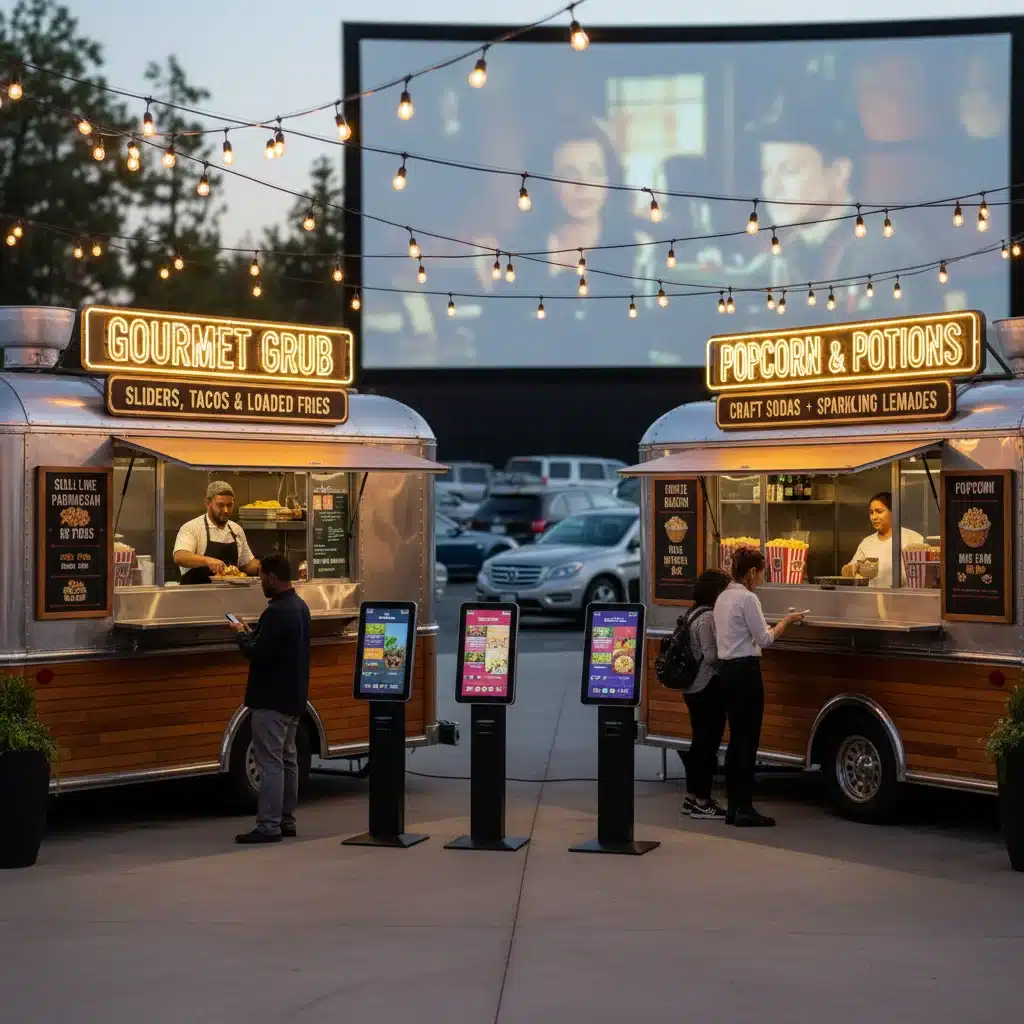
The operational aspects of drive-ins have also been streamlined through technology. Online ticketing systems, often integrated with mobile apps, allow patrons to purchase tickets, select parking spots, and even pre-order concessions before arriving. This reduces wait times and enhances convenience. At the venue, digital menus and QR code ordering systems mean food and beverages can be delivered directly to cars, minimizing physical interaction and maximizing comfort. Some advanced drive-ins are even experimenting with drone delivery for snacks, adding a futuristic flair to the classic experience.
Beyond Movies: The Expanded Entertainment Offerings of Modern Drive-Ins
The 2026 drive-in theaters rebirth isn’t just about showing movies; it’s about creating versatile entertainment venues. Modern drive-ins are diversifying their offerings to appeal to a broader audience and maximize utilization of their unique spaces.
Live Performances and Concerts
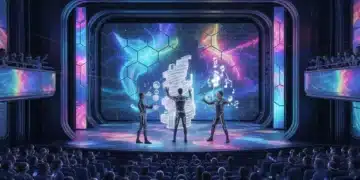
The spacious outdoor setting of a drive-in makes it ideal for live events. Music concerts, stand-up comedy shows, and even theatrical performances are becoming common additions to the drive-in calendar. Artists can perform on a stage in front of the massive screen, with their images projected for those further back, and audio transmitted directly to car radios. This provides a safe, socially distanced, and highly engaging way for audiences to enjoy live entertainment, a significant draw in the post-pandemic landscape.
Community Events and Gatherings
Drive-ins are also transforming into community hubs. They host farmers’ markets, craft fairs, fitness classes, and even religious services. The ability to gather in a semi-private, open-air environment offers a unique solution for community engagement. Schools use them for graduation ceremonies, and businesses for corporate events or product launches. This versatility ensures that drive-ins are not just seasonal attractions but year-round destinations, further cementing their role in the local economy and culture.
Gaming and Interactive Experiences
Imagine playing a massive multiplayer video game on a 60-foot screen from the comfort of your car. Modern drive-ins are exploring interactive entertainment, including large-scale video game tournaments, trivia nights, and even virtual reality experiences that integrate with the expansive screen. These innovative uses of the space attract younger demographics and position drive-ins as cutting-edge entertainment platforms, far removed from their humble beginnings. This expanded programming is crucial for the sustained success of the drive-in theaters rebirth.
Economic and Social Impact of the Drive-In Revival
The drive-in theaters rebirth has notable economic and social implications, contributing to local economies and fostering unique community bonds.
Job Creation and Local Economy Boost
The establishment and operation of modern drive-ins create jobs, from projectionists and concession staff to event planners and maintenance crews. Furthermore, many drive-ins partner with local food trucks, breweries, and artisanal vendors, providing a platform for small businesses to reach a wider audience. This localized economic activity contributes to the vitality of surrounding communities, generating tax revenue and fostering a sense of shared prosperity. The investment in advanced infrastructure also signifies long-term commitment, attracting further development and tourism to the area.
Sustainable Practices and Green Initiatives
Many new drive-in developments are incorporating sustainable practices. This includes using solar panels to power operations, implementing efficient waste management systems, and designing layouts that minimize light pollution. The open-air nature of drive-ins also reduces the energy consumption associated with heating and cooling large indoor spaces. Some venues are even exploring electric vehicle charging stations, catering to environmentally conscious patrons and further aligning with future-oriented trends. These green initiatives enhance the appeal of the drive-in theaters rebirth to a modern, eco-aware consumer base.
Fostering Community and Social Connection
In an increasingly digital and sometimes isolated world, drive-ins offer a unique blend of privacy and community. While patrons enjoy the comfort of their own vehicles, they are simultaneously part of a larger collective experience. This shared enjoyment of a movie or live event under the stars fosters a sense of camaraderie and connection. It’s a place where families can bond, friends can gather, and even first dates can create memorable moments. The drive-in becomes a social anchor, a place where people can escape the everyday and reconnect with each other in a relaxed, informal setting. This social aspect is a powerful, perhaps understated, driver of the drive-in theaters rebirth.
Challenges and the Path Forward for Drive-In Theaters
Despite the promising outlook, the drive-in theaters rebirth faces its share of challenges. Land availability and cost, especially in urban areas, can be a significant hurdle. Weather dependency remains a factor, though modern technology is helping to mitigate some of these issues. Competition from other entertainment options is also constant. However, innovative solutions are emerging to address these concerns.
Modular and Pop-Up Drive-Ins
To overcome land constraints, some operators are exploring modular or pop-up drive-in concepts. These involve portable screens, projection equipment, and temporary infrastructure that can be set up in various locations, such as vacant lots, fairgrounds, or large parking areas. This flexibility allows drive-ins to operate in diverse environments and adapt to changing demand, reducing the need for permanent, expensive real estate. This agile approach is key to expanding the reach of the drive-in theaters rebirth.
Year-Round Programming and Weather Adaptations
To combat weather dependency, drive-ins are investing in enhanced drainage systems, covered parking solutions, and even heated viewing areas for colder climates. Programming diversity also plays a role; offering non-movie events like light shows, holiday displays, or immersive art installations can attract visitors even when traditional movie viewing might be less appealing. Some innovative designs even include partially enclosed or convertible spaces that can be adapted to different weather conditions, ensuring continuous operation throughout the year.
Integration with Smart City Concepts
Looking further into the future, drive-ins could integrate with smart city initiatives. Imagine drive-ins powered by renewable energy grids, offering autonomous vehicle parking, or even incorporating augmented reality elements projected onto the screens that interact with in-car displays. These futuristic integrations could position drive-ins not just as nostalgic throwbacks but as pioneers of urban entertainment, seamlessly blending into the fabric of smart, sustainable cities. The potential for innovation is vast, ensuring that the drive-in theaters rebirth continues to evolve.
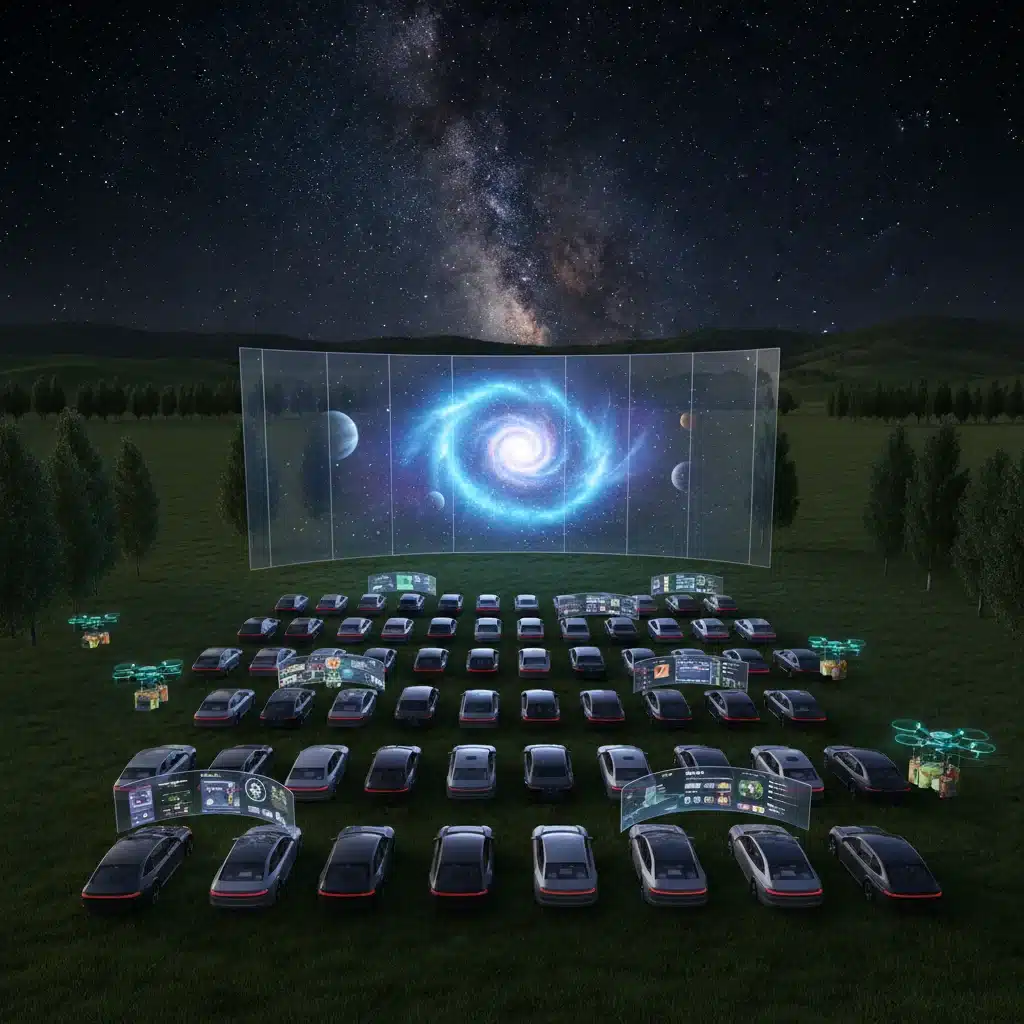
The Future is Bright: Why Drive-Ins are Here to Stay
The drive-in theaters rebirth is more than just a passing fad; it represents a fundamental shift in how we seek out and consume entertainment. It’s a testament to the enduring human desire for shared experiences, albeit with a modern twist that prioritizes comfort, convenience, and technological sophistication. As we move further into the 2020s, drive-ins are poised to become an increasingly integral part of the entertainment landscape, offering a unique blend of nostalgia and innovation that appeals to a broad demographic.
The ability of drive-ins to adapt and diversify their offerings, from cinematic blockbusters to live concerts and community events, ensures their relevance in a competitive market. Their inherent flexibility as outdoor venues makes them resilient to changing social dynamics and offers a unique value proposition that indoor theaters cannot easily replicate. Furthermore, the commitment to technological advancement, from stunning LED screens to immersive audio and smart operational systems, guarantees a premium experience that will continue to attract patrons.
Ultimately, the drive-in theater of 2026 is a dynamic, multi-purpose entertainment destination that honors its rich past while boldly embracing the future. It’s a place where memories are made, communities connect, and the magic of the big screen under the open sky continues to captivate audiences. The drive-in theaters rebirth is not just about bringing back an old idea; it’s about reinventing it for a new generation, proving that some classics never truly fade away – they simply evolve.