Workplace Mental Health Initiatives 2026: Success & Future Outlook

Workplace Mental Health in 2026: Analyzing Employer Initiatives and Their 20% Success Rate
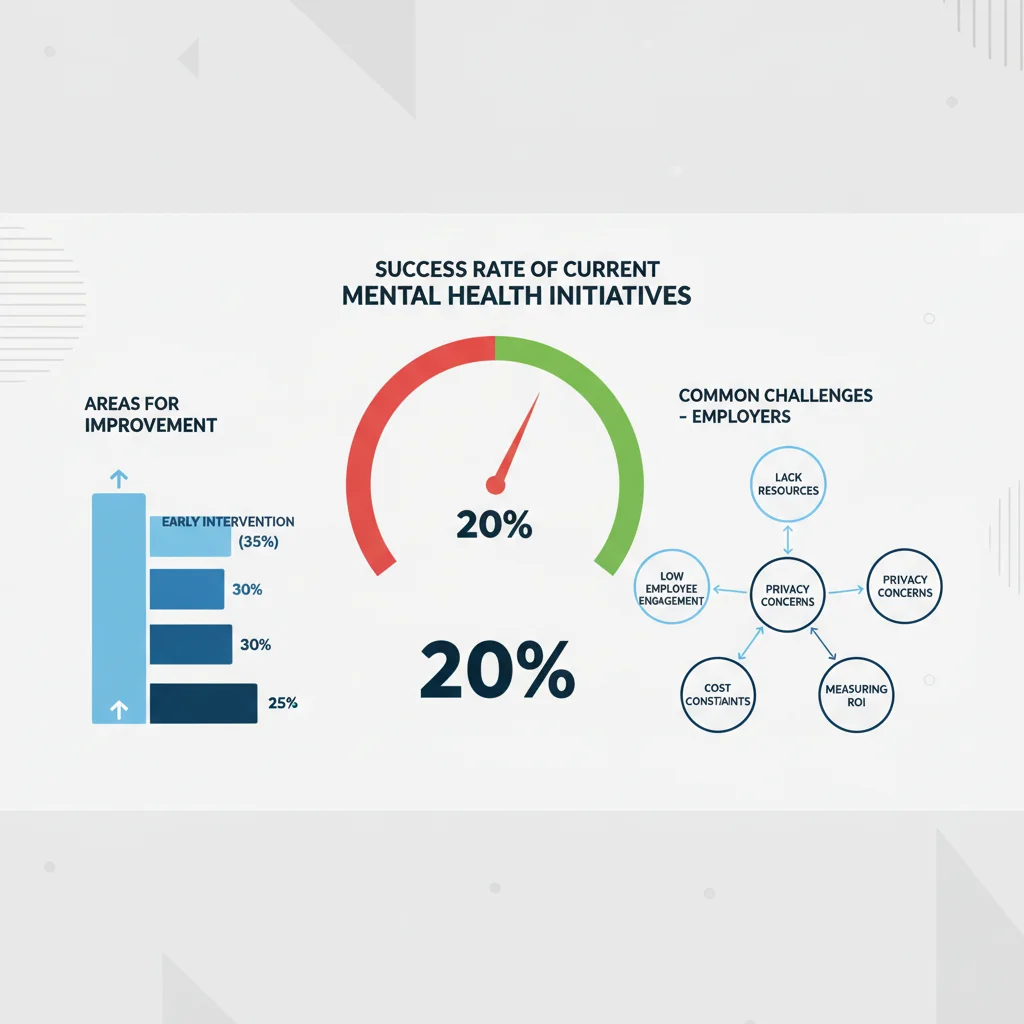
The conversation around workplace mental health has evolved dramatically over the past decade, shifting from a taboo subject to a critical component of organizational strategy. As we navigate 2026, the focus has intensified, with employers worldwide investing significantly in initiatives aimed at supporting the psychological well-being of their workforce. However, a closer look at these efforts reveals a complex picture: while intentions are good and investments are substantial, a recent analysis indicates that only about 20% of these employer-led mental health initiatives are achieving their desired outcomes. This article delves into the current state of workplace mental health, examining the types of initiatives being implemented, the reasons behind their varying success rates, and what the future holds for fostering genuinely supportive work environments.
The Evolving Landscape of Workplace Mental Health Initiatives
In 2026, the array of workplace mental health initiatives is broader and more sophisticated than ever before. Companies are moving beyond basic Employee Assistance Programs (EAPs) to embrace a more holistic and integrated approach. These initiatives often fall into several key categories:
- Proactive Wellness Programs: These include mindfulness training, stress management workshops, resilience building courses, and access to mental health apps. The goal is to equip employees with tools to manage stress and prevent burnout before it escalates.
- Access to Professional Support: Beyond traditional EAPs, many organizations now offer direct access to therapists, counselors, and psychiatrists, often through virtual platforms, reducing barriers such as stigma, cost, and geographical limitations.
- Manager Training: Recognizing the pivotal role of leadership, many companies are implementing training programs for managers to identify signs of mental distress, engage in supportive conversations, and direct employees to appropriate resources.
- Flexible Work Arrangements: Acknowledging the impact of work-life balance on mental well-being, flexible hours, remote work options, and compressed workweeks are becoming standard offerings in many progressive organizations.
- Culture of Openness and Support: This is perhaps the most challenging yet crucial initiative, involving efforts to destigmatize mental health discussions, encourage open communication, and foster an environment where employees feel safe to seek help without fear of repercussions.
The sheer volume and variety of these initiatives underscore a genuine commitment from many employers to address workplace mental health. However, the reported 20% success rate suggests a significant disconnect between intent and impact.
Understanding the 20% Success Rate: Why Are Most Initiatives Falling Short?
The statistic that only 20% of workplace mental health initiatives are truly successful is a sobering one, prompting a deeper examination of the underlying causes. Several factors contribute to this low success rate:
Lack of Tailored Solutions
One of the primary reasons for limited success is the ‘one-size-fits-all’ approach. Organizations often adopt generic programs without adequately assessing the specific mental health needs and challenges of their unique workforce. A tech startup’s needs might differ vastly from those of a manufacturing plant or a healthcare provider. Without a thorough needs assessment and customization, initiatives may fail to resonate with employees or address their most pressing concerns.
Insufficient Leadership Buy-in and Communication
For any initiative to thrive, strong leadership buy-in is essential. If senior leaders do not visibly champion mental health, participate in programs, or integrate it into the company’s core values, employees are less likely to perceive these initiatives as genuine or sustainable. Furthermore, poor communication about available resources can lead to underutilization, making even the best programs ineffective. Employees need to know what’s available, how to access it, and feel encouraged to do so.
Stigma and Trust Issues
Despite increased awareness, the stigma surrounding mental health in the workplace persists. Employees may fear that disclosing mental health struggles could negatively impact their career progression, job security, or professional reputation. If there’s a lack of trust in management or HR regarding confidentiality, employees will hesitate to engage with mental health services, regardless of their availability. Building trust requires consistent effort, transparent policies, and a demonstrated commitment to employee well-being over time.
Lack of Integration with Work Culture
Workplace mental health initiatives often operate in silos, separate from the everyday work culture. If the underlying stressors—such as excessive workloads, poor management practices, lack of autonomy, or toxic work environments—are not addressed, no amount of wellness programs will be truly effective. Mental health support must be integrated into the fabric of the organization, influencing policies, management styles, and overall operational practices.
Measurement and Evaluation Deficiencies
Many organizations launch initiatives without clear metrics for success or robust evaluation frameworks. Without systematically tracking engagement rates, employee feedback, changes in absenteeism/presenteeism, or other relevant indicators, it’s impossible to determine what’s working and what isn’t. This lack of data-driven decision-making prevents continuous improvement and adaptation.
Case Studies: What Distinguishes the Successful 20%?
To understand what makes the 20% of successful initiatives stand out, it’s helpful to look at organizations that are getting it right. These companies typically share several common characteristics:
Holistic and Integrated Strategies
Successful programs don’t just offer isolated services; they integrate mental health support into the entire employee experience. This means considering mental well-being in recruitment, onboarding, performance reviews, and promotions. For example, a global tech company implemented a ‘Mental Fitness’ program that combined online resources, peer support groups, and subsidized therapy, all championed by senior leadership and integrated into their performance management system.
Strong Leadership Advocacy and Role Modeling
In organizations with high success rates, leaders are not just supportive verbally; they actively participate and share their own experiences (where appropriate). When a CEO openly discusses the importance of taking mental health days or utilizing EAP services, it sends a powerful message that normalizes these behaviors for the entire workforce. A financial institution, for instance, saw a significant increase in EAP utilization after its executive team shared personal stories about managing stress and seeking support.
Data-Driven and Adaptive Approaches
The most effective initiatives are continually measured, evaluated, and refined based on feedback and outcomes. These organizations use anonymous surveys, focus groups, and utilization data to understand employee needs and program effectiveness. They are not afraid to pivot or discontinue programs that aren’t working and invest more in those that show promise. A large retail chain, for example, redesigned its manager training program after realizing that initial feedback indicated a lack of practical tools for supporting employees.
Focus on Prevention and Root Cause Elimination
While reactive support is crucial, the truly successful 20% also prioritize proactive measures and address systemic issues that contribute to poor mental health. This includes optimizing workloads, fostering psychological safety, promoting work-life balance through policy, and training managers in empathetic leadership. An engineering firm, known for its demanding projects, implemented a ‘well-being audit’ process for project managers to identify potential stressors and adjust project scopes before they impacted employee mental health.
The Future of Workplace Mental Health: Towards a Higher Success Rate
Looking ahead to the next few years, several trends and strategies are emerging that could significantly improve the success rate of workplace mental health initiatives beyond the current 20%.
Hyper-Personalization and AI-Powered Solutions
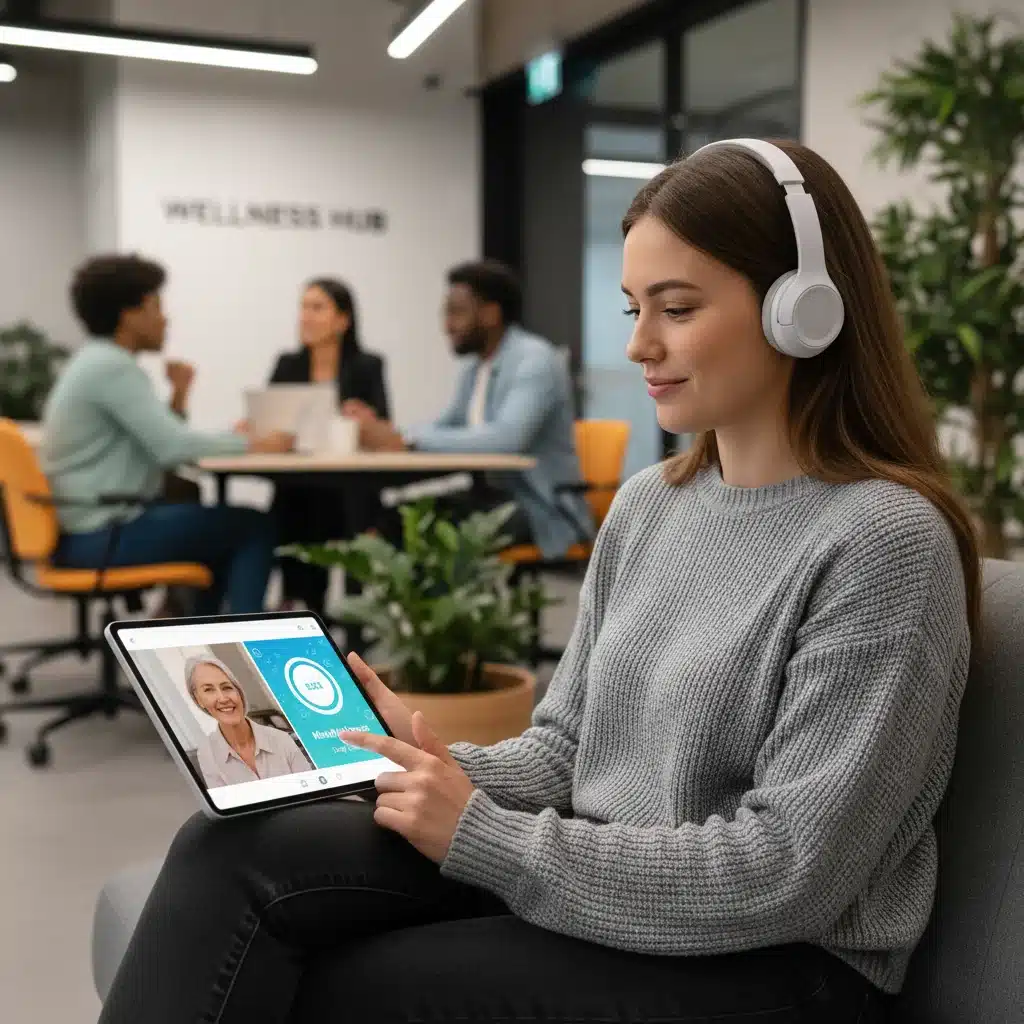
The future will likely see a greater emphasis on personalized mental health support. AI and machine learning can analyze individual employee data (with consent and strict privacy protocols) to recommend tailored resources, therapists, or wellness activities. This moves beyond generic offerings to provide highly relevant and effective interventions for each employee.
Embedding Mental Health into Organizational Design
Rather than add-on programs, mental health will become an intrinsic part of organizational design. This means designing roles, teams, and processes with well-being in mind. Concepts like ‘psychologically safe’ team structures, ‘restorative breaks’ built into workflows, and ‘compassionate leadership’ will be foundational, not optional extras.
Predictive Analytics for Early Intervention
Advanced analytics could help organizations identify patterns and predictors of mental distress, allowing for early, proactive intervention. While this raises privacy concerns, ethical implementation with clear consent could enable HR and management to offer support before issues escalate, such as identifying employees at high risk of burnout based on workload patterns and offering preventative measures.
Greater Emphasis on Managerial and Peer Support Skills
The role of managers will evolve to include a greater emphasis on their capacity as front-line mental health supporters. Training will go beyond basic awareness to include advanced communication skills, conflict resolution, and the ability to foster psychologically safe team environments. Peer support networks, formally recognized and supported by the organization, will also become more prevalent.
Accountability and Transparency
Organizations will be increasingly held accountable for the mental well-being of their employees. This could involve public reporting on mental health outcomes, similar to diversity and inclusion metrics. Transparency about the effectiveness of initiatives and a commitment to continuous improvement will build trust and drive better results.
Challenges and Considerations for the Future
While the outlook for workplace mental health is promising, several challenges remain. Data privacy and ethical considerations around AI and predictive analytics will need careful navigation. Ensuring equitable access to resources across diverse employee populations, especially those in remote or frontline roles, will also be critical. Furthermore, the global nature of many businesses means initiatives must be culturally sensitive and adaptable to different regulatory environments.
The economic climate will also play a role. While mental health investments are increasingly seen as essential, economic downturns could pressure budgets. However, smart organizations will recognize that neglecting mental health leads to higher costs in absenteeism, presenteeism, and turnover, making sustained investment a strategic imperative.
Conclusion
The journey towards truly effective workplace mental health support is ongoing. While the 20% success rate in 2026 highlights significant room for improvement, it also points to a growing understanding of what works and what doesn’t. The future demands a more personalized, integrated, and data-driven approach, championed by empathetic leadership and woven into the very fabric of organizational culture. By learning from the successful few and embracing emerging trends, companies can move beyond mere compliance to create environments where employees not only survive but truly thrive, fostering a healthier, more productive, and more resilient global workforce.
Investing in workplace mental health is not just a moral imperative; it’s a strategic business decision that yields significant returns in employee engagement, productivity, and overall organizational success. As we progress further into the 21st century, the well-being of employees will undoubtedly remain at the forefront of progressive business practices, pushing that 20% success rate ever higher.