Rebuilding Local Connections: Key Community Trends 2026
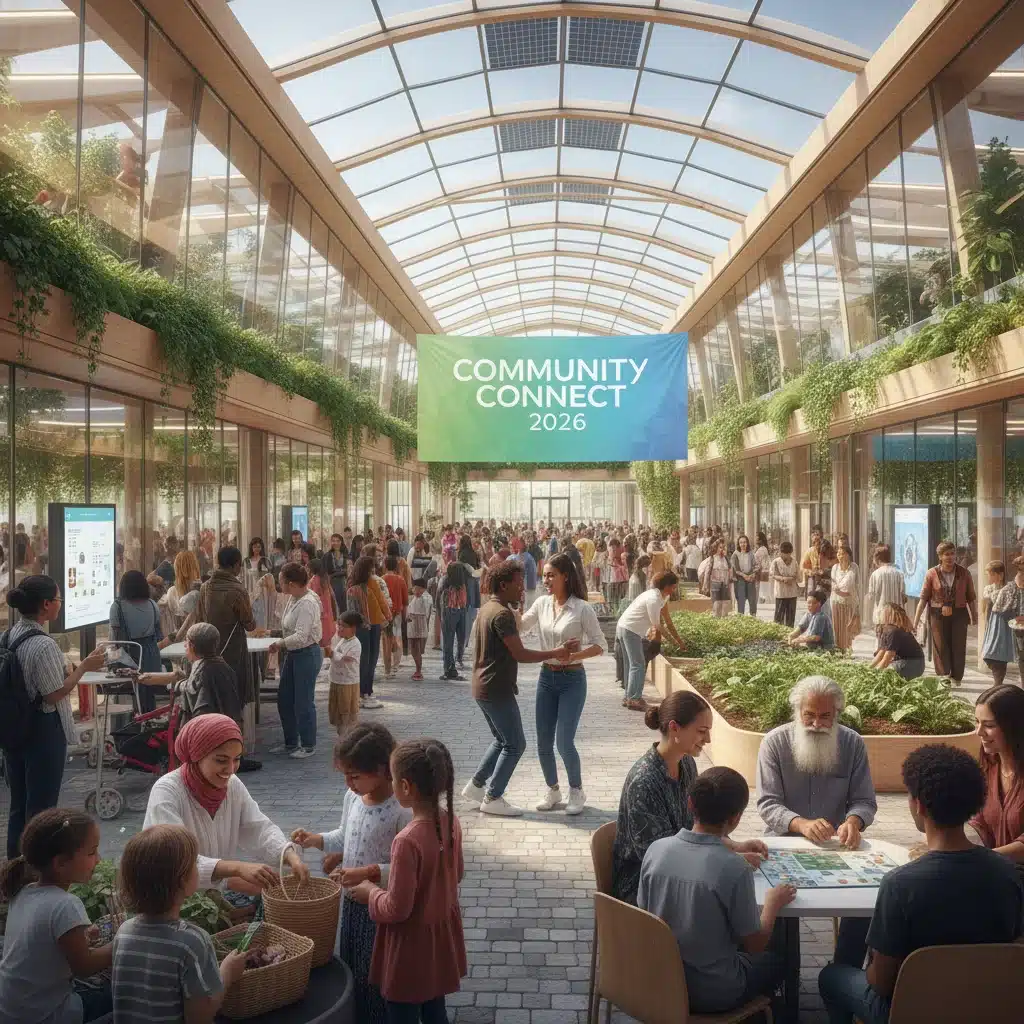
In an increasingly interconnected yet paradoxically isolated world, the yearning for genuine local connections has never been stronger. As we cast our gaze towards 2026, two pivotal trends are emerging as the primary architects of a renewed sense of community: **digital integration with real-world impact** and the resurgence of **hyper-local initiatives**. These forces are not just shaping how we interact but are fundamentally rebuilding the fabric of our social lives. Understanding these community connection trends is crucial for individuals, businesses, and policymakers alike who aim to foster resilient and thriving local environments.
The COVID-19 pandemic, while isolating, paradoxically highlighted the indispensable value of local networks. When global supply chains faltered and distant social circles became inaccessible, it was our immediate neighbors and local services that provided solace and support. This collective experience served as a powerful catalyst, accelerating pre-existing shifts towards localized living and community-centric models. Now, as we move beyond the immediate crisis, the lessons learned are being integrated into how we design our social infrastructure, both online and offline. The emphasis is firmly on creating accessible, inclusive, and deeply meaningful local interactions.
This article will delve deep into these two transformative community connection trends, exploring their nuances, challenges, and immense potential. We will examine how technology, often blamed for social fragmentation, is now being harnessed to bridge gaps and amplify local voices. Concurrently, we will investigate the groundswell of support for hyper-local endeavors, from community gardens to local business networks, and how these initiatives are cultivating a sense of belonging and shared purpose. By 2026, the landscape of community engagement will look significantly different, marked by a deliberate and innovative fusion of digital convenience and authentic, grassroots participation. Join us as we uncover the recent updates and insider knowledge shaping this exciting return to community.
Trend 1: Digital Integration for Enhanced Local Engagement
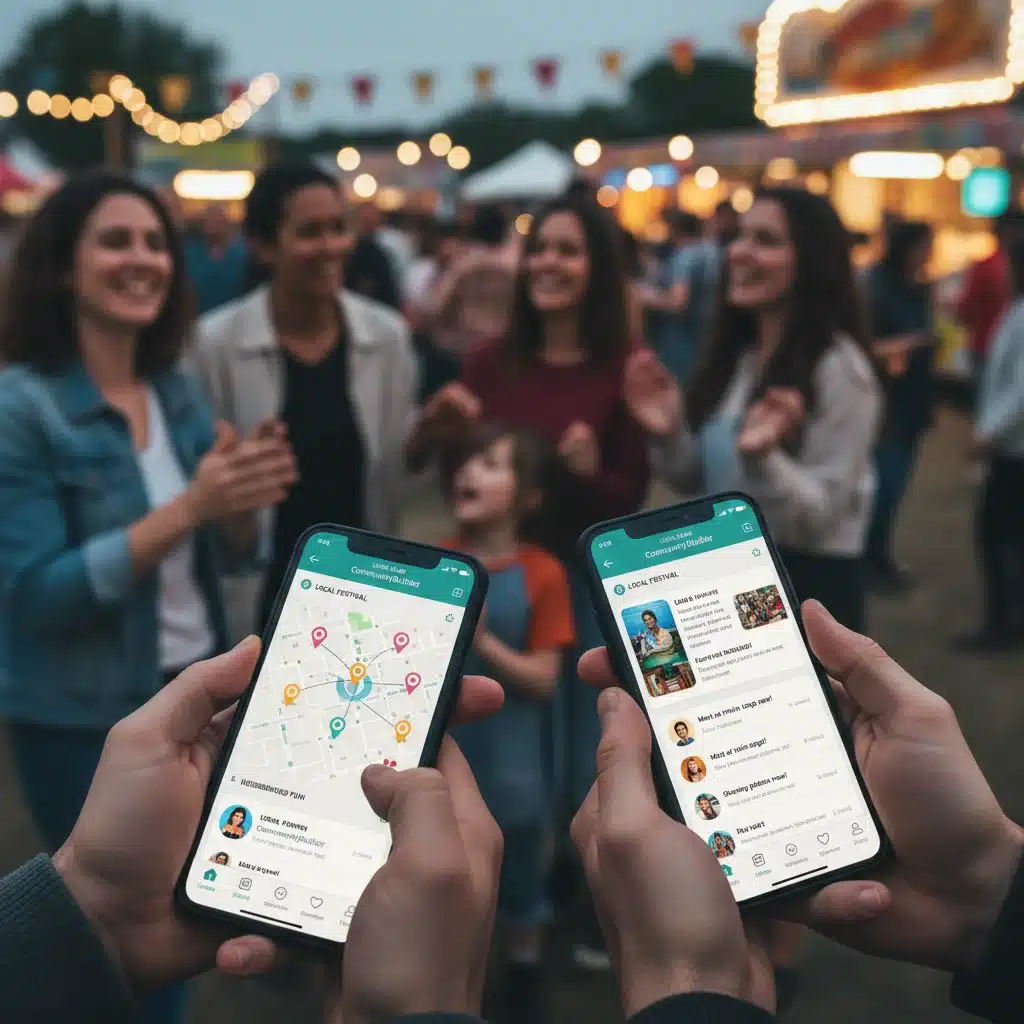
The first major trend driving the revitalization of local communities by 2026 is the sophisticated integration of digital platforms to enhance, rather than replace, real-world interactions. For years, social media was criticized for fostering superficial connections and contributing to a sense of isolation despite its global reach. However, a significant paradigm shift is underway. Developers and community organizers are increasingly leveraging digital tools to serve truly local needs, facilitating communication, coordination, and collective action within specific geographic areas. This isn’t about simply posting online; it’s about using digital infrastructure to catalyze tangible, local community connection trends.
The Rise of Hyper-Local Digital Platforms
We are witnessing an explosion of hyper-local digital platforms designed to connect neighbors. These are not the sprawling, anonymous networks of the past. Instead, they are tailored applications and websites focusing on specific neighborhoods, towns, or even apartment complexes. Think of apps that allow residents to share local news, organize block parties, offer or request help from neighbors (e.g., borrowing a tool, pet-sitting), or report local issues directly to authorities. These platforms are often moderated by community members, ensuring relevance and fostering a sense of ownership. The success of these platforms lies in their ability to provide immediate, actionable value to residents, thereby strengthening local bonds.
For instance, platforms like Nextdoor have matured, moving beyond mere information sharing to facilitate genuine local exchanges. Newer, more niche applications are emerging, focusing on specific interests such as local gardening groups, parent networks, or skill-sharing initiatives within a defined geographical area. These digital spaces act as a digital town square, making it easier for individuals to find like-minded people nearby and participate in local life. This digital scaffolding is essential for supporting the broader community connection trends we are observing.
Digital Tools for Community Organizing and Resource Sharing
Beyond simple social networking, digital integration is transforming how communities organize and share resources. Online calendars for local events, volunteer management systems, and crowdfunding platforms for local projects are becoming standard. Imagine a neighborhood where residents can easily see all upcoming park clean-ups, sign up to volunteer with a few clicks, and even contribute financially to a new community garden, all through a single, intuitive digital portal. This level of coordination was once difficult and time-consuming, often relying on bulletin boards and word-of-mouth. Now, digital tools streamline these processes, making participation more accessible and efficient.
Moreover, the concept of a ‘sharing economy’ is being re-localized through digital means. Apps that facilitate the lending or borrowing of household items, tools, or even vehicles among neighbors are gaining traction. This not only promotes sustainability but also fosters a sense of mutual reliance and trust, which are cornerstones of strong communities. These digital enablers are critical components of the evolving community connection trends.
Leveraging Data for Community Needs
Another fascinating aspect of digital integration is the potential to leverage data (anonymized and ethically collected) to understand community needs better. Local governments and non-profits can use insights from digital platforms to identify underserved areas, pinpoint common concerns, and allocate resources more effectively. For example, if discussions on a local forum frequently highlight a lack of safe play areas, this data can inform urban planning decisions. This data-driven approach ensures that community development efforts are responsive and genuinely reflect the desires of the residents, further reinforcing positive community connection trends.
However, the ethical implications of data collection and privacy must be carefully managed. Transparency and user control over data are paramount to maintaining trust within these digital community ecosystems. The challenge lies in harnessing the power of data for good while safeguarding individual privacy and preventing misuse.
Trend 2: The Resurgence of Hyper-Local Initiatives
Complementing digital integration, the second powerful trend rebuilding local connections by 2026 is the profound resurgence of hyper-local initiatives. This trend represents a conscious pivot away from globalized, standardized experiences towards celebrating and investing in what makes each local area unique. It’s about empowering residents to take direct ownership of their surroundings and cultivate a distinct local identity. This grassroots movement is fundamental to strengthening community connection trends.
Community-Led Spaces and Projects
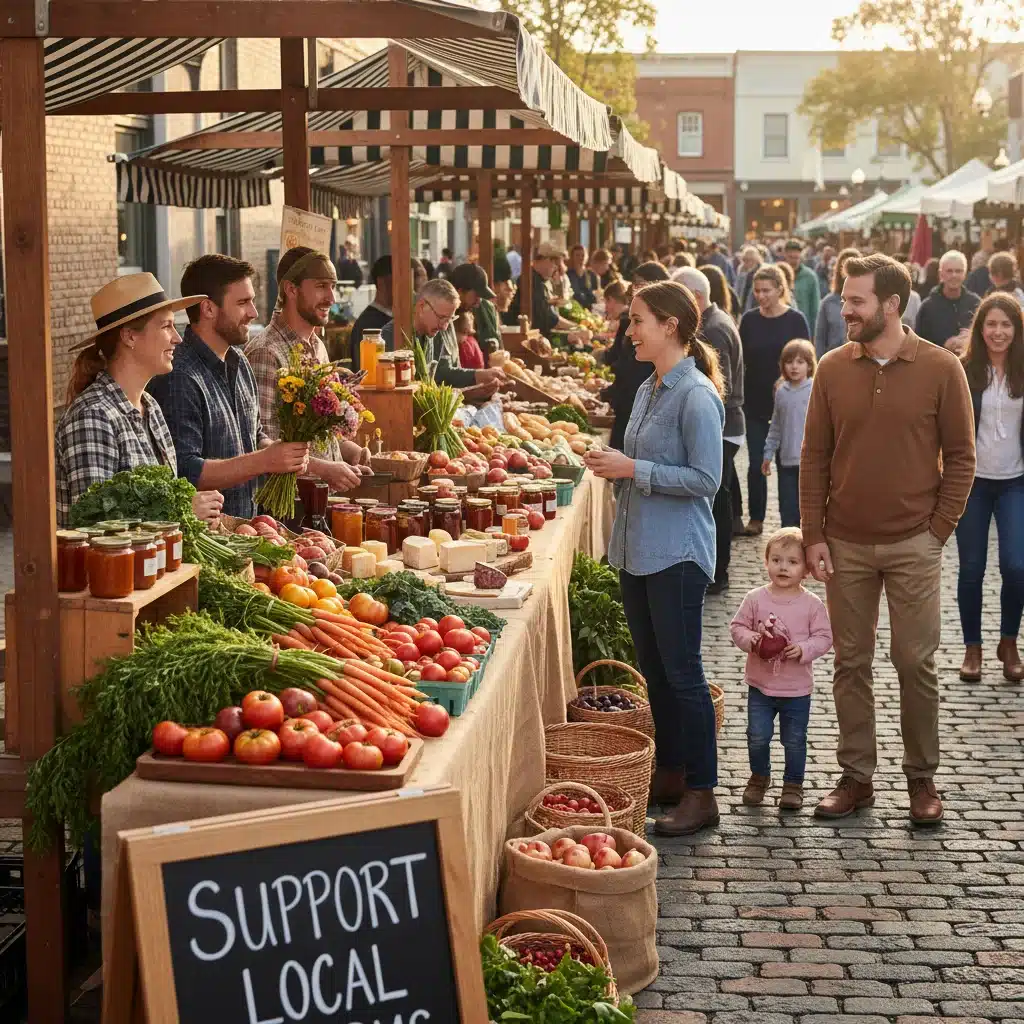
The drive for hyper-localism manifests in the creation and revitalization of community-led physical spaces and projects. These include everything from urban community gardens transforming neglected lots into vibrant green spaces, to neighborhood tool libraries, co-working spaces, and pop-up markets that showcase local artisans and producers. The key characteristic is that these initiatives are often conceived, funded, and managed by local residents, fostering a deep sense of collective achievement and shared responsibility.
These spaces become natural hubs for interaction, where people meet face-to-face, exchange ideas, and collaborate on shared goals. A community garden, for example, isn’t just about growing food; it’s about sharing knowledge, celebrating harvests, and building relationships over shared labor. These tangible projects provide concrete reasons for neighbors to interact, transcending casual greetings to forge deeper bonds. This is a powerful driver of positive community connection trends.
Supporting Local Businesses and Economies
A cornerstone of hyper-local initiatives is the conscious effort to support and strengthen local economies. The ‘buy local’ movement has evolved from a niche preference to a mainstream value. Consumers are increasingly aware of the environmental benefits of reduced transportation, the economic impact of keeping money within the community, and the unique character that local businesses bring. This shift is fueling the growth of independent shops, restaurants, and service providers that reflect the distinct flavor of a neighborhood.
Local business directories, often supported by the aforementioned digital platforms, make it easier for residents to discover and patronize local establishments. Community currencies, loyalty programs specific to local businesses, and ‘shop local’ campaigns are all part of this broader trend. By consciously choosing local, residents are not just making a purchase; they are investing in the vibrancy and resilience of their own community, directly influencing positive community connection trends.
Local Governance and Participatory Planning
The hyper-local trend also extends to governance and urban planning. There’s a growing demand for more participatory approaches, where residents have a direct say in decisions that affect their immediate environment. This can involve neighborhood councils with real decision-making power, citizen assemblies focused on local issues, or participatory budgeting initiatives where residents vote on how a portion of local funds should be spent. This empowers citizens, fostering a sense of ownership and accountability for their local area.
When residents feel heard and actively involved in shaping their surroundings, their connection to that place deepens. This democratic engagement at the local level rebuilds trust in institutions and strengthens the social contract within a community. It moves beyond passive residency to active citizenship, a vital ingredient in robust community connection trends.
Celebrating Local Culture and Heritage
Finally, hyper-local initiatives are often deeply intertwined with the celebration of local culture, history, and unique identity. This can involve local festivals, historical preservation projects, public art initiatives that reflect local narratives, or community storytelling events. These activities foster a shared sense of pride and belonging, helping to define what makes a particular place special.
By highlighting and preserving local heritage, communities create a collective memory and a shared narrative that binds residents together. This cultural anchoring provides a strong foundation for social cohesion and reinforces the unique character of each locality. These efforts are invaluable in cultivating deep and lasting community connection trends.
The Symbiotic Relationship: Digital Meets Hyper-Local
It’s crucial to understand that these two community connection trends are not isolated phenomena; rather, they are deeply symbiotic. Digital integration provides the infrastructure and efficiency that allows hyper-local initiatives to flourish and scale. Conversely, the authentic, tangible connections forged through hyper-local projects provide the meaningful content and purpose that make digital platforms truly valuable.
For example, a local community garden (hyper-local initiative) can use a dedicated neighborhood app (digital integration) to organize planting schedules, share surplus produce, or recruit new volunteers. A local business alliance might use a digital platform to promote joint events, offer digital loyalty cards, and collect feedback from customers. The digital sphere amplifies the reach and impact of physical, local efforts, making it easier for people to discover, participate in, and sustain community-building activities.
This synergy is what makes the outlook for community connection trends by 2026 so promising. We’re moving beyond the simple dichotomy of online vs. offline. Instead, we’re building integrated ecosystems where technology serves as a powerful enabler for real-world connection, and real-world connection provides the rich context and human element that prevents digital interactions from feeling hollow.
Challenges and Opportunities
While the potential is immense, there are challenges to navigate. Digital divides, where certain segments of the population lack access to technology or digital literacy, must be addressed to ensure inclusive community building. Moreover, maintaining the authenticity of hyper-local initiatives in the face of commercialization or external pressures requires vigilance. The balance between growth and preserving local character is a delicate one.
However, these challenges also present opportunities for innovation. Programs that provide digital literacy training, community-owned broadband initiatives, and policies that protect local businesses and cultural spaces will be essential. The conscious design of these hybrid community models will determine their long-term success in fostering robust community connection trends.
Looking Ahead to 2026: A Blueprint for Stronger Communities
By 2026, the landscape of community will be characterized by a deliberate and harmonious blend of digital and physical engagement. We will see:
- More Intelligent Digital Infrastructure: Hyper-local apps and platforms will be more intuitive, secure, and integrated, offering personalized community experiences.
- Thriving Local Economies: A renewed emphasis on supporting local businesses will create more vibrant and unique high streets and commercial districts.
- Empowered Citizenry: Residents will have greater agency in shaping their local environments through participatory planning and community-led projects.
- Enhanced Social Capital: Increased opportunities for meaningful interaction, both online and offline, will lead to higher levels of trust, reciprocity, and collective action within neighborhoods.
- Resilient Local Networks: Communities will be better equipped to respond to challenges, whether economic downturns, environmental crises, or social disruptions, thanks to strong internal bonds.
The journey towards rebuilding local connections is not without its complexities, but the emerging community connection trends for 2026 offer a clear and hopeful path forward. It’s a path that recognizes the power of technology to connect, the importance of local identity, and the fundamental human need for belonging.
Conclusion: The Future is Local and Connected
The return to community is not merely a nostalgic longing for a bygone era; it is a forward-looking movement driven by innovation and a renewed understanding of human needs. The two key community connection trends – digital integration for enhanced local engagement and the resurgence of hyper-local initiatives – are powerful forces shaping our collective future. They are teaching us that the most profound connections are often forged closest to home, and that technology, when wielded thoughtfully, can be a potent tool for strengthening those bonds.
As we approach 2026, individuals, community leaders, businesses, and policymakers have an unprecedented opportunity to invest in these trends. By fostering environments where digital tools serve local needs and where hyper-local projects flourish, we can create more vibrant, resilient, and connected communities for everyone. The future of community is not just about being connected; it’s about being connected in ways that truly matter, building bridges between neighbors, and cultivating a shared sense of place and purpose. The seeds for this transformation have been sown, and the harvest of stronger local connections awaits.