Independent Film Festivals: Shaping American Cinema by 2026
From Niche to Mainstream: How Independent Film Festivals Shaped American Cinema by 2026
The landscape of American cinema has undergone a profound transformation over the past few decades, a shift largely orchestrated by the burgeoning influence of independent film festivals. Once considered niche gatherings for aspiring filmmakers and cinephiles, these festivals have evolved into powerful arbiters of taste, talent incubators, and crucial gateways to mainstream success. By 2026, their impact is not just evident but foundational to how films are discovered, distributed, and appreciated across the United States. This article delves into the historical trajectory, current mechanisms, and future projections of how independent film festivals have indelibly shaped American cinema.
The Genesis and Evolution of Independent Film Festivals
To understand the current dominance of independent film festivals, one must look back at their humble beginnings. The mid-20th century saw the emergence of a counter-culture movement in filmmaking, a rebellion against the studio system’s rigid control and formulaic narratives. Festivals like the Ann Arbor Film Festival (established 1963) and the New York Film Festival (established 1963) provided early platforms for experimental and non-mainstream works. However, it was the Sundance Film Festival, initially the Utah/US Film Festival in 1978, that truly catalyzed the independent film movement. Under Robert Redford’s vision, Sundance became a beacon for filmmakers operating outside the Hollywood machinery, offering a vital space for unique voices and stories that wouldn’t otherwise see the light of day.
The 1980s and 1990s marked a golden era for independent film festivals, as they became synonymous with discovery. Films like Sex, Lies, and Videotape (Sundance 1989) and Reservoir Dogs (Sundance 1992) premiered at these events, catapulting their directors and stars into international fame. This period saw a proliferation of new festivals, each carving out its own identity and focus. SXSW (South by Southwest) in Austin, Texas, began to gain prominence in the 1990s, blending film with music and interactive media, reflecting a broader cultural convergence. Tribeca Film Festival, founded in the wake of 9/11, emerged as a New York City powerhouse, aiming to revitalize lower Manhattan and celebrate storytelling.
These festivals weren’t just screening venues; they were ecosystems. They fostered networking opportunities, facilitated distribution deals, and built communities of like-minded artists and audiences. The success stories emanating from these festivals demonstrated a viable alternative path to filmmaking, challenging the traditional studio model and proving that there was a hungry audience for diverse, unconventional narratives. This historical context is crucial for appreciating how deeply ingrained independent film festivals have become in the fabric of American cinema by 2026.
Gatekeepers of Talent and Innovation
One of the most significant roles of independent film festivals is their function as gatekeepers of new talent and innovative storytelling. In an industry often criticized for its lack of diversity and reliance on established formulas, these festivals actively seek out and champion fresh perspectives. They provide a crucial launchpad for emerging directors, writers, actors, and cinematographers who might otherwise struggle to gain recognition in the highly competitive Hollywood landscape.
Consider the impact on directorial careers. Many of today’s celebrated filmmakers, such as Quentin Tarantino, Steven Soderbergh, and Ava DuVernay, gained their initial traction and critical acclaim at independent film festivals. These events offer a platform where a director’s vision can be appreciated without the commercial pressures often associated with studio productions. The curated selections mean that films are judged on artistic merit and originality, rather than immediate box office potential.
Moreover, festivals are hotbeds for genre innovation. They are often the first places to showcase films that push boundaries, blend genres, or explore unconventional narrative structures. Horror films, for instance, have found a fertile ground at festivals like Fantastic Fest, allowing them to gain cult followings and critical recognition before potentially crossing over to wider audiences. Documentaries, often overlooked by mainstream distributors, thrive at festivals such as Doc NYC and True/False, reaching dedicated audiences and attracting crucial funding and distribution partners.
By 2026, this role as a talent incubator has only intensified. With the democratization of filmmaking tools and the rise of digital distribution, the sheer volume of independent films being produced is staggering. Independent film festivals act as essential filters, curating the best and most promising works, thereby guiding audiences and industry professionals towards truly exceptional content. Their curation signals quality and artistic integrity, making them indispensable for anyone seeking the next big voice in cinema.
Bridging the Gap: From Festival Buzz to Mainstream Appeal
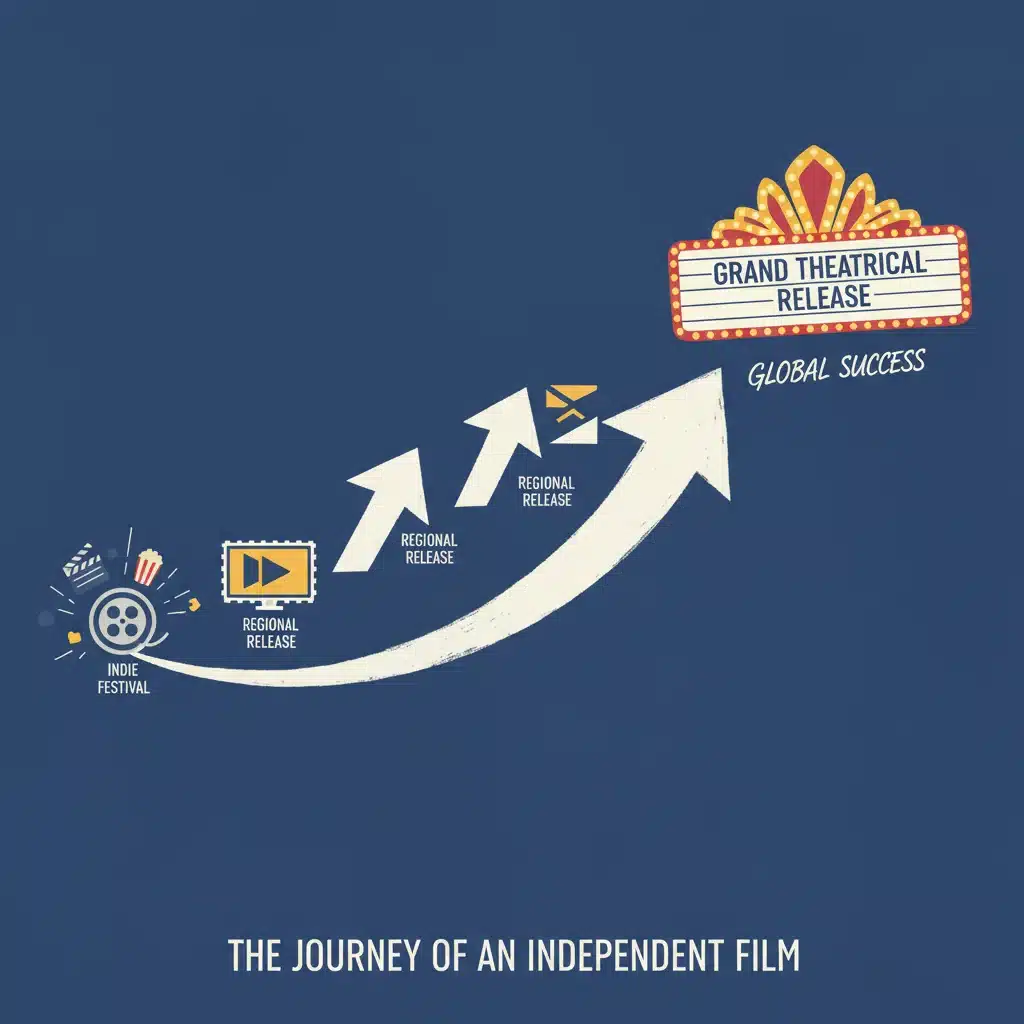
The journey from a small festival screening to a major theatrical release or streaming deal is a complex one, and independent film festivals play a pivotal role in facilitating this transition. The buzz generated at a festival can be the most valuable currency for an independent film, attracting distributors, sales agents, and critics. A strong premiere, positive reviews, and festival awards can significantly increase a film’s market value and visibility.
Distribution deals are frequently struck on the ground at these festivals. Buyers from major studios, independent distributors (like A24, Neon, and Searchlight Pictures), and streaming giants (Netflix, Amazon Prime Video, Hulu) attend these events specifically to acquire films. The competitive atmosphere can lead to bidding wars for highly anticipated titles, providing filmmakers with the resources needed for wider distribution and marketing campaigns. This direct link between artistic showcase and commercial opportunity is a cornerstone of the festival ecosystem.
Furthermore, festivals cultivate critical discourse. Film critics from around the world converge on these events, eager to discover and review the latest offerings. Their early reviews can significantly influence a film’s trajectory, building anticipation and informing potential audiences. A film that garners rave reviews at Sundance or Telluride often arrives in the mainstream with a built-in reputation for quality, making it easier to market and attract viewers.

By 2026, the streaming revolution has further amplified the impact of independent film festivals. Streaming platforms are constantly in search of unique, high-quality content to differentiate themselves in a crowded market. Festivals serve as their primary scouting grounds, offering a curated selection of films that have already proven their artistic merit and audience appeal. This has created a new pathway for independent films to reach global audiences, often bypassing traditional theatrical releases altogether. The synergy between festivals and streaming services is a defining characteristic of the contemporary film industry.
Challenges and Adaptations in the Digital Age
While the influence of independent film festivals is undeniable, they also face ongoing challenges, particularly in the rapidly evolving digital landscape. The COVID-19 pandemic forced many festivals to pivot to virtual formats, accelerating a trend towards online screenings and hybrid events. This shift presented both obstacles and opportunities. On one hand, it allowed festivals to reach wider, more geographically dispersed audiences, breaking down barriers of access. On the other hand, it challenged the traditional communal experience of filmgoing and the in-person networking that is so crucial for filmmakers.
By 2026, most independent film festivals have adopted a hybrid model, combining physical screenings and events with robust online platforms. This approach allows them to retain the magic of in-person premieres and industry gatherings while also leveraging the reach and accessibility of digital technology. The challenge lies in striking the right balance, ensuring that the virtual component enhances rather than detracts from the festival experience.
Another challenge is the sheer volume of content. With more films being produced than ever before, festivals must continually refine their curation processes to stand out. This often means specializing in particular genres, regional cinema, or thematic focuses. For example, some festivals might focus exclusively on animation, LGBTQ+ cinema, or environmental documentaries, creating distinct niches and attracting specific audiences and filmmakers.
Funding remains a perennial concern for many independent film festivals. While major festivals like Sundance attract significant corporate sponsorship, smaller, regional festivals often operate on tight budgets. Their continued existence relies on grants, individual donations, and the dedication of volunteers. The economic climate and changing sponsorship landscapes require festivals to be innovative in their fundraising strategies and community engagement.
The Future Landscape: Independent Film Festivals by 2026 and Beyond
Looking ahead to 2026 and beyond, the role of independent film festivals in American cinema is set to remain paramount, albeit with continued evolution. We can anticipate several key trends:
- Increased Specialization: As the film landscape becomes even more fragmented, festivals will likely continue to specialize, becoming highly curated showcases for specific types of cinema or regional talent. This allows them to build strong brand identities and attract dedicated audiences.
- Enhanced Hybrid Models: The hybrid format, combining physical and virtual elements, will become the norm. Festivals will invest further in sophisticated online platforms that offer interactive experiences, virtual networking opportunities, and global accessibility, without sacrificing the unique energy of in-person events.
- Data-Driven Curation: While artistic vision will always be central, festivals may increasingly leverage data analytics to understand audience preferences, track industry trends, and optimize their programming. This doesn’t mean sacrificing artistic integrity but rather using insights to better connect films with their intended audiences.
- Stronger Ties with Streaming Services: The symbiotic relationship between independent film festivals and streaming platforms will deepen. Festivals will continue to be primary acquisition hubs for streamers, and platforms may even become more directly involved in festival programming or sponsorship, seeking to identify and nurture talent early on.
- Focus on Experiential Storytelling: Beyond traditional film screenings, festivals may expand their offerings to include immersive experiences, virtual reality (VR), augmented reality (AR), and interactive narratives. As technology blurs the lines of storytelling, festivals will be at the forefront of showcasing these new forms.
By 2026, independent film festivals will not just be places where films are screened; they will be dynamic cultural hubs that celebrate the art of storytelling in all its forms. They will continue to be essential for nurturing emerging talent, fostering critical dialogue, and providing a counterbalance to the commercial pressures of mainstream Hollywood. Their ability to adapt, innovate, and remain true to their mission of championing diverse voices ensures their enduring relevance.
Conclusion
The journey of independent film festivals from niche gatherings to indispensable pillars of American cinema is a testament to their resilience, vision, and unwavering commitment to artistic expression. By 2026, their influence permeates every aspect of the film industry, from talent discovery and distribution strategies to the very narratives that resonate with audiences. They have democratized filmmaking, diversified storytelling, and continually pushed the boundaries of what cinema can achieve.
As the industry continues to evolve, independent film festivals will remain vital spaces for innovation, community, and discovery. They are not merely events; they are movements, shaping the future of American cinema one groundbreaking film at a time. Their legacy is one of empowering voices, challenging conventions, and ensuring that the art of film continues to reflect the richness and complexity of the human experience.