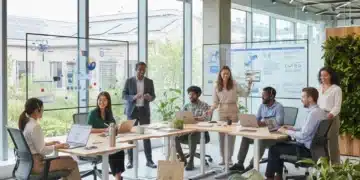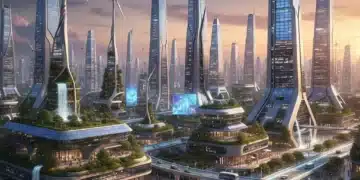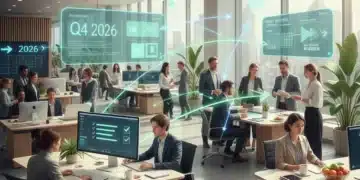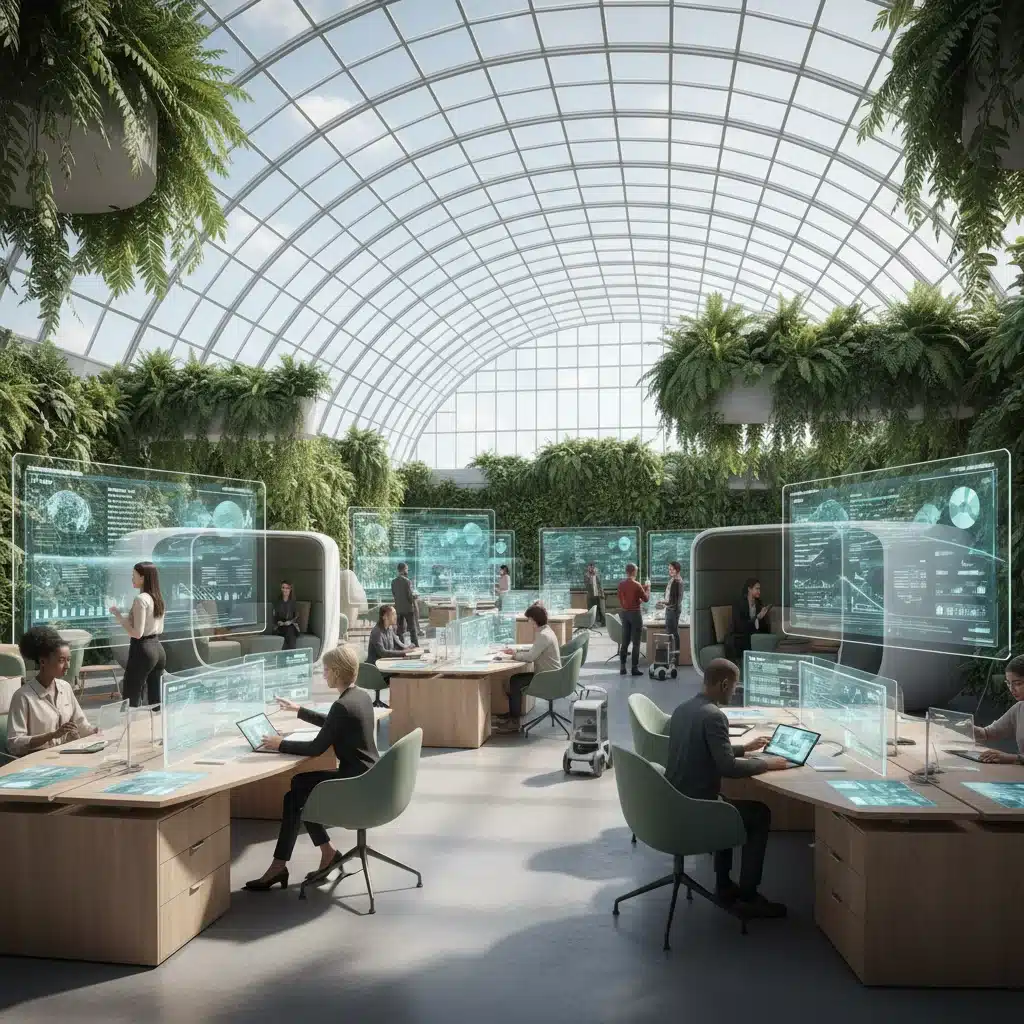
The traditional office model is undergoing a profound transformation. As we look towards 2027, the concept of the workplace is shifting from a mere location to a dynamic ecosystem designed to foster innovation, collaboration, and individual well-being. The convergence of advanced technology, evolving work philosophies, and a heightened awareness of environmental impact is driving this evolution. Businesses are recognizing that investing in the right office design and technological infrastructure is not just a luxury but a strategic imperative for attracting top talent, boosting morale, and significantly enhancing productivity. The goal for many organizations is to achieve a remarkable 15% improvement in productivity by leveraging cutting-edge design trends and tech integrations.
This comprehensive guide delves into the six most impactful design trends and technological innovations that will define future workspaces design by 2027. We will explore how these elements intertwine to create environments that are not only aesthetically pleasing but also highly functional, adaptable, and conducive to a thriving workforce. From biophilic integration to AI-powered personalization, prepare to uncover the blueprints for the offices of tomorrow.
The past few years have accelerated a paradigm shift in how and where we work. Remote and hybrid models have proven their efficacy, but the physical office remains a crucial hub for culture, collaboration, and deep work. The challenge, therefore, lies in designing spaces that justify their existence, offering something beyond what a home office can provide. This means creating experiences, fostering community, and providing resources that empower employees to perform at their best. Our focus on future workspaces design is rooted in this understanding – that the physical environment plays a pivotal role in shaping employee experience and, consequently, business outcomes.
By 2027, the average office will be far more intelligent, flexible, and human-centric than its predecessors. It will be a place where technology seamlessly supports human endeavor, where natural elements calm and inspire, and where every square foot is optimized for both individual focus and collective synergy. This shift is not merely about aesthetics; it’s about creating a competitive advantage through an optimized work environment. Let’s explore the key trends driving this exciting future.
1. Biophilic Design Integration: Bringing Nature Indoors for Enhanced Well-being
One of the most profound shifts in future workspaces design is the widespread adoption of biophilic principles. Biophilic design is an architectural approach that seeks to connect building occupants more closely to nature. It involves incorporating natural elements, such as sunlight, fresh air, water features, and an abundance of living plants, into the built environment. The benefits are extensive and scientifically proven, ranging from reduced stress and improved cognitive function to increased creativity and higher levels of employee satisfaction.
By 2027, biophilic design will move beyond potted plants in corners. We’ll see living walls becoming commonplace, not just as decorative features but as integral parts of the building’s air purification system. Natural light will be maximized through intelligent window designs and strategic office layouts, reducing reliance on artificial lighting and improving circadian rhythms. Water features, from small bubbling fountains to larger reflective pools, will provide soothing sounds and visual interest. Materials will increasingly be natural, sustainable, and tactile – think reclaimed wood, natural stone, and breathable fabrics.
The impact on productivity is significant. Studies have shown that employees in offices with natural elements report a 15% higher level of well-being, are 6% more productive, and 15% more creative. This trend is not just about aesthetics; it’s about creating healthier, more inspiring environments that directly contribute to a 15% boost in overall workplace productivity. The integration of nature helps mitigate the stresses of modern work, fostering a sense of calm and focus that is essential for complex tasks and creative problem-solving. Furthermore, the psychological benefits of feeling connected to nature can reduce absenteeism and improve employee retention, making biophilic design a smart investment for any forward-thinking organization.
2. Hyper-Flexible and Agile Layouts: Adaptability as the New Standard
The days of static, one-size-fits-all office layouts are rapidly fading. The rise of hybrid work models and the need for dynamic team structures demand workspaces that can adapt quickly to changing needs. Hyper-flexible and agile layouts are at the core of future workspaces design, emphasizing modularity, reconfigurability, and diverse work settings.
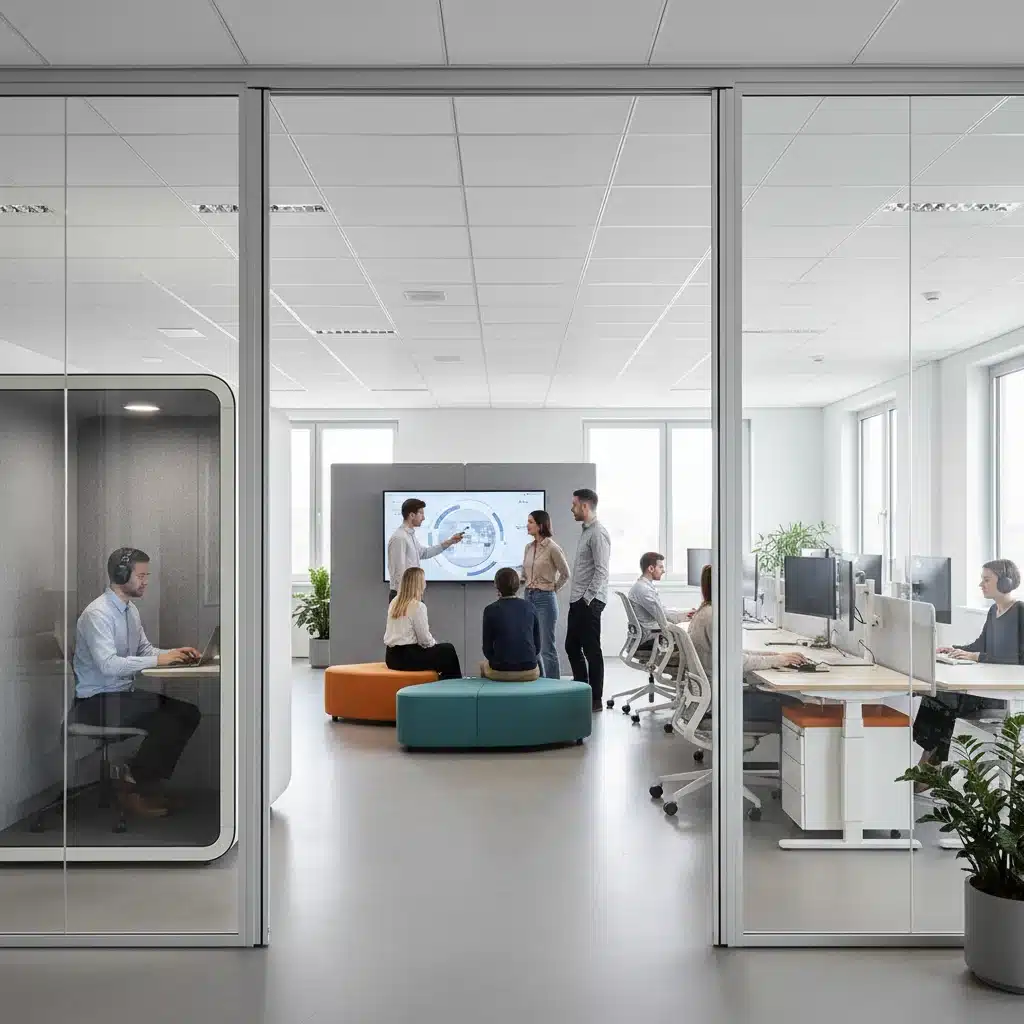
By 2027, offices will feature an array of zones tailored for different activities: quiet pods for focused work, vibrant collaboration hubs for brainstorming, comfortable lounges for informal meetings, and adaptable project rooms that can be scaled up or down as required. Furniture will be lightweight, on wheels, and easily reconfigurable. Movable partitions, smart walls, and even robotic furniture systems will allow spaces to transform within minutes, rather than days or weeks.
This trend is about empowering employees to choose the environment that best suits their current task, thereby optimizing their individual productivity. It also enables teams to fluidly reorganize based on project demands, fostering greater collaboration and efficiency. The ability to quickly pivot and reconfigure physical space supports agile methodologies and rapid innovation. This flexibility not only enhances productivity by an estimated 15% but also makes the office a more attractive destination for employees who value autonomy and variety in their work settings. Companies will invest in design elements that are inherently scalable and versatile, ensuring that their physical infrastructure can keep pace with their organizational evolution. This approach helps companies avoid costly renovations and allows them to respond swiftly to new business challenges and opportunities.
3. Integrated Smart Technology and AI: The Intelligent Office Ecosystem
Technology will be the invisible backbone of future workspaces design, seamlessly integrated into every aspect of the office environment. By 2027, smart offices will leverage AI, IoT (Internet of Things), and advanced analytics to create personalized, efficient, and predictive environments.
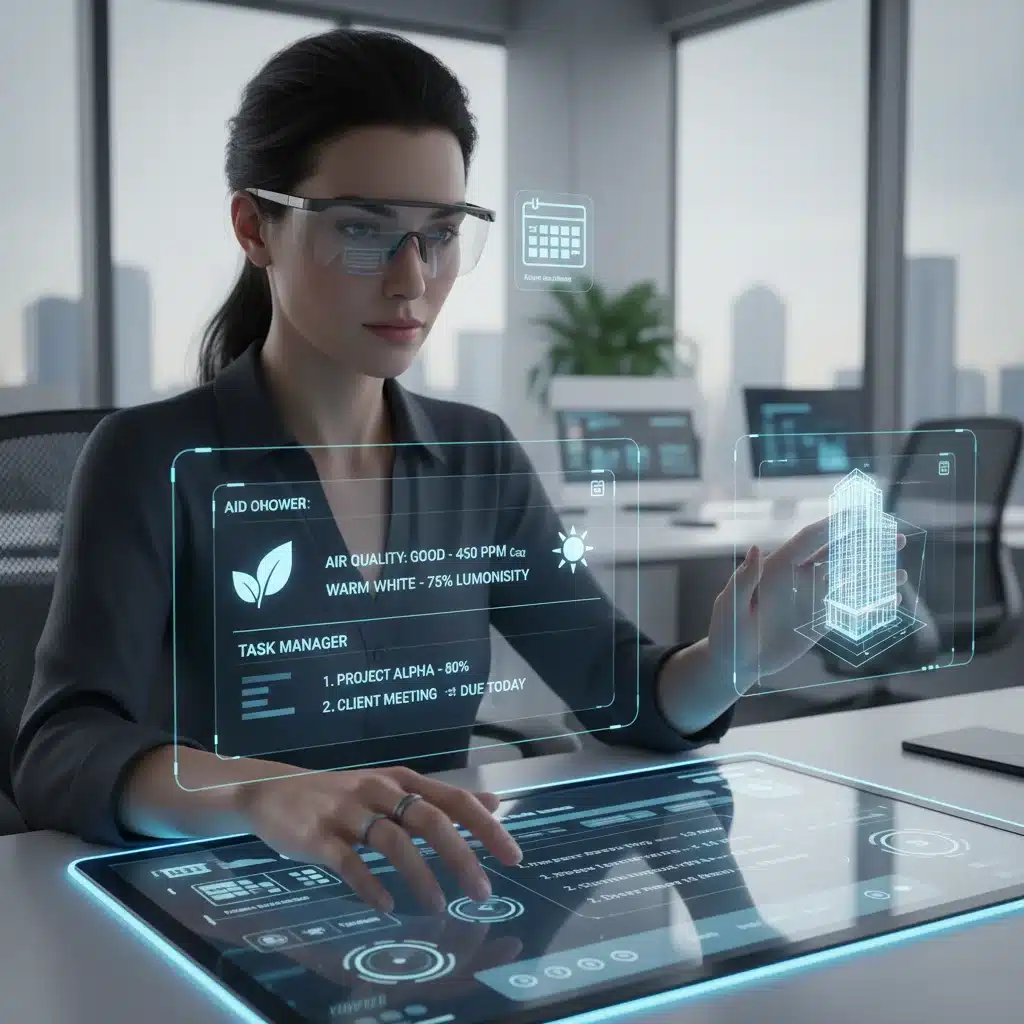
Imagine walking into an office where your preferred lighting and temperature settings automatically adjust as you approach your chosen workstation. Smart sensors will monitor occupancy levels, air quality, and noise, providing real-time data to facility managers and even suggesting optimal times for certain activities. AI-powered scheduling systems will not only book meeting rooms but also suggest the most suitable room based on attendee numbers, equipment needs, and even historical collaboration patterns.
Personalized climate control, automated lighting adjustments, and smart sound masking systems will create optimal conditions for focus and comfort. Augmented reality (AR) and virtual reality (VR) will also play a greater role, facilitating immersive remote collaboration and interactive training sessions. AI will analyze usage patterns to optimize energy consumption, predict maintenance needs, and even suggest ergonomic adjustments for individual employees. This level of technological integration will streamline operations, reduce operational costs, and, most importantly, free up employees from mundane tasks, allowing them to focus on high-value work. The result? A significant leap in productivity and a more responsive, intuitive workplace experience. This intelligent office ecosystem will be central to achieving the targeted 15% productivity increase, making work feel more effortless and effective.
4. Enhanced Digital Collaboration Tools and Immersive Experiences
As hybrid work models solidify, the need for seamless digital collaboration will intensify. Future workspaces design will feature advanced tools that bridge the gap between physical and virtual participants, making remote collaboration as engaging and effective as in-person interactions.
By 2027, meeting rooms will be equipped with ultra-high-definition screens, 360-degree cameras, and spatial audio systems that create a truly immersive experience for remote attendees. Holographic projection technology, while still nascent, could see early adoption in high-end conference rooms, allowing remote participants to appear as lifelike projections. Interactive digital whiteboards will enable real-time co-creation, regardless of location, with AI assisting in summarizing discussions and transcribing notes.
Beyond meeting rooms, digital platforms will offer virtual ‘third spaces’ where employees can serendipitously connect, fostering a sense of community that often gets lost in distributed teams. These platforms might include virtual coffee breaks, digital water coolers, or even gamified collaboration challenges. The emphasis is on creating a sense of presence and shared experience, ensuring that remote workers feel fully integrated and valued. By removing friction from collaboration and making virtual interactions more natural, these tools will significantly boost team efficiency and innovation, directly contributing to the 15% productivity goal. The ability to collaborate effectively across geographical boundaries will become a cornerstone of successful business operations, and the physical office will serve as an enhanced hub for these advanced digital interactions.
5. Sustainable and Circular Design Principles: Eco-Conscious Workplaces
Environmental responsibility is no longer a niche concern; it’s a fundamental expectation. Future workspaces design will heavily incorporate sustainable and circular design principles, aiming to minimize environmental impact and promote resource efficiency.
By 2027, offices will be designed with a ‘cradle-to-cradle’ approach, meaning materials are chosen for their durability, recyclability, and low environmental footprint. This includes using recycled and locally sourced materials, designing furniture for disassembly and reuse, and reducing waste throughout the building’s lifecycle. Energy efficiency will be paramount, with smart HVAC systems, advanced insulation, and renewable energy sources like solar panels becoming standard. Water conservation measures, such as rainwater harvesting and greywater recycling, will also be integrated.
Beyond the physical infrastructure, companies will embrace operational sustainability, encouraging employees to adopt eco-friendly practices through smart waste management systems and incentives for sustainable commuting. The focus on sustainability not only benefits the planet but also enhances brand reputation, attracts environmentally conscious talent, and can lead to significant cost savings in the long run. A sustainable office environment also contributes to employee well-being, as healthier buildings with better air quality and natural elements lead to happier, more productive staff. This commitment to sustainability will play a subtle yet powerful role in the overall productivity enhancement, demonstrating a company’s values and fostering a positive work culture. It’s about creating a workplace that is good for people and good for the planet, aligning business success with environmental stewardship.
6. Personalized and Human-Centric Experiences: Tailoring the Workplace to the Individual
The ultimate goal of future workspaces design is to create environments that cater to the diverse needs and preferences of individual employees. Personalization and human-centricity will move beyond simple ergonomic chairs to encompass a holistic approach to employee experience.
By 2027, offices will leverage data and AI to offer highly personalized experiences. This could include individual control over micro-climates at workstations, personalized soundscapes to aid concentration, and even AI-powered suggestions for optimal work zones based on an employee’s task and preferences. Wellness programs will be seamlessly integrated into the office environment, with dedicated spaces for mindfulness, exercise, and relaxation. Healthy food options will be easily accessible, and initiatives promoting mental health will be a core offering.
The human-centric approach extends to fostering a strong sense of community and belonging. Design will encourage serendipitous interactions, provide comfortable social spaces, and support diverse cultural activities. The office will be seen as a destination that offers unique value – a place for connection, growth, and personal development that cannot be replicated at home. By prioritizing the individual’s needs and well-being, companies can significantly boost engagement, reduce burnout, and unlock higher levels of creativity and productivity. A workplace that truly understands and responds to its inhabitants will naturally foster a workforce that is more motivated, healthier, and ultimately, 15% more productive. This trend underscores the understanding that employees are a company’s most valuable asset, and their well-being is paramount to sustained success.
The Road Ahead: Implementing Future Workspaces Design
Implementing these cutting-edge design trends and technological integrations requires a strategic approach. It’s not about adopting every new gadget or aesthetic, but rather understanding which innovations best serve your organization’s unique culture, goals, and employee needs. The journey towards future workspaces design begins with a thorough assessment of current pain points, aspirations, and the desired employee experience.
Organizations should consider a phased implementation, starting with pilot projects to test new concepts and gather feedback. Engaging employees in the design process is crucial; their insights will ensure that the new spaces are truly functional and appealing. Collaboration with architects, interior designers, and technology integrators who specialize in future-focused office environments will be essential to bring these visions to life. Furthermore, a commitment to ongoing evaluation and adaptation will ensure that the workspace remains relevant and effective as technology and work patterns continue to evolve.
Investing in these trends is an investment in your people and your future. A well-designed, technologically advanced, and human-centric office environment can be a powerful tool for talent attraction and retention, fostering a culture of innovation, and ultimately driving significant business growth. The projected 15% increase in productivity is a compelling indicator of the return on investment that awaits businesses willing to embrace the evolution of the workplace.
Conclusion: Shaping the Productive and Inspiring Workplaces of 2027
The future of work is not just about where we work, but how we work, and critically, in what kind of environment we work. By 2027, future workspaces design will be characterized by a profound integration of biophilic elements, hyper-flexible layouts, intelligent technology, advanced collaboration tools, sustainable practices, and deeply personalized experiences. These six trends are converging to create offices that are not only more efficient but also more engaging, healthier, and inspiring for employees.
Organizations that proactively embrace these changes will gain a significant competitive edge. They will be better positioned to attract and retain top talent, foster a culture of innovation, and ultimately achieve a substantial boost in productivity, potentially reaching the ambitious 15% target. The office of tomorrow will be a dynamic, responsive ecosystem that empowers individuals, strengthens teams, and aligns with broader environmental responsibilities. It will be a testament to the idea that when we design spaces with people and planet in mind, we unlock unprecedented levels of human potential and business success. The time to start planning for these transformative changes in future workspaces design is now, ensuring your organization is ready to thrive in the evolving landscape of work.