Urban Exodus or Renaissance? Tracking Population Shifts in 5 Major U.S. Metropolitan Areas Through 2026
Urban Exodus or Renaissance? Tracking Population Shifts in 5 Major U.S. Metropolitan Areas Through 2026
The narrative surrounding U.S. cities has been a dynamic one, especially in the wake of recent global events and evolving socio-economic landscapes. Are America’s major metropolitan areas experiencing a mass urban exodus, or are we witnessing a vibrant urban renaissance? This question lies at the heart of understanding the future of American society and its economic engine. For years, cities have been the epicenters of innovation, culture, and opportunity, attracting millions seeking a better life. However, recent trends suggest a more nuanced picture, with some cities thriving while others face significant challenges in retaining or attracting residents. Understanding these population dynamics is crucial for policymakers, businesses, and individuals alike. This comprehensive analysis delves into the intricate patterns of US urban population shifts across five major U.S. metropolitan areas, providing recent updates, comparison, and analysis with projections extending through 2026. We will explore the driving forces behind these movements, from housing affordability and remote work to quality of life and economic opportunities, painting a detailed picture of the evolving urban landscape.
The Shifting Sands of Urban Demographics: A National Overview
Before diving into specific metropolitan areas, it’s essential to grasp the broader context of US urban population shifts. The early 2020s marked a significant period of demographic upheaval. The COVID-19 pandemic accelerated trends that were already nascent, such as the rise of remote work and a re-evaluation of living priorities. Many urban dwellers, no longer tethered to a physical office, sought more space, lower costs of living, and access to nature, leading to an initial surge in migration from dense urban cores to suburban and exurban areas, and even to smaller, more affordable cities. This phenomenon sparked widespread debate about the ‘death of the city’.
However, as the immediate crisis subsided and economic activity resumed, a counter-narrative began to emerge. Some cities, particularly those with strong tech sectors or diverse economies, showed remarkable resilience and even renewed growth. The allure of urban amenities—cultural institutions, diverse dining, vibrant social scenes, and career opportunities—remains potent for many. The question is no longer a simple ‘exodus or renaissance’ but rather, ‘who is leaving, who is staying, and who is arriving?’ The demographics of these movements are critical, influencing everything from housing markets and public services to political landscapes. Factors such as age, income, family status, and profession play significant roles in determining migration patterns. For instance, young professionals might still be drawn to urban centers for career advancement and networking, while families might prioritize suburban schools and larger homes. Retirees, on the other hand, might seek warmer climates or communities with specific amenities tailored to their needs. Understanding these nuances is key to accurately interpreting the US urban population shifts.
Moreover, policy decisions at local, state, and federal levels profoundly impact these shifts. Investments in infrastructure, affordable housing initiatives, public safety measures, and environmental sustainability efforts can either attract or deter residents. The availability of reliable public transportation, green spaces, and community programs also contributes significantly to a city’s attractiveness. As we move closer to 2026, these factors will continue to shape the trajectory of urban populations, making it imperative to monitor and adapt to the changing needs and preferences of residents. The interplay of economic forces, social trends, and policy interventions creates a complex web of influences that define the current and future state of American cities. This section sets the stage for our detailed examination of five specific metropolitan areas, each with its unique story of demographic change and adaptation.
Metropolitan Area 1: New York City – Resilience Amidst Evolution
New York City, often dubbed the ‘capital of the world,’ has long been a magnet for talent and ambition. However, it was also one of the hardest-hit cities during the initial phase of the pandemic, leading to significant out-migration. For a time, headlines questioned whether the city would ever fully recover its pre-pandemic vibrancy. Data from the U.S. Census Bureau and various real estate reports initially showed a noticeable decline in population, particularly from its densest boroughs like Manhattan. Many residents, facing high rents and a perceived lack of space, sought refuge in nearby suburbs or more affordable states.
Recent Updates: Fast forward to 2023-2024, and the narrative is shifting. While not all residents who left have returned, New York City is demonstrating remarkable resilience. The return-to-office mandates, albeit partial, have brought a renewed influx of professionals. The city’s diverse economy, particularly in finance, tech, and media, continues to create opportunities. Furthermore, international immigration, a historical engine of NYC’s growth, is slowly rebounding. While housing affordability remains a critical challenge, the sheer volume of cultural, educational, and career opportunities continues to attract a steady stream of newcomers, particularly young professionals and recent graduates.
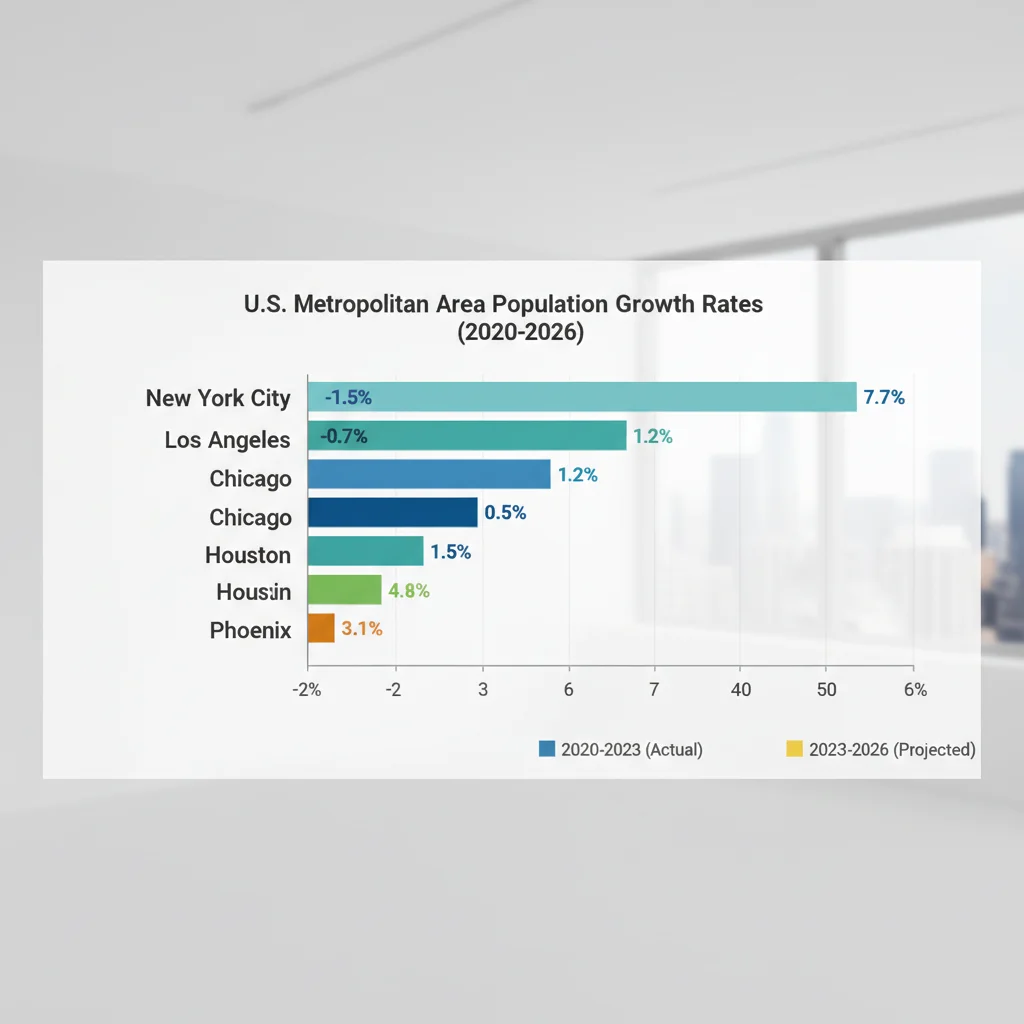
Comparison/Analysis: Compared to other major metros, NYC’s recovery is unique. It’s not necessarily about explosive growth, but rather a stabilization and a gradual re-densification. The city is adapting, with a stronger emphasis on outdoor spaces, improved public transit, and a re-imagination of commercial real estate. Projections for 2026 suggest a continued, albeit moderate, population rebound. The city is learning to balance its historical density with new demands for quality of life. The challenge for NYC will be to maintain its appeal while addressing persistent issues like affordability, public safety, and infrastructure aging. The city’s ability to innovate and adapt its urban planning to meet evolving resident needs will be paramount in sustaining its long-term growth. The ongoing debate about remote work versus in-office presence also plays a significant role in determining how many people choose to live within the five boroughs versus commuting from surrounding areas. This dynamic interaction between lifestyle preferences, economic opportunities, and urban planning will define NYC’s trajectory through 2026 and beyond, making its US urban population shifts a complex but fascinating case study.
Metropolitan Area 2: Los Angeles – The Lure of the West Coast
Los Angeles, with its sprawling landscape, diverse industries, and iconic lifestyle, has long been a powerhouse of population growth. However, like NYC, it faced its own set of challenges, including high cost of living, traffic congestion, and a growing homelessness crisis. The allure of California’s sunshine and economic opportunities, particularly in entertainment, tech, and international trade, has historically drawn people from across the globe. Yet, recent years have seen a noticeable slowdown in its growth rate, with some periods even showing net out-migration, particularly to more affordable neighboring states like Arizona, Nevada, and Texas.
Recent Updates: Data for 2023-2024 indicates a mixed bag for Los Angeles. While the overall metropolitan area continues to be one of the largest in the U.S., its core city population has seen modest fluctuations. The entertainment industry, a cornerstone of LA’s economy, has experienced shifts, but the burgeoning tech sector, particularly in Silicon Beach, continues to attract talent. The region’s diverse economy and cultural vibrancy remain strong draws. However, the housing crisis, characterized by soaring home prices and rents, continues to be a major impediment to retaining and attracting residents, especially middle-income families and young professionals.
Comparison/Analysis: LA’s population dynamics are distinct from NYC’s. While NYC is dense and transit-oriented, LA is sprawling and car-dependent, offering a different kind of urban experience. The out-migration from LA is often driven by a search for greater affordability and a less congested lifestyle, rather than a complete rejection of urban living. Projections for 2026 suggest a slow but steady recovery in population growth for the broader LA metropolitan area, but the city itself might continue to face headwinds in terms of net domestic migration. The focus for LA will likely be on developing more affordable housing options, improving public transit, and addressing quality of life issues to maintain its competitive edge. The city’s ability to innovate in urban planning and create more walkable, mixed-use communities will be crucial. Furthermore, the impact of climate change, particularly droughts and wildfires, may also subtly influence long-term migration patterns, adding another layer of complexity to the US urban population shifts in this region. The interplay between economic opportunity, environmental concerns, and lifestyle preferences will be key in shaping LA’s future demographic landscape.
Metropolitan Area 3: Houston – The Sun Belt Boom Continues
Houston, a prime example of a Sun Belt city, has been a consistent performer in terms of population growth for decades. Its robust energy sector, growing healthcare industry, and relatively affordable cost of living have made it a popular destination for internal migrants. Unlike its coastal counterparts, Houston often benefits from a continuous influx of residents seeking economic opportunities and a lower cost of living, particularly from states with higher taxes and housing prices. The city’s diverse economy and lack of state income tax further enhance its appeal.
Recent Updates: The trend of strong growth continues for Houston into 2023-2024. The city and its surrounding metropolitan area are experiencing significant population gains, driven by both domestic migration and international immigration. While the energy sector remains a foundational pillar, diversification into technology, aerospace, and biomedical research is attracting a new wave of talent. The housing market, while seeing appreciation, remains more accessible than in many other major U.S. metros, making it an attractive option for families and individuals looking for homeownership.
Comparison/Analysis: Houston stands in stark contrast to NYC and LA in terms of its growth trajectory. It embodies the ‘Sun Belt boom’ phenomenon, characterized by outward expansion and a focus on affordability and economic opportunity. Projections for 2026 indicate that Houston will likely continue its strong growth, potentially outpacing many other large U.S. cities. The challenges for Houston will involve managing this rapid growth, particularly concerning infrastructure development, traffic congestion, and environmental sustainability. The city’s ability to invest in public transit, green spaces, and resilient infrastructure will be crucial for maintaining its quality of life and sustaining its appeal. The ongoing expansion of its port and international trade activities also positions Houston as a critical hub for global commerce, further fueling its demographic expansion. These factors consolidate Houston’s position as a key player in the ongoing US urban population shifts, showcasing a model of sustained growth driven by economic diversity and relative affordability. The city’s ability to integrate new populations while addressing urban planning challenges will be a defining characteristic of its future.
Metropolitan Area 4: Chicago – Navigating Midwestern Headwinds
Chicago, the economic and cultural heart of the Midwest, has historically been a major urban center. However, in recent years, it has faced significant demographic challenges. The city has seen a consistent pattern of population decline, particularly due to out-migration to other states, often driven by factors such as high taxes, concerns about public safety, and a desire for warmer climates or more affordable housing. While the city boasts a vibrant cultural scene, world-class universities, and a diversified economy including finance, manufacturing, and tech, these advantages have not always been enough to offset the outflows.
Recent Updates: Data for 2023-2024 shows that Chicago continues to grapple with population stagnation or slight declines. While some neighborhoods are experiencing revitalization and attracting new residents, the overall metropolitan area struggles to reverse the trend of net out-migration. Efforts to attract new businesses and retain graduates from its many universities are ongoing, but the perception of high living costs and crime rates remains a significant hurdle. The ongoing debate around urban policy and its impact on residents’ decisions to stay or leave is particularly acute in Chicago.
Comparison/Analysis: Chicago’s situation is more aligned with the ‘urban exodus’ narrative, though it’s not a complete collapse but rather a slow bleed of residents. Unlike NYC, which is seeing a rebound, or Houston, which is booming, Chicago is fighting to stabilize its population. Projections for 2026 suggest that Chicago will likely continue to face challenges in achieving significant population growth. The key for Chicago will be to address the underlying issues driving out-migration, such as improving public safety, reforming tax policies, and making targeted investments in its neighborhoods. The city’s ability to leverage its strong economic foundations and cultural assets to create a more attractive living environment will be critical. The competition from other Midwestern cities and Sun Belt destinations for both talent and businesses adds pressure to Chicago’s efforts to retain its population. Understanding these complex US urban population shifts requires a deep dive into the specific economic and social factors at play in the region, highlighting the unique challenges faced by established Midwestern metropolises.
Metropolitan Area 5: Phoenix – A Desert Oasis of Growth
Phoenix, Arizona, is another quintessential example of rapid Sun Belt growth. Its appeal lies in its warm climate, relatively affordable housing (though prices have risen significantly), and a business-friendly environment that has attracted numerous companies and remote workers. The city has consistently ranked among the fastest-growing large cities in the U.S. for several years, drawing residents from California and other high-cost states seeking a better quality of life and lower expenses.
Recent Updates: Phoenix continues its impressive growth trajectory into 2023-2024. The metropolitan area is expanding rapidly, with new residential and commercial developments continually emerging. The tech sector, manufacturing, and healthcare industries are all contributing to a diverse and expanding job market. While housing affordability has become more challenging than in previous years, it still offers a compelling alternative to coastal markets. The city’s investment in infrastructure and amenities also plays a role in its continued attractiveness.
Comparison/Analysis: Phoenix represents the pinnacle of the ‘urban renaissance’ in a new form – not necessarily a re-densification of an old core, but rather a sprawling, dynamic expansion fueled by internal migration. Its growth model is distinct from both the legacy cities like NYC and Chicago, and even from other Sun Belt cities like Houston, due to its unique climate and specific economic drivers. Projections for 2026 indicate that Phoenix will likely remain one of the fastest-growing metropolitan areas in the U.S., continuing to attract a diverse array of residents. The primary challenges for Phoenix will involve managing its rapid growth sustainably, particularly concerning water resources in an arid region, transportation infrastructure, and maintaining a high quality of life amidst increasing population density. The city’s long-term success will depend on its ability to innovate in urban planning and resource management, ensuring that its expansion is both environmentally sound and socially equitable. These considerations are vital in understanding the broader implications of US urban population shifts, especially in regions facing unique environmental constraints. The lessons learned from Phoenix’s growth model could offer valuable insights for other rapidly expanding arid cities globally.
Driving Forces Behind US Urban Population Shifts Through 2026
The demographic shifts observed across these five metropolitan areas are not random; they are influenced by a confluence of powerful socio-economic factors. Understanding these drivers is critical for projecting future trends and developing effective urban policies. The interplay of these forces creates a complex tapestry of migration patterns, making it challenging to predict with absolute certainty but allowing for informed projections.
1. Housing Affordability and Cost of Living
Perhaps the most significant factor driving US urban population shifts is housing affordability. Cities with exorbitant housing costs, like New York and Los Angeles, often experience out-migration as residents seek more affordable alternatives. This is particularly true for young families, retirees, and individuals in professions with moderate incomes. Conversely, cities like Houston and Phoenix, which historically offered more accessible housing, have seen significant inflows. However, as these growth cities expand, their housing markets also tighten, leading to rising prices and potentially slowing future growth. The balance between economic opportunity and the cost of living is a constant calculus for potential residents.
2. Remote Work and Flexible Employment
The acceleration of remote work capabilities has fundamentally altered the geography of opportunity. Many individuals are no longer bound by proximity to their workplace, allowing them to prioritize quality of life, space, and affordability over a short commute. This trend has fueled growth in suburban areas and smaller cities, while also allowing some to remain in larger metros but perhaps in less central, more affordable neighborhoods. The long-term impact of hybrid work models will continue to shape where people choose to live, influencing traffic patterns, public transit usage, and the demand for urban amenities. Cities that can adapt to a more flexible workforce, offering a blend of urban appeal and work-life balance, will be well-positioned.
3. Economic Opportunities and Industry Diversification
The strength and diversity of a city’s economy remain paramount. Cities with robust job markets in growing sectors (e.g., tech, healthcare, advanced manufacturing) continue to attract talent. New York’s financial and tech sectors, Houston’s energy and medical industries, and LA’s entertainment and tech hubs are powerful magnets. Cities like Chicago, while economically diverse, face challenges if their growth sectors aren’t expanding rapidly enough to offset other factors. The ability of a city to innovate and diversify its economic base provides a buffer against downturns and ensures a steady supply of new residents seeking career advancement. Furthermore, the presence of major universities and research institutions often acts as an economic anchor, attracting and retaining a skilled workforce, which in turn stimulates further growth.
4. Quality of Life and Urban Amenities
Beyond economics, the overall quality of life plays a crucial role. This encompasses factors such as public safety, access to green spaces, cultural attractions, educational institutions, healthcare facilities, and efficient public services. Cities that invest in these areas, like parks, public transportation, and community programs, tend to be more attractive. Conversely, concerns about crime or declining public services can drive residents away. The perception of a city’s vibrancy and livability is a powerful, albeit subjective, determinant of migration. As environmental concerns grow, the availability of sustainable infrastructure and green initiatives also becomes a significant draw for environmentally conscious residents. The presence of a strong community fabric and diverse social opportunities also contributes significantly to a city’s appeal, fostering a sense of belonging and well-being among its residents.
5. Climate and Environmental Factors
While often a slower-moving factor, climate is increasingly influencing migration. The appeal of Sun Belt cities like Phoenix and Houston, with their warmer climates, is undeniable for many. However, extreme weather events, such as wildfires, hurricanes, and prolonged droughts, are also becoming significant considerations, potentially leading to out-migration from vulnerable regions. The long-term impacts of climate change on water availability, infrastructure, and livability will undoubtedly play a more pronounced role in shaping US urban population shifts in the coming decades, prompting cities to invest in climate resilience and sustainable practices. This adds another layer of complexity to urban planning and development strategies, as cities must not only grow but also adapt to a changing environment.
Projections for 2026 and Beyond: What to Expect
Looking ahead to 2026, the landscape of US urban population shifts is expected to continue its dynamic evolution. While the initial post-pandemic surge of out-migration from major coastal cities has largely stabilized, a return to pre-2020 growth patterns is unlikely for all. Instead, we anticipate a more diversified pattern of urban development.
Continued Sun Belt Dominance: Cities like Houston and Phoenix are projected to maintain their robust growth, driven by continued internal migration from higher-cost regions and strong economic fundamentals. Their relative affordability and expanding job markets will remain powerful draws. However, these cities will increasingly face the challenge of managing rapid expansion, including infrastructure strain, environmental concerns (especially water resources in the Southwest), and ensuring equitable development.
Coastal City Resilience and Adaptation: New York and Los Angeles are expected to continue their slow but steady recovery. Their global economic importance, cultural vibrancy, and diverse opportunities will ensure they remain attractive destinations, particularly for young professionals and international immigrants. The focus for these cities will be on innovative solutions to housing affordability, public transportation, and enhancing quality of life to retain existing residents and attract new ones. They will likely see growth in specific sectors and neighborhoods rather than broad, metropolitan-wide surges.
Midwestern Metros: A Fight for Stability: Cities like Chicago will continue their efforts to stabilize and reverse population declines. Success will hinge on addressing core issues such as public safety, tax burdens, and creating compelling economic incentives. Targeted investments in specific industries, neighborhood revitalization, and improved public services will be crucial. These cities have strong foundations but face an uphill battle against long-standing demographic trends and competition from other regions.
The Rise of Secondary Cities and Exurbs: While not explicitly covered in our five-city analysis, the trend of growth in smaller, more affordable cities and exurban areas adjacent to major metros is expected to persist. This is a direct consequence of remote work flexibility and the search for better value. These areas offer a blend of urban amenities with a more suburban lifestyle, appealing to a broad demographic. This trend will subtly influence the larger metropolitan areas, as some residents might choose to live in these satellite communities while still engaging with the economic and cultural offerings of the nearby major city.
In conclusion, the future of American cities is not a simple story of exodus or renaissance, but rather a complex narrative of adaptation, resilience, and varied growth. The US urban population shifts are shaped by a continuous interplay of economic, social, and environmental factors, demanding dynamic policy responses and innovative urban planning. The coming years will reveal which cities successfully navigate these challenges to emerge stronger and more sustainable.