Combatting Loneliness: Community Solutions for Improved Well-being by 2026
In an increasingly interconnected yet paradoxically isolated world, loneliness has emerged as a significant public health concern. Affecting millions across all age groups, its profound impact extends beyond emotional distress, contributing to a myriad of physical and mental health issues. The urgency to address this silent epidemic has never been greater. Fortunately, a growing body of evidence points towards the efficacy of community-based solutions as a powerful antidote. This article delves into the practical strategies and recent advancements in fostering social connection, with an ambitious target: a 30% improvement in well-being attributable to enhanced social ties by early 2026. We will explore how strengthening community engagement and implementing targeted programs can create more resilient, connected, and ultimately, happier societies. Understanding the multifaceted nature of loneliness is the first step towards crafting effective interventions. It’s not merely about being alone; it’s about the distressing feeling of lacking companionship or social support, a subjective experience that varies greatly from person to person. The societal costs are immense, ranging from increased healthcare expenditures to diminished productivity and overall quality of life. Therefore, investing in local initiatives that build robust social networks is not just a humanitarian endeavor, but a strategic imperative for public health and economic prosperity. The journey to a more connected future begins with a collective commitment to nurturing the bonds that define our communities.
Understanding the Scope of Loneliness: A Global Challenge
Before we can effectively implement community loneliness solutions, it’s crucial to grasp the pervasive nature of loneliness. Recent studies highlight that loneliness is not confined to specific demographics or geographies; it is a universal experience, though its manifestations and prevalence can differ. For instance, while older adults are often associated with loneliness, younger generations, particularly adolescents and young adults, report alarmingly high rates. Factors such as increased digital interaction at the expense of face-to-face contact, urban living, and societal shifts away from traditional extended family structures contribute significantly to this phenomenon. The COVID-19 pandemic further exacerbated the issue, forcing widespread social isolation and bringing the mental health crisis, including loneliness, into sharper focus.
The health consequences of chronic loneliness are profound. Research consistently links it to an increased risk of heart disease, stroke, dementia, depression, and anxiety. It can weaken the immune system, disrupt sleep patterns, and even shorten life expectancy, rivaling the health risks of smoking and obesity. This makes addressing loneliness not just a social welfare issue, but a critical public health priority. Recognising this, governments and non-profit organizations worldwide are increasingly dedicating resources to understanding and mitigating its impact. The goal of a 30% improvement in well-being by early 2026 through enhanced social connections is ambitious but achievable, provided we adopt a holistic, community-centric approach. This involves not only creating opportunities for interaction but also fostering a culture of empathy and support within communities. The challenge is complex, but the potential rewards – healthier, happier, and more resilient populations – are immeasurable.
Moreover, the economic burden of loneliness is substantial. Increased healthcare costs, reduced productivity in the workplace, and a strain on social services all contribute to a significant financial drain. Employers are beginning to recognize the impact of employee loneliness on morale and performance, leading to a growing interest in workplace wellness programs that promote social interaction and support. Educational institutions are also grappling with student loneliness, which can affect academic performance and mental health. Therefore, the call for effective community loneliness solutions resonates across multiple sectors, signaling a collective understanding that this is a societal problem requiring broad-based, collaborative action. The path forward requires innovation, adaptability, and a deep understanding of human social needs.
The Power of Community: Foundations for Connection
At the heart of any effective strategy to combat loneliness lies the concept of community. A strong, vibrant community provides the essential framework for social connection, offering opportunities for shared experiences, mutual support, and a sense of belonging. Community loneliness solutions leverage these inherent strengths, building upon existing networks and creating new avenues for interaction. These solutions are often most effective because they are tailored to the specific needs and cultural contexts of local populations, making them more accessible and relevant.
One fundamental aspect is the creation of welcoming physical spaces. Community centers, libraries, parks, and even local cafes can serve as crucial hubs where people can gather informally. These spaces, when designed thoughtfully, encourage spontaneous interactions and provide a neutral ground for diverse individuals to connect. Imagine a local library not just as a place for books, but as a vibrant center offering workshops, book clubs, and technology classes – all designed to bring people together. Similarly, well-maintained public parks can host community events, farmers’ markets, or simply offer benches for casual conversation, fostering a sense of shared ownership and collective identity.
Beyond physical spaces, the development of ‘third places’ – environments distinct from home and work where people can relax and socialize – is vital. These can be anything from community gardens to local sports clubs or volunteer organizations. The key is to provide low-barrier entry points for participation, allowing individuals to engage at their own comfort level. The success of these initiatives often hinges on active community leadership and the involvement of local residents in their design and implementation. When people feel a sense of ownership and agency, they are more likely to participate and sustain these efforts, creating a virtuous cycle of connection and engagement. This grassroots approach ensures that community loneliness solutions are not top-down mandates, but organic expressions of collective need and desire for connection.
Practical Community Loneliness Solutions: Strategies in Action
Implementing effective community loneliness solutions requires a multi-pronged approach, combining structured programs with informal opportunities for connection. Here, we explore several practical strategies that have shown promising results:
1. Intergenerational Programs
Bridging the generational gap can be incredibly powerful in combating loneliness. Programs that bring together older adults and younger generations, such as shared reading initiatives in schools, mentorship programs, or technology workshops where teenagers teach seniors how to use digital devices, create unique bonds. These interactions offer mutual benefits: older adults gain a sense of purpose and renewed social engagement, while younger individuals benefit from wisdom and historical perspective. These programs often foster surprising friendships and break down age-related stereotypes, creating a richer, more integrated community fabric.
2. Community Hubs and Activity Centers
Designating and supporting dedicated community hubs is crucial. These centers can host a wide array of activities, from art classes and cooking workshops to support groups and cultural events. The key is to make them accessible, inclusive, and responsive to community needs. Funding for these centers, whether through local government, grants, or private donations, is essential for their sustainability. Promoting these hubs effectively ensures that community members are aware of the opportunities available to them, encouraging participation and reducing feelings of isolation. Regular feedback mechanisms can help tailor offerings to ensure they remain relevant and engaging for all demographics.

3. Volunteer and Peer Support Networks
Encouraging volunteerism is a twofold solution: it provides a sense of purpose and connection for the volunteers themselves, and it offers invaluable support to those in need. Developing peer support networks for specific groups, such as new parents, caregivers, or individuals experiencing grief, can create safe spaces for sharing experiences and building empathy. These networks can be facilitated by local organizations or even spontaneously emerge from community needs. Training volunteers in active listening and empathetic communication can further enhance the effectiveness of these vital support systems, ensuring that help is not just offered, but truly felt and appreciated.
4. Digital Inclusion Initiatives
While often blamed for isolation, technology can also be a powerful tool for connection when used thoughtfully. Digital inclusion programs that teach basic computer literacy, internet safety, and how to use social media or video conferencing platforms can help bridge the digital divide, particularly among older adults or low-income populations. These skills enable individuals to connect with distant family members, access online community groups, and participate in virtual events, thereby expanding their social circles and reducing feelings of isolation. It’s about leveraging technology to enhance, rather than replace, real-world connections.
5. Community Gardens and Shared Spaces
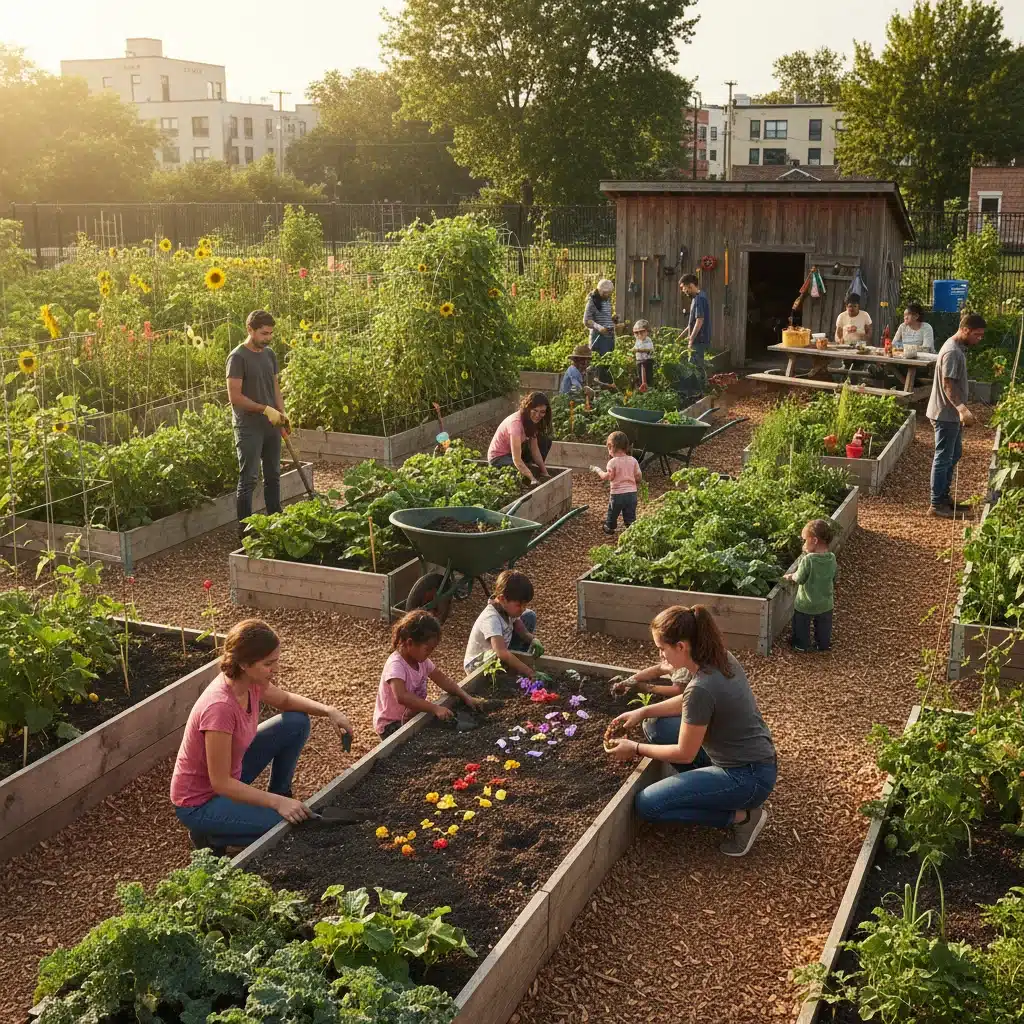
Community gardens are excellent examples of community loneliness solutions that foster collaboration and shared purpose. Working together to grow food or maintain a beautiful green space naturally encourages interaction, conversation, and the development of new friendships. These spaces often become vibrant social hubs, hosting potlucks, workshops, and celebrations. Beyond gardens, other shared spaces like community kitchens, tool libraries, or repair cafes offer similar opportunities for practical collaboration and social bonding, allowing people to connect over common interests and practical needs. These initiatives often cultivate a strong sense of collective responsibility and pride.
6. Arts and Cultural Programs
The arts have a unique ability to bring people together, transcending linguistic and cultural barriers. Community choirs, theater groups, art workshops, and cultural festivals provide platforms for shared creative expression and appreciation. Participating in these activities can boost self-esteem, reduce stress, and create strong bonds among participants. Local governments and cultural organizations can play a vital role in funding and promoting these programs, ensuring they are accessible to all members of the community, regardless of artistic ability or economic status. The shared experience of creating or appreciating art can be incredibly powerful in fostering connection.
Measuring Impact: The 30% Well-being Improvement Goal by Early 2026
The aspiration for a 30% improvement in well-being due to enhanced social connections by early 2026 is an ambitious yet attainable target. Achieving this requires not only the implementation of robust community loneliness solutions but also a dedicated focus on measurement and evaluation. How do we quantify such an improvement? It involves a combination of qualitative and quantitative metrics.
Quantitative measures can include regular surveys assessing self-reported loneliness levels, frequency of social interactions, perceived social support, and overall life satisfaction within specific communities. Data from healthcare providers on mental health consultations for anxiety and depression, or even physical health markers linked to chronic stress, could also provide valuable insights. Longitudinal studies tracking cohorts of individuals participating in community programs versus control groups would offer robust evidence of impact. Furthermore, analyzing trends in community participation rates, volunteer engagement, and attendance at local events can serve as indicators of increasing social capital.
Qualitative measures, on the other hand, involve collecting personal narratives, testimonials, and case studies from individuals whose lives have been positively impacted by these initiatives. Focus groups and in-depth interviews can reveal nuanced changes in feelings of belonging, purpose, and overall mental resilience. These personal stories are crucial for understanding the human impact beyond mere statistics and for identifying what truly works at a grassroots level. The combination of both approaches provides a comprehensive picture of progress and allows for continuous refinement of strategies.
To ensure the 30% goal is met, collaboration between local governments, non-profit organizations, academic institutions, and community leaders is paramount. Establishing clear benchmarks, sharing best practices, and creating a framework for data collection and analysis will be essential. Regular reporting and transparent communication about progress will also keep stakeholders engaged and accountable. This commitment to evidence-based practice ensures that resources are allocated effectively and that community loneliness solutions are continuously optimized for maximum impact. The journey towards a more connected society is an ongoing process of learning, adapting, and celebrating successes.
Challenges and Future Directions for Community Loneliness Solutions
While the potential of community loneliness solutions is immense, their implementation is not without challenges. One significant hurdle is securing sustained funding. Many community programs rely on grants or short-term funding cycles, making long-term planning and stability difficult. Advocacy for dedicated public funding and exploring innovative financing models, such as social impact bonds, will be crucial for the longevity of these initiatives.
Another challenge lies in reaching the most isolated individuals. Those experiencing severe loneliness may be reluctant to participate in community activities due to anxiety, lack of confidence, or practical barriers like transportation. Outreach strategies need to be sensitive, persistent, and tailored to individual needs, perhaps involving home visits or one-on-one support to gently encourage engagement. Building trust is paramount in these situations.
Furthermore, the diverse nature of loneliness means that a one-size-fits-all approach is ineffective. Solutions must be culturally sensitive and adaptable to different community contexts, including urban, rural, and multicultural settings. Training community leaders and volunteers in cultural competency can help ensure that programs are inclusive and welcoming to all. Addressing the stigma associated with loneliness is also vital, encouraging open conversations and normalizing the experience so individuals feel comfortable seeking support.
Looking ahead, the integration of technology with community-based interventions holds great promise. Developing user-friendly platforms that connect individuals to local activities, volunteer opportunities, and peer support networks could significantly enhance accessibility. However, this must be balanced with promoting face-to-face interaction and preventing further digital isolation. Research into the neurobiology of social connection and the psychological mechanisms of loneliness will continue to inform more targeted and effective interventions.
The future of community loneliness solutions also lies in proactive, preventative measures. Integrating social connection into urban planning, designing public spaces that encourage interaction, and fostering a culture of mutual support from an early age are long-term investments that can significantly reduce the prevalence of loneliness in future generations. Education about the importance of social health, alongside physical and mental health, can empower individuals to build and maintain strong social ties throughout their lives. By addressing these challenges and embracing innovation, we can move closer to our goal of a 30% improvement in well-being, fostering communities where everyone feels seen, valued, and connected.
Conclusion: A Connected Future Through Community Loneliness Solutions
The pervasive issue of loneliness demands our collective attention, and the evidence overwhelmingly points to community-based solutions as the most effective path forward. By nurturing social connections, creating inclusive spaces, and implementing targeted programs, we can significantly improve the well-being of individuals and strengthen the fabric of our societies. The ambitious goal of a 30% improvement in well-being by early 2026, driven by enhanced social ties, is not just a dream but a tangible objective achievable through dedicated effort and collaboration.
From intergenerational programs and vibrant community hubs to volunteer networks and digital inclusion initiatives, the strategies outlined in this article offer practical blueprints for action. Measuring their impact through a combination of quantitative and qualitative data will be crucial for sustained success and continuous improvement. While challenges remain, including funding and reaching the most isolated, the commitment to innovation, adaptability, and cultural sensitivity will pave the way for a more connected future. Investing in community loneliness solutions is an investment in public health, economic vitality, and the fundamental human need for belonging. Let us work together to build communities where loneliness is not an epidemic, but a rare and temporary experience, replaced by a pervasive sense of connection and shared humanity.