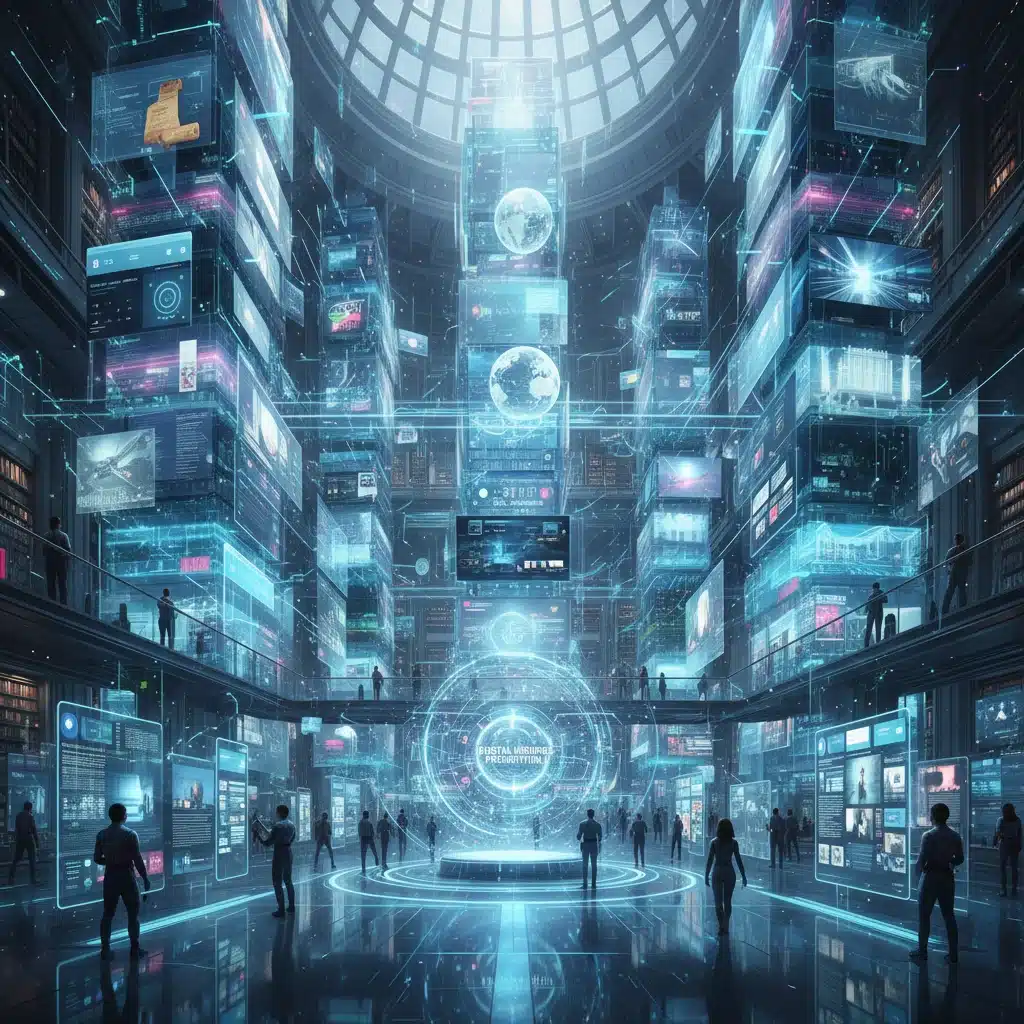
The year is 2026. While much has changed, one constant remains: the relentless march of digital information. Every day, billions of interactions, creations, and conversations unfold across the internet, forming an intricate tapestry of American online culture. But what happens to this vast, ephemeral digital landscape? How do we ensure that the tweets, memes, forum discussions, viral videos, and historical websites of today are accessible and understandable tomorrow? This is the profound challenge and vital mission of digital heritage preservation.
In an age where cultural memory is increasingly born digital, the task of preserving it has never been more critical. Unlike physical artifacts that degrade slowly, digital data can vanish in an instant due to technological obsolescence, data rot, or simply the discontinuation of a platform. The urgency to establish robust, scalable, and sustainable methods for digital heritage preservation is paramount if we are to truly understand our past and inform our future.
The Evolving Landscape of American Online Culture
American online culture is a dynamic, multifaceted entity. It encompasses everything from the foundational Usenet groups and early web pages to the sophisticated social media ecosystems, streaming platforms, and virtual realities of today. Each era brings new forms of expression, new communities, and new challenges for preservationists. The rapid evolution of technology means that formats, platforms, and even the very language of online interaction can become obsolete within a decade, making the act of digital heritage preservation a constant race against time.
Consider the early days of the internet: GeoCities pages, Flash animations, and dial-up forums. Much of this content is already lost or incredibly difficult to access. Fast forward to the mid-2020s, and we see an explosion of user-generated content across platforms like TikTok, Instagram, YouTube, and various gaming metaverses. These platforms are proprietary, their content often ephemeral, and their terms of service can make systematic archiving a legal and technical field. The sheer volume and velocity of this data present unprecedented challenges for any initiative focused on digital heritage preservation.
Defining What to Preserve: A Moving Target
One of the initial hurdles in digital heritage preservation is deciding what constitutes ‘heritage.’ Is every tweet worth saving? Every comment? Every obscure blog post? While the ideal would be to preserve everything, practical limitations of storage, processing power, and human resources necessitate a more selective approach. This often involves curatorial decisions, risk assessments, and a deep understanding of what aspects of online culture are most indicative of societal trends, historical events, or artistic expression.
Moreover, the concept of ‘American’ online culture itself is fluid. The internet is global, and national boundaries blur in digital spaces. However, distinct cultural nuances, political discourse, social movements, and artistic expressions emerge within the American context, making it a specific and valuable focus for preservation efforts. Understanding these nuances is key to effective digital heritage preservation.
Challenges in Digital Heritage Preservation in 2026
The path to effective digital heritage preservation is fraught with significant obstacles. These challenges are not merely technical; they extend into legal, ethical, and organizational domains.
Technological Obsolescence and Format Rot
Perhaps the most immediate threat to digital information is technological obsolescence. File formats, software, and hardware become outdated at an alarming rate. A document created in a proprietary word processor from the 1990s might be unreadable on a modern computer without specialized emulation software. Video codecs, image formats, and interactive media frameworks evolve, leaving older content inaccessible or unrenderable. This constant need for migration, emulation, and reformatting is a core component of sustainable digital heritage preservation.
Furthermore, the platforms themselves are not static. Social media sites update their APIs, change their data structures, or even cease to exist. When a platform disappears, so too does much of the content hosted on it, unless proactive measures for digital heritage preservation have been taken. MySpace, Friendster, and Vine serve as stark reminders of this digital impermanence.
Volume, Velocity, and Variety of Data
The sheer scale of data generated daily is staggering. The internet is a firehose of information, and capturing even a fraction of it for digital heritage preservation requires immense storage capacity and processing power. The velocity at which new content is created means that any archiving system must be capable of continuous, real-time ingestion.
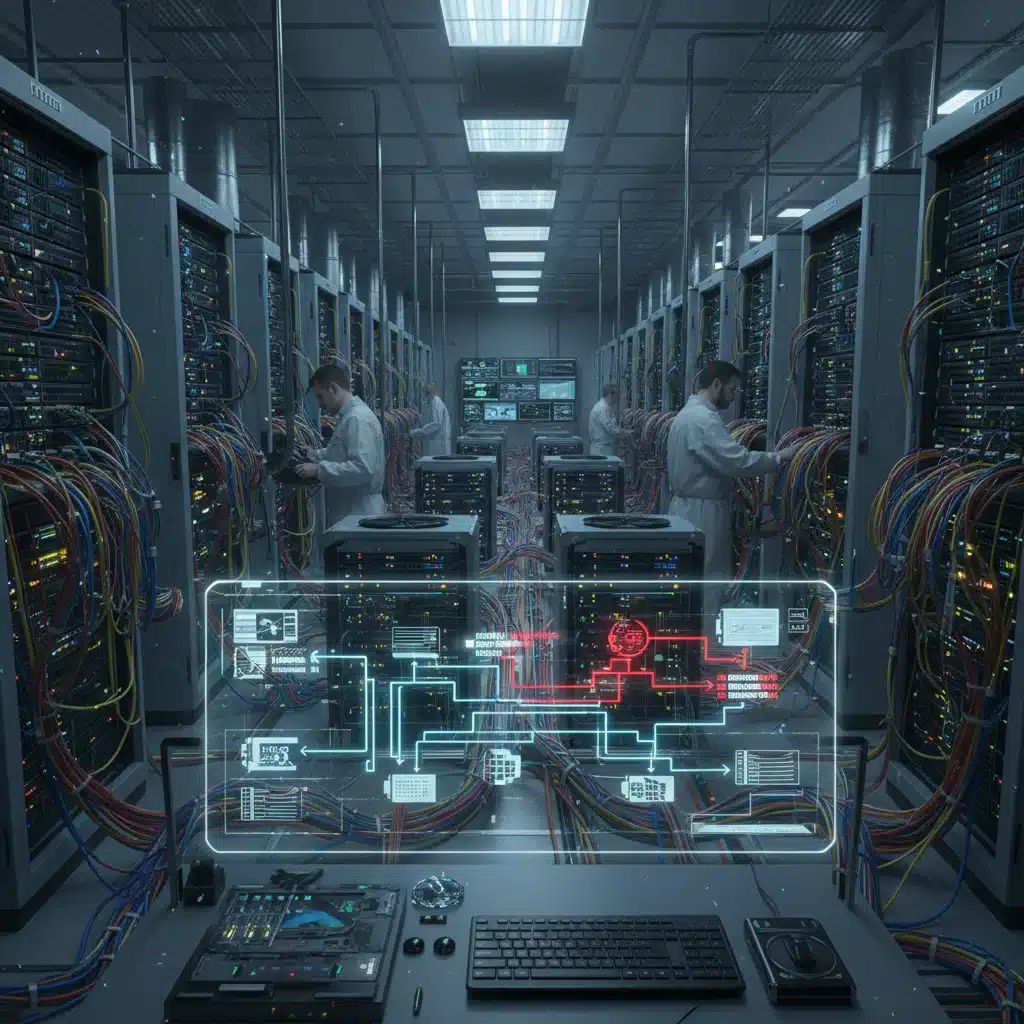
Beyond volume and velocity, there’s the variety. Online culture isn’t just text; it’s images, videos, audio, interactive applications, virtual reality environments, and complex databases. Each of these data types presents unique challenges for capture, storage, and long-term access. Preserving an interactive artwork or a multiplayer online game is far more complex than archiving a static webpage, demanding innovative approaches to digital heritage preservation.
Legal and Ethical Considerations
Copyright, privacy, and intellectual property rights are major stumbling blocks for digital heritage preservation. Who owns the content created by users on a social media platform? What are the legal implications of archiving private conversations or content that was intended to be ephemeral? Obtaining permission from creators for large-scale archiving is often impractical, leading to complex legal gray areas.
Ethical considerations also play a significant role. How do we ensure the anonymity of individuals where appropriate? How do we handle content that is offensive or sensitive, but still historically significant? Balancing the public’s right to access historical records with individual privacy and the potential for misuse of archived data is a delicate act in digital heritage preservation.
Funding and Sustainability
Digital heritage preservation is an expensive endeavor. It requires significant investment in infrastructure, specialized software, skilled personnel, and ongoing research and development. Securing consistent and adequate funding for these initiatives is a perpetual challenge, especially when the perceived value of archiving digital ephemera might not be immediately obvious to policymakers or the general public.
Current Initiatives and Solutions in 2026
Despite the formidable challenges, significant progress is being made in digital heritage preservation. Various institutions, organizations, and collaborative projects are working tirelessly to build the necessary infrastructure and methodologies.
The Internet Archive and Web Archiving
The Internet Archive remains a cornerstone of digital heritage preservation. Its Wayback Machine has captured billions of web pages since 1996, providing an invaluable historical record of the internet. Beyond web pages, the Internet Archive also preserves software, audio, video, and books. Their work demonstrates the power of large-scale, automated archiving coupled with a commitment to public access.
However, even the Internet Archive faces limitations. It cannot capture all dynamic content, paywalled sites, or proprietary platform data. Complementary efforts by national libraries, academic institutions, and specialized web archiving services are therefore crucial to broaden the scope of digital heritage preservation.
National Libraries and Archives
National libraries, such as the Library of Congress in the United States, are increasingly recognizing their role in digital heritage preservation. They are developing strategies for collecting born-digital materials, including government publications, culturally significant websites, and even large-scale social media archives (like the Twitter archive project, though its scope has evolved). These institutions bring institutional stability, legal mandates, and expertise in long-term preservation to the digital realm.
Emulation and Migration Strategies
To combat technological obsolescence, two primary strategies are employed: emulation and migration. Emulation involves creating software that mimics older hardware and software environments, allowing archived digital objects to be run in their original context. This is particularly important for interactive media, software, and video games. Migration, on the other hand, involves converting digital data from older formats to newer, more stable ones. Both approaches require continuous development and resources to ensure the longevity of preserved data, making them critical components of digital heritage preservation.
Community Archiving and Citizen Science
Recognizing that centralized institutions cannot do it alone, community archiving initiatives are gaining traction. These projects empower individuals and smaller groups to preserve specific aspects of online culture that are meaningful to them. This distributed approach not only expands the reach of digital heritage preservation but also fosters a sense of collective responsibility for our digital past. Citizen science projects also contribute by helping to identify, categorize, and even annotate archived digital content.
The Future of Digital Heritage Preservation: A 2026 Outlook
As we look forward from 2026, the field of digital heritage preservation is poised for further innovation and expansion. Several key trends and developments are shaping its trajectory.
AI and Machine Learning for Curation and Analysis
Artificial intelligence and machine learning are becoming indispensable tools in digital heritage preservation. AI can assist in identifying culturally significant content from vast datasets, automating metadata extraction, and even helping to reconstruct fragmented digital objects. Machine learning algorithms can analyze trends, detect anomalies, and provide insights into the structure and evolution of online communities, thereby enhancing the value and accessibility of archived material.
Blockchain and Distributed Ledger Technologies
Blockchain and distributed ledger technologies offer intriguing possibilities for ensuring the integrity and authenticity of digital archives. By creating immutable records of digital objects and their provenance, these technologies could help combat data tampering and provide verifiable proof of an item’s existence and originality. While still in early stages of application for digital heritage preservation, the potential for enhanced trust and security is significant.
Interoperability and Standardized Metadata
The development of common standards for metadata and interoperable archiving systems is crucial for the future of digital heritage preservation. When different archives can easily share and integrate their collections, the overall richness and accessibility of the preserved digital heritage increase exponentially. Efforts to establish universal identifiers and linked data principles will continue to be a priority.
Engaging the Public and Education
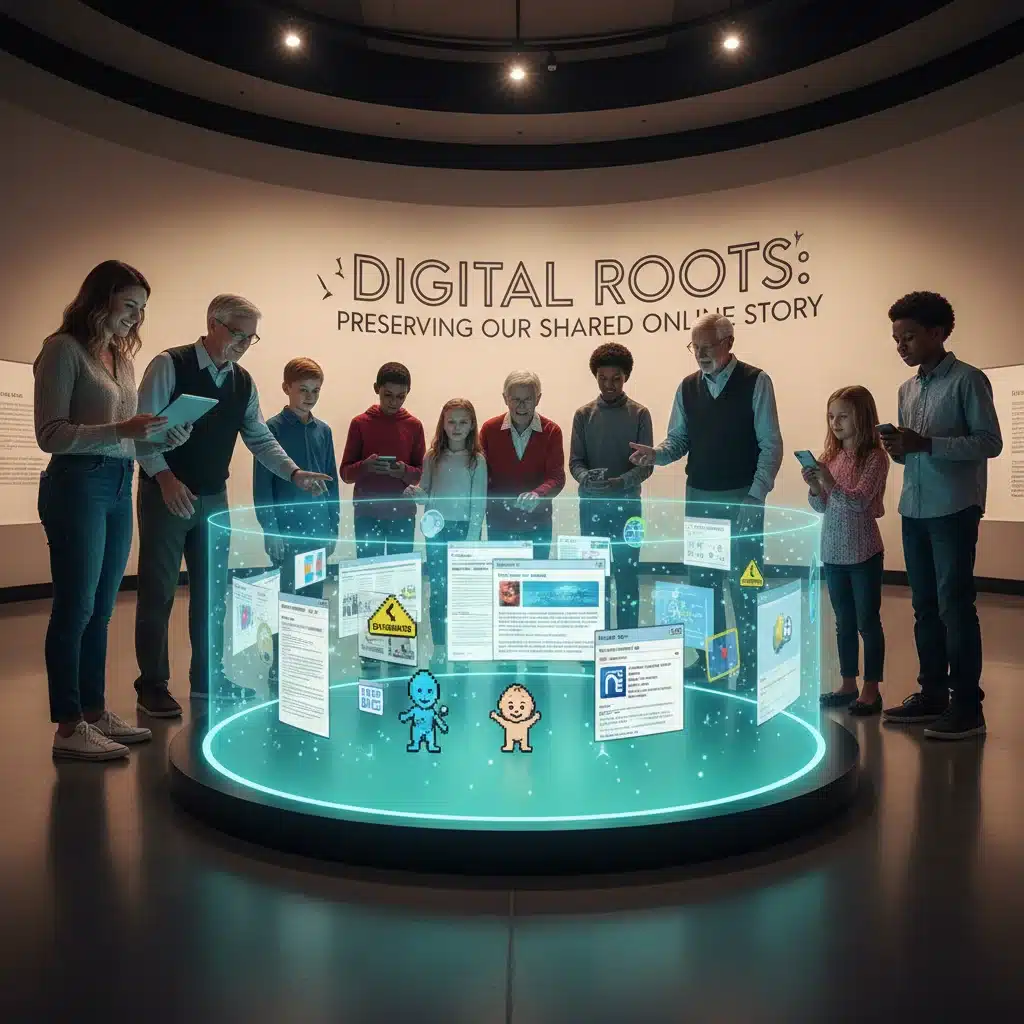
Ultimately, the success of digital heritage preservation depends on public awareness and engagement. Educating future generations about the fragility of digital information and the importance of preserving our online cultural memory is vital. Initiatives that make archived content accessible and engaging – through virtual exhibitions, interactive experiences, and educational programs – will foster a greater appreciation for this critical work.
Addressing the ‘Right to Be Forgotten’ and Archival Ethics
The increasing focus on personal data rights, including the ‘right to be forgotten,’ presents a complex ethical and legal challenge for digital heritage preservation. How do archives balance the historical imperative to preserve with an individual’s right to control their digital footprint? This tension will require ongoing dialogue, policy development, and potentially new technological solutions that allow for nuanced access control and redaction without compromising historical integrity.
Conclusion
The year 2026 finds us at a pivotal moment in the ongoing effort of digital heritage preservation. The challenges are immense, reflecting the unprecedented scale and complexity of American online culture. Yet, the ingenuity and dedication of archivists, technologists, and cultural institutions are continually forging new paths forward. From the vast collections of the Internet Archive to the specialized efforts of national libraries and community projects, a distributed yet interconnected network is working to safeguard our digital past.
The future of digital heritage preservation will undoubtedly be shaped by emerging technologies like AI and blockchain, alongside a deepening commitment to ethical practices and public engagement. By proactively addressing technological obsolescence, navigating complex legal landscapes, and securing sustainable funding, we can ensure that the vibrant, dynamic, and often ephemeral tapestry of American online culture is not lost to the digital ether. Preserving this digital heritage is not just about saving data; it’s about safeguarding our collective memory, our identity, and the very foundation of future historical understanding.