Digital Twins: Optimizing U.S. Operations, Cutting Costs by 18% by 2028
Unlocking Efficiency: How Digital Twins Will Optimize U.S. Operations and Cut Costs by 18% by 2028
The landscape of U.S. industries is on the cusp of a profound transformation, driven by an innovative technology known as the digital twin. Far from being a mere buzzword, the digital twin is a virtual replica of a physical object, process, or system, updated in real-time with data from its physical counterpart. This dynamic mirroring allows for unprecedented levels of monitoring, analysis, and optimization, promising to revolutionize operations across various sectors. Experts predict that by 2028, the widespread adoption of digital twin technology will lead to an average operational cost reduction of 18% across five major U.S. sectors, fundamentally reshaping their economic efficiency and competitive edge. This article delves into the transformative power of digital twin optimization, exploring its mechanisms, benefits, and specific applications across these key industries.
Digital twin technology is not a singular tool but a sophisticated ecosystem comprising IoT sensors, data analytics, artificial intelligence, and machine learning. These components work in concert to create a living, breathing digital model that evolves with its physical twin. Imagine a power plant where every turbine, valve, and sensor has a virtual counterpart. Any change, anomaly, or performance metric in the physical world is instantly reflected in the digital model, allowing operators to predict failures, optimize maintenance schedules, and simulate various scenarios without risking the actual infrastructure. This capability for proactive management and predictive insight is the cornerstone of digital twin optimization.
The economic implications of such a technology are staggering. Traditional operational models often rely on reactive maintenance, scheduled inspections, and historical data, which can be inefficient and costly. Digital twins introduce a paradigm shift towards predictive and prescriptive actions. By identifying potential issues before they escalate, optimizing resource allocation, and streamlining complex processes, businesses can significantly reduce downtime, minimize waste, and enhance overall productivity. The projected 18% cost reduction by 2028 is a testament to the profound impact this technology is expected to have on the financial health and operational agility of American enterprises.
Understanding the Core Mechanics of Digital Twin Optimization
At its heart, digital twin optimization thrives on a continuous feedback loop. Physical assets are equipped with sensors that collect real-time data on various parameters such as temperature, pressure, vibration, energy consumption, and operational status. This data is then transmitted to the digital twin, which processes and analyzes it using advanced algorithms. Machine learning models can identify patterns, predict future behavior, and even suggest optimal courses of action. For instance, in a manufacturing plant, a digital twin can simulate the wear and tear of machinery, recommending preventive maintenance before a critical component fails, thereby avoiding costly production stoppages.
Beyond predictive maintenance, digital twins enable comprehensive performance monitoring. Managers can gain a holistic view of their operations, identifying bottlenecks, inefficiencies, and areas for improvement. By running simulations within the digital environment, they can test new operational strategies, experiment with different configurations, or evaluate the impact of proposed changes without disrupting actual production. This ‘what-if’ analysis capability is invaluable for strategic planning and continuous improvement, making digital twin optimization a powerful tool for informed decision-making.
The integration of AI and machine learning further elevates the capabilities of digital twins. These intelligent algorithms can learn from historical data and real-time inputs, continuously refining their predictions and recommendations. This self-improving aspect ensures that the digital twin becomes more accurate and insightful over time, providing increasingly valuable guidance for operational optimization. The ability to autonomously identify and address minor deviations before they become major problems is a significant leap forward in operational management.
Key U.S. Sectors Poised for Digital Twin Transformation
While digital twin technology has broad applicability, five major U.S. sectors are particularly ripe for its transformative impact, driving significant digital twin optimization and cost savings:
1. Manufacturing and Industrial Production
The manufacturing sector is arguably one of the earliest adopters and biggest beneficiaries of digital twin technology. From discrete manufacturing to process industries, digital twins are revolutionizing how products are designed, produced, and maintained. In smart factories, digital twins of production lines, individual machines, and even entire facilities allow for real-time monitoring of performance, predictive maintenance, and optimized workflow management. This leads to reduced downtime, improved product quality, and significant energy savings. For example, a digital twin of a robotic assembly line can simulate various operational speeds and sequences to identify the most efficient configuration, minimizing waste and maximizing throughput.
The ability to simulate changes to production processes before implementing them physically saves immense resources and time. Manufacturers can test new product designs, assess the impact of supply chain disruptions, or optimize logistics flows within the digital realm. This proactive approach to problem-solving and optimization is crucial for maintaining competitiveness in a global market. The projected 18% cost reduction in this sector will largely stem from fewer unplanned outages, optimized resource utilization, and faster time-to-market for new products.
2. Energy and Utilities
The energy sector, encompassing power generation, transmission, and distribution, faces complex challenges related to infrastructure aging, demand fluctuations, and regulatory compliance. Digital twins offer a powerful solution for managing these complexities. Digital replicas of power plants, wind farms, solar arrays, and smart grids enable real-time monitoring of asset health, predictive maintenance of critical equipment like turbines and transformers, and optimized energy distribution. For instance, a digital twin of a smart grid can predict peak demand periods and automatically reroute power to prevent overloads and blackouts, ensuring grid stability and efficiency.
Furthermore, digital twins can simulate the impact of renewable energy integration, helping utilities to optimize their energy mix and reduce carbon emissions. By understanding how different energy sources interact within the grid, companies can make more informed decisions about infrastructure investments and operational strategies. The cost savings here are multifaceted, including reduced maintenance expenses, minimized energy losses, and enhanced grid reliability, all contributing to significant digital twin optimization.
3. Healthcare and Life Sciences
While perhaps less obvious than industrial applications, digital twins are emerging as a groundbreaking technology in healthcare. From personalized medicine to optimizing hospital operations, their potential is vast. A ‘digital twin of a patient’ could be created, incorporating their medical history, genetic data, lifestyle factors, and real-time physiological data from wearables. This comprehensive digital model could then be used to predict disease progression, personalize treatment plans, and simulate the effects of different medications, leading to more effective and safer patient care.
Beyond individual patients, digital twins can optimize hospital logistics, managing everything from equipment utilization to patient flow and staff scheduling. A digital twin of an operating room, for example, could simulate various surgical scenarios to identify the most efficient setup and resource allocation. In drug discovery, digital twins of organs or biological systems can accelerate research by allowing scientists to test new compounds virtually, reducing the need for costly and time-consuming physical trials. The cost reductions in healthcare will come from improved patient outcomes, reduced readmissions, and more efficient resource management.

4. Aerospace and Defense
The aerospace and defense sector, with its high-value assets and stringent safety requirements, is a natural fit for digital twin technology. Digital twins of aircraft, spacecraft, and complex defense systems allow for continuous monitoring of structural integrity, engine performance, and component health throughout their lifecycle. This enables highly precise predictive maintenance, extending asset lifespan and ensuring optimal operational readiness.
During the design phase, digital twins can simulate the performance of new aircraft designs under various conditions, identifying potential flaws and optimizing aerodynamics before any physical prototype is built. This significantly reduces development costs and accelerates the time to market. For operational assets, a digital twin can track every flight hour, every repair, and every maintenance event, providing a comprehensive history and predicting future maintenance needs with remarkable accuracy. The cost savings here are substantial, primarily from reduced maintenance costs, extended asset life, and enhanced safety, all driven by superior digital twin optimization.
5. Smart Cities and Infrastructure
As urban populations grow, the need for efficient and sustainable city management becomes critical. Digital twins are at the forefront of the smart city movement, creating virtual replicas of entire urban environments. These digital twins can integrate data from various city systems – traffic lights, public transport, waste management, environmental sensors, and utility networks – to optimize urban planning, resource allocation, and emergency response.
For instance, a digital twin of a city’s transportation network can simulate traffic patterns to optimize signal timing, reducing congestion and fuel consumption. It can also model the impact of new infrastructure projects, such as a new bridge or subway line, before construction begins. In terms of disaster preparedness, a digital twin can simulate flood scenarios or power outages, allowing city planners to develop more effective response strategies. The cost reductions in this sector will be realized through optimized resource management, reduced infrastructure maintenance, and improved quality of life for citizens through more efficient urban services.
Challenges and Future Outlook for Digital Twin Optimization
Despite the immense potential of digital twin optimization, its widespread adoption is not without challenges. These include the initial investment in IoT infrastructure and data integration platforms, the complexity of creating accurate digital models, and the need for skilled personnel to manage and interpret the vast amounts of data generated. Data security and privacy are also paramount concerns, especially in sensitive sectors like healthcare and defense.
However, as technology matures and costs decrease, these challenges are becoming more manageable. The increasing availability of cloud-based digital twin platforms and AI-powered analytics tools is democratizing access to this powerful technology. Furthermore, the development of industry standards and best practices will facilitate smoother integration and interoperability.
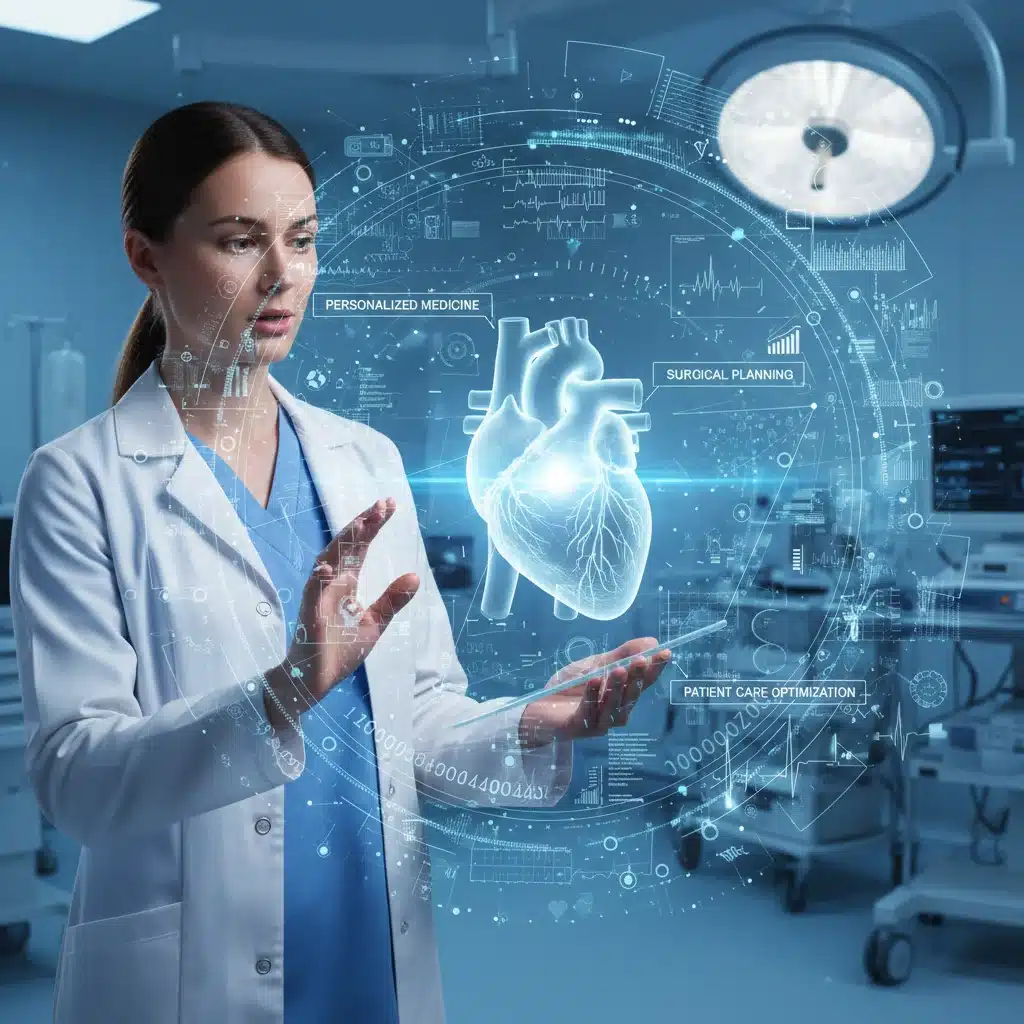
Looking ahead to 2028 and beyond, the evolution of digital twin technology will likely see even greater integration with augmented reality (AR) and virtual reality (VR). This will allow operators and engineers to interact with digital twins in highly immersive ways, overlaying virtual data onto physical assets or exploring complex systems in a fully virtual environment. The convergence of digital twins with blockchain technology could also enhance data security and trust, creating immutable records of asset performance and maintenance history.
The concept of ‘system of systems’ digital twins, where multiple individual digital twins are interconnected to form a larger, more complex virtual model, will also gain prominence. Imagine a digital twin of an entire supply chain, integrating the digital twins of individual factories, transportation networks, and distribution centers. This holistic view would enable unprecedented levels of optimization and resilience across vast and intricate operational landscapes.
The Economic Impact: How 18% Cost Reduction Will Reshape Industries
The projected 18% reduction in operational costs by 2028 is not merely a statistical figure; it represents a significant economic shift. For businesses, this translates into higher profit margins, increased competitiveness, and greater capacity for innovation and investment. Companies that embrace digital twin optimization early will gain a substantial advantage, enabling them to reinvest savings into research and development, workforce training, or market expansion.
For the U.S. economy as a whole, this widespread efficiency gain can contribute to increased productivity, job creation in high-tech sectors, and a stronger global standing. The ability to produce goods and services more efficiently makes American industries more attractive and resilient in the face of global competition. Furthermore, the environmental benefits of optimized operations, such as reduced energy consumption and waste, align with broader sustainability goals, contributing to a greener economy.
The 18% cost reduction is an average, meaning some sectors and specific applications will see even greater savings, while others might achieve slightly less. However, the overall trend is clear: digital twin technology is a powerful economic engine, poised to drive substantial improvements across the board. This efficiency dividend will empower businesses to navigate economic uncertainties, adapt to changing market demands, and innovate at an accelerated pace.
Conclusion: The Inevitable Rise of Digital Twin Optimization
The journey towards widespread digital twin optimization is well underway. The technology’s ability to provide real-time insights, enable predictive actions, and facilitate comprehensive simulations makes it an indispensable tool for modern industries. From enhancing manufacturing efficiency and securing energy grids to revolutionizing healthcare and building smarter cities, digital twins are proving their worth across diverse U.S. sectors.
The promise of an 18% reduction in operational costs by 2028 is a compelling indicator of the profound economic impact this technology will have. Businesses and policymakers alike must recognize the strategic importance of investing in digital twin capabilities to secure a future characterized by enhanced efficiency, sustainability, and innovation. As these virtual replicas continue to grow in sophistication and integration, they will not just optimize operations; they will fundamentally redefine how industries function, ushering in a new era of intelligent, data-driven management across the United States.