Decoding the 2026 Consumer: How Behavioral Economics Shifts Buying Habits by 15%
The consumer landscape is in a constant state of flux, driven by technological advancements, societal shifts, and an ever-deepening understanding of human psychology. As we hurtle towards 2026, a profound transformation is underway, largely propelled by the insights gleaned from behavioral economics. This discipline, which marries psychology with economics, is not just a theoretical framework; it’s actively reshaping how individuals make purchasing decisions, influencing buying habits by an estimated 15%. For businesses, understanding the nuances of the 2026 consumer behavior is not merely an advantage; it’s a prerequisite for survival and growth. This comprehensive guide will delve into the core tenets of behavioral economics, explore the emerging trends that define the future consumer, and provide actionable strategies for businesses to adapt and thrive in this evolving marketplace.
The Foundation: Understanding Behavioral Economics
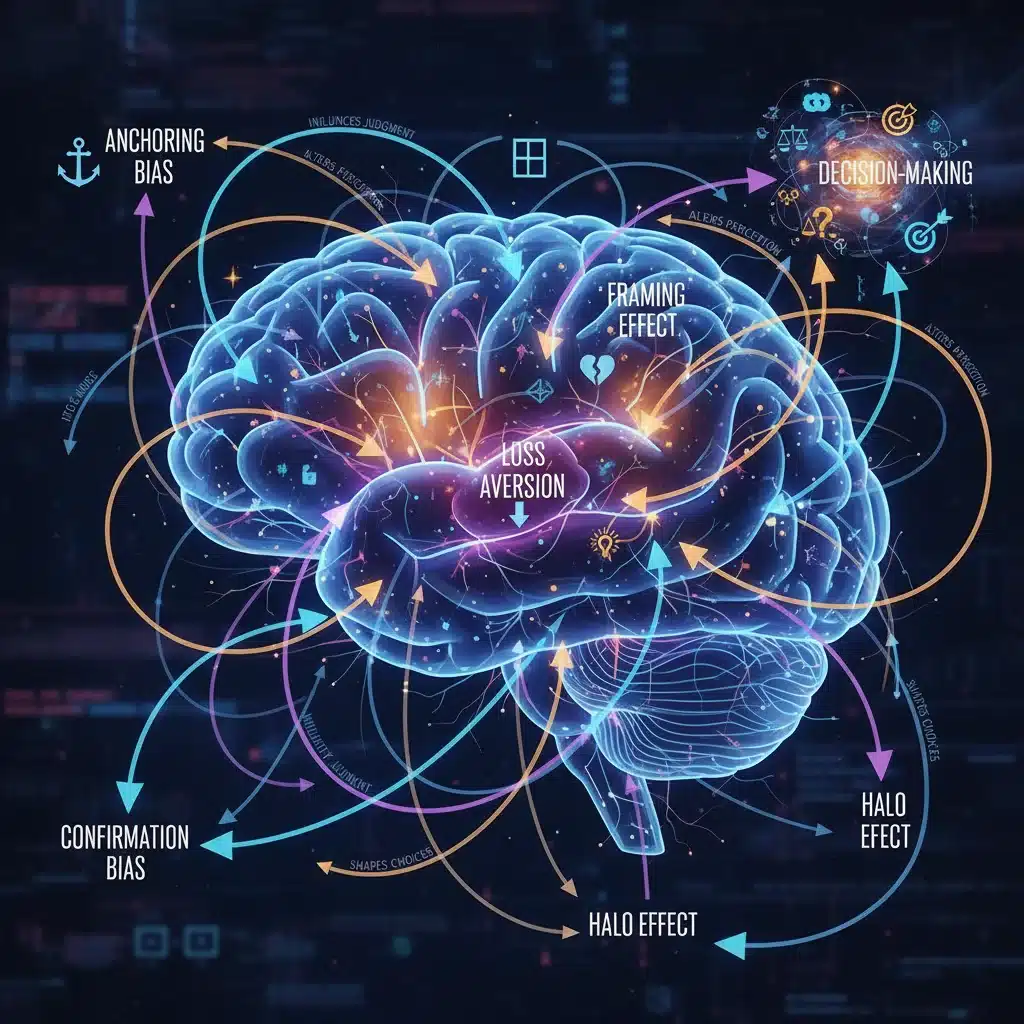
Before we can fully grasp the 2026 consumer behavior, it’s essential to revisit the fundamentals of behavioral economics. Unlike traditional economic theories that assume rational actors, behavioral economics acknowledges that human decisions are often irrational, influenced by cognitive biases, heuristics, and emotions. Pioneers like Daniel Kahneman and Amos Tversky revolutionized our understanding of decision-making, demonstrating how psychological factors systematically deviate from pure rationality. These deviations are not random; they follow predictable patterns that, once understood, can be leveraged to influence choices.
Key concepts within behavioral economics include:
- Cognitive Biases: Systematic errors in thinking that affect the decisions and judgments that people make. Examples include anchoring bias (over-reliance on the first piece of information offered), confirmation bias (seeking information that confirms existing beliefs), and availability heuristic (overestimating the likelihood of events based on their availability in memory).
- Heuristics: Mental shortcuts or rules of thumb that allow individuals to make quick, efficient decisions, often sacrificing accuracy for speed. While useful, they can lead to predictable errors.
- Framing Effects: How information is presented influences choices. A product described as “90% fat-free” is perceived more positively than one described as “contains 10% fat,” even though the objective information is the same.
- Loss Aversion: The tendency for individuals to prefer avoiding losses over acquiring equivalent gains. The pain of losing $100 is often felt more intensely than the pleasure of gaining $100.
- Nudges: Subtle interventions that steer people’s choices in a particular direction without restricting their freedom of choice. Examples include placing healthier food options at eye level or opting people into a savings plan by default.
These principles are not new, but their application in understanding and shaping 2026 consumer behavior is becoming increasingly sophisticated. As data collection and analytical tools advance, businesses can identify and target these psychological triggers with unprecedented precision, leading to the projected 15% shift in buying habits.
Key Drivers of the 2026 Consumer Shift
Several interconnected forces are converging to redefine the 2026 consumer behavior. Understanding these drivers is crucial for any business aiming to stay relevant.
1. The Hyper-Personalization Imperative
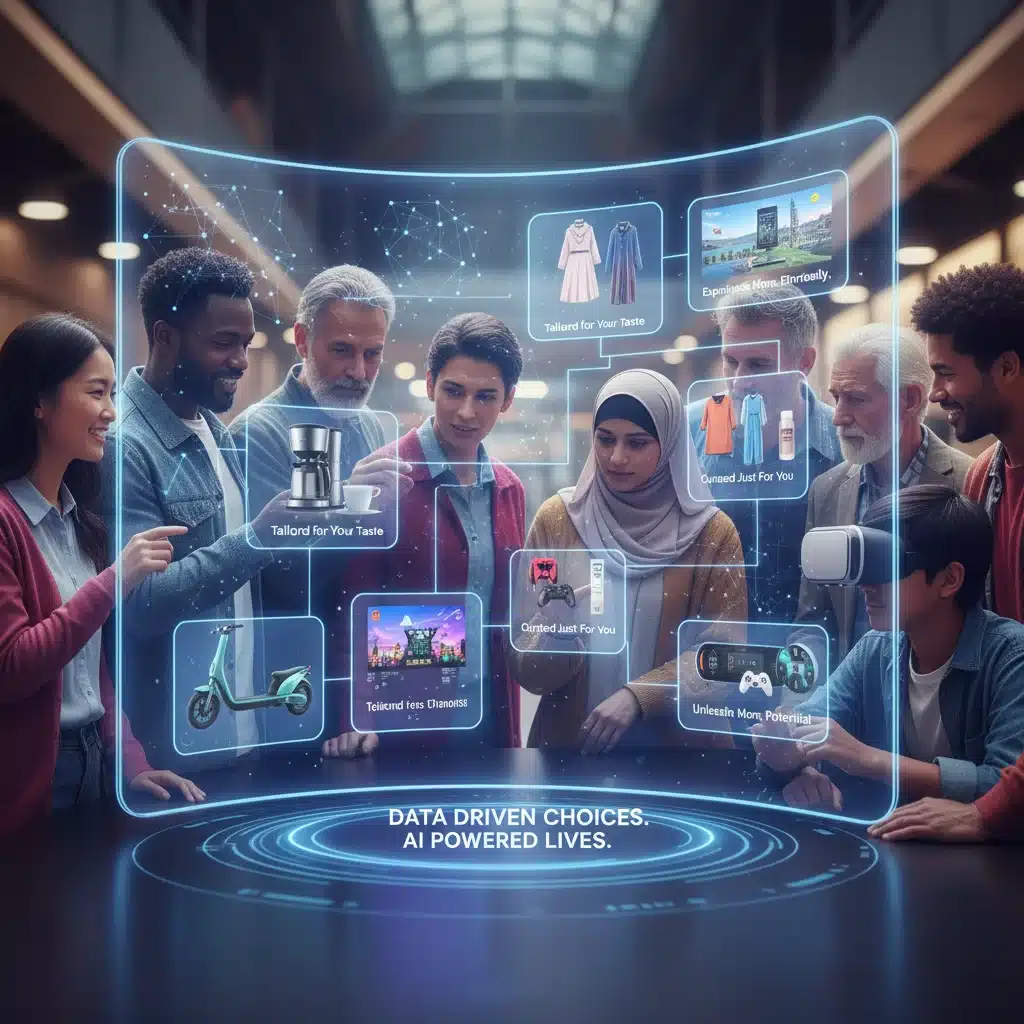
Consumers in 2026 will expect hyper-personalized experiences, moving beyond simple demographic targeting. This means leveraging AI and machine learning to analyze individual preferences, past behaviors, and even real-time emotional states to deliver tailored product recommendations, marketing messages, and customer service. Behavioral economics plays a significant role here by helping to identify which specific nudges and frames resonate most effectively with different individual psychological profiles.
For example, a consumer who exhibits strong loss aversion might be more receptive to messages highlighting what they stand to lose by not purchasing a product (e.g., “Don’t miss out on these limited-time savings!”). Conversely, a consumer driven by social proof might respond better to messages emphasizing popularity (e.g., “Join thousands of satisfied customers!”). The ability to discern and act on these subtle psychological cues will be a hallmark of successful businesses by 2026.
2. Ethical Consumption and Value Alignment
The 2026 consumer behavior will be heavily influenced by ethical considerations. Transparency, sustainability, fair labor practices, and social responsibility are no longer niche concerns; they are mainstream expectations. Consumers are increasingly willing to pay a premium for brands that align with their values. This isn’t just about virtue signaling; it’s about a deeper psychological need for coherence between personal values and consumption choices.
Behavioral economics helps explain this through concepts like identity economics, where people derive utility not just from the product itself but also from the act of consuming in a way that reinforces their self-image and values. Businesses that authentically integrate ethical practices into their core operations and communicate them effectively will build stronger emotional connections and command greater loyalty from the 2026 consumer.
3. The Experience Economy Deepens
While the experience economy has been a trend for years, by 2026, it will have deepened significantly. Consumers will prioritize experiences over mere possessions, seeking products and services that offer engagement, transformation, and memorable moments. This extends beyond leisure and hospitality to every sector, with brands needing to consider the entire customer journey as an experience.
Here, behavioral economics informs how experiences are designed and presented. Concepts like peak-end rule (judging an experience based on its most intense point and its end) and duration neglect (the length of an experience having little impact on its overall evaluation) are critical. Businesses will focus on crafting emotionally resonant “peaks” and ensuring positive “ends” to their customer interactions, knowing that these moments disproportionately influence overall satisfaction and future 2026 consumer behavior.
4. Digital Fluency and Seamless Omnichannel Journeys
The 2026 consumer will be digitally fluent across multiple platforms and devices, expecting seamless transitions between online and offline channels. The distinction between physical and digital commerce will continue to blur, with consumers moving effortlessly between browsing on a smartphone, trying on in-store, and purchasing via a smart home device. Frictionless experiences will be paramount.
Behavioral economics principles like choice architecture (designing environments that influence decisions) are vital here. By strategically arranging digital interfaces, optimizing user flows, and reducing cognitive load, businesses can nudge consumers towards desired actions. For example, pre-filling forms, offering clear payment options, and providing real-time inventory updates across channels all contribute to a smoother, more psychologically satisfying journey that aligns with the expectations of the 2026 consumer.
5. The Rise of Subscription and Access Models
Ownership is increasingly being replaced by access. The 2026 consumer will favor subscription models for everything from software and entertainment to clothing and vehicles. This shift is driven by convenience, flexibility, and a desire to minimize upfront costs and the burden of ownership. For businesses, this means cultivating ongoing relationships rather than focusing solely on transactional sales.
Behavioral economics sheds light on why these models are so appealing. Concepts like hyperbolic discounting (preferring smaller, immediate rewards over larger, delayed ones) make the lower initial cost of subscriptions attractive. The endowment effect (valuing something more once you own it) also plays a role in retaining subscribers once they’ve experienced the benefits. Businesses must design their subscription offerings to maximize perceived value and minimize cancellation friction, catering to the psychological tendencies of the 2026 consumer.
Leveraging Behavioral Economics for Business Success in 2026
To navigate the evolving landscape of 2026 consumer behavior, businesses must proactively integrate behavioral economics into their strategies. Here are actionable approaches:
1. Map the Customer Journey with a Behavioral Lens
Go beyond traditional customer journey mapping. For each touchpoint, identify potential cognitive biases, emotional states, and decision points. Where might anchoring bias influence price perception? Where could framing effects alter product appeal? Where does loss aversion create friction, or conversely, an opportunity for a compelling offer? By understanding these psychological levers, businesses can optimize every stage of the journey.
For example, if a customer is abandoning a shopping cart, it might not just be about price. It could be due to decision paralysis (too many options), perceived complexity of the checkout process (cognitive load), or even a lack of social proof at a critical juncture. Applying behavioral insights can help design interventions that address these underlying psychological barriers, leading to higher conversion rates among the 2026 consumer base.
2. Implement Smart Nudges and Choice Architecture
Consciously design the environment in which consumers make choices. This includes website layouts, product displays, pricing structures, and communication strategies. Simple nudges can have significant impacts:
- Default Options: Pre-selecting the most beneficial or desired option (e.g., opting customers into an email list, offering a recommended product bundle).
- Social Proof: Highlighting popular products, customer reviews, or the number of people who have purchased an item (e.g., “200 people bought this in the last 24 hours!”).
- Scarcity and Urgency: Creating a sense of limited availability or time-sensitive offers to trigger immediate action (e.g., “Only 3 left in stock!” or “Sale ends tonight!”).
- Anchoring: Presenting a higher-priced item first to make subsequent items seem more affordable.
- Framing: Emphasizing benefits over features, or positive outcomes over negative ones.
These nudges, when applied ethically and strategically, can significantly influence 2026 consumer behavior without being manipulative, guiding customers towards decisions that are often mutually beneficial.
3. Personalize with Purpose, Not Just Data
While data-driven personalization is crucial, the 2026 consumer will demand personalization that feels purposeful and adds genuine value, rather than merely tracking their every move. This means using behavioral insights to understand the ‘why’ behind the data. Instead of just knowing what a customer bought, understand the psychological need that purchase fulfilled.
For instance, if a customer frequently buys sustainable products, personalize their experience by highlighting the environmental impact of their choices, not just suggesting more eco-friendly items. This taps into their identity and values, creating a deeper connection. Predictive analytics, combined with behavioral models, will allow businesses to anticipate needs and offer solutions before the customer even explicitly expresses them, tailoring experiences to the unique psychological profile of each 2026 consumer.
4. Build Trust Through Transparency and Authenticity
In an age of information overload and skepticism, trust is the ultimate currency. The 2026 consumer behavior will be heavily influenced by a brand’s perceived trustworthiness and authenticity. This goes beyond marketing claims; it requires genuine transparency in operations, supply chains, and customer interactions.
Behavioral economics reinforces the importance of trust through concepts like reciprocity (people are more likely to give if they have received) and consistency (people prefer to be consistent with their past actions or statements). Brands that are consistently transparent and honest build a foundation of trust that encourages reciprocal loyalty and fosters consistent purchasing behavior. This means admitting mistakes, providing clear information, and standing by ethical commitments.
5. Focus on Emotional Resonance and Storytelling
While rationality plays a role, many purchasing decisions are fundamentally emotional. The 2026 consumer will respond powerfully to brands that can evoke strong, positive emotions and tell compelling stories. Behavioral economics highlights how narratives can bypass rational processing and directly influence our System 1 (fast, intuitive) thinking.
Brands should craft stories that resonate with consumer values, aspirations, and identities. This could involve showcasing the human impact of their products, the journey of their ingredients, or the community they foster. Emotional appeals, when used ethically, can create powerful associations and drive loyalty far beyond what mere functional benefits can achieve, significantly impacting 2026 consumer behavior.
6. Embrace Experimentation and A/B Testing
The beauty of behavioral economics is that its principles are testable. Businesses must adopt a culture of continuous experimentation, using A/B testing and other methodologies to validate hypotheses about what influences 2026 consumer behavior. Small changes in messaging, pricing presentation, or user interface design can yield significant results.
For example, testing different call-to-action button colors, varying the language used in promotional emails to trigger loss aversion versus gain framing, or experimenting with default settings in online forms can provide invaluable insights. This empirical approach ensures that strategies are not based on assumptions but on real-world evidence of what effectively nudges consumers towards desired actions.
The Ethical Dimension of Influencing Consumer Behavior
As businesses become more adept at applying behavioral economics to influence 2026 consumer behavior, the ethical considerations become paramount. The line between influencing and manipulating can be thin. Ethical application of behavioral economics focuses on “nudging for good” – guiding consumers towards choices that are beneficial for them, the business, and society, without coercion or deception.
Key ethical guidelines include:
- Transparency: Be open about the intent behind certain design choices or nudges.
- Consumer Welfare: Ensure that nudges lead to outcomes that are genuinely in the consumer’s best interest.
- Freedom of Choice: Nudges should not restrict choices but guide them. Consumers should always have the option to opt out or choose differently.
- Fairness: Avoid exploiting vulnerabilities or biases to disadvantage certain groups of consumers.
Building a reputation for ethical influence will be a significant competitive advantage in 2026, as consumers become increasingly aware of how their data and psychology are being used. Brands that prioritize ethical considerations will foster deeper trust and long-term loyalty.
Conclusion: Navigating the Future of Consumption
The 2026 consumer behavior landscape will be characterized by a sophisticated interplay of technology, values, and deeply ingrained psychological tendencies. Behavioral economics provides the essential framework for understanding and influencing these shifts, enabling businesses to anticipate needs, craft compelling experiences, and build lasting relationships. The projected 15% shift in buying habits is not just a statistic; it represents a significant opportunity for those who are prepared to decode the evolving consumer mind.
By embracing hyper-personalization, aligning with ethical values, prioritizing experiences, ensuring seamless omnichannel interactions, and adopting flexible access models, businesses can position themselves for success. Critically, these strategies must be underpinned by a deep understanding of cognitive biases, heuristics, and the emotional drivers that shape human decisions. The future of commerce belongs to those who master the art and science of behavioral economics, ethically guiding the 2026 consumer towards mutually beneficial outcomes. The time to adapt is now, transforming insights into actionable strategies that will define the next generation of consumer engagement and loyalty.