Virtual Reality in Museums: A 2026 Guide to Immersive American Cultural Experiences
Virtual Reality in Museums: A 2026 Guide to Immersive American Cultural Experiences
The landscape of cultural institutions is undergoing a profound transformation, and at the forefront of this revolution is virtual reality (VR). By 2026, American museums are no longer just repositories of artifacts; they are vibrant hubs of immersive discovery, offering unparalleled access to history, art, and science through cutting-edge technology. This comprehensive guide delves into how museum VR experiences are redefining visitor engagement, education, and preservation, offering a glimpse into the future of cultural exploration in the United States.
The Dawn of a New Era: Why Virtual Reality Matters for Museums
For centuries, museums have served as windows to the past, present, and future, inviting contemplation and learning. However, traditional exhibitions often face limitations in conveying the full context, scale, or dynamic nature of their subjects. Enter virtual reality – a technology that transcends these boundaries, offering a fully immersive, interactive, and often emotional journey. The integration of museum VR experiences addresses several critical needs for modern institutions: enhancing accessibility, deepening educational impact, and attracting new, tech-savvy generations.
In 2026, the adoption of VR is no longer an experimental niche but a strategic imperative for many leading American museums. From recreating long-lost civilizations to allowing visitors to ‘step inside’ a masterpiece, VR offers possibilities that were once confined to the realm of science fiction. It’s about more than just seeing; it’s about experiencing, participating, and truly understanding.
Redefining Engagement: What to Expect from Museum VR Experiences in 2026
The variety and sophistication of museum VR experiences have grown exponentially. Here’s a breakdown of the types of immersive journeys you can anticipate:
Historical Recreations and Time Travel
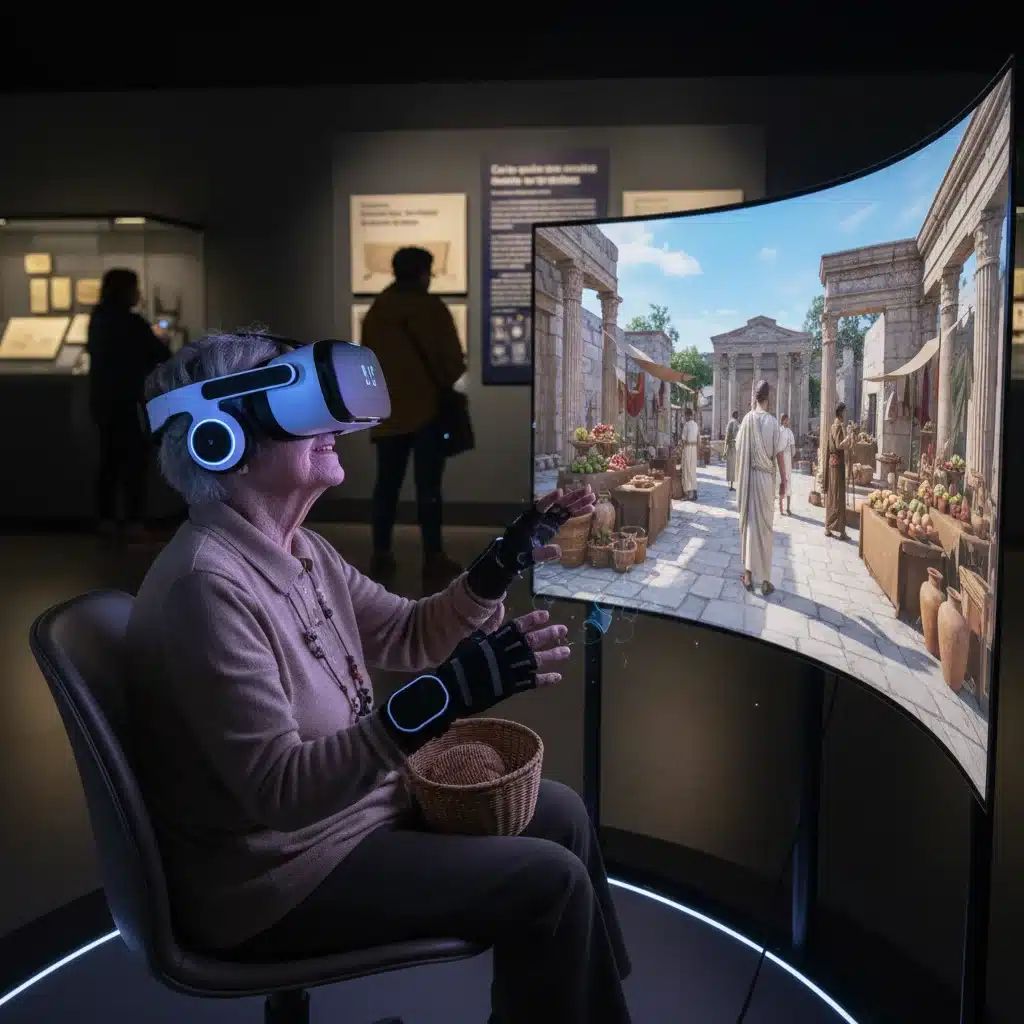
Imagine walking through the bustling streets of ancient Rome, witnessing the construction of the Pyramids, or standing alongside civil rights leaders during pivotal moments in American history. VR makes these ‘time travel’ scenarios not just possible, but incredibly vivid. Museums are leveraging photogrammetry and 3D modeling to meticulously reconstruct historical sites, events, and daily life, allowing visitors to explore them as if they were physically there. These experiences often include interactive elements, such as picking up virtual artifacts or interacting with historical figures, making learning an active rather than passive process.
Art Immersion and Creative Exploration
For art museums, VR is a game-changer. Instead of merely observing a painting behind a velvet rope, visitors can enter the canvas, experiencing the brushstrokes, colors, and compositions in three dimensions. Imagine wandering through Van Gogh’s ‘Starry Night’ or exploring the intricate details of a Renaissance fresco up close. Beyond static immersion, some museum VR experiences allow users to create their own digital art within virtual galleries or collaborate on shared artistic projects, fostering a deeper appreciation for the creative process.
Scientific Expeditions and Natural Wonders
Science museums are using VR to transport visitors to the deepest oceans, the farthest reaches of space, or even inside the human body. These experiences offer safe, accessible, and often impossible explorations. Witness a supernova from a cosmic vantage point, swim with prehistoric marine life, or delve into the microscopic world of cells and DNA. This level of immersion transforms complex scientific concepts into tangible, understandable, and awe-inspiring journeys, particularly beneficial for K-12 education.
Cultural Heritage and Indigenous Narratives
VR provides an invaluable tool for preserving and sharing cultural heritage, especially for indigenous communities whose stories and artifacts might be scattered or at risk. Through VR, visitors can respectfully engage with traditional practices, listen to ancestral narratives, and explore sacred sites that might otherwise be inaccessible. This approach offers a powerful platform for cultural exchange and understanding, allowing diverse voices to be heard and experienced in a deeply personal way.
Key Technologies Powering 2026 Museum VR Experiences
The evolution of VR hardware and software is central to these advancements:
- Wireless Standalone Headsets: Untethered experiences are paramount for freedom of movement and reducing setup complexity. Devices like the Meta Quest series and Pico Neo are common, offering high-resolution displays and inside-out tracking.
- Haptic Feedback: Gloves and vests that provide tactile sensations enhance immersion, allowing visitors to ‘feel’ virtual objects or environmental effects.
- Eye-Tracking and Foveated Rendering: These technologies optimize visual fidelity where the user is looking, reducing computational load and improving image quality.
- Volumetric Capture: This advanced technique allows for the capture of real-world people and objects as dynamic 3D models, enabling realistic virtual guides or historical figures within the VR environment.
- AI-Powered Interaction: Artificial intelligence is increasingly used to create more intelligent virtual characters, respond to visitor queries, and personalize VR journeys based on individual interests.
Case Studies: Leading American Museums Embracing VR (2026 Snapshot)
While specific projects evolve rapidly, here are illustrative examples of how different types of American museums are integrating museum VR experiences:
The Smithsonian National Museum of Natural History, Washington D.C.
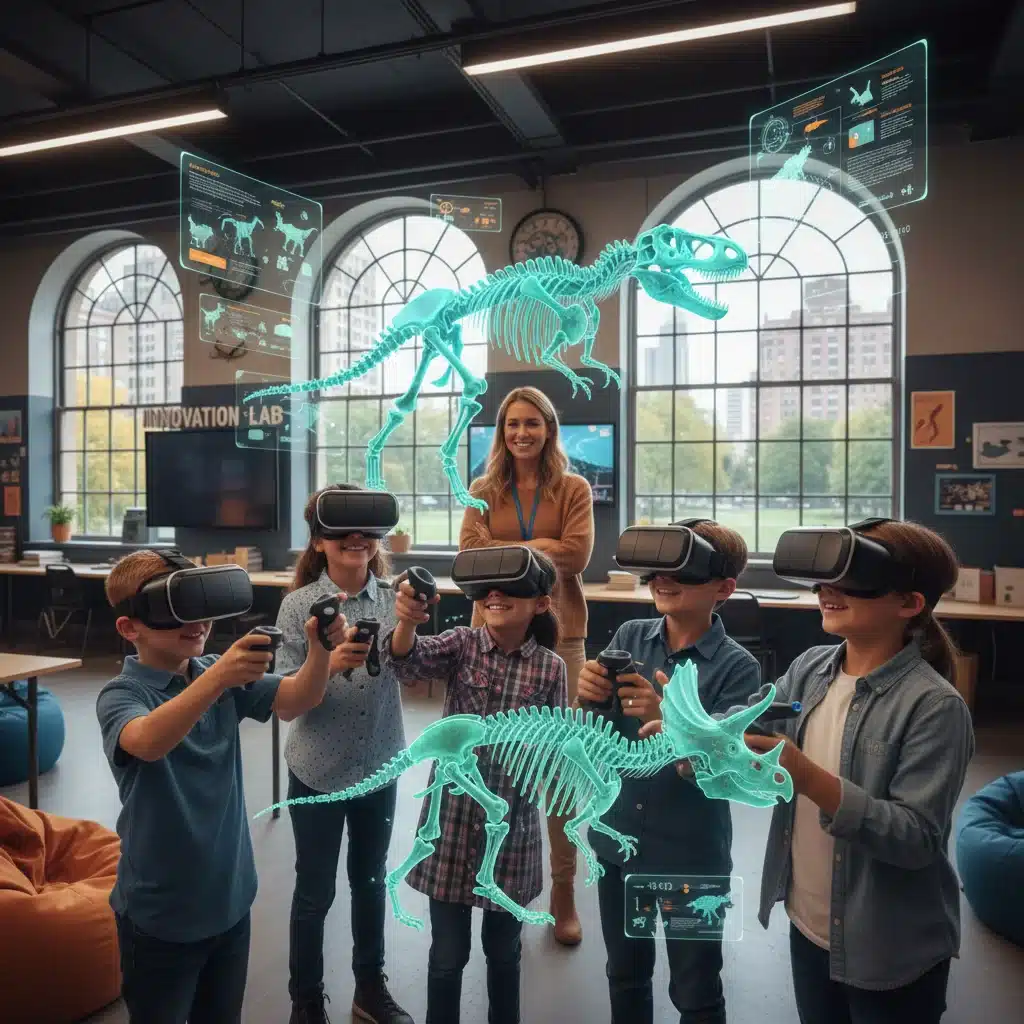
In 2026, the Smithsonian has expanded its ‘Deep Time’ exhibit with a groundbreaking VR experience. Visitors can don headsets and embark on a virtual paleontological dig, uncovering dinosaur fossils layer by layer, then seeing the fully rendered creatures roam prehistoric landscapes. Another popular experience allows users to shrink down to a microscopic level to explore the intricate ecosystems within a single drop of pond water, offering an unprecedented view of biodiversity.
The Metropolitan Museum of Art (The Met), New York City
The Met has introduced ‘Art Beyond Walls,’ a series of VR installations that allow visitors to virtually explore ancient Egyptian tombs, complete with decipherable hieroglyphs and interactive elements explaining burial rituals. Another experience transports users to the exact location where famous paintings were created, providing historical context and artistic inspiration. The Met also hosts ‘VR Studio’ workshops where aspiring artists can learn digital sculpting and painting in a virtual environment, then display their creations in a shared virtual gallery.
The Henry Ford Museum of American Innovation, Dearborn, Michigan
Staying true to its innovative spirit, The Henry Ford offers immersive VR journeys through key moments of American industrial history. Visitors can virtually operate a Model T on an early assembly line, experience the bustling atmosphere of a 19th-century factory, or even pilot a virtual replica of the Wright Flyer. These hands-on (or rather, virtual hands-on) experiences provide a profound understanding of the ingenuity and challenges of past eras.
The National Museum of the American Indian, Washington D.C.
This museum is at the forefront of using VR for cultural preservation and storytelling. Their ‘Ancestral Lands VR’ project allows visitors to virtually visit sacred sites across various tribal lands, guided by indigenous elders who share oral histories and traditional ecological knowledge. The experience emphasizes respectful engagement and offers a powerful counter-narrative to colonial perspectives, fostering empathy and understanding.
The Educational Imperative: Learning Through Immersion
One of the most significant benefits of museum VR experiences lies in their educational potential. Traditional learning methods, while valuable, can sometimes struggle to capture the imagination or convey complex spatial or temporal concepts. VR overcomes these hurdles by:
- Enhancing Retention: Immersive experiences create stronger memories and a deeper understanding than passive observation. When you ‘do’ something in VR, even virtually, your brain processes it more actively.
- Making Abstract Concepts Concrete: Difficult-to-visualize topics, like molecular structures or astronomical distances, become tangible and explorable in VR.
- Fostering Empathy: By virtually stepping into different cultures, historical periods, or even the shoes of others, VR can cultivate a profound sense of empathy and global understanding.
- Personalized Learning Paths: Future VR systems will increasingly adapt to individual learning styles and paces, offering tailored content and challenges.
Many museums are collaborating with educational institutions to develop curriculum-aligned VR content, making these experiences integral to formal learning outside the classroom. The ability to revisit and re-explore these virtual environments at home or in school further extends their educational reach.
Challenges and Considerations for Museum VR Adoption
While the benefits are clear, the path to widespread VR integration isn’t without its hurdles:
- Cost of Implementation: High-quality VR hardware, software development, and content creation require significant investment.
- Technical Expertise: Museums need staff with the technical skills to manage, maintain, and update VR systems.
- Accessibility: Ensuring VR experiences are accessible to all visitors, including those with disabilities or motion sickness concerns, is crucial.
- Content Creation: Developing historically accurate, engaging, and high-fidelity VR content is a complex and time-consuming process.
- Hygiene and Maintenance: With shared headsets, cleanliness and regular maintenance are paramount, especially post-pandemic.
- Balancing Digital and Physical: The goal is to enhance, not replace, the physical museum experience. Finding the right balance is key.
Forward-thinking museums are addressing these challenges through strategic partnerships with tech companies, grant funding, and user-centered design approaches to ensure their museum VR experiences are inclusive and impactful.
The Future is Now: Predictions for Museum VR Beyond 2026
What lies beyond 2026 for museum VR experiences? The trajectory suggests even more seamless and integrated interactions:
- Augmented Reality (AR) Integration: Blending VR with AR will allow visitors to see digital overlays on physical artifacts, providing context and animation without fully obscuring the real world. Imagine holding a real pottery shard and seeing a virtual reconstruction of the complete vessel appear in your hand.
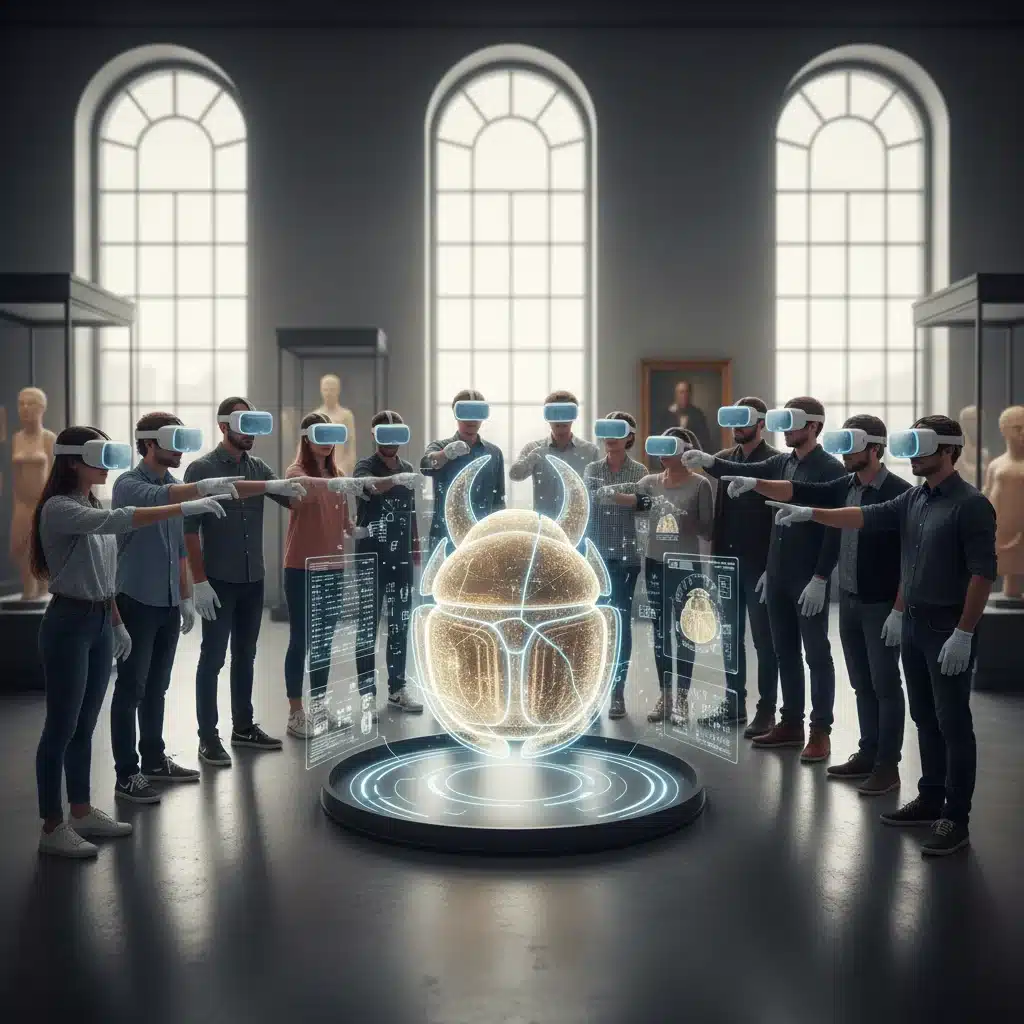
- Multi-User and Social VR: Experiences where multiple visitors can share the same virtual space, interact with each other, and collaborate on tasks will become standard, fostering a new sense of community.
- Hyper-Personalized Journeys: AI will analyze visitor preferences and past interactions to curate bespoke VR tours and educational content, making each visit uniquely relevant.
- Remote Access and Global Reach: High-fidelity museum VR experiences will become accessible from anywhere in the world, allowing global audiences to explore cultural treasures without physical travel, democratizing access to heritage.
- Ethical AI and Digital Preservation: As VR content becomes more sophisticated, ethical considerations around data privacy, historical accuracy, and the representation of diverse cultures will be paramount. Museums will also increasingly use VR and 3D scanning for digital preservation of fragile artifacts.
The convergence of these technologies promises a future where museums are not just places to visit, but portals to limitless discovery.
Conclusion: Stepping into a New Dimension of Cultural Exploration
By 2026, virtual reality has firmly established itself as an indispensable tool for American museums, transforming how we interact with, learn from, and preserve our shared heritage. The immersive power of museum VR experiences has broken down traditional barriers, offering unprecedented access to historical events, artistic masterpieces, and scientific wonders. While challenges remain, the commitment to innovation and visitor engagement ensures that VR will continue to evolve, pushing the boundaries of what a museum can be. As we look ahead, the future of cultural exploration is undoubtedly virtual, offering a richer, more interactive, and profoundly personal journey for every visitor who dares to don a headset and step into another world.