2026 Craftsmanship Revival: Why Hand-Made Goods are Booming
The 2026 Renaissance of Craftsmanship: Why Hand-Made Goods are Gaining 15% More Popularity
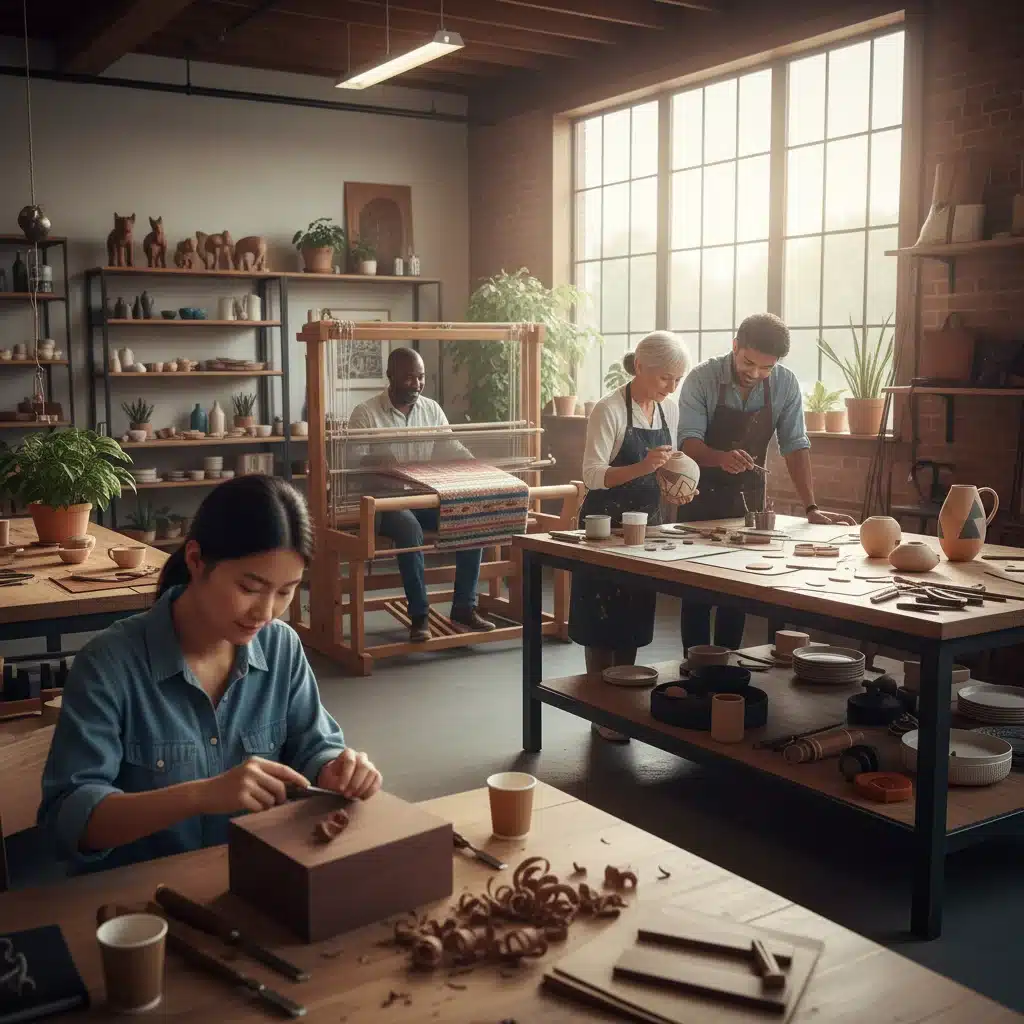
In an era increasingly dominated by mass production and digital interfaces, a profound shift is underway in consumer preferences. The year 2026 stands as a pivotal moment, marking what many are calling the ‘Renaissance of Craftsmanship.’ Data indicates a remarkable 15% surge in the popularity of handmade goods popularity, signaling a significant recalibration of values among consumers worldwide. This isn’t merely a fleeting trend; it’s a deep-seated movement towards authenticity, sustainability, and a deeper connection with the products we choose to bring into our lives. From bespoke furniture to artisanal jewelry, handcrafted items are no longer niche; they are becoming a mainstream desire, redefining luxury and everyday utility.
This article delves into the multifaceted reasons behind this resurgence. We will explore the psychological drivers, the economic implications, and the cultural shifts that are propelling handmade goods popularity to unprecedented heights. Understanding this phenomenon is crucial for both consumers seeking more meaningful purchases and creators looking to thrive in a market that increasingly values skill, story, and soul over sheer volume.
The Quest for Authenticity in a Homogenized World
One of the primary drivers behind the escalating handmade goods popularity is a profound yearning for authenticity. In a globalized market where identical products often flood shelves across continents, consumers are actively seeking items that possess a unique character, a story, and a visible human touch. Machine-made items, by their very nature, strive for uniformity and perfection, often at the expense of individuality. Handmade goods, however, celebrate the subtle imperfections, the unique variations, and the unmistakable evidence of human effort. Each handcrafted piece carries the imprint of its maker, offering a narrative that mass-produced items simply cannot replicate.
This desire for authenticity extends beyond the product itself to the entire purchasing experience. Consumers are increasingly interested in knowing the origin of their goods, the materials used, and the ethical practices employed in their creation. When you buy a handmade item, you’re often buying directly from the artisan or from a small business that champions transparent production methods. This direct connection fosters trust and a sense of shared values, which is a powerful differentiator in today’s marketplace. The narrative behind each piece – the hours of dedication, the learned skills, the passion of the creator – adds immeasurable value that resonates deeply with buyers. This emotional connection is a cornerstone of increasing handmade goods popularity.
Furthermore, owning a handmade item is often seen as a statement of personal style and values. It signifies a rejection of fast fashion and disposable culture in favor of enduring quality and unique expression. This psychological gratification plays a significant role in the sustained growth of this sector, as people increasingly define themselves not just by what they own, but by the story and integrity behind their possessions. The shift is not just about aesthetics; it’s about ethics and personal identity.
Sustainability and Ethical Consumption: A Core Principle of Handmade Goods Popularity
The growing global awareness of environmental degradation and unethical labor practices has dramatically influenced consumer behavior. Sustainability and ethical consumption are no longer fringe concerns but central tenets for a significant portion of the buying public. This paradigm shift has naturally fueled the rise in handmade goods popularity, as these items often align perfectly with these values.
Many artisans prioritize sustainable practices throughout their creative process. This can include using locally sourced materials, upcycling and repurposing existing resources, minimizing waste, and employing eco-friendly production methods. Unlike large-scale manufacturing, which often relies on extensive supply chains and energy-intensive processes, small-batch handmade production typically has a smaller carbon footprint. The emphasis is on quality over quantity, leading to products that are built to last, thereby reducing the cycle of consumption and waste. For example, a handcrafted wooden toy might be made from sustainably harvested timber and finished with non-toxic paints, a stark contrast to plastic toys made in distant factories with questionable material origins.
Moreover, the ethical dimension of handmade goods popularity cannot be overstated. When you purchase a handmade item, you are directly supporting an individual artisan or a small, often local, business. This translates to fair wages, safe working conditions, and a direct contribution to the local economy. It bypasses the often opaque and exploitative supply chains associated with mass production. Consumers are increasingly voting with their wallets, choosing to invest in products that reflect their commitment to social responsibility. This conscious consumerism is a powerful force driving the market towards more ethical and sustainable alternatives.
The narrative of the ‘maker’ is also vital here. Knowing that a person poured their skill and care into an object, rather than a machine, adds a layer of human value that is increasingly sought after. This human-centric approach to production stands in stark contrast to the often impersonal nature of industrial manufacturing, making handmade goods a beacon of ethical consumption.
The Rise of the Artisan Economy: Empowering Creators
The surge in handmade goods popularity has not only benefited consumers but has also created a vibrant and expanding ‘artisan economy.’ Digital platforms and social media have played a pivotal role in empowering individual creators, enabling them to reach global audiences without the need for traditional retail intermediaries. Websites like Etsy, Shopify, and Instagram have become virtual storefronts, allowing artisans to showcase their unique talents and connect directly with customers who appreciate their craft.
This democratization of commerce has lowered the barriers to entry for many aspiring makers. Individuals with specialized skills in pottery, jewelry making, textile art, woodworking, and many other crafts can now turn their passions into viable businesses. This, in turn, fosters innovation and diversity in the market. Instead of a few large corporations dictating trends, a multitude of independent artisans are now shaping consumer choices with their unique perspectives and designs. The accessibility of online tools for marketing, sales, and logistics has transformed what was once a hobby for many into a sustainable livelihood, further fueling the growth and variety of handmade goods popularity.
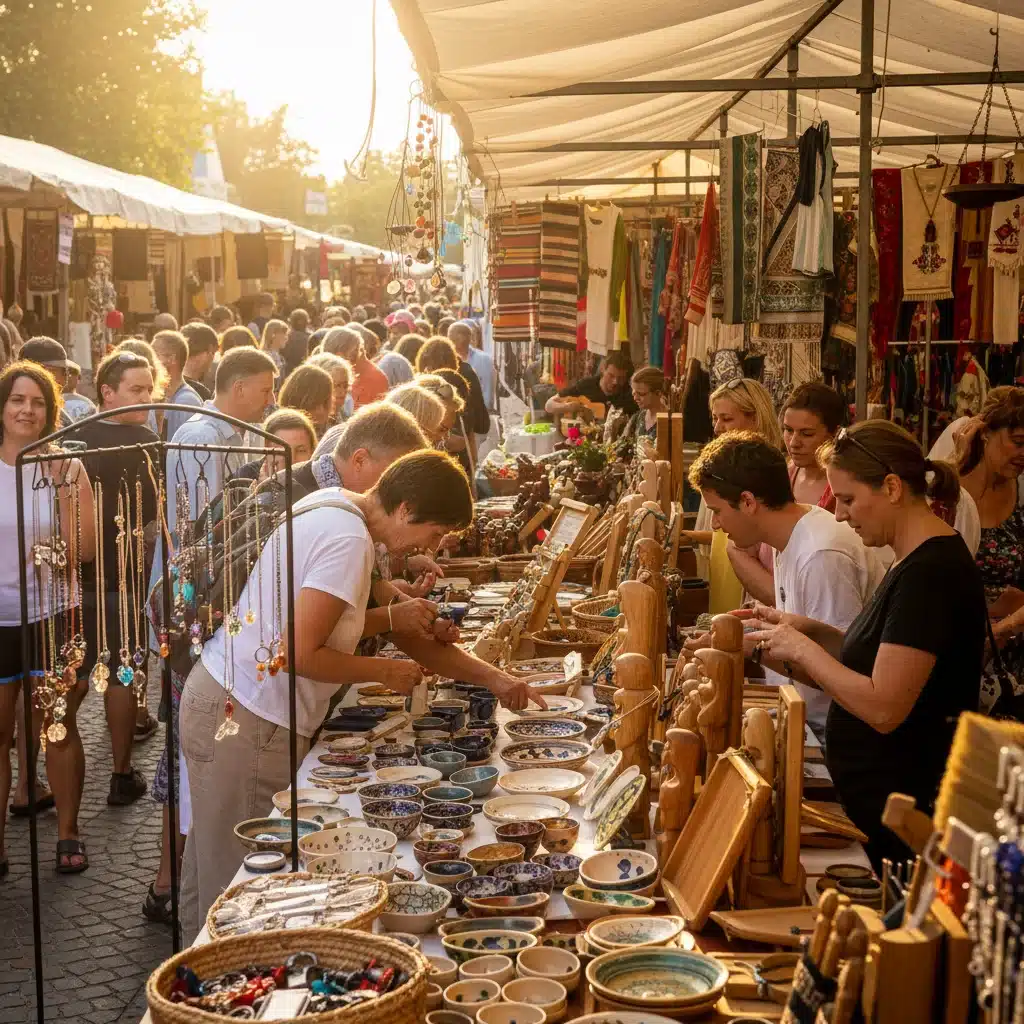
The artisan economy also fosters community. Makers often connect with each other, sharing tips, collaborating on projects, and supporting one another’s ventures. This collaborative spirit strengthens the overall ecosystem, creating a more resilient and dynamic market for handmade products. Workshops, craft fairs, and local markets are also experiencing a revival, providing physical spaces for artisans to interact with their customers and build relationships, enhancing the personal touch that defines this sector.
Personalization and Customization: The Unique Appeal
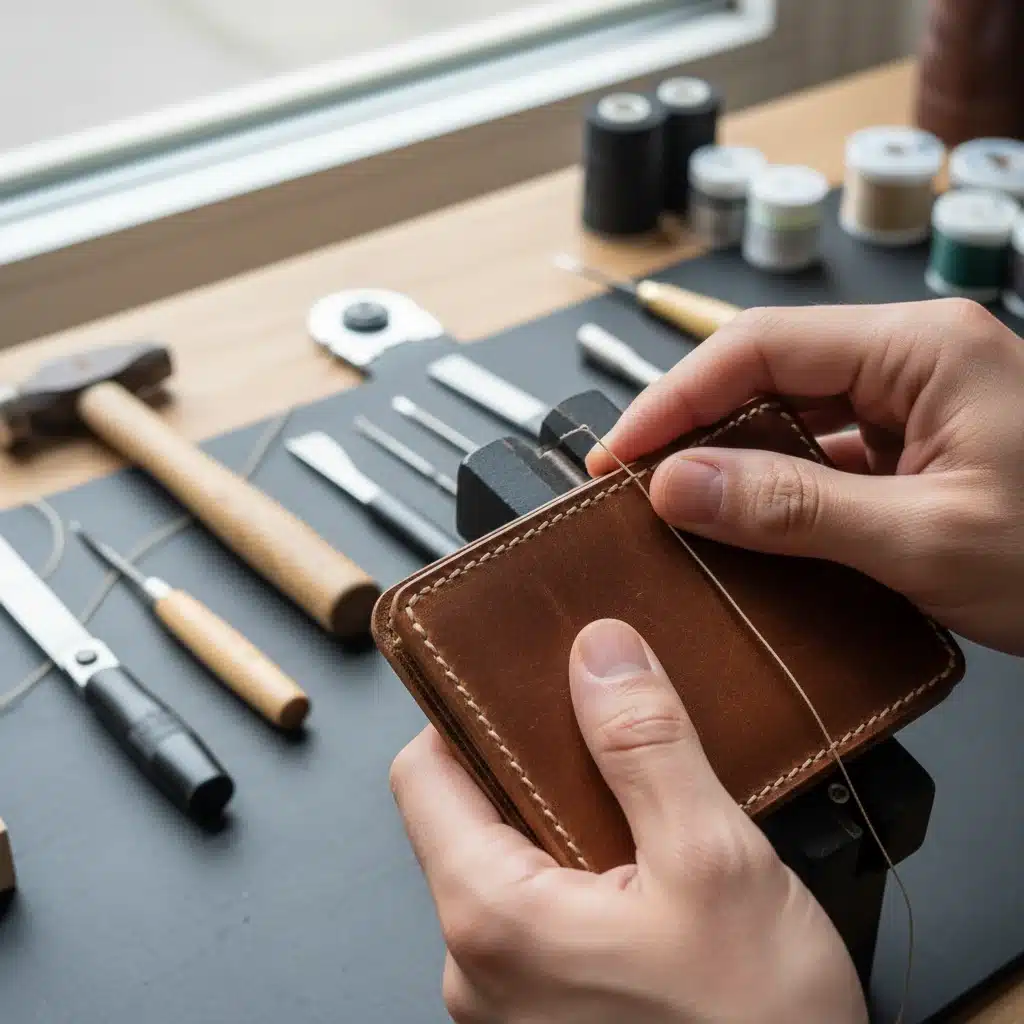
In a world where personalization is increasingly valued, handmade goods offer an unparalleled opportunity for customization. Unlike mass-produced items that come in limited variations, many artisans offer bespoke services, allowing customers to commission pieces tailored precisely to their specifications. This level of personalization is a significant driver of handmade goods popularity, as it allows consumers to acquire items that truly reflect their individual tastes and needs.
Imagine commissioning a piece of furniture designed to fit a specific space in your home, or a piece of jewelry crafted with meaningful engravings and stones. This goes beyond simply choosing a color; it involves a collaborative process between the buyer and the maker, resulting in a product that is not just owned, but co-created. This unique engagement fosters a deeper connection to the item, making it more than just a possession – it becomes an extension of one’s identity and story.
Even for items that aren’t fully custom, the inherent variations in handmade products mean that no two pieces are ever exactly alike. This subtle uniqueness is highly prized, offering a sense of exclusivity that mass-produced items cannot provide. In a world saturated with identical products, owning something truly one-of-a-kind is a powerful draw, contributing significantly to the sustained rise in handmade goods popularity. This bespoke appeal caters to a sophisticated consumer base that values uniqueness and personal expression above all else.
The ability to request specific materials, dimensions, or aesthetic elements transforms a purchase into an experience. This interaction often builds a relationship between the customer and the artisan, encouraging repeat business and word-of-mouth recommendations, which are invaluable for small businesses. The personal touch inherent in every step of the process, from initial concept to final delivery, distinguishes handmade products in a crowded market.
Durability and Quality: An Investment in Longevity
The throwaway culture of fast consumerism has led to a proliferation of cheaply made, short-lived products. As a counter-response, consumers are increasingly seeking out items that offer superior durability and quality. This quest for longevity is another critical factor contributing to the surge in handmade goods popularity.
Artisans, by their very nature, are invested in the quality of their creations. Their reputation often depends on the craftsmanship and endurance of their products. They typically use higher-quality materials and employ time-honored techniques that ensure structural integrity and lasting beauty. Unlike factories driven by speed and cost reduction, independent makers prioritize meticulous attention to detail and robust construction. A handmade ceramic mug, for instance, might be fired multiple times at specific temperatures, ensuring its resilience, whereas a mass-produced one might prioritize speed over durability.
Investing in a handmade item is often seen as an investment in quality that will stand the test of time, reducing the need for frequent replacements. This not only offers better value for money in the long run but also aligns with sustainable consumption patterns by minimizing waste. Consumers are becoming more discerning, understanding that a higher upfront cost for a handcrafted item can save money and reduce environmental impact over its lifespan. This shift in mindset, from disposable to durable, is a powerful engine behind the growing handmade goods popularity.
Moreover, handmade items often age gracefully, acquiring a patina and character that enhance their appeal over time. A hand-stitched leather bag, for example, will develop a unique sheen and softness with use, telling a story of its journey with its owner. This inherent quality and potential for longevity are aspects that mass-produced goods rarely possess, making handmade items a more compelling choice for those who value enduring beauty and functionality.
The Psychological Impact: Connection and Well-being
Beyond the tangible benefits, there’s a significant psychological dimension to the increasing handmade goods popularity. In an increasingly digital and often isolating world, purchasing and owning handmade items can foster a sense of connection and contribute to overall well-being.
For many, the act of buying a handmade item is an experience. It often involves engaging with the maker, hearing their story, and understanding the passion embedded in their work. This human interaction creates a bond that is absent in anonymous online transactions or large retail environments. Owning a piece that carries the energy and intention of its creator can evoke a sense of warmth, gratitude, and appreciation that machine-made items simply cannot.
Furthermore, surrounding oneself with unique, beautiful, and thoughtfully made objects can enhance one’s living or working environment. These items serve as conversation starters, sources of inspiration, and reminders of the beauty of human ingenuity. They can transform a house into a home, imbuing spaces with personality and soul. This aesthetic and emotional enrichment contributes to a greater sense of comfort and happiness, subtly influencing daily life.
For the artisans themselves, the process of creation is often therapeutic and deeply fulfilling. The ability to express oneself through craft, to bring ideas to life with one’s hands, and to connect with appreciative customers provides immense satisfaction. This positive energy is imbued in the products, creating a virtuous cycle where the maker’s passion translates into customer delight, further propelling handmade goods popularity. The mental health benefits for both creators and consumers are an often-underestimated aspect of this cultural shift.
Looking Ahead: The Future of Handmade Goods Popularity
The 15% surge in handmade goods popularity in 2026 is not an anomaly but a clear indicator of a sustained cultural and economic shift. As consumers become more discerning, environmentally conscious, and socially aware, the demand for authentic, sustainable, and unique products will only continue to grow. The artisan movement is poised to become an even more significant force in the global economy, challenging the dominance of industrial production and offering a more human-centered alternative.
Innovation within the handmade sector is also flourishing. Artisans are increasingly leveraging new technologies, such as 3D printing for prototyping or advanced digital tools for design, to complement their traditional skills. This blend of old and new techniques allows for greater creativity and efficiency while maintaining the core values of craftsmanship. Educational institutions and community workshops are also seeing increased enrollment in traditional craft courses, ensuring that these valuable skills are passed down to new generations of makers.
For businesses, understanding this trend is paramount. Retailers that embrace and support local artisans, offering curated collections of handmade goods, are likely to thrive. E-commerce platforms will continue to refine their offerings to better serve the unique needs of the artisan community and their customers. Marketing strategies will need to focus on storytelling, transparency, and the unique value proposition of each handcrafted item.
Ultimately, the renaissance of craftsmanship signifies a return to values that prioritize quality, connection, and mindful consumption. It’s a testament to the enduring human desire for beauty, meaning, and purpose in the objects that populate our lives. The future looks bright for the makers and lovers of handmade goods, promising a richer, more sustainable, and more authentic marketplace for everyone. The trajectory of handmade goods popularity points towards a future where intentionality and artistry are highly prized.
Conclusion: Embracing the Handcrafted Future
The year 2026 marks a watershed moment for the world of craftsmanship, with handmade goods popularity experiencing an impressive 15% increase. This significant rise is driven by a confluence of factors: a deep-seated desire for authenticity in an increasingly homogenized world, a growing commitment to sustainability and ethical consumption, the empowering rise of the artisan economy, the appeal of personalization and customization, and a renewed appreciation for durability and quality. Furthermore, the psychological benefits of connection and well-being derived from engaging with handcrafted items play a crucial role in this ongoing renaissance.
As we move further into the 21st century, the value proposition of handmade goods becomes ever more compelling. They represent a conscious choice against the disposable, the impersonal, and the unsustainable. They embody a return to human-centric values, celebrating skill, passion, and the unique story behind every creation. For consumers, embracing handmade goods means investing in items that are not just functional but also imbued with soul and character, designed to enrich lives and stand the test of time.
For artisans, this era presents unprecedented opportunities to share their talents, build sustainable livelihoods, and contribute to a more meaningful global economy. The future of consumption is clearly leaning towards the handcrafted, the bespoke, and the ethically produced. The sustained growth in handmade goods popularity is not just a trend; it’s a fundamental shift in how we perceive value, quality, and our connection to the objects we cherish. Let us all embrace this handcrafted future, supporting the artisans who enrich our world one unique piece at a time.