American Festivals 2026: Embracing Diversity and Cultural Evolution
Celebrating Diversity: How American Festivals are Evolving to Reflect a Broader Culture by 2026
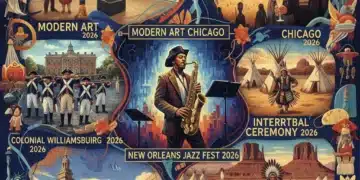
The United States, a nation built on the premise of a melting pot, has always been a vibrant tapestry of cultures. However, the true reflection of this diversity in its public celebrations, particularly festivals, has often been a work in progress. As we approach 2026, a significant shift is underway, transforming the landscape of American festivals into more inclusive, representative, and dynamic events. This evolution is not merely an aesthetic change but a profound redefinition of what it means to celebrate in America, moving towards a future where every cultural thread is not just acknowledged but celebrated with equal fervor. The American Festival Evolution is gaining momentum, promising a richer and more authentic experience for all.
For decades, many American festivals, while beloved, often centered around dominant cultural narratives, inadvertently sidelining the rich contributions of various ethnic and indigenous groups. This is changing. The demand for authentic representation, coupled with a growing awareness of cultural sensitivity and inclusivity, is compelling organizers to rethink their approaches. This article delves into the multifaceted ways American festivals are adapting, innovating, and expanding their horizons to truly embody the spirit of America’s vast cultural mosaic by 2026.
The Shifting Demographics and Their Impact on Festival Programming
The demographic landscape of the United States is continuously evolving. Projections for 2026 indicate an even more diverse population, with a significant rise in various ethnic groups contributing to the nation’s cultural fabric. This demographic shift is a primary driver behind the American Festival Evolution. Festival organizers are recognizing that to remain relevant and engaging, their events must resonate with a broader audience, which means incorporating a wider array of cultural expressions.
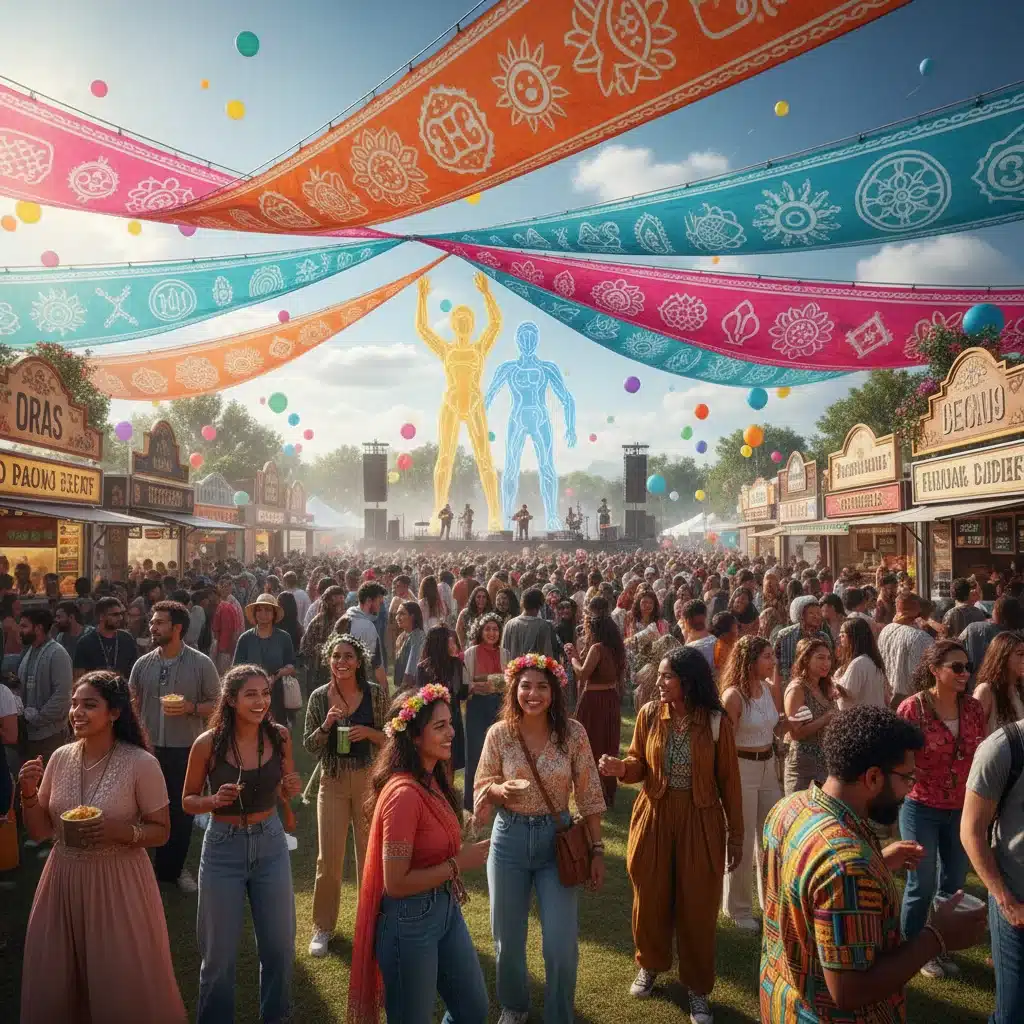
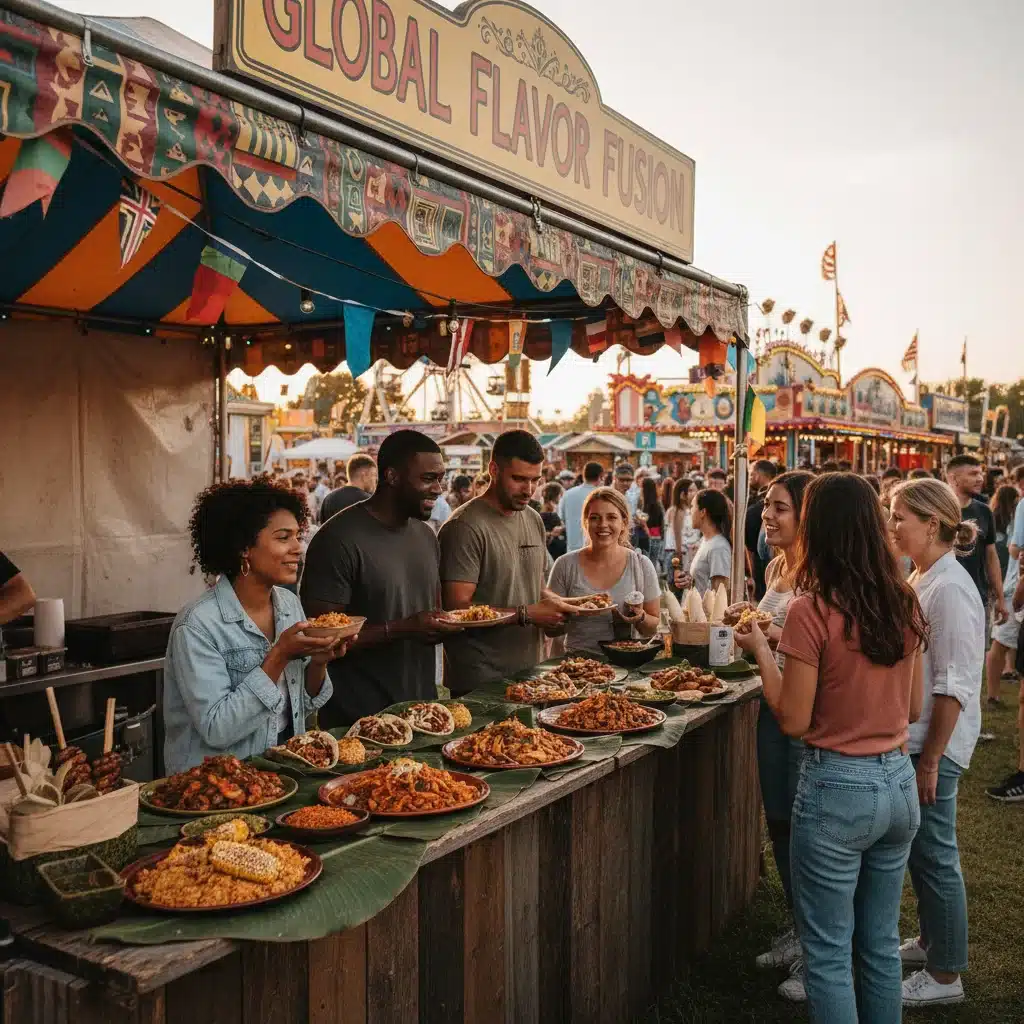
This isn’t just about adding a single ‘international’ tent; it’s about fundamentally integrating diverse perspectives into the core programming. For instance, music festivals are moving beyond traditional genres to include a wider range of global sounds, from Afrobeats and K-Pop to indigenous folk music and Latin American rhythms. Food festivals, once dominated by European or classic American fare, are now proudly showcasing cuisines from every corner of the world, often featuring fusion dishes that reflect the unique culinary innovations born from cultural intermingling within the U.S.
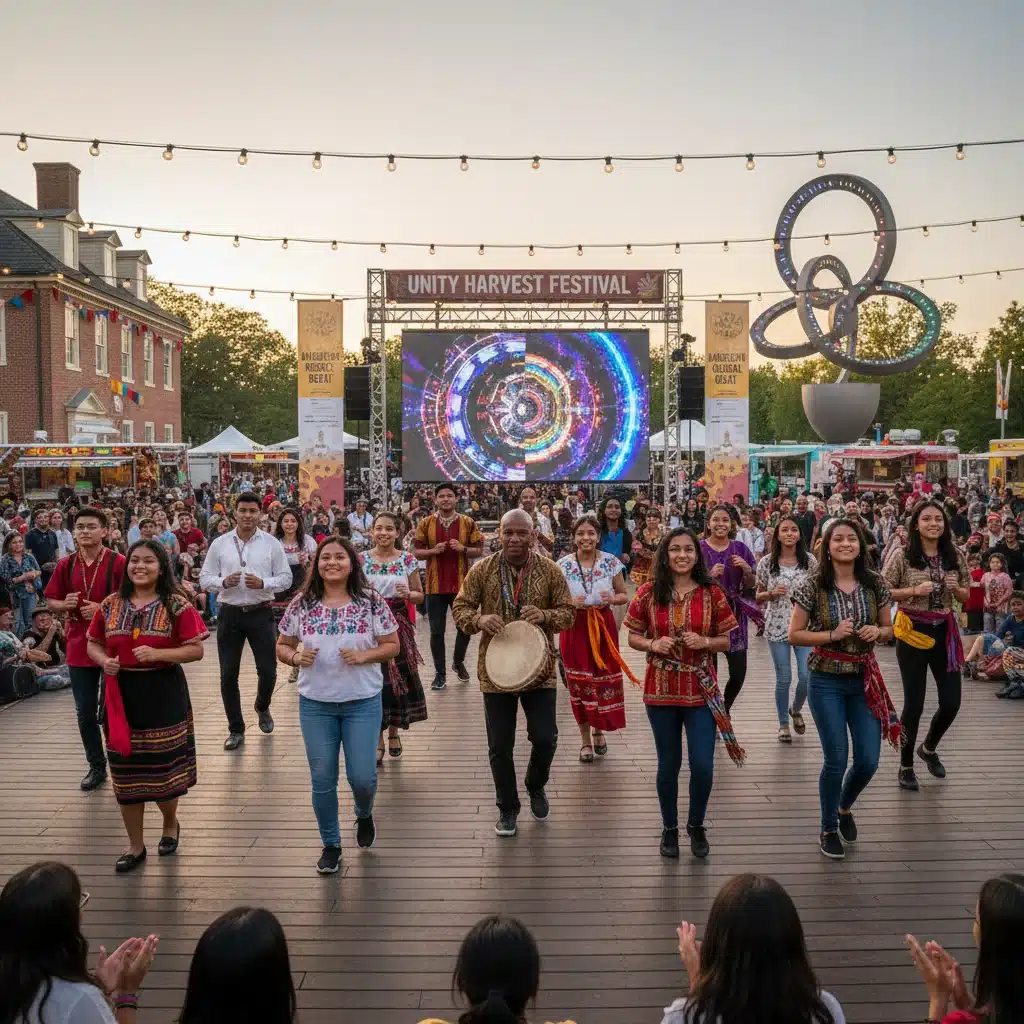
Furthermore, the shift extends to the performing arts. Dance, theater, and visual arts at festivals are increasingly featuring artists and narratives from underrepresented communities. This not only enriches the artistic experience but also provides platforms for voices that have historically been marginalized. The goal is to create spaces where attendees can experience, learn, and appreciate cultures beyond their own, fostering a sense of shared understanding and community. This proactive approach ensures that the American Festival Evolution is not just reactive but forward-thinking.
Beyond Tokenism: Authentic Representation and Collaboration
One of the most critical aspects of this evolution is the move beyond tokenism towards genuine, authentic representation. In the past, some festivals might have included a single performance or booth from a minority culture to appear inclusive. However, by 2026, the expectation is for deeper, more meaningful integration.
This means actively collaborating with community leaders, cultural organizations, and artists from diverse backgrounds during the planning stages. Their insights are invaluable in shaping programming that is respectful, accurate, and truly representative. This collaborative model ensures that the stories told, the music played, and the traditions showcased are presented with authenticity and integrity, avoiding stereotypes or superficial portrayals.
For example, a Native American cultural festival is not merely about showcasing dances but about educating attendees on tribal histories, languages, and contemporary issues, with direct involvement from tribal elders and members. Similarly, a Hispanic heritage festival might feature not only mariachi bands but also discussions on Latinx literature, art, and socio-political contributions. This level of depth transforms festivals from mere entertainment venues into powerful platforms for cultural exchange and education, truly embodying the spirit of the American Festival Evolution.
Technology’s Role in Enhancing Inclusivity and Accessibility
Technology is playing an increasingly vital role in facilitating the American Festival Evolution towards greater inclusivity and accessibility. By 2026, we can expect to see even more innovative uses of technology to break down barriers and enrich the festival experience for everyone.
Live streaming and virtual reality (VR) are becoming common tools to extend the reach of festivals beyond their physical locations. This allows individuals who might not be able to attend due to geographical constraints, physical disabilities, or financial limitations to still participate and experience the cultural richness. Imagine a virtual tour of a global food market at a festival, or a VR experience of a traditional dance performance, making these cultural expressions accessible to a global audience.
Furthermore, festival apps are becoming more sophisticated, offering features like multilingual information, accessibility maps for individuals with disabilities, and personalized schedules that highlight diverse cultural offerings. AI-powered translation services could also be integrated to facilitate communication and understanding between attendees and performers from different linguistic backgrounds. These technological advancements ensure that the American Festival Evolution is not only culturally rich but also technologically advanced and user-friendly.
Sustainable and Ethical Practices: A New Dimension of Inclusivity
The evolution of American festivals by 2026 also encompasses a growing commitment to sustainability and ethical practices. This might not immediately seem related to cultural diversity, but it is an integral part of creating truly inclusive and responsible events. Sustainable practices, such as waste reduction, renewable energy use, and local sourcing, reflect a respect for the environment and the communities in which festivals are held.
Ethical considerations extend to fair wages for artists and vendors, equitable opportunities for small businesses from diverse backgrounds, and ensuring safe and respectful environments for all attendees. Festivals are increasingly mindful of their environmental footprint and their social impact, striving to be good stewards of both the planet and the people they serve. This holistic approach to event planning is a testament to the comprehensive nature of the American Festival Evolution, where inclusivity is viewed through multiple lenses.
Moreover, the focus on local sourcing often means supporting diverse local farmers, artisans, and businesses, further integrating the festival into the broader community and providing economic opportunities for various cultural groups. This creates a positive feedback loop, where the festival not only celebrates diversity but also actively contributes to the well-being of its diverse community members.
The Rise of Niche and Micro-Festivals Celebrating Specific Cultures
While larger, established festivals are diversifying their offerings, another significant trend in the American Festival Evolution by 2026 is the proliferation of niche and micro-festivals. These smaller, often community-driven events are specifically designed to celebrate the unique heritage of particular cultural groups.
From regional Indigenous Peoples’ Day celebrations that highlight specific tribal traditions to vibrant Asian Lunar New Year festivals, Caribbean carnivals, and African diaspora art showcases, these events provide dedicated spaces for cultural immersion. They often delve deeper into specific traditions, languages, and historical narratives than larger, more generalized festivals can. This allows for a more focused and intimate celebration, strengthening cultural identity within communities and offering outsiders a profound insight into specific cultural practices.
These niche festivals are crucial because they ensure that even the most specific cultural nuances are not lost in the broader push for diversity. They serve as cultural anchors, preserving traditions and fostering a sense of belonging for their respective communities. Their growth signifies a mature understanding of diversity, where both broad inclusion and specific cultural affirmation are valued components of the American Festival Evolution.
Challenges and Opportunities in the Evolving Festival Landscape
The path to a fully inclusive festival landscape is not without its challenges. Funding for diverse programming, overcoming logistical hurdles in incorporating varied cultural elements, and ensuring genuine engagement rather than superficial inclusion are ongoing efforts. There’s also the challenge of educating audiences and sometimes even overcoming resistance to change.
However, these challenges also present immense opportunities. The opportunity to create truly unique and memorable experiences, to foster cross-cultural understanding, and to build stronger, more cohesive communities is profound. Festivals that successfully navigate this evolution will not only thrive but will also become models for cultural celebration globally. They will be places where the true spirit of America – a nation of many peoples and many stories – comes alive in spectacular fashion. The American Festival Evolution is an ongoing journey, but one that promises incredible rewards.
For organizers, this means investing in diverse talent, engaging in continuous dialogue with community stakeholders, and being open to innovative approaches. It also means recognizing that diversity is not a checklist but a fundamental principle that should permeate every aspect of festival planning and execution. The success of these evolving festivals will depend on their ability to authentically connect with, represent, and celebrate the myriad cultures that call America home.
The Future of American Festivals: A Vision for 2026 and Beyond
By 2026, the vision for American festivals is one of unparalleled cultural richness and inclusivity. We envision events where the lineup of performers, the array of food vendors, the art installations, and even the staff reflect the incredible diversity of the nation. These festivals will be vibrant hubs where different cultures not only coexist but actively interact, learn from each other, and celebrate their shared humanity.
Imagine a festival where you can start your day with a traditional Japanese tea ceremony, move on to a vibrant Afro-Caribbean dance workshop, savor authentic Mexican street food for lunch, and spend your evening listening to a fusion band blending Appalachian folk with Middle Eastern melodies. This is the promise of the American Festival Evolution – an experience that is constantly surprising, educating, and uniting.
Furthermore, these festivals will increasingly serve as economic drivers for diverse communities, providing platforms for small businesses, artists, and entrepreneurs from various backgrounds. They will be spaces where cultural heritage is preserved, new traditions are forged, and community bonds are strengthened. The impact will extend beyond the festival grounds, fostering greater understanding and appreciation for diversity in everyday life.
The journey towards this vision requires ongoing commitment, open-mindedness, and a willingness to embrace change. But the rewards – a more vibrant, inclusive, and truly representative cultural landscape – are immeasurable. The American Festival Evolution is not just a trend; it’s a fundamental shift towards a more complete and authentic celebration of what America truly is.
Conclusion: Embracing a Kaleidoscope of Celebrations
The trajectory of American festivals towards 2026 is clear: a movement towards greater diversity, authenticity, and inclusivity. This isn’t just about adding more color to an event; it’s about fundamentally reshaping the narrative of American celebration to reflect the nation’s true identity as a vibrant, multifaceted society. From the smallest community gatherings to the largest national events, the American Festival Evolution is creating spaces where every culture feels seen, heard, and celebrated.
As we look ahead, the future of American festivals promises a kaleidoscope of experiences – rich in cultural exchange, educational opportunities, and joyous communal celebration. These evolving festivals will not only entertain but also educate, inspire, and unite, playing a crucial role in building a more understanding and harmonious society. The commitment to reflecting a broader culture is not just a trend but a foundational principle that will define American festivals for generations to come, making them true reflections of the nation’s dynamic and diverse spirit.