Rediscovering American Folk Traditions: 6 Cultural Practices Seeing a Resurgence in 2026
In an increasingly digital and fast-paced world, there’s a growing yearning for authenticity, connection, and a deeper understanding of our roots. This desire has fueled a remarkable resurgence in American folk traditions, with 2026 shaping up to be a pivotal year for these cultural practices. From the intricate artistry of traditional crafts to the heartwarming camaraderie of community gatherings, people across the nation are rediscovering the richness and relevance of customs passed down through generations. This isn’t merely nostalgia; it’s a conscious effort to weave the threads of the past into the fabric of the present, creating vibrant, living traditions that offer solace, skill, and a strong sense of belonging.
The beauty of American folk traditions lies in their diversity and their ability to adapt while retaining their core essence. They are a testament to the ingenuity, resilience, and shared spirit of the American people. As we look towards 2026, we see a renewed appreciation for the handmade, the homegrown, and the communal. This article will delve into six significant cultural practices experiencing a powerful resurgence, exploring why they are captivating modern audiences and how they are evolving for a new era. Prepare to be inspired by the enduring power of heritage.
The Enduring Appeal of Traditional Craftsmanship
One of the most prominent areas of resurgence in American folk traditions is traditional craftsmanship. In an age dominated by mass production and disposable goods, there’s a profound satisfaction in creating something with one’s own hands, using time-honored techniques. This movement is not just about the end product; it’s about the process, the learning, and the connection to a lineage of skilled artisans. The year 2026 is seeing a significant uptick in workshops, apprenticeships, and community groups dedicated to these crafts.
1. Quilting: More Than Just Blankets, It’s Storytelling
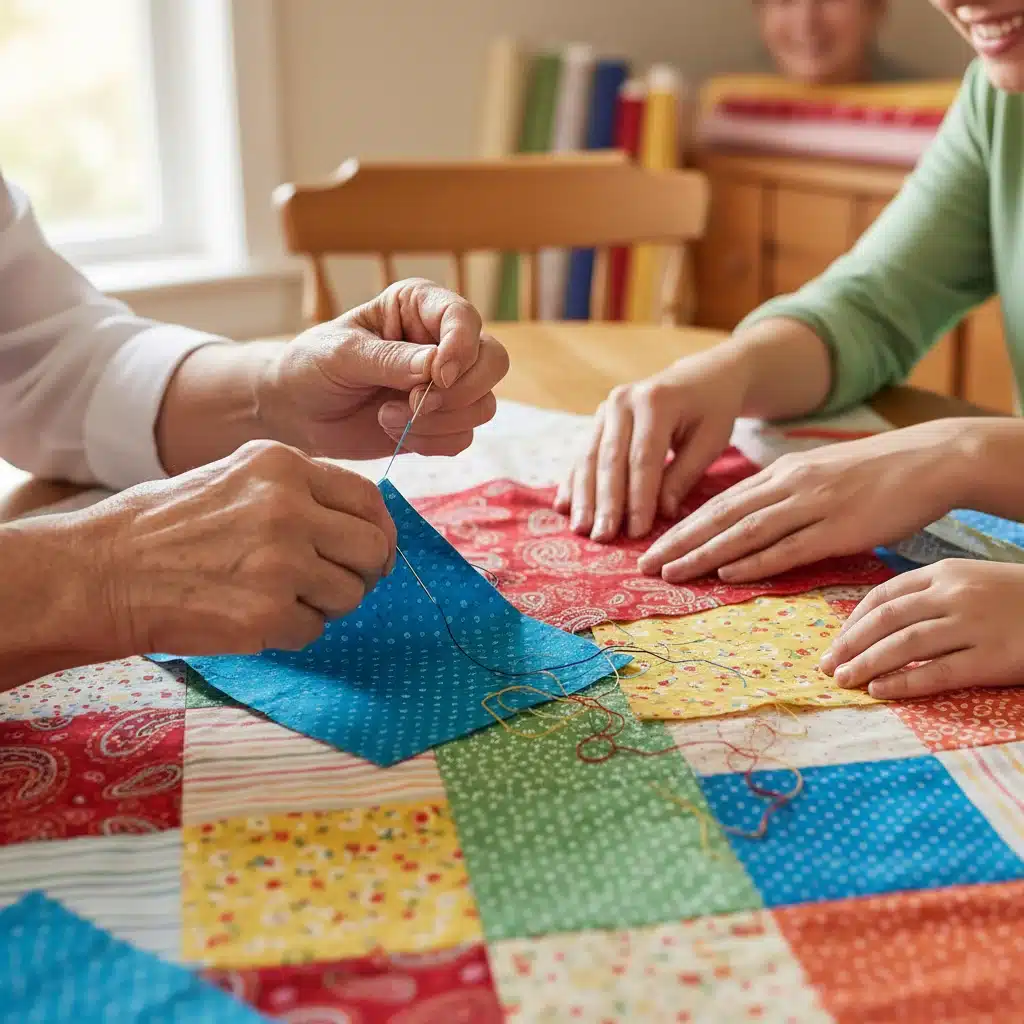
Quilting, a cornerstone of American folk traditions, is experiencing a phenomenal revival. Historically, quilts were born out of necessity, transforming scraps of fabric into warm coverings. However, they quickly evolved into intricate works of art, often telling stories of family, community, and historical events. Today, modern quilters are embracing both traditional patterns and contemporary designs, infusing new life into this ancient craft. Online communities, local guilds, and social media platforms are buzzing with quilters sharing techniques, patterns, and finished projects. The appeal lies in its meditative nature, the tactile satisfaction of working with fabric, and the tangible legacy created. Furthermore, quilting bees are making a strong comeback, fostering social connections and shared creative experiences, reminiscent of historical community gatherings. This collaborative aspect is a powerful draw for those seeking meaningful interactions in their creative pursuits.
The renewed interest in quilting extends beyond hobbyists; it’s also influencing fashion and home decor, with quilted textures and patterns appearing in high-end designs. This cross-pollination ensures that quilting remains relevant and visible, attracting a younger demographic eager to learn a skill that combines artistry with practicality. The narratives embedded within quilts, whether personal or collective, resonate deeply in a world seeking authentic expression and historical continuity. Many contemporary quilters are also using their craft to address modern social issues, creating powerful visual statements that bridge the past with present-day concerns, proving that these American folk traditions are far from static.
2. Woodworking and Whittling: Crafting Connection to Nature
From intricate carvings to functional furniture, woodworking and whittling are also seeing a major comeback as cherished American folk traditions. The appeal is multifaceted: it connects individuals to the natural world through the medium of wood, offers a tangible sense of accomplishment, and provides a quiet, contemplative pursuit. Small-scale whittling, requiring only a knife and a piece of wood, has become a popular meditative hobby, with online tutorials and local clubs teaching everything from simple figures to complex relief carvings. Larger woodworking projects, such as building traditional furniture or even small structures, appeal to those seeking to develop more advanced skills and create lasting pieces for their homes.
The resurgence is partly driven by a desire for sustainable practices and a rejection of mass-produced items. People want to understand where their goods come from and often prefer the unique character of a handmade item. Workshops focusing on traditional joinery, tool sharpening, and sustainable wood sourcing are flourishing. This hands-on engagement with materials and tools provides a welcome antidote to screen time, fostering patience, precision, and a deep appreciation for craftsmanship. The tactile nature of shaping wood, the scent of sawdust, and the satisfaction of seeing a raw material transformed into a useful or beautiful object are powerful draws, reaffirming these as vital American folk traditions.
The Revival of Communal Gatherings and Performance Arts
Beyond individual crafts, American folk traditions thrive in communal settings. The human need for connection, shared experience, and collective celebration is being met by a renewed interest in traditional gatherings and performance arts. These events foster a sense of belonging and provide platforms for cultural expression that strengthen community bonds.
3. Contra and Square Dancing: Steps to Community
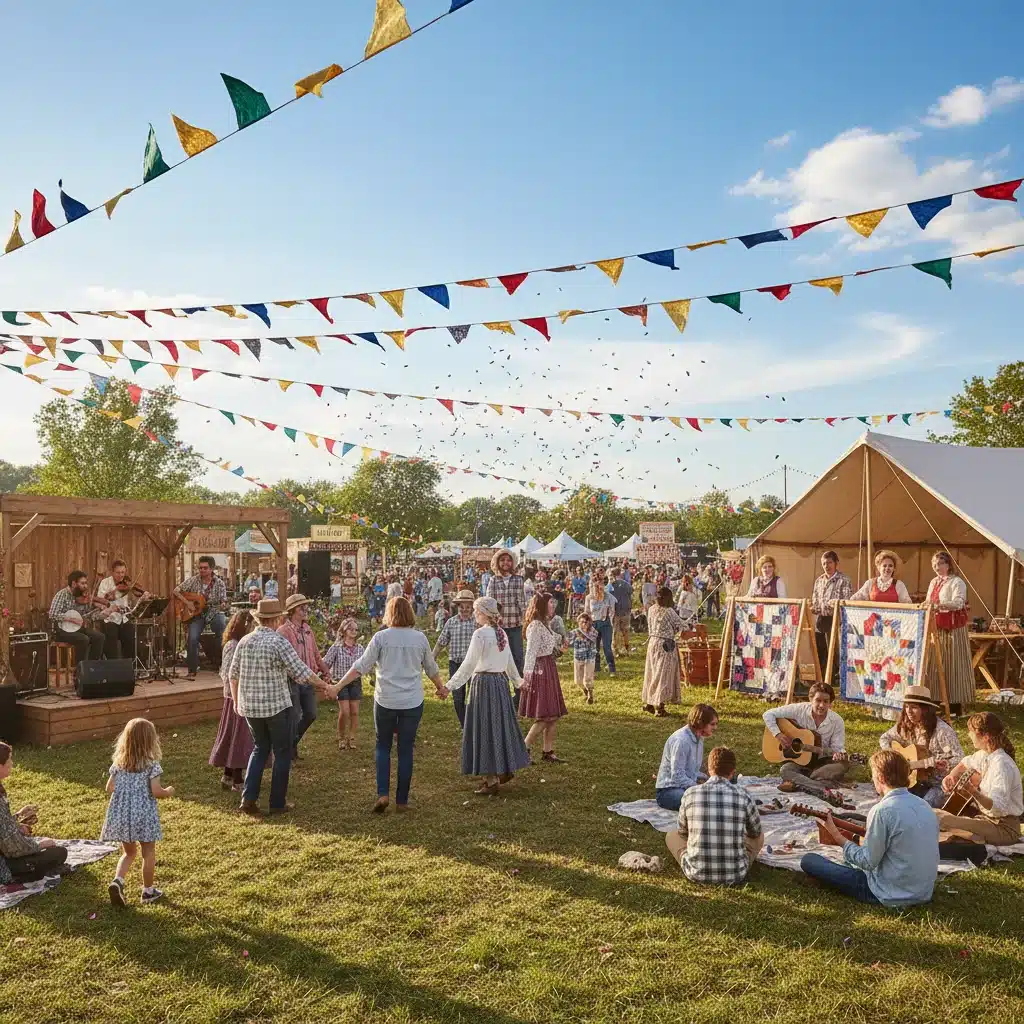
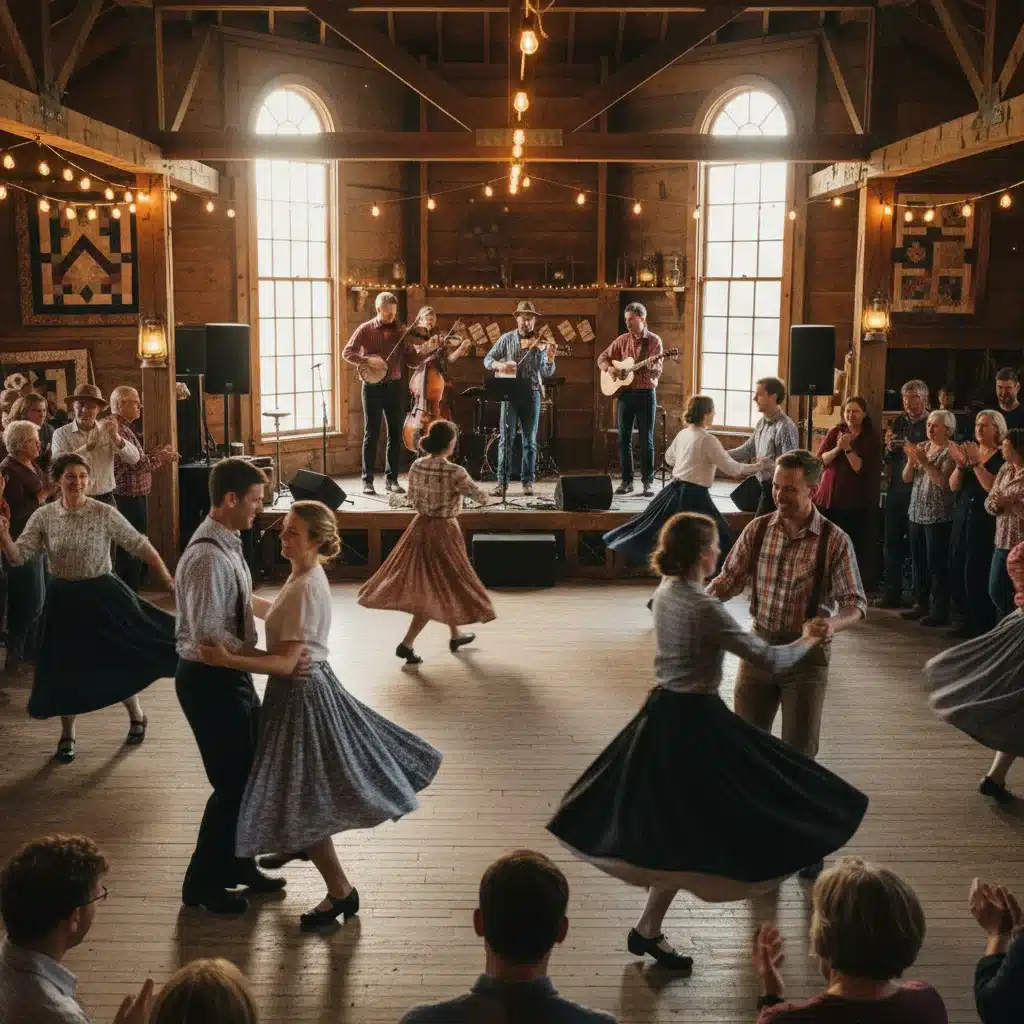
Forget the image of dusty barn dances; contra and square dancing are experiencing a vibrant resurgence, particularly among younger generations. These energetic dance forms, deeply rooted in American folk traditions, offer a unique blend of physical activity, social interaction, and live music. Unlike many modern dance forms, they are inherently communal, requiring partners to interact and rotate, ensuring everyone gets to dance with multiple people throughout an evening. The steps are relatively easy to learn, making them accessible to beginners, and the emphasis is on fun and participation rather than perfection.
Live folk music – often featuring fiddles, banjos, guitars, and accordions – is integral to the experience, adding to the authentic atmosphere. Dance callers guide participants through the movements, making it easy to follow along. These dances provide a refreshing alternative to typical social outings, promoting healthy activity and genuine connection in a welcoming, inclusive environment. Many communities are establishing regular contra and square dance events, drawing diverse crowds eager to experience these lively American folk traditions. The joy is palpable, the laughter infectious, and the sense of shared experience deeply satisfying.
4. Storytelling Circles and Oral Histories: Preserving Voices
In an era saturated with digital content, the ancient art of oral storytelling is making a profound comeback as one of the most significant American folk traditions. Storytelling circles, often held in libraries, community centers, or even around campfires, provide a powerful platform for individuals to share personal narratives, family histories, and traditional tales. This resurgence is driven by a desire for authentic human connection, a craving for narratives that resonate on a deeper level than fleeting social media posts, and a recognition of the importance of preserving diverse voices and experiences.
Oral history projects are also gaining traction, with communities actively collecting and archiving the stories of elders and long-time residents. These initiatives ensure that local histories, unique perspectives, and forgotten anecdotes are not lost to time. The act of listening intently, without interruption, is a rare and cherished experience in today’s world, making storytelling circles particularly impactful. They foster empathy, bridge generational gaps, and strengthen cultural identity by keeping the narrative threads of our shared past alive. This practice reminds us that every person has a story worth telling and hearing, reinforcing the human element at the heart of American folk traditions.
The Resurgence of Traditional Skills and Sustainable Living
The growing interest in self-sufficiency, sustainability, and a more deliberate way of life has also propelled several practical American folk traditions back into the limelight. These practices offer valuable skills that empower individuals and contribute to a more resilient community.
5. Homesteading and Foraging: Reconnecting with the Land
The concept of homesteading, once a necessity for survival, is undergoing a modern reinterpretation as a cherished American folk tradition. This isn’t necessarily about living off-grid in a remote cabin, but rather about embracing elements of self-sufficiency within a modern context. This includes growing one’s own food, preserving harvests through canning and fermentation, raising small livestock, and learning practical skills like carpentry and basic repairs. The movement is fueled by a desire for healthier food, reduced environmental impact, and a greater sense of control over one’s resources.
Closely related is the resurgence of foraging – the practice of identifying and gathering wild edible plants and fungi. Workshops on safe and sustainable foraging are becoming increasingly popular, connecting people directly to the natural world and providing a deeper understanding of local ecosystems. Both homesteading and foraging represent a profound reconnection with the land and its bounty, echoing the resourcefulness that defined early American folk traditions. They offer practical skills that foster self-reliance and a more sustainable lifestyle, appealing to those seeking to reduce their reliance on industrial systems and embrace a more reciprocal relationship with nature.
6. Folk Music and Instrument Making: The Sound of Heritage
The authentic sounds of American folk traditions are resonating anew, with folk music experiencing a significant revival. From bluegrass and old-time tunes to blues and traditional ballads, people are rediscovering the rich tapestry of American musical heritage. This resurgence is not only in listening but also in participation, with a growing number of individuals learning to play traditional instruments like the banjo, fiddle, mandolin, and acoustic guitar. Folk music festivals are drawing larger crowds, and local jam sessions are popping up in communities across the country.
Accompanying this musical revival is a burgeoning interest in traditional instrument making. Luthiers and craftspeople are teaching the art of constructing instruments using time-honored methods, emphasizing quality materials and meticulous craftsmanship. Learning to build an instrument provides a deep connection to both the music and the history of its creation. The raw, unplugged nature of folk music offers an antidote to overly produced contemporary sounds, providing a soulful and communal experience. It’s a powerful way to connect with the emotional landscape of generations past and to express contemporary feelings through a timeless medium, ensuring these musical American folk traditions continue to evolve and inspire.
Why the Resurgence Now?
The question naturally arises: why are these American folk traditions experiencing such a strong resurgence in 2026? Several factors contribute to this cultural shift. Firstly, there’s a growing disillusionment with consumerism and a desire for more meaningful engagement. Handmade goods, shared experiences, and tangible skills offer a refreshing alternative to passive consumption. Secondly, the digital age, while connecting us globally, has also highlighted a need for local, in-person connections. Community-based folk traditions provide just that – opportunities for genuine interaction and belonging.
Thirdly, there’s a heightened awareness of sustainability and environmental stewardship. Practices like homesteading, foraging, and crafting promote resourcefulness and reduce waste, aligning with contemporary values. Finally, in times of rapid change, there’s a natural human tendency to seek comfort and stability in the past. American folk traditions offer a link to our heritage, providing a sense of identity and continuity. They remind us of the resilience and creativity of those who came before us, inspiring us to carry these traditions forward.
The Future of American Folk Traditions
As we move further into the 21st century, the future of American folk traditions looks brighter than ever. The current resurgence is not a fleeting trend but a fundamental shift towards valuing authenticity, community, and sustainable living. These traditions are not static relics; they are living, breathing practices that adapt and evolve with each new generation. Young people, in particular, are embracing these customs, finding in them a sense of purpose, skill development, and a powerful antidote to modern anxieties.
From the intricate stitches of a quilt to the lively steps of a contra dance, from the rich narratives of a storyteller to the soulful melodies of a handmade banjo, American folk traditions offer a profound connection to what it means to be human. They teach us patience, foster creativity, build community, and remind us of the enduring power of shared culture. By rediscovering and revitalizing these practices, we are not just preserving the past; we are actively shaping a richer, more connected, and more resilient future for ourselves and for generations to come. The year 2026 marks a significant chapter in this ongoing story of rediscovery and celebration.