Gen Z’s Pop Culture Dominance: 5 Trends Shaping 2026 America
Decoding Gen Z’s Impact on American Pop Culture in 2026: 5 Key Trends to Watch
The year 2026 is fast approaching, and with it, a clearer picture of how Generation Z, the digital natives born between the mid-1990s and early 2010s, continues to solidify its profound influence on American pop culture. This generation, often characterized by its tech-savviness, social consciousness, and demand for authenticity, isn’t just participating in culture; it’s actively molding it. From the way we consume entertainment to the brands we champion, the fashion we wear, and the social conversations we engage in, Gen Z pop culture is an undeniable force. Understanding these shifts is crucial for anyone looking to stay relevant in the rapidly evolving landscape of contemporary America.
As we delve into the heart of this transformative period, we’ll explore five pivotal trends that are not merely fads but deeply ingrained cultural movements driven by Gen Z. These trends reflect their core values, their innovative use of technology, and their unwavering commitment to a more inclusive and sustainable world. Prepare to gain insights into the future of American entertainment, consumerism, and social interaction, all through the lens of this dynamic generation.
1. The Ascendancy of Authentic, Micro-Niche Content Creation
Gone are the days when mass media dictated popular taste. Gen Z, having grown up with an endless scroll of personalized content, craves authenticity and relatability above all else. This has led to the explosion of micro-niche content creators across platforms like TikTok, YouTube, and even emerging decentralized social networks. In 2026, this trend will only intensify. Instead of seeking out polished, highly produced content, Gen Z gravitates towards creators who offer a glimpse into their unfiltered lives, share genuine passions, and foster a sense of community around highly specific interests.
This isn’t just about entertainment; it’s about connection. These creators often build highly engaged communities, blurring the lines between fan and friend. The impact on traditional media is significant, as major studios and networks struggle to replicate the raw, unscripted appeal of independent creators. We’ll see more collaborations between established brands and these micro-influencers, recognizing that true influence now resides in genuine engagement rather than sheer follower count. Brands that understand and embrace this shift towards authentic, niche-specific storytelling will thrive, while those clinging to broad, generic campaigns will likely fall flat with the discerning Gen Z pop culture audience.
Furthermore, the democratization of content creation tools means that anyone with a smartphone can become a creator. This low barrier to entry fuels an ever-expanding universe of unique voices and perspectives, ranging from highly specialized tutorials on obscure hobbies to deeply personal vlogs about mental health journeys. The emphasis is on realness, vulnerability, and a direct, unmediated connection with the audience. This trend also fosters a sense of collective ownership over cultural narratives, as Gen Z actively participates in shaping the stories that resonate with them, rather than passively consuming what is presented.
The rise of collaborative content, where creators interact and build upon each other’s work, also exemplifies this trend. Remixes, duets, and challenges are not just features of platforms; they are expressions of a generation that values participation and shared experience. This communal approach to content creation fosters a more dynamic and interactive cultural landscape, where ideas and trends can emerge organically from the grassroots up. The implication for marketers and cultural commentators is clear: understanding and engaging with these micro-communities is paramount to comprehending the future of Gen Z pop culture.
2. Digital Activism and Social Justice as Core Cultural Pillars
Gen Z is arguably the most socially conscious generation to date. Having come of age amidst global crises, political polarization, and a heightened awareness of systemic inequalities, their engagement with social justice is not peripheral but central to their identity and, by extension, to Gen Z pop culture. In 2026, expect digital activism to remain a dominant force, influencing everything from music lyrics and film narratives to brand endorsements and political discourse.
Social media platforms are not just for entertainment; they are battlegrounds for ideas, organizing tools, and spaces for collective action. Gen Z uses these platforms to educate, advocate, and mobilize around issues they care deeply about, be it climate change, racial equality, LGBTQ+ rights, or mental health awareness. This means that celebrities, brands, and public figures are increasingly held accountable for their stances on social and political issues. Silence is often interpreted as complicity, and performative activism is quickly called out.
The entertainment industry will continue to reflect this heightened social consciousness. We’ll see more diverse representation in cast and crew, storylines that tackle complex social issues with nuance, and artists who use their platforms to champion causes. Music, film, and television will not merely entertain but will also serve as vehicles for social commentary and change. Brands, too, will find it imperative to align with authentic social values, moving beyond superficial marketing campaigns to demonstrate genuine commitment to social responsibility. Those that fail to do so risk alienating a generation that votes with its wallets and their clicks.
This pervasive sense of social responsibility also impacts consumption habits. Gen Z is more likely to support ethical brands, engage in sustainable practices, and demand transparency from corporations. This isn’t just a fleeting trend; it’s a fundamental shift in consumer behavior driven by deeply held values. The expectation is that culture, across all its forms, should contribute positively to society, or at the very least, not perpetuate harmful norms. This integration of activism into everyday cultural consumption is a defining characteristic of Gen Z pop culture in 2026 and beyond.
3. The Blurring Lines of Reality: Metaverse, AI, and Immersive Experiences
For Gen Z, the distinction between the physical and digital worlds is increasingly fluid. They are the first generation to grow up entirely immersed in digital environments, making them uniquely poised to embrace and shape the emerging metaverse and advanced AI integrations. By 2026, these technologies will be even more deeply woven into the fabric of Gen Z pop culture, offering unprecedented levels of immersive experiences and personalized interaction.
The metaverse, in its various forms, will evolve beyond nascent virtual worlds into interconnected digital spaces where Gen Z can socialize, work, play, and express their identities. This includes everything from attending virtual concerts and fashion shows to participating in collaborative creative projects and even building entire digital economies. AI will play a crucial role in personalizing these experiences, creating dynamic content, and facilitating more intuitive interactions within these virtual realms. Think AI-powered virtual companions, personalized digital avatars that evolve with user preferences, and intelligently curated content streams.
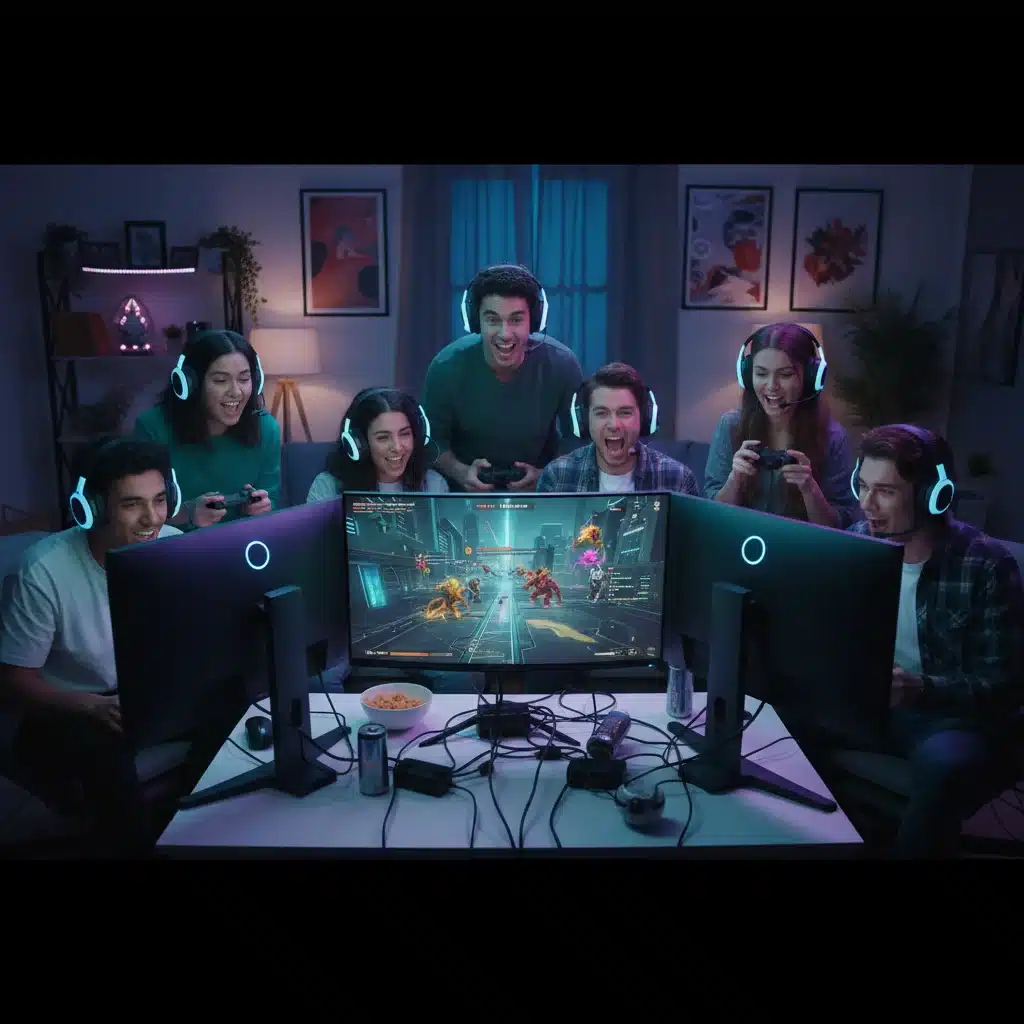
Gaming, already a central pillar of Gen Z’s cultural landscape, will continue to lead the charge in immersive experiences. Beyond traditional gameplay, games will become social hubs, creative platforms, and even educational tools. The integration of NFTs and blockchain technology, while still evolving, could further empower Gen Z with digital ownership and new forms of creative expression within these virtual ecosystems. This shift represents a move from passive consumption to active participation, where users are not just observers but co-creators of their digital realities.
This trend also extends to how Gen Z interacts with physical spaces, with augmented reality (AR) seamlessly blending digital information with the real world. Imagine using AR overlays to enhance live events, navigate cities, or even try on virtual clothing before making a purchase. The impact on entertainment, retail, and social interaction will be profound, as the boundaries of what is real and what is digitally enhanced continue to blur. Companies that can effectively leverage these technologies to create engaging, meaningful, and genuinely immersive experiences will capture the attention and loyalty of this technologically adept generation.
4. Hyper-Personalization and the ‘You-Do-You’ Mentality
Individuality and self-expression are paramount for Gen Z. This manifests as a strong rejection of traditional labels and a fierce embrace of hyper-personalization across all aspects of their lives. In 2026, this ‘you-do-you’ mentality will be a defining characteristic of Gen Z pop culture, impacting everything from fashion and beauty to music tastes and lifestyle choices.
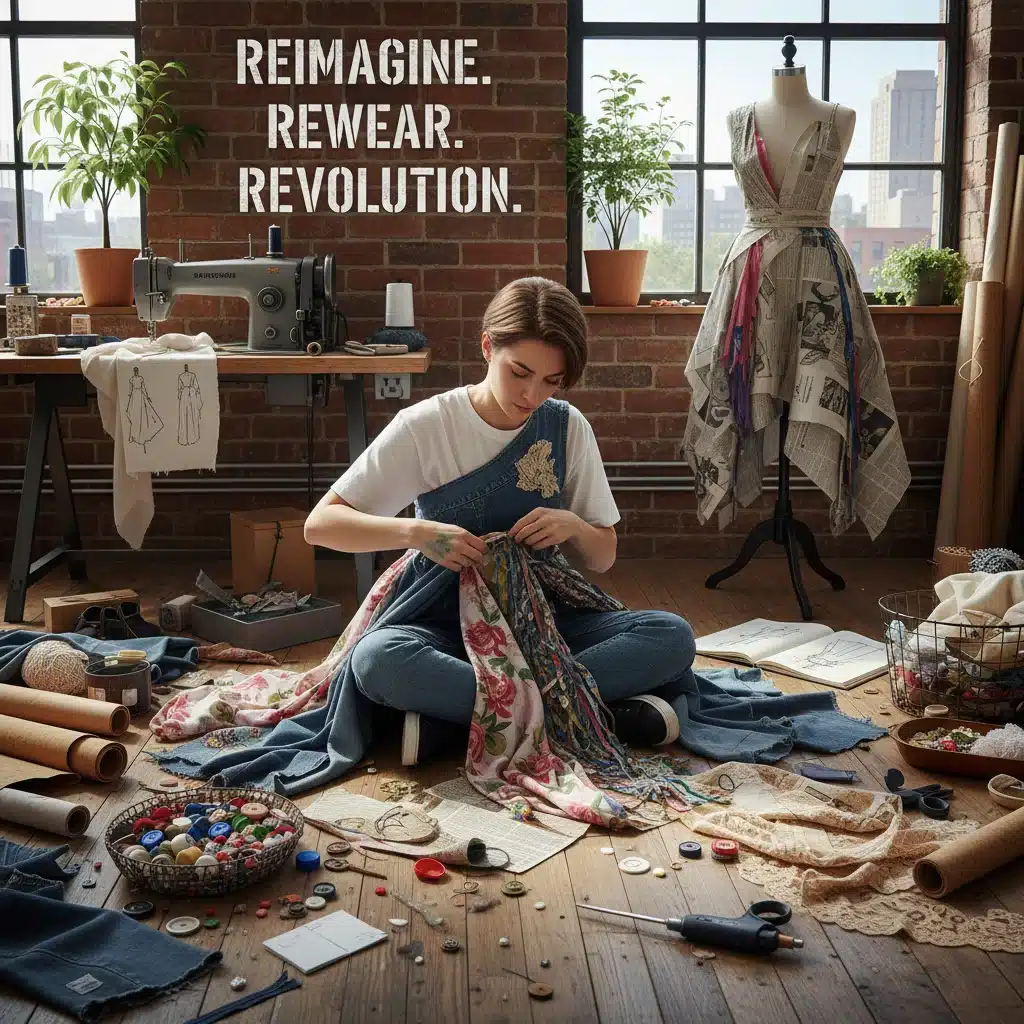
Fashion, for instance, is no longer about adhering to specific trends dictated by designers. Instead, it’s about curating a personal style that reflects one’s unique identity, often mixing vintage pieces with high-street finds, DIY alterations, and sustainable choices. The rise of gender-fluid fashion and beauty products is a direct reflection of Gen Z’s rejection of binary norms and their embrace of individual expression. Beauty routines are less about conforming to idealized standards and more about enhancing natural features and celebrating diversity.
Music consumption is another prime example. While algorithms play a role in discovery, Gen Z actively curates highly personalized playlists, blending genres and artists in ways that defy traditional categorization. They celebrate niche artists and underground scenes, often valuing the authenticity and unique sound over mainstream appeal. This leads to a constant evolution of micro-genres and a fluid musical landscape where personal taste reigns supreme.
This desire for personalization extends to consumer products and services. Gen Z expects brands to offer customized options, personalized recommendations, and experiences tailored to their individual preferences. They are wary of one-size-fits-all approaches and actively seek out products and services that allow them to express their unique identity. This means brands need to invest in data-driven personalization strategies and offer a diverse range of options to cater to this highly individualistic generation. The ‘you-do-you’ ethos is not just a preference; it’s a foundational principle guiding Gen Z pop culture and consumer behavior.
5. The Renaissance of Retro and Nostalgia (with a Modern Twist)
While Gen Z is forward-thinking and digitally native, they also possess a fascinating appreciation for retro aesthetics and nostalgia, albeit with a distinctly modern twist. This isn’t a mere rehash of past trends but a reinterpretation through a contemporary lens, often infused with irony, social commentary, or a focus on sustainability. In 2026, expect to see a continued renaissance of elements from the 80s, 90s, and early 2000s, creatively integrated into current Gen Z pop culture.
Fashion is a clear indicator of this trend, with Y2K aesthetics, chunky sneakers, oversized silhouettes, and vibrant color palettes making a strong comeback. However, Gen Z often sources these items through thrifting, upcycling, or sustainable brands, adding an ethical dimension to their nostalgic choices. This is not just about aesthetics; it’s about conscious consumption and a rejection of fast fashion’s environmental impact. The modern twist lies in the blend of vintage with cutting-edge, creating unique and often gender-neutral looks.
Music also sees this trend manifest, with artists sampling older tracks, incorporating retro sounds into new genres, or even bringing back forgotten artists to a new audience. The popularity of vinyl records among younger generations, despite the ubiquity of streaming, speaks to a desire for tangible connection to music and an appreciation for the artistry and history behind it. This isn’t just about passive listening; it’s about engaging with music as an artifact and a cultural statement.
Similarly, film and television are seeing reboots, sequels, and homages to beloved classics, but often with updated narratives that reflect Gen Z’s values of diversity, inclusion, and social awareness. These aren’t simply carbon copies but often critical re-examinations or fresh perspectives on familiar stories. The appeal of nostalgia for Gen Z isn’t about longing for a past they didn’t experience; it’s about mining cultural history for inspiration, recontextualizing it, and making it relevant to their present concerns. This creative re-imagining of the past is a powerful driver of Gen Z pop culture in 2026.